

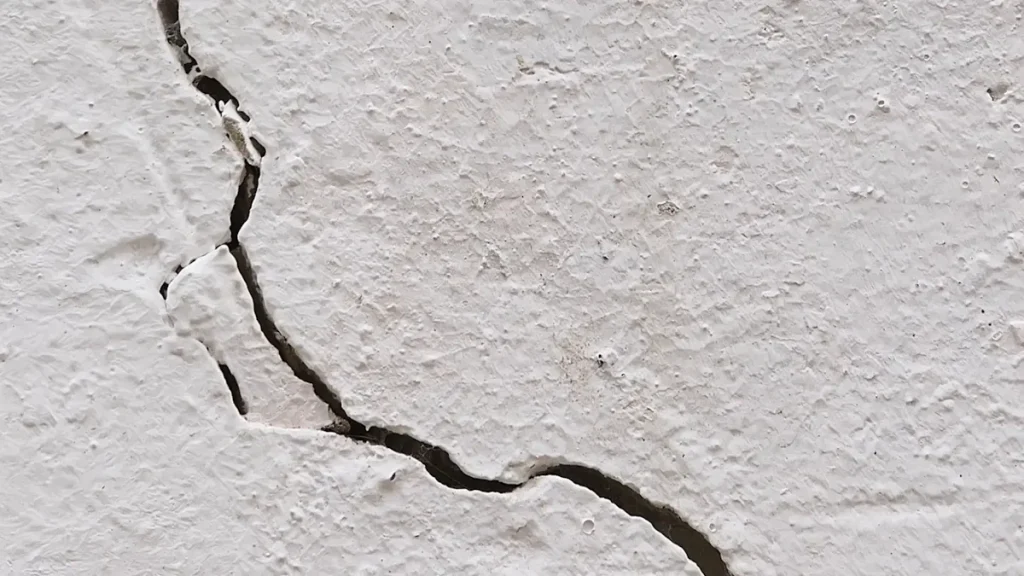
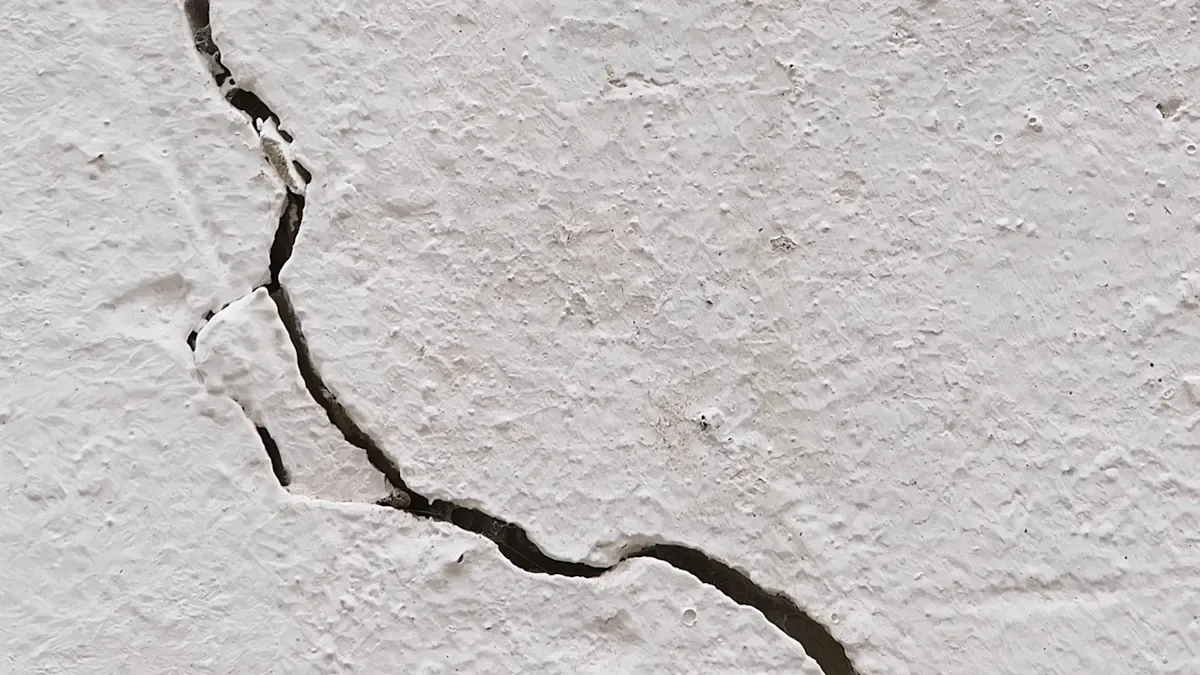
Choosing the right cement crack sealer for factory warehouse and industrial floor repair is very important for industrial floors. A good sealer protects your floors from daily damage, which can significantly lower maintenance costs. A quality product makes the concrete last longer, potentially extending its lifespan up to ten times longer than floors without a sealer. This means you will need fewer repairs and spend less on labor. Investing in a reliable cement crack sealer for factory warehouse and industrial floor repair is a smart choice that saves money in the long run.
Key Takeaways
Picking the right cement crack sealer can make your industrial floors last ten times longer. This also cuts down on maintenance costs.
Self-healing sealers can fix cracks by themselves. This makes them great for busy places like warehouses and factories.
Think about the size and type of cracks when you choose a filler. Different cracks need different solutions to fix them well.
Weather conditions, like temperature and moisture, can really affect how well crack fillers work. Pick products that can handle these conditions.
Buying good sealers not only protects your floors. It also saves you money later by reducing the need for repairs and replacements.
Types of Sealers
Picking a cement crack sealer means knowing the types you can choose from. Each type has its own job and works best in certain places. Let’s look at two main kinds: self-healing sealers and epoxy/polyurethane sealers.
Self-Healing Sealers
Self-healing sealers are a big step forward in cement technology. These smart products can fix cracks by themselves, making your floors last longer. For example, self-healing cement can repair damage in about 24 hours. This fast fix is very helpful, especially where regular sealers might not work well.
Key Benefits of Self-Healing Sealers:
They keep fixing themselves, which makes the concrete last longer.
They hold up well, so you don’t need to fix them often.
They are great for places that crack a lot, like warehouses and factories.
Real-life examples show they work well. In Delft, Netherlands, a bridge used self-healing concrete to fix cracks by itself, keeping it strong. Also, a lifeguard station on the North Sea stayed dry for years because of its self-healing features.
Epoxy and Polyurethane Sealers
Epoxy and polyurethane sealers are old favorites that still work well. They are tough and resist chemicals, which is good for industrial use. Here’s more about their features:
Feature | Epoxy Flooring | Urethane Flooring |
|---|---|---|
Advantages | – Very durable | – Quick drying |
– Resists chemicals | – UV resistant | |
– Saves money | – Strong and flexible | |
– Easy to update | – Resists scratches and scrapes | |
– Can have anti-germ additives | – Keeps color well | |
– Handles heat changes | ||
Disadvantages | – Takes longer to install and dry | – Less chemical resistance |
– Sensitive to sunlight | – Thinner bond to concrete | |
– Slippery when wet |
Both sealers have good and bad points. Picking the right one depends on what you need and your work area. If you expect lots of people and chemicals, epoxy might be better. But if you want something that fixes itself, self-healing sealers like the BAND Cement Crack Sealer could be perfect.
Knowing the types of concrete crack fillers helps you choose wisely. Each type has special features for different uses, keeping your floors in great shape.
Factors to Consider When Choosing Concrete Crack Filler
When you pick a concrete crack filler, think about some important things. Knowing these things helps you find the right product for your needs. Here are the main points to remember:
Crack Size and Type
The size and type of cracks in your concrete really affect your choice of filler. Different cracks need different fixes. Here’s a simple guide:
Hairline Cracks: These tiny cracks just need a basic sealant. A simple filler can seal them easily.
Medium Cracks (¼ to ½ inch): For these cracks, you need a stronger filler that sticks well to the concrete. This helps the repair last longer and stops more damage.
Large Cracks (more than ½ inch): Big cracks need heavy-duty fillers. These fillers give the strength needed to support the concrete around them and stop more problems.
Also, think about the location of the crack. Horizontal cracks need fillers that stick without sagging, while vertical cracks need strong adhesion to stop dripping.
Factor | Description |
|---|---|
Crack Width | Different widths need different fillers: hairline cracks need sealants, while larger cracks need heavy-duty fillers. |
Location of the Crack | Horizontal cracks need fillers that stick without sagging, while vertical cracks need strong adhesion to stop dripping. |
Environmental Conditions
Environmental conditions are very important for how well your crack filler works. Things like temperature changes, moisture, and chemicals can affect the filler. Here are some key points:
Weather Resistance: Your filler must handle water, especially in cold areas. This stops freeze-thaw damage, which can make cracks worse over time.
Thermal Expansion and Contraction: Temperature changes can make concrete expand and shrink. This movement can cause more cracks, so pick a filler that can handle these changes.
Chemical Exposure: If your industrial floor faces salts or chemicals, choose a filler that won’t break down. This is especially important in coastal areas or where de-icing agents are used.
The performance of cement crack sealers depends on many environmental factors. For example, freeze-thaw cycles in cold areas can create pressure that harms concrete. More rain can lead to moisture getting in, making concrete more likely to corrode.
It’s also important to know if cracks are active or static. Active cracks still move and need a solution that fixes the cause of the movement before using any filler. On the other hand, dormant cracks have stopped moving and can be repaired with rigid materials like epoxy injection.
By thinking about these factors, you can make a smart choice when picking a concrete crack filler. This helps keep your industrial floors strong and working well for many years.
Best Concrete Crack Filler for Industrial Floors
When you choose the best concrete crack filler for industrial floors, you have many choices. Each product has its own benefits and how well it works. Here’s a look at some top-rated fillers, including the BAND Cement Crack Sealer.
Product Comparisons
Epoxy-Based Fillers: These fillers stick strongly and dry fast. They reach full strength in about four hours. They are great for quick fixes, making them popular in busy industrial areas.
Polyurethane Sealants: These sealants are flexible and strong. They can handle small movements without cracking. Their drying times can be from hours to days, which is good for places with moving concrete.
Hydraulic Cement: This option dries quickly within a day but takes up to 28 days to fully cure. It provides long-lasting repairs, making it perfect for important jobs.
Masonry Mortar: This is good for bigger gaps. It sticks well to old concrete and usually dries in 24-48 hours. This makes it useful for both indoor and outdoor repairs.
Product Type | Pros | Cons |
|---|---|---|
Epoxy-Based Fillers | Strong bonding, rapid curing | May be sensitive to moisture |
Polyurethane Sealants | Flexible, durable, accommodates movement | Curing times can vary |
Hydraulic Cement | Quick setting, long-lasting repairs | Full curing takes longer |
BAND Cement Crack Sealer | Made for large cracks, multi-stage application improves durability | More complex application |
The BAND Cement Crack Sealer is a great choice. It is made for large cracks, ensuring a strong repair. Its flexible formula helps prevent re-cracking, and it comes with strong warranties for its performance.
Application Methods
Knowing how to apply concrete crack fillers is important for getting the best results. Here are some common methods used in industrial settings:
Method | Description |
|---|---|
Surface Preparation | Remove debris with air blasts or a stiff brush. Make sure the surface is dry based on the sealant used. |
Routing and Sealing Techniques | Widen cracks for even sealant application. Use backer rods to control depth and stop sticking. |
Injection Methods | Use low-pressure injection for deep or hairline cracks. Let it cure slowly on vertical surfaces to avoid sagging. |
By using these methods, you can make sure your chosen filler works well. Proper application leads to better long-term performance and durability of your industrial floors.
Concrete Floor Sealer Options
Concrete floor sealers are very important for protecting your industrial floors. They create a barrier that stops damage from moisture, chemicals, and stains. This protection makes your floors last longer, which is a smart investment.
Benefits of Sealers
Using a good concrete floor sealer has many benefits:
Protection Against Damage: Sealers protect your floors from oil spills and weather changes. They stop moisture, chemicals, and stains from getting into the concrete, which makes it stronger.
Reinforcement of Strength: Sealants help keep your floors strong and in good shape. They guard against harmful things that can cause damage.
Surface Protection: Sealers protect against surface damage, rust, and stains. This helps your floors stay nice and work well over time.
Here’s a table that shows different types of concrete floor sealers and what they do:
Type of Sealer | Characteristics | Best Use Cases |
|---|---|---|
Penetrating Sealers | Soak into concrete, block moisture and dirt. | Basements, outside walkways, driveways |
Film-Forming Sealers | Create a visible layer, improve look, protect against spills. | Garage floors, commercial entryways, showrooms |
Fill holes, improve resistance to wear, low-maintenance. | Warehouses, industrial floors, polished surfaces |
Application Techniques
How you apply the sealer is very important for how well it works and how long it lasts. Follow these steps for the best results:
Use a roller, brush, or sprayer to spread the sealer evenly on the surface.
Apply more coats if needed for better protection.
Let the sealer cure according to the instructions for the best results.
By using these methods, you make sure your concrete floor sealer works well, giving long-lasting protection for your industrial floors.
Choosing the right cement crack sealer is very important for keeping industrial floors in good shape. Making a smart choice can bring big benefits over time. Here are some important things to think about:
Protection from wear and tear: A good sealer takes daily damage, making floors last longer.
Improved durability: Sealers make concrete stronger against hits and heavy weights.
Chemical resistance: Many sealers guard against different chemicals, acids, and solvents.
Key Takeaways for Facility Managers:
Make sure the sealer can handle heavy traffic.
Pick products that dry fast to reduce downtime.
Look for deep penetration into cracks for lasting strength.
By thinking about these points, you can keep your industrial floors strong and working well for many years.
FAQ
What causes concrete cracks in industrial floors?
Concrete cracks usually happen because of temperature changes, moisture, or heavy weights. These things can make the concrete expand and shrink, leading to cracks over time. Regular care helps stop these problems.
How can you repair cracks in warehouse floors?
You can fix cracks with special sealers like the BAND Cement Crack Sealer. This product can heal itself, making repairs last longer and keeping your warehouse floors strong.
Why is it important to address concrete cracks promptly?
Fixing concrete cracks quickly stops more damage and keeps your floors safe. Quick repairs save money by avoiding expensive replacements and ensuring safety in industrial areas.
Can environmental conditions affect concrete crack repairs?
Yes, things like temperature and moisture can change how well crack repairs work. Pick sealers that can handle these conditions to make sure repairs last.
How do self-healing sealers work?
Self-healing sealers have materials that react to moisture. They fill and fix cracks on their own. This technology helps concrete surfaces last longer and cuts down on the need for repairs.
See Also
Selecting The Ideal Cement Crack Sealer For Your Needs
Choosing Cement Crack Sealers For All Surface Types
Definitive Guide To Concrete Sealers For Industrial Floor Protection
Selecting The Optimal Concrete Densifier For Warehouse Flooring
Comprehensive Guide To Cement Crack Sealers For Durable Repairs
