

Choosing the right industrial grade concrete filler is very important for your projects in 2026. New technology has improved these products. You can now find fillers that last longer and work better. The market for joint fillers is growing. This is because of ongoing infrastructure investments. There is also a need for maintenance in both new and developed countries. As energy-efficient buildings become more common, the need for strong sealing solutions will grow. Make sure you pick a filler that fits your needs. This will help you get good results that last.
Key Takeaways
Pick the right concrete filler for the crack size. Use simple sealants for tiny cracks and strong fillers for big cracks.
Think about fast-curing options like Sika PowerSet for quick fixes. These products can set in just 15 minutes, which cuts down on waiting time.
Always clean the cracks before putting in fillers. Good preparation helps the filler stick better and last longer.
Look for fillers that have been tested for performance. Trustworthy products help make successful and strong concrete repairs.
Choose materials that follow building rules and are low in carbon. This choice helps the environment and meets standards in your projects.
Best for Large Cracks
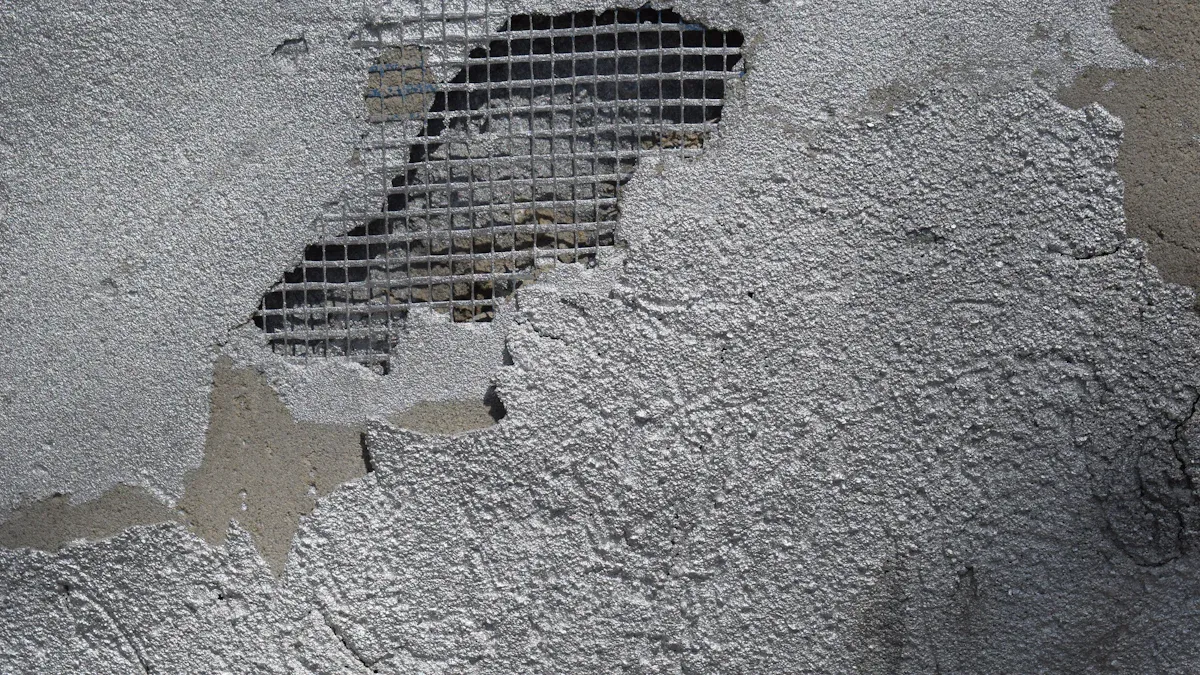
When fixing large cracks in concrete, you need strong products. Large cracks can happen for different reasons, such as:
Concrete shrinkage: These cracks usually show up in the first month. They look like spiderwebs.
Heavy load stress: Machines like forklifts can cause cracks from heavy weights.
Thermal movement: Changes in temperature make concrete expand and shrink, which leads to cracks.
Chemical attack: Oils or acids can harm the concrete, causing cracks.
To handle these problems, two great products are worth looking at.
Rust-Oleum Concrete Patch & Repair
Rust-Oleum Concrete Patch & Repair is a top pick for large cracks. This product sticks well and lasts long. It is easy to use and dries fast, which is great for quick fixes. Users like how it blends with old concrete for a smooth look. Whether you have cracks from heavy machines or weather damage, this filler is one of the best for fixing concrete cracks.
Poly-Strong PS 55 Polyurethane
Another great choice is Poly-Strong PS 55 Polyurethane. This filler is flexible and strong, making it perfect for large cracks that might move later. Its special formula lets it expand and shrink with the concrete, stopping future cracks. Many experts suggest this product for its long-lasting results and easy use.
Both of these fillers have shown to work well in recent tests, making them good options for your concrete repairs. When you choose the right product, your repairs will last and keep your surfaces strong.
Best for Thin Cracks
When fixing thin cracks in concrete, you need good products that work well. Thin cracks can happen for different reasons, like:
Shrinkage: Concrete can shrink as it dries, causing small cracks.
Overloading: Too much weight can stress the concrete and cause breaks.
Thermal Expansion: Changes in temperature can make concrete expand and shrink, leading to cracks.
Chemical Damage: Harsh chemicals can weaken the surface and cause cracks.
Because of these issues, picking the right filler is very important. Here are two of the best concrete crack fillers for thin cracks that you should think about.
DAP Concrete Crack Filler
DAP Concrete Crack Filler is one of the best for thin cracks. Here’s why:
Feature/Benefit | Description |
|---|---|
High-quality solution | Great for small cracks, making sure repairs work well. |
Quick drying | Dries fast, so you can use it right away, which is great for homeowners. |
Smooth finish | Blends well with nearby concrete for a nice look. |
Durability | Known for being strong, so repairs last a long time. |
Ease of use | Easy to apply, making it good for DIY repairs. |
This filler is perfect for quick fixes around your home or business.
Sikaflex Sealant
Another great choice is Sikaflex Sealant. This product is made for thin cracks, needing at least 1/4″ x 1/4″. Here’s what makes it a good option:
Sikaflex+ Crack Flex Sealant has a textured finish, which is better for cracks than joints.
It works well in many conditions, giving a strong seal that can handle movement.
Both DAP Concrete Crack Filler and Sikaflex Sealant are top choices when you need the best for thin cracks. They not only fix but also help your concrete surfaces last longer, keeping them strong and looking good.
Best Concrete Repair Products
When fixing concrete, you want products that really work. In 2026, there are some of the best concrete repair products available. They stand out because they are effective and can be used in many ways. Let’s look at two top choices.
BANDě Concrete Patching Compound
BANDě Concrete Patching Compound is a great choice for many concrete problems. This product is easy to use. You don’t need special tools or a lot of experience to apply it. Whether you have shallow cracks or surface issues, this compound can fix them all. It helps keep your concrete looking good and stops small problems from getting worse.
Here are some important features of BANDě Concrete Patching Compound:
Versatility: Good for many repairs, making it one of the best all-around options.
Quick Application: You can apply it easily, saving time and effort.
Durability: It gives long-lasting results, so your repairs stay strong.
Sika PowerSet Concrete Gap Filler
Another great choice is Sika PowerSet Concrete Gap Filler. This product is known for drying quickly and sticking well. It’s perfect for filling gaps and cracks in concrete, especially in industrial areas. Sika PowerSet is also one of the best flexible fillers. It can move with the concrete without cracking.
Both of these products solve common problems that other concrete repair products miss. They provide lasting solutions, even in tough conditions.
Tip: When picking a concrete repair product, think about the environment and what you need. This will help you choose the best flexible or self-leveling option for your project.
Fast-Curing Options
In 2026, fast-curing concrete fillers are very important for quick repairs. You want to reduce downtime and get your projects done fast. Quick-drying products can cut your repair time a lot. For example, fast-curing concrete can set in just 15 to 30 minutes. After only 1 to 2 hours, you can put light loads on it. Within 24 hours, it gets strong enough for moderate loads. This speed helps you avoid long delays, especially in busy places.
Sika PowerSet Concrete Gap Filler
One of the best fast-curing options is Sika PowerSet Concrete Gap Filler. This product is great because it cures quickly. Depending on the temperature, it can gel in as little as 2 minutes and fully cure in just 15 minutes when it’s warm. Here’s a quick look at its details:
Temperature Range (°C) | Gel Time | Cure Time |
|---|---|---|
-10 | 60 min | 360 min |
0 to 4 | 20 min | 180 min |
5 to 10 | 12 min | 120 min |
11 to 20 | 6 min | 80 min |
21 to 25 | 4 min | 40 min |
26 to 30 | 3 min | 30 min |
31 to 35 | 2 min | 20 min |
36 to 40 | 90 sec | 15 min |
This fast-setting ability lets you finish repairs in 24 hours. This is much faster than old methods that can take up to 28 days. Reducing repair time means less traffic disruption, which lowers social and economic costs from road closures.
Quick-Drying Epoxy Fillers
Another good choice is quick-drying epoxy fillers. These products are often used in industrial work because they are strong and cure fast. For example, PC-Concrete Anchoring and Crack-Filling Epoxy cures in just 4 hours at 75°F. This makes it one of the best epoxy options for quick fixes.
Using fast-curing products like Sika PowerSet and quick-drying epoxies can really boost your productivity. You’ll see that these products save time and give you reliable, long-lasting results.
How to Choose the Right Filler
Picking the right filler for your concrete repair is very important. It can change how well your project turns out. You need to make sure the filler fits your needs. Here are two main things to think about: crack width and how you apply it.
Consider Crack Width
The size of the crack is key to choosing the right filler. Different fillers work better for different sizes of cracks. Here’s a simple guide to help you:
Crack Width | Recommended Filler Type |
|---|---|
Hairline cracks | Simple sealant |
Medium cracks (¼ to ½ inch) | Stronger filler that bonds well with concrete |
Large cracks (more than ½ inch) | Heavy-duty filler that can handle big gaps without shrinking or cracking |
For hairline cracks, a simple sealant works well. It’s easy to use and seals nicely. If you have medium cracks, choose a stronger filler that sticks well to the concrete. For large cracks, you need a heavy-duty filler that can handle movement and won’t shrink over time.
You should also think about the type of filler based on its features. For example, epoxy fillers are great for narrow cracks because they dry fast and stick strongly. On the other hand, polyurethane sealants are more flexible, making them better for wider cracks that might move.
Application Method
How you apply the filler can really affect how well it works and how long it lasts. Here are some tips to remember:
Clean all dirt and debris from cracks before putting in the filler.
Pick high-quality products made for concrete repair that bond well.
Use the right methods to avoid problems later.
Using the right application method is very important. For example, if you use a manual or spray method, the success rate can be as low as 30%. But if you combine filling defects with surface protective coatings, that success rate can go up to 50%.
Also, think about the conditions where you will apply the filler. Things like UV light, moisture, and temperature can change how well the filler works. For instance, some fillers might break down in UV light, while others need certain moisture levels to stick well.
Choosing the right industrial-grade concrete filler is very important for your projects. New technology has made these products stronger and better. Here are some important points to remember:
Performance Testing: Always choose fillers that have been tested well.
Material Selection: Look for materials that are low in carbon and meet building standards.
Project Needs: Pick the right filler for your project, whether it’s for driveways, decorative work, or vertical fixes.
With the right information and products, your concrete repairs can last longer and work better. Use these new advancements for your next project! 🚧
FAQ
What is the best filler for large cracks?
For big cracks, try Rust-Oleum Concrete Patch & Repair or Poly-Strong PS 55 Polyurethane. Both stick well and are flexible, making them great for tough repairs.
How do I apply concrete fillers?
First, clean the crack. Then, follow the instructions on the product for mixing and applying. Use a putty knife or caulking gun to spread it evenly.
Can I use these fillers outdoors?
Yes, many concrete fillers can be used outside. But don’t apply them when it’s raining to make sure they stick and cure properly.
How long do these fillers take to cure?
Cure times depend on the product. Fast-curing options like Sika PowerSet can set in just 15 minutes, while others might take longer. Always check the label for details.
Are these fillers safe to use?
Most concrete fillers are safe if you use them as directed. Always wear gloves and a mask when applying to protect yourself from dust and fumes.
See Also
A Detailed Review of Industrial Floor Hardeners for 2025
Selecting The Top Five Concrete Floor Hardeners For Industry
The 2025 Handbook For Concrete Densifiers And Hardeners
Top Floor Hardener Options For UK Industrial Warehouses
The Ultimate 2025 Guide For Concrete Densifiers, Hardeners, And Sealers
