


When deciding between a concrete floor hardener and a densifier, consider your project’s specific needs. You might prefer a hardener for increased durability in high-traffic areas. Conversely, a densifier may suit projects where moisture resistance and aesthetics are priorities. Understanding these factors helps you make the best choice.
Key Takeaways
Concrete floor hardeners enhance durability and resistance to wear, making them ideal for high-traffic areas like industrial facilities and commercial spaces.
Concrete densifiers improve moisture resistance and create a dustproof surface, making them suitable for both new and renovated concrete projects.
When choosing between a hardener and a densifier, consider factors like durability needs, aesthetic preferences, and long-term maintenance costs.
Concrete Floor Hardener Defined

Purpose of Hardener
A concrete floor hardener strengthens and protects concrete surfaces by chemically and mechanically bonding with the material. When applied, it creates a dense and durable layer that resists wear, stains, and damage. This process enhances the surface’s ability to withstand heavy traffic and abrasion, making it ideal for environments where durability is critical.
Concrete floor hardeners work by reacting with free lime and weak calcium hydroxide in the concrete. This reaction forms calcium silicate hydrate (CSH), which fills the pores and creates a stronger, denser surface. The result is a floor that is less prone to cracking and dust formation, while also being resistant to water and chemical penetration.
By applying a hardener, you extend the life of your concrete floors and reduce the need for costly repairs. The improved durability also ensures safety in high-traffic areas, making it a practical choice for industrial and commercial spaces.
Applications of Hardener
Concrete floor hardeners are commonly used in environments that demand tough and long-lasting surfaces. These include:
Industrial Facilities: Factories and warehouses benefit from the abrasion resistance and impact strength provided by hardeners. Heavy machinery and constant foot traffic require floors that can endure daily wear and tear.
Commercial Spaces: Parking lots, retail stores, and other commercial areas often use hardeners to maintain a clean and durable surface that reduces maintenance needs.
Public Areas: Airports, schools, and hospitals rely on hardeners to create surfaces that resist stains and remain sanitary over time.
Residential Settings: Garages and basements can also benefit from the added durability and moisture resistance offered by hardeners.
After application, you’ll notice several performance improvements, including enhanced surface strength, reduced cracking, and increased resistance to abrasion and impact. Hardeners also seal the surface, preventing water and chemical penetration, while improving the overall aesthetics of the floor.
Concrete floor hardeners are versatile and suitable for both new and old concrete surfaces. Whether you’re preparing a floor for heavy machinery or simply aiming to reduce maintenance costs, hardeners provide a reliable solution for long-term durability.
Concrete Densifier Defined
Purpose of Densifier
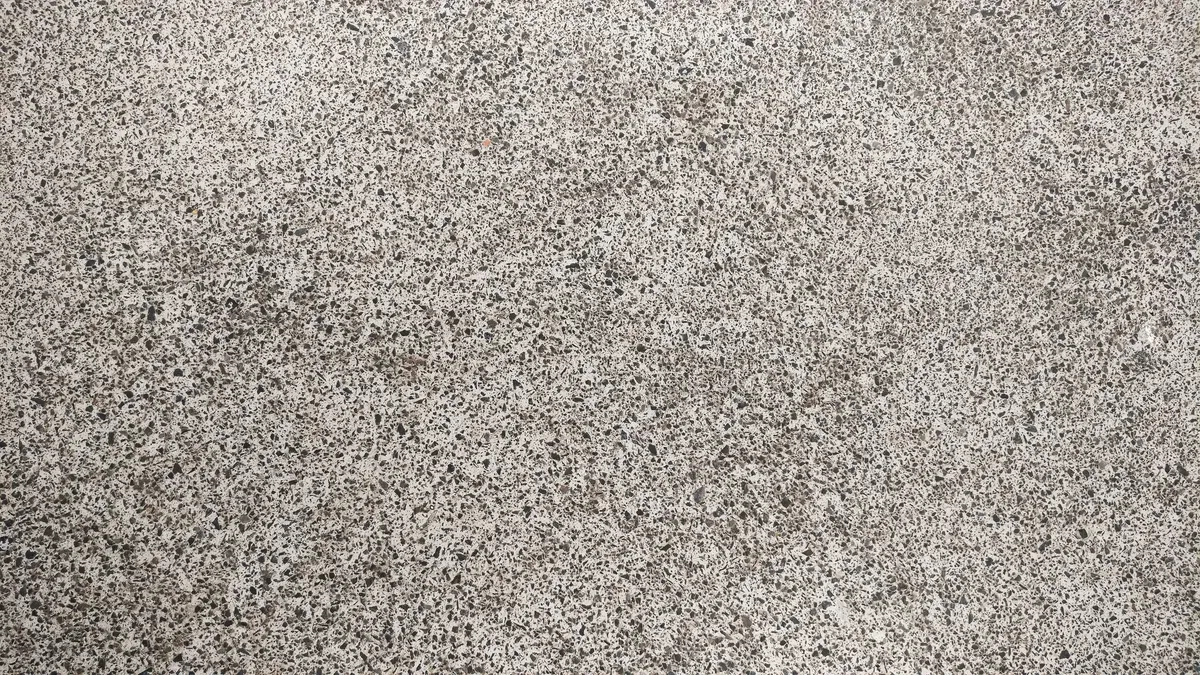
A concrete densifier is a chemical treatment that enhances the durability and strength of concrete surfaces. When you apply a densifier, it introduces a silicate-based compound to the concrete. This compound reacts with calcium hydroxide, a weaker material found in concrete. The reaction transforms calcium hydroxide into calcium silicate hydrate (CSH) gel, which fills the voids in the concrete matrix. This process creates a denser and more resilient surface that can withstand wear and tear. The chemical reaction is permanent, ensuring long-lasting benefits for your concrete floors.
The main role of a concrete densifier is to increase surface hardness, reduce dusting, and improve stain resistance. By penetrating the concrete, the densifier creates a gel-like substance that fills the pores. This results in a floor that is easier to clean and maintain. For instance, when you apply a densifier like LIQUI-HARD ULTRA, it solidifies the material and eliminates issues such as dusting and pitting.
Applications of Densifier
Concrete densifiers are versatile and find use in various construction projects, both new and renovation work. Here are some common applications:
New Construction: Densifiers enhance the durability of new concrete surfaces, making them ideal for high-traffic areas.
Renovation Projects: They can revitalize older, worn-out concrete, restoring strength and appearance.
Industrial Facilities: Factories and warehouses benefit from densifiers, as they provide floors that resist wear and tear from heavy machinery.
Commercial Spaces: Retail stores and parking lots use densifiers to maintain clean and durable surfaces.
Public Areas: Airports, schools, and hospitals rely on densifiers to create surfaces that resist stains and remain sanitary over time.
The measurable benefits of using concrete densifiers are significant. For example, they can increase surface hardness by 30-40% and extend the service life of treated concrete floors to 20-30 years, compared to just 5-10 years for untreated surfaces. Additionally, densifiers improve wear resistance by 40% compared to untreated surfaces.
Improvement Type | Measurement |
|---|---|
Hardness Increase | 30-40% |
Service Life Extension | 20-30 years vs. 5-10 years |
Wear Resistance | 40% greater resistance to wear |
Lifespan Improvement | 45% improvement in lifespan |
Differences Between Hardeners and Densifiers
Chemical Composition
Concrete floor hardeners and densifiers differ in their chemical makeup. Hardeners typically contain a blend of inorganic compounds that react with the concrete to enhance its strength. In contrast, densifiers primarily use silicate-based compounds that penetrate the concrete and react with calcium hydroxide. This reaction transforms the weaker components into a denser gel, improving the overall durability of the surface.
Application Process
The application processes for hardeners and densifiers vary significantly. Here’s a quick comparison:
Aspect | Hardeners | Densifiers |
|---|---|---|
Timing of Application | More straightforward application process | Applied at different stages based on concrete type and finish |
Equipment Required | Basic tools for application | Varies slightly based on application steps |
Application Sequence | Generally applied in a single step | Requires testing and evaluation of concrete hardness before application |
Interaction with Color | Not typically affected by color application | Must consider timing with stain or dye application, as it can affect results |
Experts recommend applying densifiers 14-28 days after the concrete has cured. This timing ensures that the concrete has adequate moisture and temperature for optimal results.
Results and Performance
Both hardeners and densifiers enhance the durability of concrete surfaces, but they focus on different aspects. Hardeners emphasize strengthening properties, while densifiers minimize surface porosity. Both products improve abrasion resistance and overall performance.
Surface restoration experts utilize concrete floor hardeners and densifiers to fill and strengthen the pores of concrete slabs, making them harder and resistant to dust and abrasion.
Pros and Cons of Each Option
Advantages of Hardeners
Concrete floor hardeners offer several benefits that make them a popular choice for various applications. Here are some key advantages:
Durability: Hardeners significantly enhance the mechanical properties of concrete, making it resilient to wear and impact.
Environmental Resistance: They resist UV rays, moisture, and temperature fluctuations, maintaining structural integrity over time.
Cost-Effectiveness: Although the initial investment may be higher, their longevity reduces maintenance and replacement costs.
Enhanced Safety: Non-flammable and chemical-resistant properties contribute to safer environments in buildings.
Quick Curing Times: Fast curing reduces project timelines, increasing construction efficiency.
Design Flexibility: Customizable formulations allow for innovative textures, colors, and finishes in building designs.
Disadvantages of Hardeners
While hardeners have many advantages, they also come with some drawbacks:
Advantages | Disadvantages | |
|---|---|---|
Dry Shake Hardener | Makes concrete last longer | Fewer finish choices, may not work for all concrete types |
Liquid Floor Hardener | Simple to apply, saves money | Might not be as durable as dry shake hardeners |
Advantages of Densifiers
Densifiers also provide unique benefits that enhance concrete flooring:
Increased Strength: Densifiers create a denser, harder surface, improving durability and longevity.
Moisture Resistance: They block efflorescence caused by moisture, reducing the risk of damage.
Abrasion Resistance: Densifiers enhance the surface’s ability to withstand wear from foot and vehicle traffic.
Dustproof Surface: They minimize dusting, making maintenance easier and improving air quality.
Disadvantages of Densifiers
Despite their benefits, densifiers have some limitations:
Coldness of the Surface: Treated surfaces can feel cold underfoot, which may be uncomfortable in certain environments.
Slipperiness: Some densified surfaces can become slippery, especially when wet.
Potential for Cracking: Improper application or environmental conditions can lead to cracking in densified surfaces.
By weighing these pros and cons, you can make an informed decision about whether a hardener or densifier best suits your concrete flooring needs.
Choosing the Right Option
Assessing Durability Needs
When you assess durability needs, consider the specific environment where the concrete will be used. For industrial settings, high-quality concrete is essential, but it alone does not guarantee durability. You must also evaluate factors like pouring quality, time in casting, and finishing techniques. These elements significantly impact the surface properties and overall performance.
Factor | Description |
|---|---|
General Thickness | Industrial concrete floors typically range from 4 to 12 inches in thickness. |
Chemical Resistance | Additional cement types and surface treatments enhance durability. |
Maintenance Planning | Regular inspections and repairs extend the slab’s lifespan. |
Environmental Factors | Freeze-thaw cycles and local climate conditions must be evaluated. |
Concrete densification can create harder and denser concrete surfaces, making it ideal for high-traffic areas. Densifiers, like the Ashford Formula, chemically react with concrete to form crystals that fill pores, increasing surface density and durability.
Aesthetic Considerations
Aesthetic preferences play a crucial role in your decision. Densifiers typically provide a natural, matte finish that minimally alters the concrete’s appearance. In contrast, hardeners can enhance aesthetics significantly, offering various finishes, including matte, gloss, and high-gloss options.
Treatment Type | Finish Type | Appearance Change |
|---|---|---|
Densifiers | Natural, Matte | Minimal alteration to concrete’s look |
Sealers | Various (Matte, Gloss, High-Gloss) | Enhances aesthetics significantly |
Choosing the right finish can enhance the overall look of your space while ensuring durability.
Cost Evaluation
Cost is another critical factor. While hardeners may have a higher initial investment, they often reduce long-term maintenance costs. Densifier-treated floors can lower ongoing maintenance expenses by up to 65%. This reduction stems from their ability to create a dustproof surface that requires less frequent cleaning and upkeep.
In summary, both concrete floor hardeners and densifiers enhance durability and performance. Your choice depends on your specific needs. For high-traffic areas, hardeners provide superior strength. Densifiers excel in moisture resistance and aesthetics. Consider the following key properties:
Type of Hardener | Key Properties |
|---|---|
Lithium Silicates | Most advanced technology with non-expansive properties. |
Sodium Silicates | Comprise 94% of mineral sealers; contribute to Alkali-Silica Reaction (ASR). |
Silicas | Longer life expectancy of over 24 months compared to silicates and silicinates. |
Organic Sealers | Short service lives due to decomposition when exposed to elements. |
Synthetic Amorphous Silica | Non-toxic; no evidence of causing lung cancer in workers. |
Choose wisely to achieve the best results for your concrete flooring project!
FAQ
What is the difference between a concrete hardener and a densifier?
Concrete hardeners strengthen surfaces through chemical reactions, while densifiers fill pores with silica to enhance durability and reduce dusting.
How long does it take for a densifier to work?
You typically see results from a densifier within 24 hours after application, but full benefits may take several days to develop.
Can I use a densifier on old concrete?
Yes, you can apply a densifier to old concrete. It revitalizes the surface and improves its strength and resistance to wear.
See Also
Selecting The Ideal Concrete Densifier For Your Warehouse Flooring
Understanding The Key Differences Between Densifiers And Hardeners
Defining Floor Hardeners: Their Function And Mechanism Explained
Concrete Densifiers Explained: Their Purpose And Operation Unveiled
Exploring Concrete Floor Hardeners: Their Role And Functionality
