

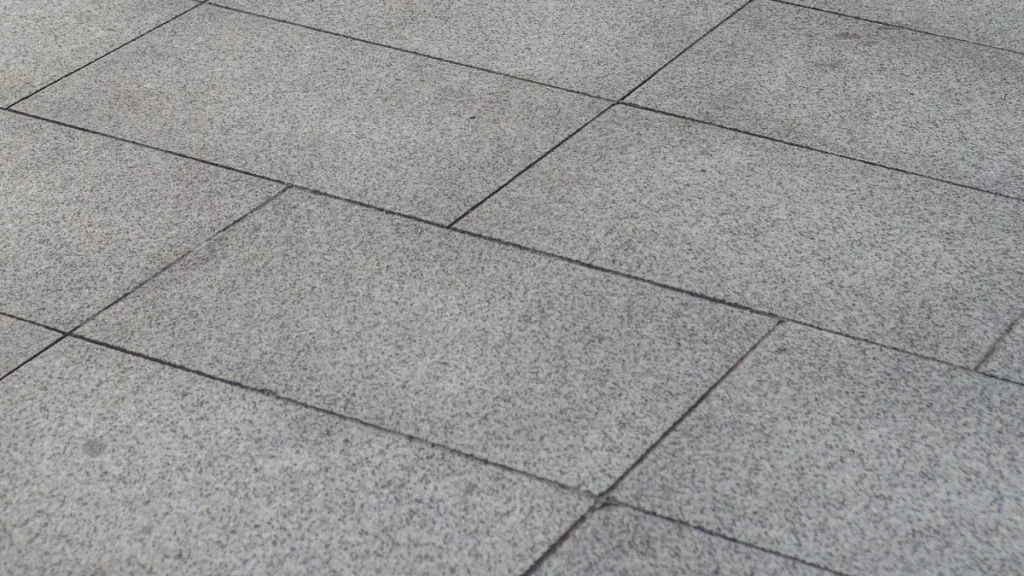
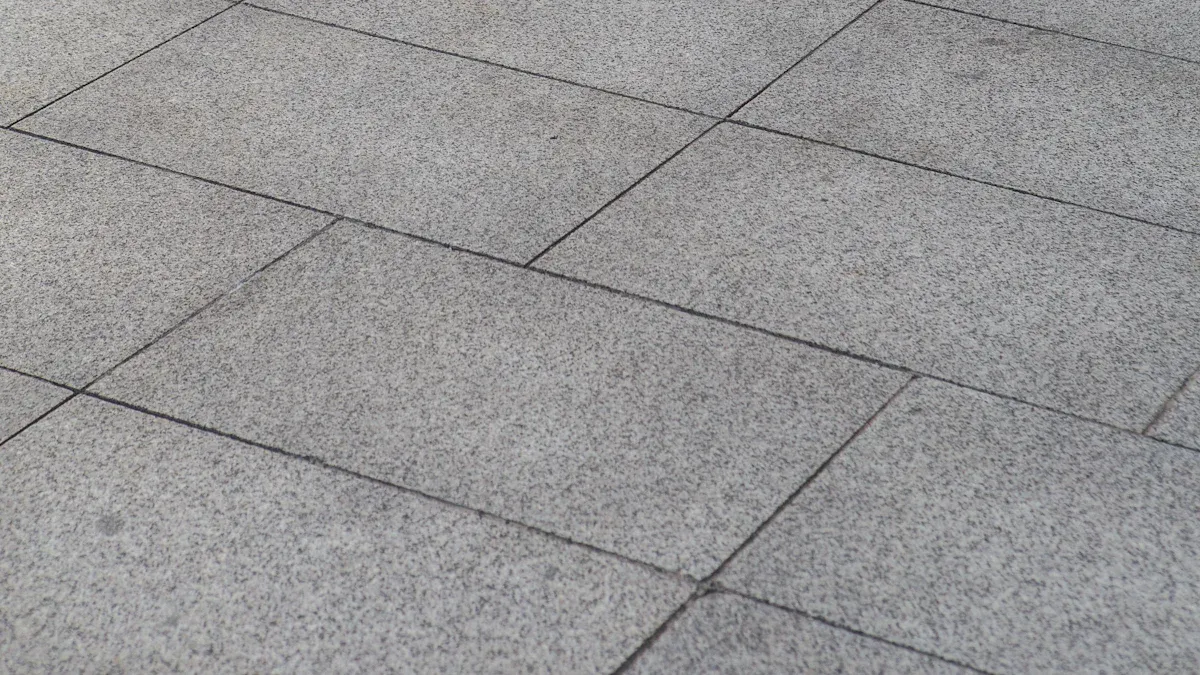
Lithium concrete densifiers are very important for making concrete surfaces last longer. When you use these products, they can greatly lower how much water gets through. This can lead to a 20% better performance in concrete compared to surfaces that are not treated. This improvement helps your floors last longer and look better too. Using the right application methods helps you get the most benefits. This results in stronger floors that can handle everyday use.
Benefits | |
|---|---|
Below 10% | General surface hardening, cost-effective |
10-15% | Enhanced durability, improved aesthetics |
Above 15% | Superior resistance to wear and staining |
With the right method, you can get long-lasting results that improve both the use and look of your concrete floors.
Key Takeaways
First, clean the surface and check for any problems. A clean surface helps the densifier soak in better.
Use the right method, like a low-pressure sprayer. This keeps the densifier wet for at least 20 minutes. It helps it stick well to the concrete.
Always wear safety gear like gloves and goggles. Safety is very important when using chemical products.
Follow the right curing times. Wait 24 hours before walking lightly on it. Wait 7 days for the full reaction to get the best results.
Regular care, like deep cleaning and using protective pads, keeps your concrete floors looking good and lasting longer.
Required Materials for Lithium Densifier
Before you apply the lithium concrete densifier, gather all the materials you need. This will help make the application easier and give you the best results.
Tools Needed
You will need these tools for the job:
Sprayer or Roller: A sprayer gives an even coat. A roller works well for big areas.
Broom or Brush: Use a broom to clean up debris. A brush helps spread the densifier.
Diamond Grinding Machine: This tool smooths the concrete surface by grinding it down.
Water Absorber: This device takes away extra water and slurry while grinding.
Product Overview
A great choice for a lithium concrete densifier is the BANDě Polished Concrete Densifier. This product is clear, has no smell, and is safe to use. It reacts with the concrete to make it stronger. It goes deep into the concrete and creates calcium silicate hydrate (C-S-H). This fills in holes and makes the surface denser. This reaction makes it better than other densifiers, giving you a stronger floor.
When using the BANDě densifier, follow these steps:
Category | Instructions |
|---|---|
Keep the product at room temperature (50-80°F) and do not let it freeze. | |
Surface Preparation | Clean off all dirt, oil, and dust. Make sure there is no standing water. |
Product Application | Stir it before using, apply it without thinning, and keep a wet edge while applying. |
By getting ready and using good materials, you prepare for a successful application of lithium concrete densifier. This leads to floors that last and look great.
Surface Preparation Steps
Getting the surface ready before using lithium concrete densifier is very important. A clean surface helps the densifier work better and makes your concrete floors stronger. If you skip this step, you might have problems like dust or chalk, which can hurt how well the densifier works.
Here are the steps to make sure your surface is clean:
Remove Debris: Start by sweeping or vacuuming the area. This gets rid of dust, dirt, and debris. It is important for a clean start for the densifier.
Clean the Surface: Mix water with a mild detergent to scrub the concrete. This helps remove oil, grease, or stains that could stop the densifier from working well. Rinse it well with clean water to make sure no residue is left.
Inspect for Flaws: Look for any cracks, chips, or problems in the concrete. Fix these issues before using the densifier. If you use the densifier on a bad surface, you might get uneven results.
Dry the Surface: Let the concrete dry completely before applying the densifier. Moisture can stop the densifier from soaking in properly.
Grind the Surface (if necessary): If your concrete is rough or has a lot of laitance, use a diamond grinding machine. This will smooth the surface and help the densifier absorb better.
Tip: Proper surface preparation is key for the densifier to work well. If the surface isn’t ready, the densifier will have trouble soaking in. This can lead to uneven hardness and less resistance to wear.
By following these steps, you prepare for a good application of lithium concrete densifier. Remember, how well the densifier works depends on how well the concrete can absorb silicate. A clean surface helps you get the best results.
Application Techniques for Lithium Concrete Densifier
Mixing and Application
When you use lithium concrete densifier, mixing and applying it right is key. Start by shaking the densifier well. This makes sure it mixes evenly. It’s important for it to react with the silica in the concrete. After mixing, pick the best way to apply it based on your floor type and what you want to achieve.
Effect on Penetration and Performance | |
|---|---|
Low-pressure sprayer | Keeps it wet for 20 minutes for full soak |
Broom or mop (for cheaper densifiers) | Breaks surface tension to help it soak in |
Auto-scrubber | Good for smooth surfaces, clears dust for better soak |
A low-pressure sprayer helps the densifier soak in deep. This makes the concrete stronger. If you use a broom or mop, make sure to break the surface tension. This helps it soak in better. An auto-scrubber is great for smooth floors. It clears dust for better soaking.
The coverage rate depends on how much the floor absorbs. For the E57937 Lithium Concrete Densifier Extra Strength, aim for 100 to 400 square feet per gallon. This makes sure the densifier covers well and bonds with the silica.
Maintaining Wet Film
Keeping a wet film during application is very important. It helps the densifier react well with the concrete. Keep it wet for at least 20 minutes. This lets the silica bond well, making the concrete stronger.
Good weather also helps when applying. Try for temperatures between 50-90 degrees Fahrenheit. Humidity should be 75-85% for best results. These conditions help the densifier work well with the concrete, giving a strong finish.
After applying, let the surface cure right. Floors will be ready for walking and driving in 24 hours. For best results, wait 7 days for full reaction with the concrete. This curing time makes sure the silica bonds fully, giving a strong and lasting finish.
By following these steps, you make sure the lithium concrete densifier works its best. This results in floors that are strong and look good.
Safety Precautions During Application
Protective Gear
When you use lithium concrete densifiers, safety is very important. Always wear the right protective gear to keep yourself safe. Here’s a list of items you should use:
Safety Goggles: These protect your eyes from splashes and dust.
Gloves: Wear chemical-resistant gloves to keep the densifier off your skin.
Respirator Mask: A mask helps you avoid breathing in harmful fumes or dust.
Long Sleeves and Pants: Cover your skin to reduce contact with chemicals.
Taking these steps helps keep you safe while applying the densifier. Remember, safety gear is very important.
Environmental Considerations
You also need to think about the environment when using concrete densifiers. Here are some key points to remember:
Choose the Right Day: Don’t apply the densifier on rainy days. Wet weather can weaken the product.
Proper Disposal: Throw away any leftover densifier according to local rules. Don’t pour it down the drain or on the ground.
Ventilation: Make sure there is good airflow where you work. This helps clear out fumes and keeps the air clean.
By following these environmental tips, you help create a safer workspace. You protect yourself and help the environment too.
Tip: Always check the product label for safety instructions and environmental rules. This helps you use the densifier correctly and safely.
By taking these safety steps, you can confidently apply lithium concrete densifiers. This leads to better results and a safer place to work.
Troubleshooting Common Issues
Addressing Application Problems
When you use lithium concrete densifier, you might see some common problems. These can change how your concrete floors look and work. Here are a few issues you might run into:
Water Spotting: This happens when you overlap wet and dry spots. It can leave ugly marks on the surface.
Slippery Surfaces: Wet or dirty areas can be dangerous. Always make sure the area is clean before using the densifier.
Etching on Glass or Metal: If you spray too much, it can damage these surfaces. Clean any overspray quickly to prevent harm.
Precipitate Formation: A white powder may show up as the lithium dries. This means you need to follow the application steps carefully.
To fix these problems, try these troubleshooting steps:
Troubleshooting Steps | Description |
|---|---|
Apply 2-3 full applications of densifier | Follow the instructions and let the product dry completely between uses. |
Identify the cause of dusting | Common reasons include early troweling, wrong water use, and not curing enough. |
Consider alternative solutions | If densifiers don’t work, you can grind, use sealers, or resurface the area. |
Ensuring Optimal Results
To get the best results with your lithium concrete densifier, follow these maintenance tips:
Set up a regular deep-cleaning plan to keep the floor looking good.
Use protective pads under furniture to avoid scratches.
Clean spills right away to stop stains.
Polish the floors sometimes to bring back shine and smoothness.
Put doormats at entryways to catch dirt and stop it from getting on the floors.
Check for damage or wear regularly and fix problems quickly.
By fixing these common issues and following maintenance tips, you can keep your concrete floors treated with densifiers strong and looking great for many years.
In short, using a lithium concrete densifier the right way is very important. It helps make floors strong and nice to look at. Here are the main steps to follow:
Prepare the Surface: Make sure the surface is clean and smooth for better absorption.
Mix and Apply: Shake the densifier well and spread it evenly.
Maintain Wet Film: Keep the surface wet for at least 20 minutes to help it bond.
By following these steps, you can get benefits like better scratch resistance and a longer life for your floors. Well-kept polished concrete floors can last more than 20 years without needing replacement.
Remember, using the right application methods makes your concrete surfaces stronger and more attractive.
FAQ
What is a lithium concrete densifier?
A lithium concrete densifier is a chemical that makes concrete stronger. It works with silica in the concrete. This fills in gaps and makes the surface denser. This helps the concrete resist wear and keeps moisture out.
How do I apply lithium concrete densifier?
To apply the densifier, start by cleaning the surface well. Then, use a sprayer or roller to spread the densifier evenly. Keep the surface wet for at least 20 minutes to help it soak in properly.
Can I use densifiers on old concrete?
Yes, you can use densifiers on both new and old concrete. Just make sure the surface is clean and clear of debris. Good preparation helps the densifier soak in better, making the floor more durable.
How long does it take for the densifier to cure?
After applying the densifier, let the surface cure for 24 hours before walking on it lightly. For the best results, wait 7 days for the densifier to fully react with the concrete.
Are there any safety precautions when using densifiers?
Yes, always wear safety gear like gloves, goggles, and a respirator mask. Make sure there is good airflow while applying it. Follow the instructions from the manufacturer for safe use and disposal of the densifier.
See Also
Understanding Lithium Densifiers and Their Impact on Concrete
Selecting the Ideal Concrete Densifier for Warehouse Flooring
Applying Concrete Dust Sealers for a Cleaner Floor Surface
BANDe’s Comprehensive 2025 Guide to Polished Concrete Densifiers
Exploring Concrete Densifiers: Their Function and Benefits Explained
