


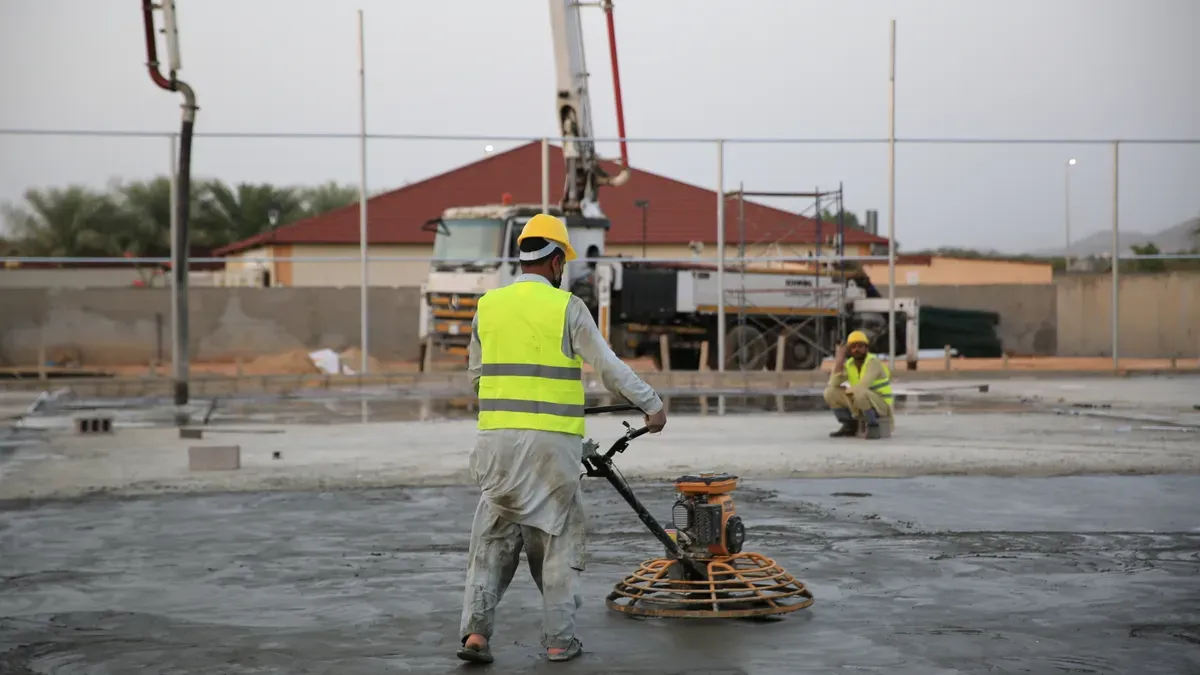
Concrete hardeners in Thailand are essential for enhancing the durability and performance of industrial floors. As many industries in Thailand are undergoing upgrades, these concrete hardeners help fulfill the demand for superior flooring solutions. By applying a concrete hardener, your floor will gain increased resistance to chemicals and wear, resulting in a cleaner surface. For instance, floors treated with concrete hardeners are 81.5% more effective at resisting wear compared to untreated floors. This ensures that your flooring can withstand the rigorous demands of car manufacturing and logistics operations. Utilizing concrete hardeners is a wise investment for any business looking to improve their flooring solutions.
Key Takeaways
Get the concrete surface ready before using hardeners. Clean it well and fix any damage. This helps the hardener stick better.
Pick the right type of concrete hardener for your needs. Liquid hardeners are cheaper. Powdered hardeners last longer and resist wear better.
Use a step-by-step process for applying hardeners. Watch the timing and weather conditions. This helps avoid problems while curing.
Think about the local weather and rules when using hardeners. Apply them during dry times for the best results.
Using concrete hardeners makes your floors stronger and better. This helps them last longer and look nice.
Surface Preparation for Concrete Hardener in Thailand
Cleaning the Concrete Surface
Before applying concrete floor hardener, clean the concrete surface well. A clean surface helps the hardener stick and work better. Start by getting rid of dirt, debris, and old coatings. You can use a pressure washer or a scrubber to clean effectively. Here are some steps to prepare the surface:
Clean the surface well to make it spotless.
Fix any damage before using the hardener.
Remove anything that could stop adhesion.
Make sure the surface is strong, open-textured, and free from frost, laitance, surface water, oils, grease, and other dirt. High-pressure water cleaning or ride-on cleaning machines work well for this.
Assessing Surface Condition
After cleaning, check the surface condition. Look for cracks, chips, or any damage. Fix these problems before applying the hardener. A well-prepared surface is important for meeting high flooring standards, especially in car manufacturing and logistics.
You should also do a pH test to check if the surface is neutral. Leftover oils and grease can affect how well the hardener works. If needed, use alkaline degreasers to clean these substances.
By taking time to prepare the surface correctly, you help ensure a successful application of concrete floor hardener. This preparation not only makes it stronger but also helps your flooring last longer.
Types of Concrete Floor Hardener
Liquid Hardeners
Liquid concrete hardeners are easy to use. You just pour them on the surface and spread them out. This helps the hardener soak into the concrete, making it stronger. Liquid hardeners make your floors last longer and resist wear. They are great for places with heavy machines, like car and logistics facilities.
Some benefits of liquid concrete hardeners are:
Cost-Effective: They usually cost less than other types.
Deep Penetration: They make the concrete denser, giving long-lasting protection.
But remember, liquid hardeners might not resist impacts as well as other options. So, they may not be the best for areas with very heavy loads.
Powdered Hardeners
Powdered hardeners, also called dry-shake concrete hardeners, are very good at resisting wear. You use them by sprinkling the powder on fresh concrete and then troweling it in. This creates a strong bond, making your floors tougher and less likely to get damaged.
Here are some main benefits of powdered hardeners:
Improved Wear Resistance: They greatly reduce dust and help the floor handle heavy traffic.
Long-Term Durability: They are perfect for busy areas, keeping your flooring in great shape over time.
Type of Hardener | Advantages | Disadvantages |
|---|---|---|
Superior abrasion resistance, long-term durability | Requires skilled labor, higher cost | |
Liquid Hardener | Easier application, lower material cost | Less impact resistance, superficial hardening |
Densifiers and Their Benefits
Densifiers are another kind of concrete hardener to think about. They work by reacting with the concrete to fill in the holes, making the surface stronger and denser. This is very important in car and logistics facilities where floors deal with heavy machines and foot traffic.
The benefits of using densifiers include:
Benefit | Description |
|---|---|
Durability | Densifiers help the concrete resist wear and tear, which is important for busy areas in automotive and logistics facilities. |
Wear Resistance | They make the surface better at resisting damage, which is key because of the heavy machines and foot traffic in these places. |
Chemical Resistance | Densifiers protect concrete from chemicals, helping it last longer in places that handle different substances. |
By knowing the different types of concrete hardeners, you can make smart choices for your flooring projects. Each type has special benefits that can improve how well your concrete surfaces work and last.
Applying Concrete Hardener: Techniques and Methods
Step-by-Step Application Process
Applying concrete hardeners needs careful attention. Follow these steps for the best results:
Check the Type of Concrete Used: Know what type of concrete you have. This helps you pick the right hardener.
Prepare the Necessary Tools and Materials: Gather tools like trowels, mixers, and safety gear. Make sure you have the right hardener ready.
Ensure the Concrete is in Optimal Condition: Look at the concrete surface for problems. It should be clean and free from dirt.
Repair Cracks and Holes Before Application: Fix any damage on the surface. Use the right repair products for a smooth finish.
Read the Instructions on the Concrete Hardener Packaging: Each product has its own instructions. Learn these before you start.
Conduct a Small Test: If you can, test the hardener on a small spot. This helps you see how the surface will react.
Surface Preparation Steps
Clean the Surface: Use a pressure washer or scrubber to remove dirt.
Repair Damage: Check for cracks and fix them with the right products.
Remove Contaminants: Use degreasers and do a pH test to check neutrality.
Apply the Hardener: Mix and spread it according to the manufacturer’s instructions.
Drying Time: Let the first layer dry for at least 24 hours before adding more layers.
Finishing Touches: Make sure the floor dries completely and think about applying a sealer.
Timing and Curing Considerations
Timing is very important when applying concrete hardener. Here are some best practices:
Apply dry shake hardener to fresh, wet concrete for good bonding.
Watch the weather during application. High heat can speed up evaporation, while low humidity can dry it out too fast.
In hot weather, apply hardeners when it’s cooler to reduce evaporation.
In cold weather, remember that low temperatures can slow curing and cause problems.
Bad timing can lead to weak bonding and affect how long the surface lasts. So, plan your application carefully for the best results.
By following these application techniques and timing tips, you can make your concrete surfaces stronger.
Environmental Considerations in Thailand
Humidity and Temperature Effects
Thailand’s weather brings special challenges when using concrete hardeners. High humidity and changing temperatures can really affect how concrete cures. Here are some important things to think about:
Humidity Levels: High humidity can slow down how fast water evaporates from the concrete. This can make curing take longer. You should keep an eye on humidity levels while applying.
Temperature Fluctuations: Very hot weather can make water evaporate quickly, which can cause cracks on the surface. Apply hardeners during the cooler parts of the day to reduce this risk.
Rainy Season: The rainy season can add moisture to new hardeners. Make sure to plan your application during dry times to avoid problems.
Tip: Always check the weather forecast before applying concrete hardeners. This helps you pick the best time for application.
Local Regulations and Best Practices
Knowing local rules is very important for successful concrete hardening in Thailand. Following these rules keeps your flooring projects safe and high-quality. Here are some best practices to follow:
Documentation: Make sure you have Thai-language technical documents. This will help you understand product details and how to apply them better.
Training: Think about training your team on local rules and best practices. This knowledge can improve your work quality and ensure you follow the rules.
Consult Local Experts: Work with local suppliers and experts. They can give you helpful advice on the best products and methods for Thailand’s environment.
By thinking about these environmental factors and following local rules, you can get the best results with concrete hardeners. This approach not only makes your flooring stronger but also meets Thailand’s industrial standards.
In conclusion, using concrete hardeners well in Thailand needs careful work on surface preparation, application methods, and weather conditions. Keep these important points in mind:
Surface Preparation: Clean and check the concrete well for good sticking.
Types of Hardeners: Pick from liquid, powdered, or densifiers based on what you need.
Application Techniques: Use a step-by-step method for the best results, and watch the timing and curing.
Successful projects, like those at Dusit Thani College and IKEA Bangyai, show how useful concrete hardeners can be. These solutions give long-lasting results, such as:
Abrasion Resistance: Important for busy areas.
Chemical Resistance: Helps prevent damage.
Enhanced Aesthetics: Makes your flooring look better.
By following these tips, you can create strong and effective flooring solutions that meet Thailand’s industrial standards.
FAQ
What is a concrete hardener?
A concrete hardener is a chemical that makes concrete stronger. It helps the surface last longer and resist wear and chemicals. You can use it in many industrial places, especially where heavy machines work.
How do I choose the right hardener?
Pick a hardener based on what your floor needs. Think about how much traffic there will be, if it will touch chemicals, and how strong you want it to be. Liquid, powdered, and densifier types each have special benefits for different uses.
Can I apply hardeners during the rainy season?
Do not apply concrete hardeners when it is rainy. Moisture can mess up the curing process and how well it sticks. Plan to apply it during dry times for the best results.
How long does it take for the hardener to cure?
Curing times depend on the product and the environment. Usually, wait at least 24 hours for the first curing. Check the instructions from the manufacturer for specific advice to make sure it works well.
Do I need to seal the surface after applying a hardener?
Sealing is not required but is a good idea. A sealer can help protect against stains and moisture. It also makes the surface look better. Think about sealing for extra strength and longer life.
See Also
Choosing The Ideal Concrete Floor Hardener For 2025
Top Warehouse Floor Hardener Options Available In The Philippines
Understanding Concrete Hardeners: Their Function And Purpose Explained
Essential Information About BANDě Concrete Floor Hardener
The Mechanism Behind How Concrete Surface Hardeners Function
