

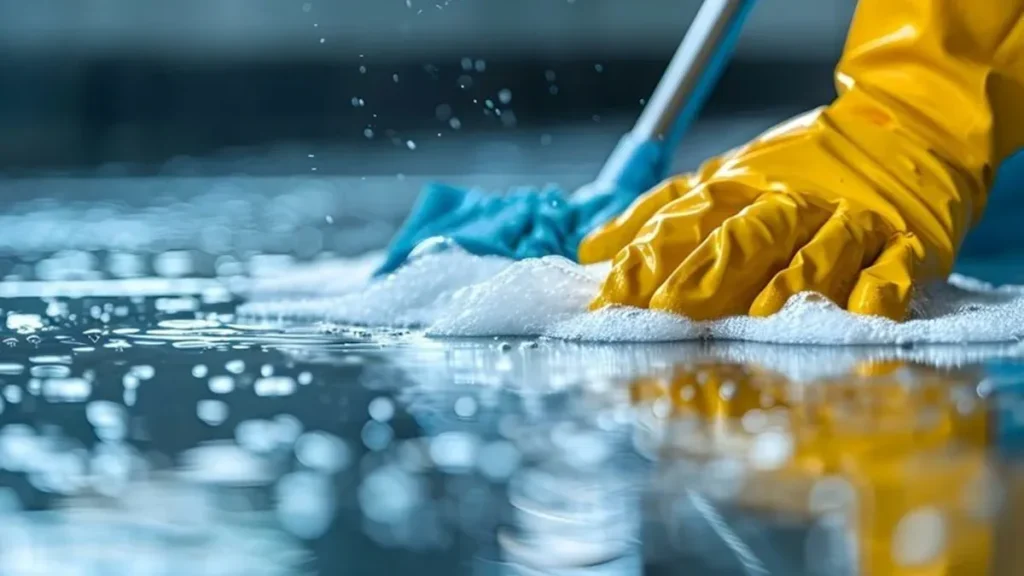
Efflorescence is a white, powdery substance that appears on tile and grout surfaces. This occurs when moisture evaporates, leaving behind mineral deposits. Often, this issue arises from excessive water exposure or poor drainage. Utilizing a tile and grout efflorescence cleaner is crucial to prevent long-term problems such as tile cracks and mold. Ignoring efflorescence can result in significant damage, as trapped moisture can weaken the flooring, potentially leading to costly repairs. By addressing efflorescence promptly with an effective cleaner, you can prevent its recurrence and maintain the integrity of your tile and grout surfaces.
Key Takeaways
Efflorescence looks like a white, powdery stuff on tile and grout. It happens when moisture evaporates. Fix it fast to stop damage.
Use natural cleaners like vinegar, citric acid, or baking soda for light efflorescence. For harder stains, try commercial cleaners made for tile and grout.
Always wear safety gear, like gloves and goggles, when using chemical cleaners. This keeps you safe while cleaning.
Regular care is important. Check for moisture problems and clean efflorescence right away. This helps avoid expensive repairs later.
Good installation and moisture control can stop efflorescence. Use waterproof layers and make sure there is good drainage to protect your surfaces.
Understanding Efflorescence
What is Efflorescence
Efflorescence is when minerals form crystals on tile and grout. This happens when moisture goes through porous materials and carries salts. When the water dries, it leaves a white, powdery layer. This efflorescence can look bad and may show hidden moisture problems.
Causes of Efflorescence
Many things can cause efflorescence on tile and grout. Knowing these causes can help you stop it from happening:
Excess Moisture: Water gets into porous materials and dissolves minerals. These minerals form crystals when the water dries.
Improper Installation: Not sealing, draining, or using waterproof layers can trap moisture below.
Hard Water Use: Cleaning with hard water that has minerals can cause more efflorescence.
Substrate Contamination: Salts in materials below can move through the stone over time, causing efflorescence.
Weather Conditions: Rain, humidity, temperature changes, and snow can add moisture and minerals to surfaces.
Inadequate Drainage: Bad drainage can cause water to build up, raising the chance of efflorescence.
Construction Practices: Rushed projects might miss important steps, making it easier for efflorescence to happen.
By knowing these factors, you can reduce moisture exposure and keep your tile and grout safe from efflorescence.
Tile and Grout Efflorescence Cleaner Methods
Natural Cleaning Solutions
When you need to clean tile and grout efflorescence, natural solutions work well and are good for the environment. Here are some popular choices:
Vinegar: This mild acid helps with light efflorescence. But, vinegar can be too strong for some surfaces, especially masonry. Studies show that vinegar can cause more mortar loss than untreated surfaces. So, use vinegar carefully.
Citric Acid: This natural acid is often better than vinegar for breaking down efflorescence. It dissolves mineral deposits without harming some surfaces like vinegar might.
Baking Soda: This common item can be mixed with water to make a paste. Apply it to the affected areas and scrub gently. Baking soda is safe and non-toxic for most surfaces.
OMNI Efflorescence Remover: This product has surfactants and buffered acids. It dissolves efflorescence on grout without hurting non-acid sensitive tiles.
OMNI Elite Cleaner: This cleaner has surfactants and tiny scrubbing particles. It cleans deeply without acids, making it safe for acid-sensitive tiles.
Commercial Cleaners
If natural solutions do not work well, try using commercial cleaners made for tile and grout efflorescence. One great option is the BANDě Stone Surface Cleaning Agent. This eco-friendly cleaner removes efflorescence and dirt from many surfaces, like ceramic tiles and natural stone.
The BANDě Stone Surface Cleaning Agent goes into the surface and breaks down tough dirt. It rinses off easily and does not harm the base surface or grout. When using this cleaner, follow these steps:
Surface Cleaning: Spray the cleaner on the area.
Scrubbing: Use a soft brush to scrub gently.
Rinsing: Rinse well with clean water to get rid of any leftover cleaner.
Using commercial cleaners like BANDě can save you time and effort while cleaning tile and grout efflorescence effectively.
By picking the right cleaning method, you can keep your tile and grout looking good. Whether you choose natural solutions or commercial cleaners, dealing with efflorescence quickly will help avoid more damage.
Step-by-Step Process to Remove Efflorescence
Preparing the Area
Before you start removing efflorescence, do some important prep work. These steps will help you get the best results and keep your area safe. Here’s what to do:
Inspect the Area: Check for any moisture problems. Fixing these issues can help stop future efflorescence.
Gather Your Tools: You will need these items:
Garden Hose: Good for rinsing efflorescence off smooth surfaces.
Stiff Brush: Important for scrubbing away efflorescence, especially in small spaces.
Efflorescence Cleaner: Pick a special cleaner or diluted vinegar for tough stains.
Protective Gear: Wear gloves and safety glasses to stay safe when using chemical cleaners.
Tip: Keep presprays on dark grout for a short time to avoid efflorescence. Use a rotary extraction tool to rinse, then do a dry pass. Quickly place air movers on cleaned tile to dry the grout surface fast.
Cleaning Small Areas
To remove efflorescence from small tile and grout areas, follow these easy steps:
Prepare a Cleaning Solution: Mix equal parts of white vinegar and water. This mix works well to break down efflorescence.
Apply the Solution: Use a sponge or cloth to put the solution on the affected area. Let it sit for a few minutes to soak into the efflorescence.
Scrub the Area: Use a stiff brush to gently scrub the area. Pay attention to crevices where efflorescence builds up.
Rinse Thoroughly: Rinse the area with clean water using a garden hose or a bucket. Make sure all cleaning solution is washed away.
Note: Don’t use rough tools, as they can scratch and harm the surface.
Cleaning Large Areas
Cleaning bigger areas with efflorescence needs a more organized method. Here’s how to do it well:
Gather Equipment: You will need:
Safety glasses
Non-metal bucket for acid
5-gallon plastic wash-down bucket
Nylon-bristle scrub brush or toothbrush
New sponges
Prepare the Area: Wet the area with clean water before using any cleaning solution. This step helps protect the grout.
Choose Your Cleaner: For large areas, think about using a haze remover or a cleaning acid mix. Special cleaners can also work well.
Apply the Cleaner: Use a spray bottle or mop to spread the cleaner evenly on the surface. Work in small sections (2-3 sq. ft.) to manage the cleaning better.
Scrub the Surface: Use a nylon-bristle scrub brush to work the cleaner into the surface. This helps lift the efflorescence away.
Rinse and Extract: Rinse the area well with clean water. Using a shop vac can give the best results for cleaning grout joints.
Caution: Always wear safety gear when using acids and strong cleaners.
By following these steps, you can effectively remove efflorescence from both small and large areas. Regular care will help keep your tile and grout looking great.
Safety Precautions
Personal Protective Equipment
When you clean tile and grout efflorescence, your safety is very important. Wearing the right personal protective equipment (PPE) can help you avoid injuries and health problems. Here are some important items to wear:
Full-Coverage Safety Goggles: These keep your eyes safe from splashes.
Heavy-Duty, Acid-Resistant Gloves: Use thick nitrile or rubber gloves to stop chemical burns.
Respirator with Acid Vapor Cartridges: This keeps your lungs safe from harmful fumes.
Full Skin Coverage: Wear long sleeves, long pants, and closed-toe shoes to protect your skin.
Chemical Safety
Using cleaning products for efflorescence can be risky. Many commercial cleaners have mild acids or special chemicals. You need to follow safety steps to stay safe. Ignoring these precautions can hurt both you and the materials. Here are some important safety tips:
Always wear protective gear like gloves, goggles, and a mask.
Make sure the area has good airflow to avoid breathing in fumes.
Follow the instructions from the cleaner’s manufacturer.
Be careful with common cleaning agents. For example, sulfamic acid can cause burns and breathing problems. Muriatic acid can damage tiles and hurt aquatic life. Always use these chemicals in places with good ventilation and keep them away from metal fixtures.
Important: Never pour muriatic acid down a storm drain, sink, or toilet. It can seriously damage pipes and upset septic systems.
By following these safety precautions, you can keep yourself safe while cleaning tile and grout efflorescence. Remember, your safety is the most important thing!
Keeping your tile and grout clean is very important to stop efflorescence. Here are some easy steps you can follow:
Make sure to install everything correctly, including waterproof layers.
Avoid high humidity when installing grout.
Control how much water you use to stop extra moisture.
If you ignore these steps, it can cost a lot to fix problems later. Small maintenance tasks are cheaper than big repairs. Also, neglecting care can lower your property value and create safety risks. Pick the best cleaning method for you, and keep up with taking care of your tile and grout.
FAQ
What is the best way to prevent efflorescence on tile and grout?
To stop efflorescence, make sure to install everything correctly. Use waterproof layers and sealants. Keep moisture levels in check and ensure good drainage. Check for leaks often and fix them quickly.
How often should I clean efflorescence from my tile and grout?
You should clean efflorescence right when you see it. Regular cleaning every few months can help stop buildup and keep your surfaces looking nice.
Can I use bleach to clean efflorescence?
Do not use bleach on efflorescence. Bleach can harm grout and tiles. Instead, choose natural solutions or cleaners made for removing efflorescence.
Is efflorescence harmful to my health?
Efflorescence itself is not dangerous. But it can show moisture problems that might lead to mold. Fixing moisture issues is important for a healthy space.
How can I tell if my efflorescence is severe?
If efflorescence covers big areas or comes back fast after cleaning, it might mean a serious moisture problem. Think about getting a professional to check and fix the issue.
See Also
Top 7 Tile Cleaning Solutions for All Surfaces in 2025
Transforming Dull Concrete Floors Into Stunning Polished Surfaces
Top 10 Green Stone Cleaners for a Shining Home in 2025
