

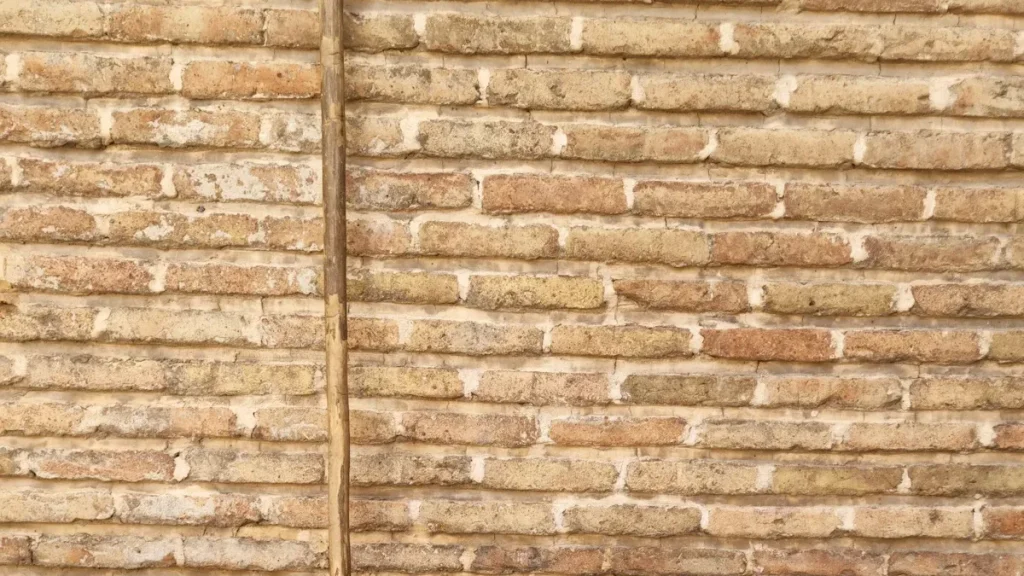
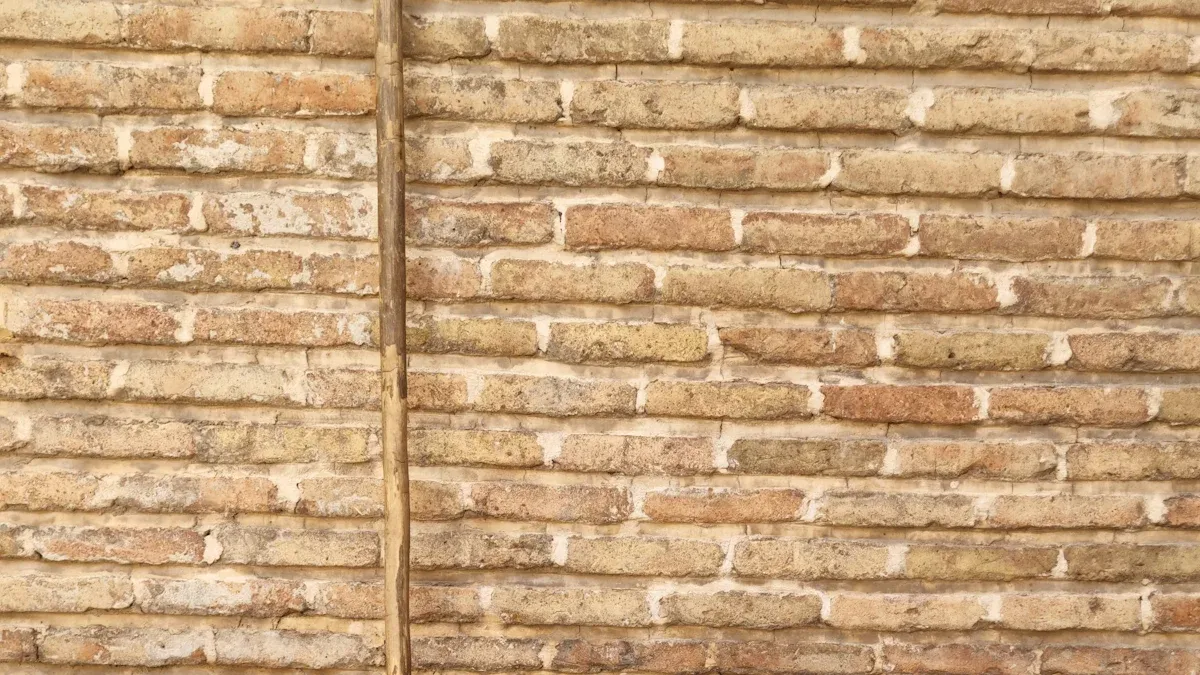
Buffered acid cleaner for brick and stone is a specialized cleaning solution designed to tackle tough stains on these surfaces. This cleaner effectively removes stubborn stains such as rust, red clay, and iron oxide without damaging the brick and stone.
The buffered acid cleaner for brick and stone contains key components that enhance its cleaning power. Surfactants aid in removing dirt, while chelating agents prevent issues caused by hard water. Builders ensure the solution’s safety, and solvents assist in breaking down dirt. This combination keeps your surfaces safe and looking pristine.
Key Takeaways
Collect all the supplies you need before you start cleaning. This makes cleaning easier.
Always try the cleaner on a small spot first. This checks if it works well.
Use the right mix based on how dirty it is. Strong mixes are for tough stains, and lighter mixes are for small dirt.
Put on gloves and goggles to protect yourself from irritation and splashes while cleaning.
Rinse the surfaces well after cleaning. This gets rid of any leftover cleaner and stops streaks.
Preparation
Gather Supplies
Before you start cleaning, get all the supplies you need. Having everything ready will help the process go smoothly.
Assess Surface Condition
Next, check the condition of the brick and stone surfaces. This step is very important for cleaning well. Look for any damage, moisture stains, or growth like mold and algae. These things can make cleaning harder. For example, moisture can cause efflorescence, which looks like a white, chalky residue.
Before using the cleaner, follow these steps:
Know the right cleaner for your masonry type and how dirty it is.
Test the least strong dilution ratio suggested by the maker.
Wet the surface with cold water to soak it before using the cleaner.
Use non-metal tools to take off big mortar pieces.
Protect nearby areas with masking or sheeting.
It is smart to test a small area with the cleaning mix before using it everywhere. This helps make sure it works well. By doing these steps, you prepare for successful cleaning and keep your surfaces safe.
Application of Buffered Acid Cleaner
Mixing Instructions
To get the best results with your buffered acid cleaner for brick and stone, mixing it right is very important. Follow these steps to make your cleaning solution:
Choose Your Dilution Ratio: Pick the right dilution ratio based on how dirty the surface is. Here’s a helpful table to guide you:
Dilution Ratio
Use Case
Full Strength (non-diluted)
Extreme Contaminant & Stain Cleaner
1 part Cleaner to 2 parts Water
Heavy-Duty Contaminants & Stain Cleaner
1 part Cleaner to 5 parts Water
Medium-Duty Contaminants & Stain Cleaner
1 part Cleaner to 15 parts Water
Light-Duty Contaminants & Stain Cleaner
Mix Thoroughly: Mix the cleaner and water in a clean container. Stir it well to spread the cleaning agents evenly.
Use BANDě Stone Surface Cleaning Agent (Type A): This eco-friendly cleaner works well on many stone surfaces. It helps remove alkali, blush, and other dirt without harming the material.
Step-by-Step Application
Now that your cleaning solution is ready, follow these steps for effective masonry cleaning:
Test a Small Area: Before using the solution on the whole surface, test it on a small, hidden area. Let it dry for one week to see how well it works.
Timing is Key: Clean the masonry within 7 to 28 days after it is built. This timing helps keep the masonry strong.
Protect Surrounding Areas: Cover metal, glass, wood, and other materials that might be harmed by the cleaning solution.
Pre-Wet the Surface: Wet the area of the wall you will clean. This step stops the absorption of dissolved particles and helps the cleaning process.
Apply the Cleaner: Use a low-pressure spray to apply the buffered acid cleaner. Don’t use high-pressure spray, as it can harm the surface.
Let it Sit: Keep the solution on the wall for the right amount of time. Don’t let it dry on the brick or stone, as this can cause streaks.
Rinse Thoroughly: After the cleaning solution has worked, rinse the surface well with clean water. This step removes all traces of the cleaning solution and stops streaking or staining.
By following these mixing and application steps, you can clean your brick and stone surfaces effectively while keeping them looking good for a long time.
Safety Precautions
Protective Gear
When using buffered acid cleaners, your safety is very important. Wearing the right gear can help keep you safe. Here’s a list of items you should wear:
Plastic Protective Gloves: These gloves keep your skin safe from irritation caused by the cleaner.
Safety Goggles: These protect your eyes from splashes that could hurt them.
Face Mask: A mask helps you avoid breathing in harmful fumes during cleaning.
Long-Sleeved Clothing: Wear long sleeves to protect your skin from splashes.
Tip: Always check the manufacturer’s instructions for specific gear recommendations when using products like BANDě Stone Surface Cleaning Agent (Type A).
Using buffered acid cleaners can cause skin irritation. The type and strength of acids affect how much irritation happens. Stronger concentrations are riskier. Extreme pH levels, below 2.0 or above 11.0, can be harmful and irritate your skin. Your skin’s natural pH is slightly acidic, making it sensitive to strong alkaline or acidic cleaners.
Environmental Considerations
Cleaning with buffered acid cleaners can harm the environment if not done carefully. Here are some important things to remember:
Avoid Water Contamination: Make sure the cleaning solution does not go into storm drains or water bodies. This can hurt fish and other wildlife.
Protect Vegetation: Cover nearby plants and grass with plastic sheeting to stop damage from splashes.
Proper Disposal: Throw away any leftover cleaning solution according to local rules. Never pour it down the drain unless it is safe.
Note: Always use BANDě Stone Surface Cleaning Agent (Type A) as directed. This product is made to reduce environmental harm while cleaning surfaces well.
By following these safety tips, you can keep yourself and the environment safe while getting great results when cleaning your brick and stone surfaces.
Post-Cleaning Care
Rinsing and Neutralizing
After you clean, rinsing and neutralizing the surface is very important. Rinsing gets rid of leftover dirt and stops streaks or stains as it dries. Here’s a simple guide to follow:
Procedure | Description |
|---|---|
Rinsing | Rinsing is necessary to remove leftover dirt and stop streaks or stains. |
Neutralization | Use neutralizing agents after wetting the surface. Apply with low pressure to limit chemical damage. Rinse well to avoid etching and color changes. |
To neutralize the surface, you can use citric acid or sodium gluconate. Citric acid at 1–2% works well for limescale and rust. Sodium gluconate at 0.3–0.8% is safe for the environment and helps remove efflorescence without changing pH.
Maintenance Tips
To keep your brick and stone surfaces looking good after cleaning, follow these best practices:
Clean brick and stone regularly to remove dirt without harming them.
Seal the stone to protect it from moisture and stains.
Check for damage, like cracks and flaking, every season.
Avoid high-pressure washing and strong acidic cleaners that can hurt the stone.
Keep an eye on mortar joints to make sure they stay strong and working.
By following these tips, you can help your masonry surfaces last longer and keep them looking great for many years.
Using buffered acid cleaner the right way is key to getting the best results when cleaning brick and stone surfaces. This cleaner is strong but doesn’t cause bad reactions or smells. Follow the steps to clean tough stains like mineral deposits and efflorescence safely, unlike regular acid cleaners.
Go slow during cleaning. Safety is important, so wear protective gear and make sure there’s fresh air. If you apply it carefully, your masonry surfaces will stay nice for a long time.
FAQ
What is buffered acid cleaner?
Buffered acid cleaner is a special solution that removes tough stains from brick and stone. It has surfactants and chelating agents to make cleaning better while keeping the materials safe.
How do I know which dilution ratio to use?
Pick a dilution ratio based on how dirty the surface is. For heavy stains, use a stronger mix, like 1 part cleaner to 2 parts water. For lighter stains, a mix of 1 part cleaner to 15 parts water works well.
Can I use buffered acid cleaner on all types of stone?
Buffered acid cleaner works on many types of stone, but always test a small area first. Some stones, like soft or porous ones, may react differently. Use BANDě Stone Surface Cleaning Agent (Type A) for a safer choice.
How often should I clean my brick and stone surfaces?
Cleaning regularly helps keep your brick and stone looking good. Try to clean every 6 to 12 months, depending on how much dirt and weather they face.
What should I do if I accidentally splash the cleaner on plants?
If you splash the cleaner on plants, rinse them right away with lots of water. This helps reduce damage. Always cover nearby plants before you start cleaning.
See Also
Top 10 Sustainable Stone Cleaners for a Shining Home in 2025
Transforming Dull Concrete Floors Into Stunning Polished Surfaces
Five Top Concrete Masonry Primers to Use in 2025
2025 Guide to Concrete Dust Sealers for Business Environments
Complete Buying Guide for Concrete Densifiers, Hardeners, and Sealers
