

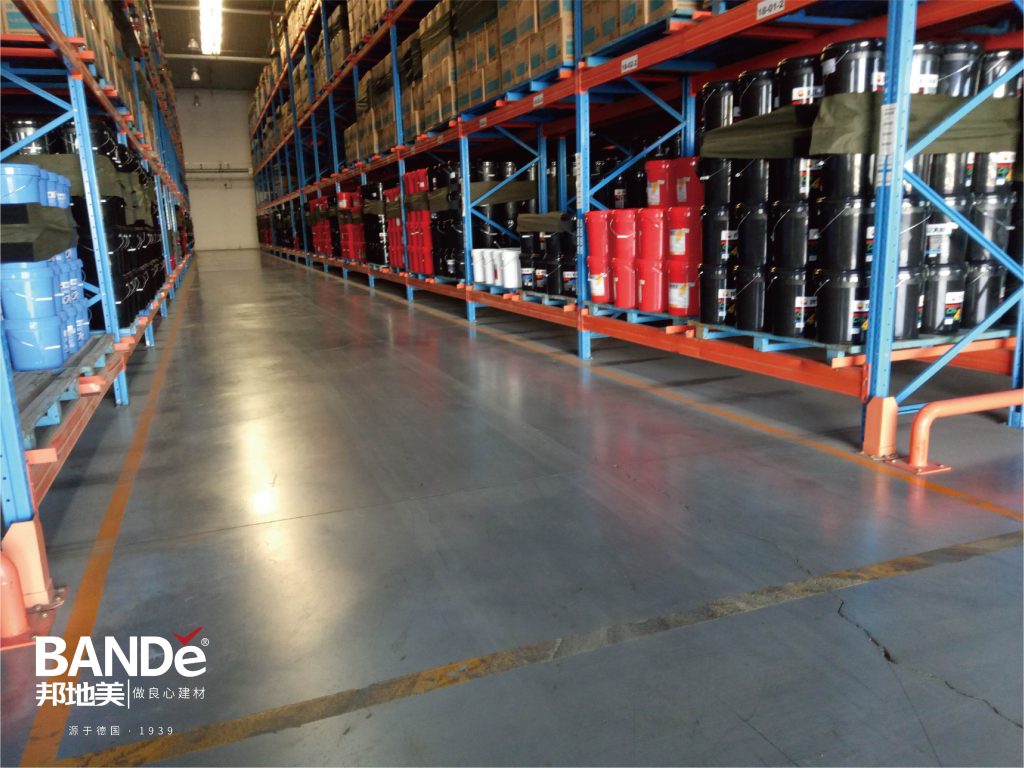
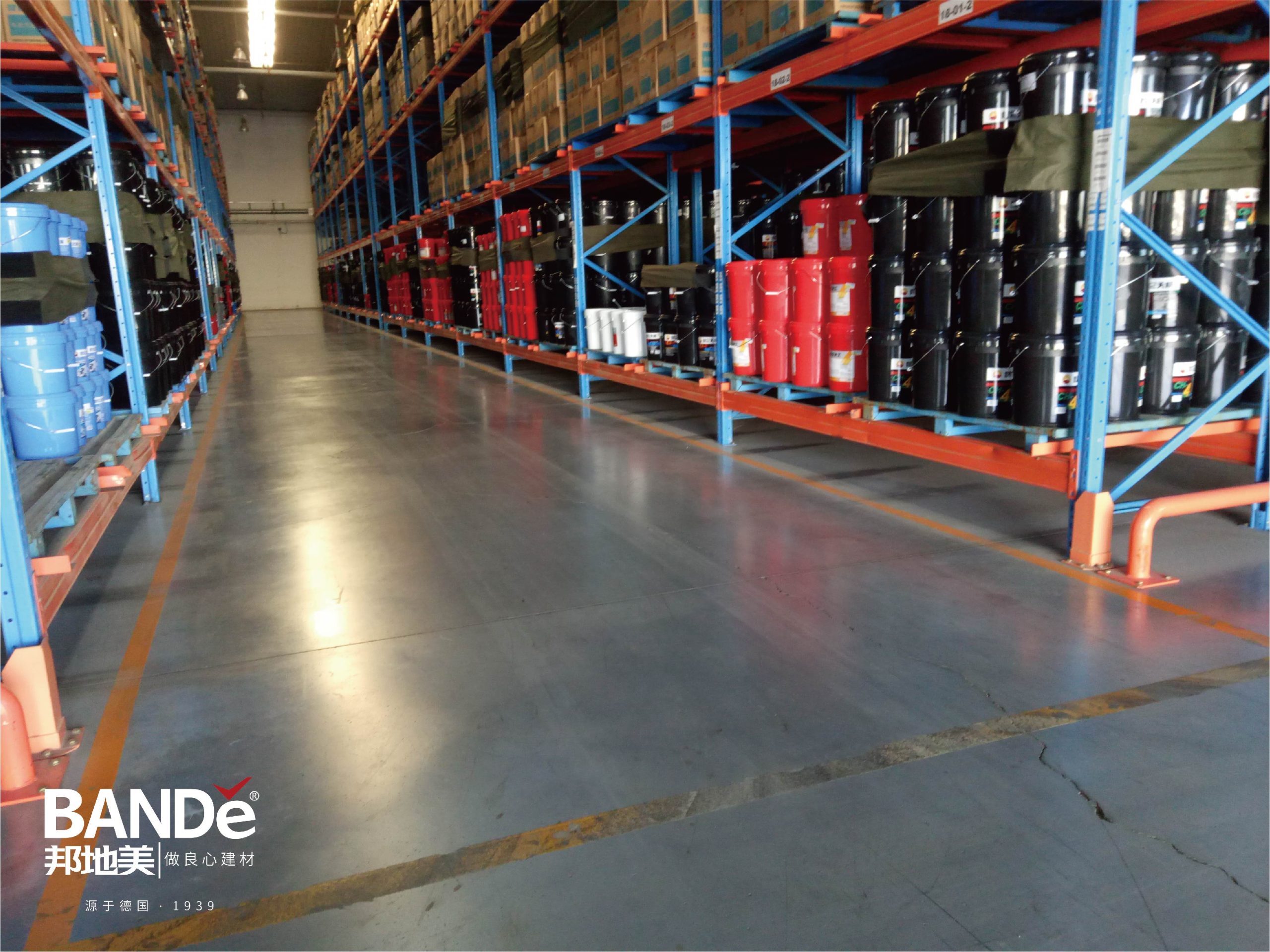
Dust control in warehouses is crucial for safety and work efficiency, particularly when it comes to Warehouse Floor Dust Control. When dust accumulates, it can lead to health issues for workers, such as breathing difficulties and discomfort. Additionally, dust can interfere with machinery and damage stored items.
Effective dust management not only improves air quality but also enhances productivity. Research indicates that cleaner environments result in fewer health problems and reduced costs. Here’s a brief overview of how Warehouse Floor Dust Control benefits warehouse operations:
Impact Area | Description |
|---|---|
Worker Health | Cleaner air allows teams to breathe easier, minimizing irritation and health complaints. |
Equipment Maintenance | Effective dust control reduces the need for repairs, leading to less downtime. |
Inventory Protection | Safeguards products from dust, decreasing returns and losses. |
Compliance | Assists in meeting health and safety regulations, ensuring a safer workplace. |
Operational Costs | Lowers expenses by requiring less cleaning and rework time. |
Implementing robust Warehouse Floor Dust Control creates a healthier and more productive warehouse environment.
Key Takeaways
Dust control helps workers breathe better.
Good dust management cuts down repair costs for machines.
Clean spaces keep inventory safe from dust harm.
Water misting systems are a cheap way to control dust.
Cleaning often and training workers improve dust management.
Importance of Dust Control
Health Risks
Dust in warehouses can harm workers’ health. Being around dust for a long time can cause breathing problems. Common signs are coughing, tight chest, trouble breathing, and shortness of breath. The table below shows how often these symptoms happen to workers exposed to dust:
Symptom | Percentage (%) |
|---|---|
Cough | |
Chest Tightness | 19.3 |
Breathlessness | 19.8 |
Dyspnea | 15.5 |
In bad cases, being around dust too long can cause lung disease like pneumoconiosis. This serious illness comes from breathing in lots of certain dust over time. Signs include a constant cough, hard time breathing, and feeling tired. It’s important to know these health dangers and do something to lessen them.
Groups like OSHA have strict rules on dust levels in the air to keep workers safe. For example, dust levels over 0.050 mg/m³ are risky. Keeping dust below this level is key for a safe workplace.
Impact on Operations
Dust buildup affects health and messes up warehouse work. It can cause machines to break and cost more to fix. Here’s how dust affects different parts of warehouse work:
Impact Type | Description |
|---|---|
Component Wear and Tear | Dust wears down moving parts faster, causing them to break early. |
Overheating Issues | Dust blocks airflow, making machines overheat and possibly break. |
Electrical Malfunctions | Dust can cause short circuits and mess with signals in electrical parts. |
Reduced Efficiency | Even a little dust can make machines work less well. |
Contamination Risks | Dust can bring in dirt, hurting product quality in sensitive areas. |
You should focus on dust control to make work run better. Good dust management can cut down on downtime and repair costs. Also, rules require you to follow these steps to meet environmental standards. By dealing with dust control early, you keep workers safe and boost productivity.
Warehouse Floor Dust Control Strategies
Water Misting Systems
Water misting systems are a great way to control dust in warehouses. These systems spray tiny water droplets into the air. The droplets catch dust particles and pull them down to the ground. This method greatly lowers the amount of dust in the air, making it better for workers.
Here’s how well water misting systems work:
Metric | Before | After | Improvement |
|---|---|---|---|
Ambient particulate levels | 0.8 mg/m³ | Big drop | |
Overhead dust accumulation | N/A | N/A | 94% drop |
Sorting equipment downtime | N/A | N/A | 87% drop |
Air quality index in picking zones | Moderate | Good | Better per EPA rules |
Fogging Techniques
Fogging techniques are another good way to control dust. These systems make very tiny water droplets that are the same size as dust particles. This helps the droplets hit the dust, causing it to clump together and greatly lower the amount of dust in the air.
Fog cannons turn water into droplets that are 10 to 120 microns, matching dust sizes.
This process helps capture dust particles, leading to big drops in airborne dust.
Fog systems add little moisture to materials, which is important for industries that can’t have too much water.
When using fogging techniques, operators should wear protective gear like gloves, masks, and goggles. Good ventilation is needed to safely spread the mist and avoid breathing it in.
Concrete Dust Sealers
Using concrete dust sealers is a smart way to control dust from warehouse floors. The BANDe Concrete Dust Sealer is very effective. It goes deep into concrete surfaces. It starts a reaction that makes a strong, wear-resistant structure. This process greatly cuts down on dust and makes your concrete floors last longer.
Sealer Type | Key Features | Best Use Cases |
|---|---|---|
Epoxy Sealers | Shiny, strong coating; resists oil, solvents, acids; tough barrier. | Warehouses, labs, industrial areas. |
Polyaspartic Sealers | Quick recoat, UV stable, can be used in cold weather. | Retail spaces, loading areas, public walkways. |
Silicate Sealers | Strengthens surface, improves wear resistance, cuts down on dust. | Warehouse floors, big-box retail spaces, polished floors. |
Using the BANDe Concrete Dust Sealer can help keep your environment cleaner and cut down on cleaning time.
Air Filtration Systems
Air filtration systems are very important for keeping air quality in warehouses good. These systems catch dust particles and stop them from floating in the air. Regular maintenance is key for these systems to work well.
Key Point | Description |
|---|---|
Replacement Timing | Change filters before they get too clogged to work well. |
Monitoring | Check pressure drops and system performance to know when to change filters. |
Standardization | Setting rules for when to replace filters helps keep things consistent. |
To keep things running well, use a pressure gauge to check pressure drop. If the pressure drop doubles, it’s time to change the filter.
Using these dust control methods together can create a cleaner and safer warehouse. Set up a regular sweeping schedule, pick the right tools, and combine different solutions for the best results.
Maintenance and Best Practices
Cleaning Protocols
Cleaning often is very important for keeping dust down in warehouses. You should have a cleaning plan to reduce dust buildup. Here are some good practices:
Daily Sweeping for High-Traffic Zones: Clean busy spots like loading docks and main aisles every day.
Weekly & Monthly Deep Sweeps: Do thorough cleanings in hard-to-reach places to get rid of stubborn dust.
Using special tools can make your cleaning better. Think about these options:
Ride-on Floor Scrubber Dryers: These machines clean and dry floors fast, removing fine dust well.
Floor Sweepers: They collect fine dust and debris with a roller brush and filter system.
Regular checks and cleaning of your dust control systems are very important. This helps stop dangerous dust from building up and keeps you safe with regulations.
Employee Training
Training your workers is key for good dust management. A solid training program should include several important parts:
Key Component | Description |
|---|---|
Workers should learn about types of dust that can catch fire and how they act. | |
Safe handling practices | Employees need training on how to create less dust while working. |
Emergency procedures | Workers must know what to do in case of dust-related emergencies. |
Using BANDe products, like the Concrete Dust Sealer, in your training can help everyone understand good dust control methods. Teaching staff about these products builds a culture of safety and responsibility.
Having regular training sessions can help everyone follow dust management rules better. When workers see how important dust control is, they will want to help keep the workplace clean and safe.
Using good dust control methods in your warehouse is very important. It helps keep the place safe and running well. You can get great benefits by using things like water misting systems, fogging techniques, concrete dust sealers, and air filters.
Think about these long-term benefits:
Better air quality means less irritation and fewer health issues.
Good dust control leads to fewer sick days and better health.
It protects products and machines, which cuts down on waste.
Cleaner machines work better and last longer.
Safer workplaces mean fewer accidents and lower insurance costs.
By focusing on dust control, you make a healthier workplace that improves productivity and happiness. Remember, a clean warehouse not only protects your workers but also makes your operations run better.
FAQ
How can dust control curtains help in a warehouse?
Dust control curtains are barriers that stop dust from coming in. They keep dust particles in one area and lower dust buildup. You can use them to divide spaces and make ventilation systems work better.
Why is ventilation important for dust control?
Ventilation helps get rid of dust in the air and keeps the workplace safe. A good ventilation system lowers dust levels and makes the air cleaner. You should make sure there is enough airflow to improve dust control.
What role do ventilation control systems play?
Ventilation control systems manage airflow to help remove dust. They keep air quality steady and stop dust from building up. You should check these systems often to make sure they work well.
How do dust control curtains improve air quality?
Dust control curtains limit how far dust particles can spread. They work with ventilation systems to make the air cleaner. You can use them to create areas that reduce dust exposure.
Can dust control curtains be used with other methods?
Yes, dust control curtains work well with other methods like ventilation and filtration. They help stop more dust from coming in and improve dust management. You should add them to your dust control plan for better results.
See Also
Selecting The Ideal Concrete Densifier For Your Warehouse Floor
Top Floor Hardening Options For UK Industrial Warehouses
Optimal Floor Hardening Solutions For Warehouses In Philippines
