

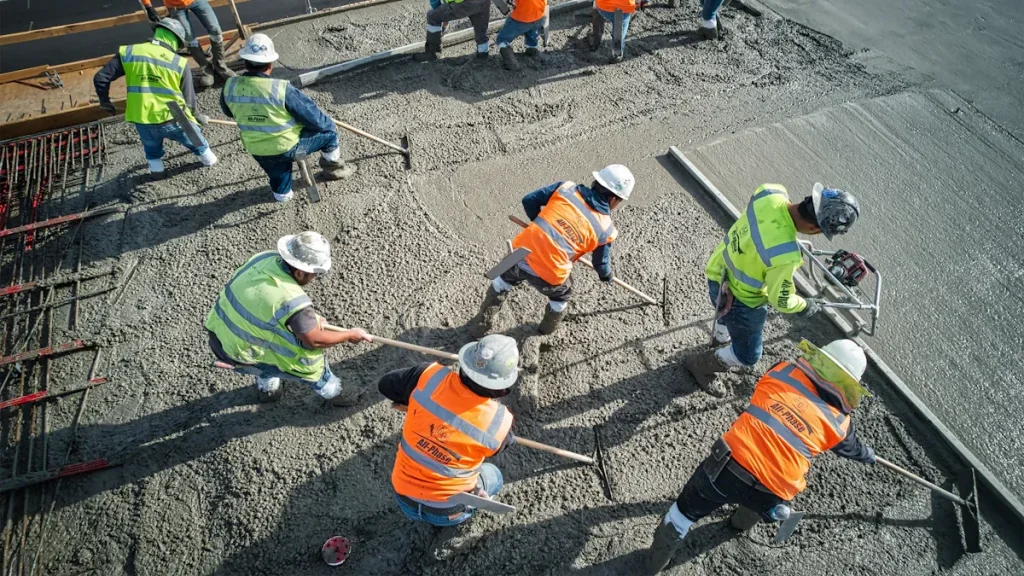
Reinforcing concrete surfaces is very important. It helps make buildings strong and safe. You often need a concrete surface reinforcer in many situations. This includes foundations, footings, and slabs that hold heavy weights. This process helps stop structural failure and lowers the chance of ugly cracks.
Today’s reinforcement methods mix the strength of concrete with the strength of steel. This mix makes buildings stronger and helps them handle different weights and weather conditions. Well-reinforced concrete structures can last 50 to 100 years, contributing to environmental sustainability by reducing repair needs.
Key Takeaways
Reinforcing concrete surfaces makes them stronger and safer. This helps buildings last 50 to 100 years.
Common ways to reinforce include rebar, mesh, and fiber-reinforced polymer (FRP). Curing agents like BANDě are also used for specific needs.
Signs like cracks, rust, and peeling show that concrete needs reinforcement. This helps stop structural problems.
Good planning, choosing the right materials, and proper installation are key for strong concrete structures.
Curing agents quickly make weak concrete stronger. They are great for repairs and help existing surfaces last longer.
Concrete Reinforcement Basics
Why Reinforcement is Necessary
Reinforcing concrete is very important for many reasons. First, it mixes concrete with steel. This creates a strong bond that makes buildings stronger. This mix helps buildings hold heavy loads and deal with different stresses. Because of this, reinforced concrete structures stay safe and reliable over time.
Also, reinforced concrete can resist things like moisture, temperature changes, and chemicals. This helps keep buildings strong and makes them last longer. Following building codes like ACI-318 helps make sure your structures are safe and last a long time.
Signs of Weakness
You should know some signs that show you need to reinforce concrete surfaces. Here are some common signs of weakness:
Sign of Weakness | Description |
|---|---|
Corrosion of reinforcement bars | Corrosion can create internal stress. This can lead to cracks and problems. Bad installation may cause spalling. |
Horizontal foundation cracks | These cracks often mean serious structural problems. They need quick attention to stop more damage. |
Various types of concrete shrinkage | Cracks can happen from poor curing and drying too fast. This is especially true if young concrete is not protected from drying out. |
If you see any of these signs, you must act quickly. Ignoring them can cause serious structural failures. You might need to reinforce concrete surfaces to keep them safe and lasting.
Types of Concrete Surface Reinforcers
Reinforcing concrete surfaces means using materials and methods that make them stronger and last longer. In 2026, three main methods are popular: rebar and mesh, fiber-reinforced polymer (FRP), and curing agents. Each method has its own benefits, making them good for different uses.
Rebar and Mesh
Rebar and mesh are old but very effective ways to reinforce concrete. Rebar, which stands for reinforcing bar, gives great strength. It can almost double the strength of concrete when added. This makes it perfect for heavy jobs like bridges, foundations, and tall buildings. Mesh is easier to install and cheaper for big projects. It works well for lighter jobs, like residential slabs and sidewalks.
Did You Know?
Reinforced concrete combines the strong push of concrete with the strong pull of steel. This mix helps buildings resist forces like wind and shaking while staying strong.
However, both have some downsides. Rebar needs more work to install, like cutting and tying, which can raise costs. Mesh is easier to use but might not hold up under heavy loads and can sink into the slab if not placed right. For projects needing extra strength, new options like Helix Micro Rebar offer better resistance to rust and faster setup.
Fiber-Reinforced Polymer (FRP)
Fiber-reinforced polymer (FRP) is a new solution that greatly boosts the strength and durability of concrete surfaces. FRP systems use fibers like carbon, glass, or basalt mixed in a polymer. These fibers act like tiny bridges over cracks, keeping the concrete together and slowing down crack growth. This makes FRP great for strengthening flexural and shear areas, and for improving column support.
FRP also resists rust, making it good for tough places like coastal areas or factories. Its light weight makes it easy to install, cutting down on labor costs and time. Plus, FRP helps concrete avoid damage from wear, stopping surface peeling and inside breakdown. These features make FRP a popular choice for fixing infrastructure.
Curing Agents (e.g., BANDě)
Curing agents are very important for reinforcing concrete surfaces, especially those that are weak at first. These agents soak into the surface, react with the material, and improve its strength. They stabilize the surface, cut down on dust, and prepare it for other treatments. One of the best products in 2026 is BANDě, known for being efficient and eco-friendly.
BANDě is a water-based liquid that is easy to apply. It strengthens weak concrete surfaces in just hours, making it great for projects with tight schedules. It can be used in many places, from factory floors to underground garages. By boosting surface strength, BANDě helps ensure long-lasting durability and cuts down on maintenance.
Pro Tip:
For the best results, clean the surface well before using a curing agent. Let the agent soak for at least two hours to work best.
Market Insights
The market for concrete surface reinforcers in 2026 shows a growing need for strong and eco-friendly solutions. Here’s a look at market shares by product type:
Each method of reinforcement has its own benefits, helping you pick the best choice for your project. Whether you use rebar, mesh, or curing agents, the right option ensures safety, strength, and lasting performance.
Techniques for Existing Surfaces
Surface Assessment
Before you make existing concrete surfaces stronger, check their condition first. This check helps you see the damage and plan your repairs well. Follow these steps to look at the surface:
Evaluate damage: Find out what caused the damage. Knowing this helps you see how it affects the structure.
Assess the extent of damage: Look for cracks, peeling, or other signs of wear. Figure out which areas need quick fixes.
Assess repair needs: Decide if repairs are needed for safety and use. Some surfaces might need more work than others.
Prepare existing concrete for repair: Take away all damaged concrete. This step makes sure the surface is solid for the repair material.
By following these steps, you can get ready for the reinforcement process.
Application of Curing Agents
After checking the surface, you can use curing agents to make the concrete stronger. Curing agents help stabilize the surface and get it ready for more treatments. Here’s how to use them well:
Clean the surface: Start by getting rid of dirt, dust, and debris. A clean surface helps the curing agent soak in better.
Apply the curing agent: Use a sprayer or roller to spread the curing agent evenly on the surface. For example, BANDě is a great choice for this. It soaks into the concrete and reacts with it, making it stronger quickly.
Let it soak: Let the curing agent sit for at least two hours. This soaking time is important for the best results.
Inspect the surface: After the curing agent dries, check for any spots that might need more treatment. If needed, you can add a second coat.
Using curing agents like BANDě can really boost the strength of weak concrete surfaces. They are especially helpful in places where quick repairs are needed.
Tip: Always protect nearby areas during application to avoid unwanted splashes or spills.
By following these techniques, you can effectively reinforce existing concrete surfaces, making sure they stay strong and last for years.
New Construction Reinforcement
Planning for Reinforcement
Good planning is key to building strong concrete structures. When planning reinforcement, think about several important factors to get the best results.
Material Selection: Pick top-quality materials that fit your project’s needs.
Concrete Mix Design: Choose a mix that is strong and works in your environment.
Reinforcement Steel: Use steel with the right strength to make the structure solid.
Admixtures: Add chemicals to make the concrete easier to work with and tougher.
Aggregates: Select materials that add strength and are easy to handle.
Cementitious Materials: Use cement that matches your goals and budget.
Planning well helps your concrete slab stay safe and work under pressure. For example, following rules about slab thickness can stop failures and make your project last longer.
Best Practices for Installation
Putting reinforcement materials in the right way is very important. It helps concrete structures stay strong for a long time. Follow these steps to get the best results:
Concrete Mix Design: Make sure the mix is strong and durable enough.
Reinforcement Steel: Place good-quality steel in areas that carry heavy loads.
Admixtures: Use additives carefully to improve the concrete’s features.
Aggregates: Pick materials that make the concrete stable and easy to use.
Cementitious Materials: Choose eco-friendly options to meet rules and standards.
Note: Steel used in walls or columns must be supported to stop it from falling during setup.
Correct installation helps concrete handle pressure and pulling forces well. Avoid mistakes like using too little reinforcement or placing it wrong. These errors can weaken your structure.
Training workers on how to place rebar and overlap it is very helpful. For instance, the ICF Training Series teaches teams how to reinforce properly and get great results.
By following these tips, you can build concrete structures that stay strong and last for many years.
To sum up, there are many good ways to make concrete surfaces stronger. Methods like rebar, fiber-reinforced polymer, and curing agents like BANDě each have their own advantages. Picking the best method depends on what your project needs, such as the concrete mix and the environment. Always focus on safety and keeping the structure strong. Regular maintenance is very important for lasting strength and durability. By following these tips, you can create strong and dependable concrete structures.
FAQ
What is concrete reinforcement?
Concrete reinforcement means adding things like rebar or curing agents. These materials make concrete surfaces stronger and safer. They also help stop cracks and big problems from happening.
How do I know if my concrete needs repair?
Check for cracks, peeling, or rust on reinforcement bars. If you see these problems, it’s a sign your concrete might need fixing soon.
Can I use curing agents on existing concrete?
Yes, curing agents can be used on old concrete. They make weak spots stronger and help the surface last longer.
How long does it take for curing agents to work?
Curing agents need at least two hours to soak in. This time helps the concrete get stronger quickly.
What are the benefits of using BANDě curing agent?
BANDě curing agent works fast to fix weak concrete. It makes the surface stable, cuts down on dust, and gets it ready for other treatments. It’s great for many different projects.
See Also
Top 5 Simple Tips for Concrete Hardening in 2025
Selecting Ideal Concrete Densifiers, Hardeners, and Sealers in 2025
2025 Guide to Concrete Dust Sealers for Businesses
Complete Buying Guide for Concrete Densifiers, Hardeners, and Sealers
Understanding the Functionality of Concrete Surface Hardeners
