


Choosing the right flooring is crucial for ensuring durability and ease of maintenance. In high-traffic areas, abrasion resistant flooring in the UK offers significant advantages, such as enhanced longevity and reduced wear. Consider your lifestyle: Do you have children or pets? How often do you entertain guests? Assessing these factors will guide your flooring decisions.
Key Takeaways
Choose flooring based on your lifestyle. Consider factors like children, pets, and traffic levels to select the best option for your home.
Understand the durability ratings. Look for PEI and AC ratings to ensure your flooring can withstand the expected foot traffic.
Prioritise easy maintenance. Select materials that require minimal upkeep, such as vinyl or laminate, to keep your floors looking new.
Flooring Types for Abrasion Resistance
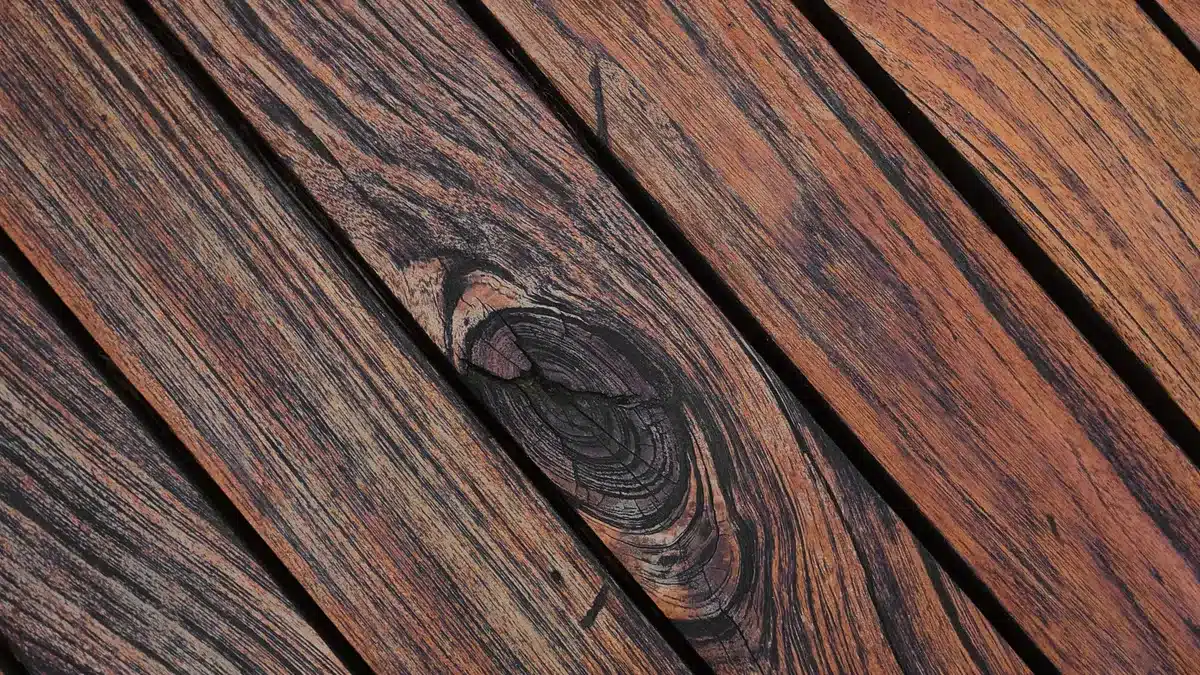
When selecting flooring for your home, consider the various types of abrasion resistant flooring available. Each option has unique characteristics that cater to different environments and preferences.
Vinyl and Luxury Vinyl
Vinyl flooring stands out for its versatility and contemporary appeal. It comes in various designs that replicate premium materials like wood and tile. This flooring option is not only affordable but also easy to install and maintain. With outstanding moisture resistance and robust wear characteristics, vinyl flooring is ideal for high-traffic areas. A high-quality installation of luxury vinyl can provide 20 to 30 years of hassle-free service, making it a wise investment for your home.
Key Benefits of Vinyl Flooring:
Affordable and easy to install
Durable and waterproof
Available in sheets, planks, and tiles
Laminate Flooring
Laminate flooring is known for its durability, thanks to a sturdy wear layer that mimics the appearance of hardwood, stone, or tile. The wear layer thickness significantly impacts its abrasion resistance. For instance, a laminate with a 20 mil wear layer is suitable for high-traffic areas and can last up to 20 years or more.
Wear Layer Thickness | Suitability | Expected Lifespan |
|---|---|---|
6 mil | Low-traffic residential areas | 3-5 years |
12 mil | Moderate foot traffic (e.g., living rooms, kitchens) | 8-12 years |
20 mil | High-traffic and commercial areas | Up to 20 years or more |
Laminate flooring also features AC ratings that indicate its durability. Higher AC ratings signify better resistance to wear and scratches, making it essential for maintaining the appearance of your flooring.
Tile Flooring
Tile flooring, particularly porcelain tiles, is among the most durable options available. Porcelain is a dense, vitrified ceramic material that withstands extreme hardness and water resistance. High-quality porcelain tiles typically have a PEI rating of 4 or 5, indicating their ability to endure commercial-grade abuse. With proper maintenance, a porcelain floor can last between 50 to 100 years, making it an excellent choice for high-traffic areas.
PEI 1: Wall use only, no foot traffic
PEI 2: Light traffic areas like bathrooms
PEI 3: Moderate traffic including all residential rooms
PEI 4: Heavy residential and medium commercial use
PEI 5: Heavy traffic in all residential and commercial settings
Concrete Surface Hardener
Concrete surface hardeners enhance the abrasion resistance of concrete floors. These products are applied to freshly placed concrete, creating a denser, stronger surface that reduces dusting and liquid absorption. The hardening process improves the floor’s ability to withstand chemical spills and contaminants, making it suitable for environments exposed to harsh substances.
When considering concrete surface hardeners, remember that the application method and dosage are crucial for achieving the desired level of abrasion resistance. A well-applied hardener can significantly extend the lifespan of your concrete flooring.
Key Considerations for Best Flooring Options
Durability and Wear Ratings
When choosing abrasion resistant flooring, durability is paramount. You want a floor that withstands daily wear and tear, especially if you have children or pets. Durability ensures your flooring remains intact and visually appealing over time. Consider the wear ratings to assess durability. For instance, the PEI and AC ratings provide insights into the suitability of flooring for different traffic levels.
PEI Class | Description |
|---|---|
Class 1 | Suitable only for walls, no foot traffic. |
Class 2 | Light traffic, such as residential bathrooms or bedrooms. |
Class 3 | Moderate traffic, suitable for most residential settings. |
Class 4 | Heavy residential and medium commercial traffic. |
Class 5 | High-volume foot traffic in commercial and residential applications. |
AC Rating | Description |
|---|---|
AC1–AC2 | Best for low-traffic areas such as bedrooms. |
AC3 | Suitable for most residential spaces including living rooms and kitchens. |
AC4 | Designed for heavy domestic use and light commercial environments. |
AC5–AC6 | Ideal for high-traffic homes and commercial settings. |
Maintenance and Cleaning
Maintenance plays a crucial role in keeping your flooring looking new. Opt for materials that are easy to maintain. Vinyl and laminate require minimal upkeep, with regular sweeping and occasional mopping. Tile floors, particularly glazed ceramic, are easy to clean but may need grout sealing. Concrete floors benefit from dust mopping and using a neutral pH cleaner. Consider the cleaning frequency based on traffic levels to ensure your floors remain pristine.
Vinyl: Regular sweeping or mopping with mild detergent.
Laminate: Regular sweeping or vacuuming and occasional damp mopping.
Concrete: Sweeping and damp mopping to maintain cleanliness.
Aesthetic Appeal
Balancing aesthetics with functionality is essential. You want flooring that complements your home’s style while offering abrasion resistance. Assess the specific needs of each room. High-traffic areas benefit from durable options, while moisture-resistant materials suit bathrooms and kitchens. Understanding the characteristics of different flooring materials helps you make informed decisions that harmonise aesthetics and practicality.
Cost and Budgeting
Budgeting is a critical factor when selecting the best flooring options. Consider the initial installation costs and long-term savings. Abrasion resistant flooring often requires less maintenance, reducing the need for frequent repairs. Here’s a cost overview for popular options:
Flooring Type | |
|---|---|
Laminate Flooring | $3.00 – $10.00 |
Vinyl Plank Flooring | $4.00 – $12.00 |
Tile Flooring | $7.00 – $15.00+ |
Choosing abrasion resistant flooring in the UK can lead to long-term cost savings. Its durability reduces the frequency of repairs, and its reflective properties can lower electricity consumption. By considering these factors, you can select flooring that meets your needs and budget.
In summary, selecting the right flooring involves understanding your specific needs and preferences. Consider durability, maintenance, and aesthetics when making your choice. Consulting with flooring professionals can provide tailored advice, ensuring you make an informed decision that suits your home and lifestyle.
FAQ
What is abrasion resistant flooring?
Abrasion resistant flooring withstands wear and tear from foot traffic, making it ideal for high-traffic areas in your home.
How do I maintain my abrasion resistant flooring?
Regular sweeping and occasional mopping with a mild detergent keep your flooring looking new and prolong its lifespan.
Can I install abrasion resistant flooring myself?
Yes, many options like vinyl and laminate are designed for easy DIY installation, saving you time and money.
See Also
The Ultimate 2025 Guide to Concrete Dust Sealers
Selecting the Ideal Concrete Densifier for Warehouse Flooring
A Detailed Comparison of Moisture Barriers for Floors and Walls
