

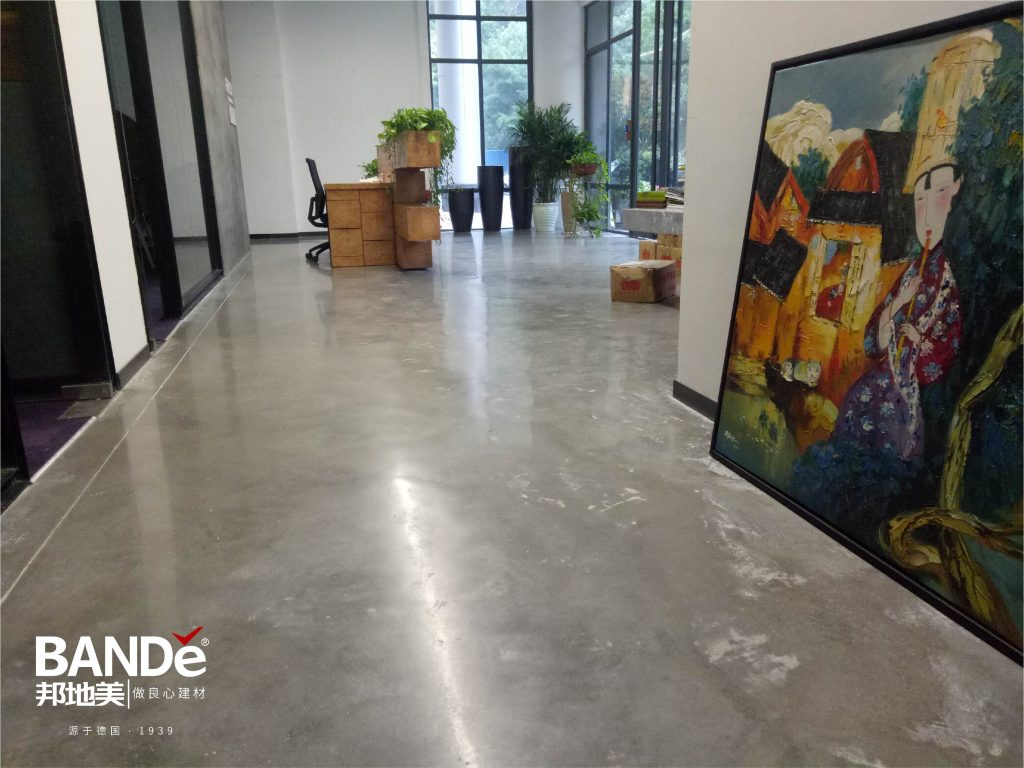
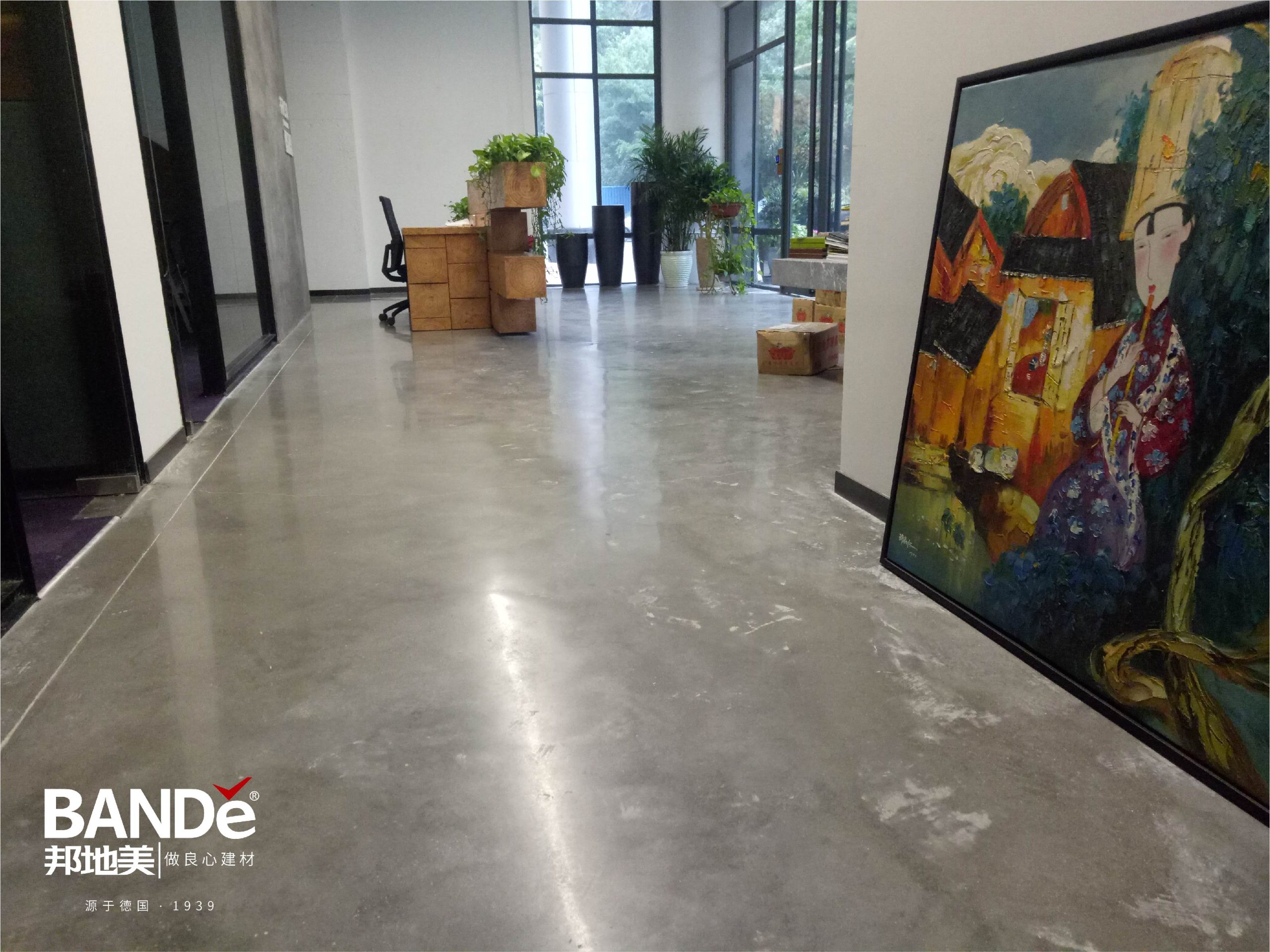
Polished concrete densifiers are very important for making surfaces stronger. These chemical solutions go into the concrete and react with it. This makes the surface harder. When you use a polished concrete densifier, you can boost compressive strength by up to 50%. Also, the surface hardness can increase by 32% with products like the Ashford Formula. This process not only makes the concrete stronger but also lowers porosity. This helps stop moisture and chemicals from getting in. So, densifiers are key for creating long-lasting and tough polished concrete surfaces.
Key Takeaways
Polished concrete densifiers make floors harder. This helps floors resist chips and cracks.
Densifiers also help with stains. They create a tighter surface. This stops liquids from soaking in and keeps floors clean.
Using the right densifier, like lithium silicate, can make floors last longer. It also means you won’t need to apply it often.
Preparing the surface well and applying the densifier at the right time is very important. This helps get the best results when polishing concrete.
Taking care of the floors and reapplying densifiers regularly helps keep polished concrete strong and looking good.
Polished Concrete Densifiers
Definition and Composition
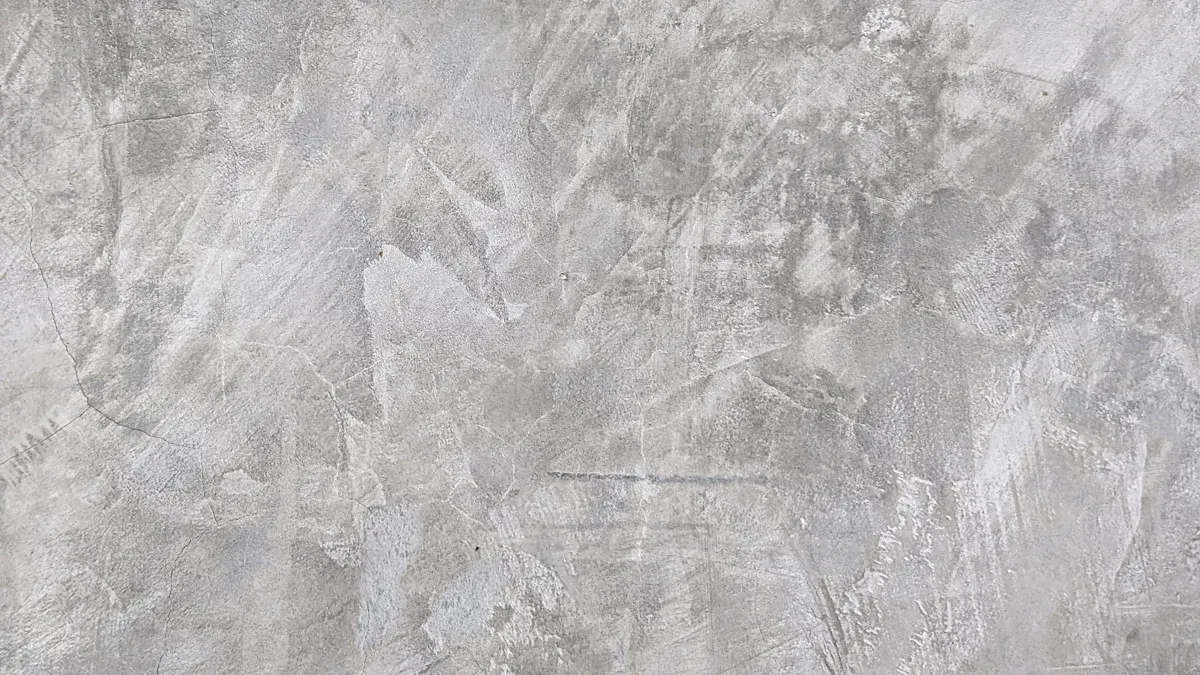
A polished concrete densifier is a liquid that makes concrete surfaces stronger. You put it on during polishing to fill the holes in the concrete. This filling makes the surface harder and denser. The main chemicals in these densifiers are sodium silicate, potassium silicate, lithium silicate, and colloidal silica. Each chemical helps improve how strong the surface is.
Here’s a quick overview of how these chemicals help:
Contribution to Surface Durability | |
|---|---|
Sodium silicate | Cheap but may need more cleaning because of alkalinity. |
Potassium silicate | Works like sodium silicate but has different solubility. |
Lithium silicate | Goes deeper and reacts faster, with fewer problems when applying. |
Colloidal silica | Boosts reactivity and surface performance with tiny particles. |
Types of Densifiers
You can find many types of concrete densifiers for different uses. The most common types are:
Sodium Silicate: This is the simplest and cheapest option. It works well for light to medium jobs. But, it may not be good for busy areas.
Potassium Silicate: This densifier works better and reacts more than sodium silicate. It is good for medium to heavy jobs and gives a stronger solution.
Lithium Silicate: This top choice gives the best performance and strength. It goes deeper into the concrete, making it great for heavy jobs. It also needs to be reapplied less often than others.
When picking a densifier, think about what your project needs. For example, if you want a surface that can handle heavy traffic, lithium silicate might be the best option.
Here’s a comparison of how lithium and sodium silicate densifiers perform:
Feature | Lithium Silicate | Sodium Silicate |
|---|---|---|
Molecular Structure | Smaller for deep pore penetration | Larger for surface treatment |
Gel Matrix | Creates stable, inert gel | Continuous reactivity with migration |
pH Level | Neutral, reduces ASR risk | Higher alkalinity, potential compatibility issues |
Reapplication Frequency | Less frequent due to durability | Requires frequent reapplication |
Application Suitability | Heavy-duty applications | Light to medium-duty applications |
Performance | Superior durability and maintenance | Cost-effective initially, but less durable |
Choosing the right polished concrete densifier can greatly affect how long your concrete surfaces last and how they look.
How Concrete Densifiers Work
Chemical Reactions
When you use a densifier, it starts important chemical changes in the concrete. These changes mainly happen when the densifier meets calcium ions (Ca2+) in the concrete. As the densifier goes into the surface, it starts a gel-making process. During this time, polycondensation reactions happen, which create silicate gels. These gels fill the gaps in the concrete. This makes the concrete stronger and denser.
Note: Studies show that the gels formed have special bonding traits. For example, new bands related to Si–O–Si vibrations show changes in the gels’ chemical makeup. This change greatly boosts the concrete surface’s overall durability.
Surface Matrix Formation
The densification process makes a tighter surface matrix. This is very important for better durability. As the densifier reacts with the concrete, it fills tiny pores and gaps. This makes a denser microstructure, which gives several benefits:
Better resistance to water getting in
Greater durability against wear and tear
Lower permeability, which helps stop damage from chemicals
Research shows that adding materials like metakaolin and fly ash can make this process even better. For instance, using a mix with 15% metakaolin greatly cuts down the charge that passes through the concrete. This means better chloride resistance. This drop in charge shows a denser microstructure because of the pozzolanic effect, which fills gaps and boosts the concrete’s performance.
Also, using nano-silica helps create a more compact microstructure. It speeds up pozzolanic processes, which lowers voids and raises bulk density. This denser surface matrix not only makes it more durable but also helps the concrete resist wear and tear.
A low water-to-cement ratio helps create a very dense matrix.
Adding steel fibers can greatly improve resistance to abrasion.
Strong bonds between aggregates and paste reduce surface wear.
By knowing how densifiers work, you can see their importance in making long-lasting and durable polished concrete surfaces.
Benefits of Densification
Increased Hardness
Using a polished concrete densifier makes your concrete much harder. Studies show that these densifiers can increase surface hardness by 30-40%. A harder surface helps your polished concrete floors resist wear and tear. This means fewer scratches and longer-lasting floors. This is very important for busy areas.
Stain Resistance
Densification also helps with stain resistance. The densifier makes a tight surface that stops dirt from soaking in. Here’s a quick look at how densifiers improve stain resistance:
Benefit | Description |
|---|---|
Reduced Porosity | Densifiers make a tighter surface, which stops dirt from soaking in. |
Superior Stain Resistance | Great for busy areas, as it stops stains from spills of liquids or chemicals. |
Chemical Resistance | The densification process makes it tougher against chemicals, good for places like labs. |
With these benefits, your polished floors will stay cleaner and look better over time.
Aesthetic Appeal
Densification not only makes your concrete stronger but also makes it look nicer. After using a densifier, you will see a better natural look with a shiny, polished finish. This finish goes well with modern interior designs. The densification process makes the concrete tougher, helping it resist wear, stains, and spills. This strength keeps the polished look while allowing different choices in shine and color. Your floors will look great and modern for many years.
Application of Densifiers
Surface Preparation
Before using a densifier, you must prepare the surface well. Follow these steps for the best results:
Clean the Surface: Vacuum or wash the floor to get rid of all dust.
Remove Contaminants: Make sure there are no oils, curing compounds, or old sealers on the surface.
Dry the Surface: Ensure the surface is dry after cleaning.
Densifiers need to soak into the concrete well. If you skip these steps, the densifier might not stick properly and could peel off. A clean, solid, and dry surface helps the densifier work better.
Application Timing
When you apply the densifier is very important. You should use it about 28 days after pouring the concrete. This waiting time lets the concrete cure correctly. During this time, calcium hydroxide forms, which helps the densifier react well.
Some experts suggest applying the densifier during polishing, after adding any stain or dye. This way, it keeps the color while making the surface stronger and nicer.
Maintenance Tips
To keep your densified concrete surfaces strong and looking good, follow these maintenance tips:
Regularly apply densifiers and hardeners to keep the surface strong and stop dust.
Set up a maintenance plan to ensure long-lasting quality.
Talk to a professional to find the best procedures and chemicals for care.
By following these tips, you can make your polished concrete surfaces last longer and look great for many years.
Polished concrete densifiers are very important for making concrete surfaces last longer. When you use these chemical solutions, they change weak, porous concrete into a strong, solid material. Here are some main benefits:
Increased Surface Hardness: Densifiers help your concrete resist chips and cracks.
Enhanced Stain Resistance: They make a denser surface that stops liquids from soaking in.
Improved Wear Resistance: Densifiers fill tiny holes and cracks, making the concrete stronger.
Using densifiers in your concrete polishing process helps create a surface that looks good and lasts a long time. It can handle heavy use and tough conditions.
Remember, picking the right densifier can greatly affect how long your polished concrete floors last and how they look!
FAQ
When is the best time to use a densifier?
You should use a densifier about 28 days after pouring the concrete. This waiting time helps the concrete cure well. It also makes sure the densifier works well with the calcium hydroxide.
Can I apply densifiers on old concrete?
Yes, you can apply densifiers on old concrete surfaces. Just make sure to clean and prepare the surface well before using it for the best results.
How often do I need to reapply densifiers?
How often you need to reapply depends on the type of densifier. Lithium silicate usually needs to be reapplied less often than sodium silicate. Regular care helps keep the surface strong.
Do densifiers change the color of concrete?
Densifiers usually do not change the color of concrete. But they can make the natural color and shine better, giving your surface a nice polished look.
Are densifiers safe to use indoors?
Yes, most densifiers are safe for indoor use. They have low VOC levels, which makes them good for homes and businesses. Always check the product label for safety details.
See Also
Your Essential 2025 Guide to Selecting Polished Concrete Densifiers
Transforming Dull Concrete Floors Into Stunning Polished Surfaces
A Complete Guide to Buying Concrete Densifiers and Sealers
Understanding Concrete Densifiers, Hardeners, Sealers, and Their Functions
Exploring Concrete Densifiers: Their Purpose and Functionality Explained
