


Maintaining your warehouse floors is crucial for safety and efficiency. Proper preparation and treatment of concrete floors can significantly enhance operational performance. A well-maintained surface reduces accidents, minimizes equipment wear, and boosts productivity. Consider the following impacts:
Impact Area | Explanation |
|---|---|
Safety | A well-prepared floor ensures safe operation of heavy equipment, preventing accidents and injuries. |
Equipment Wear Reduction | Quality flooring minimizes wear on equipment, extending its service life and reducing maintenance costs. |
Productivity Enhancement | Smooth, flat surfaces enable faster material handling, improving overall efficiency in goods turnover. |
Investing in warehouse concrete floor treatment not only extends the life of your floors but also improves their appearance.
Key Takeaways
Regularly assess your concrete floors for damage. Look for cracks, spalling, and moisture issues to maintain safety and performance.
Implement a consistent cleaning routine. Sweep and scrub your floors regularly to prevent stains and ensure a safe working environment.
Apply sealants every 3 to 5 years. This protects your floors from wear and simplifies maintenance, extending their lifespan.
Assessing Concrete Condition
Identifying Damage
To maintain your warehouse concrete floors, you must first assess their condition. Start by identifying any damage that may affect performance and safety. Common types of damage include:
Spalling: This occurs when the surface chips or flakes due to wear, heavy traffic, or environmental exposure.
Spills: Various substances, such as water, oils, or chemicals, can lead to stains and surface deterioration.
Moisture: Excessive water or humidity can cause warping, buckling, or staining of the concrete.
Uneven Joints: Gaps or seams between concrete sections may become uneven due to settling or heavy loads.
Conduct routine visual inspections at least annually, or monthly if possible. If you observe cracks or spalls, consult a forensic structural engineer. Following guidelines from the International Concrete Repair Institute (ICRI) can help you treat compromised concrete effectively. This includes cleaning and patching spalled areas, using epoxy adhesives for cracks, and applying waterproofing materials to prevent further damage.
Evaluating Surface Texture
The surface texture of your concrete floors plays a crucial role in their performance and safety. A well-evaluated surface can help you avoid potential hazards. Consider the following aspects:
Abrasion Resistance: The floor must withstand wear from traffic and impacts. A smooth surface may not provide the durability needed for heavy loads.
Chemical Resistance: Protecting the concrete from chemical attacks is essential. Erosion can compromise safety and functionality.
Slip Resistance: The texture affects how slippery the surface is, impacting safety for workers and equipment.
To ensure optimal performance, assess the current condition of the concrete regularly. Environmental factors, such as humidity and temperature, can also affect the preparation and treatment of your floors. For instance, high humidity can delay drying times and complicate the curing process, leading to bubbling and decreased protective qualities of coatings.
By systematically evaluating both damage and surface texture, you can maintain compliance with safety standards and enhance the longevity of your warehouse concrete floors.
Clean Warehouse Concrete Floors
Cleaning Techniques
To maintain clean warehouse concrete floors, you should adopt effective cleaning techniques. Start by gathering the right cleaning equipment. Here are some recommended steps:
Dry debris removal: Begin by sweeping to remove loose dust and debris.
Dust-controlled sweeping: Use equipment that minimizes airborne dust during the sweeping process.
Deep mechanical scrubbing: Follow up with scrubbing to remove embedded dirt and grime.
Controlled water and chemical use: Use water and cleaning solutions efficiently to avoid excess moisture on the floor.
High-traffic warehouses should undergo cleaning daily or weekly. Less busy facilities may require cleaning once or twice a week. Daily sweeping and weekly scrubbing are essential for maintaining safety and appearance. Always respond immediately to spills, as they can lead to stains and safety hazards.
Removing Stains and Spills
Stains can detract from the appearance of your concrete floors. Common stains include water-based, oil-based, acidic, organic, and rust stains. Here’s a quick guide on how to handle them:
Description | Removal Method Summary | |
|---|---|---|
Water-based Stains | Spills from coffee, tea, juice, or hard water, leaving white residue. | Blot up excess liquid, apply appropriate cleaning solution, scrub, rinse thoroughly. |
Oil-based Stains | Grease, oil spills, or cosmetics causing dark patches. | Blot, identify stain type, apply cleaning solution, scrub, rinse. |
Acidic Stains | Substances like vinegar or citrus juice etching the surface. | Blot, test cleaning solution, apply, scrub, rinse. |
Organic Stains | Food or beverage spills causing colored stains. | Blot, apply cleaning solution, scrub, rinse. |
Rust Stains | Caused by rusty objects or water with high iron content. | Blot, apply rust remover, scrub, rinse. |
Using pH-neutral cleaning solutions is crucial. These cleaners maintain the integrity of your floors without dulling their finish. Many neutral cleaners are GREENGUARD Gold certified, ensuring they meet strict chemical emission limits. This is vital for indoor air quality.
By implementing these cleaning techniques and stain removal methods, you can keep your warehouse concrete floors in top condition.
Warehouse Concrete Floor Treatment
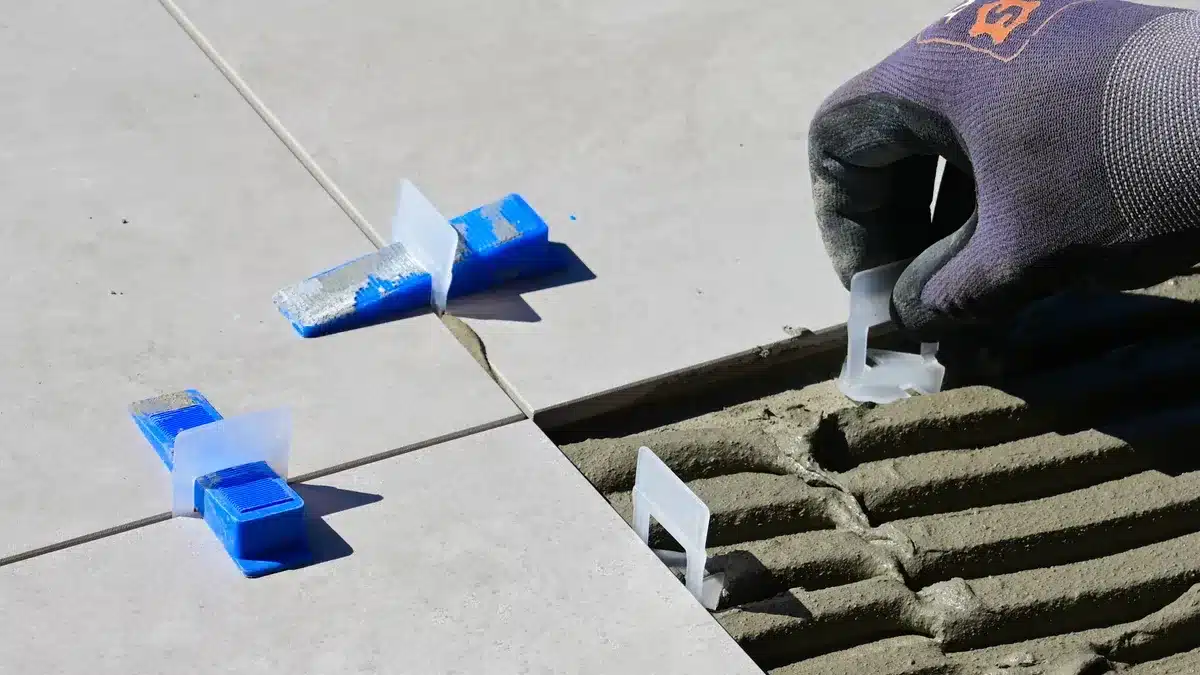
Applying Sealants
Applying sealants to your warehouse concrete floors offers numerous benefits. These protective coatings enhance durability and simplify maintenance. Here are some key advantages:
Enhanced Durability: Sealants increase the resilience of concrete floors, protecting against damage from machinery and foot traffic.
Simplified Maintenance: Sealed floors are easier to clean, reducing the need for deep cleaning and repairs.
When selecting a sealant, consider the following effective options for high-traffic environments:
Epoxy Sealers: These provide a high-gloss, impervious coating. They resist oil, solvents, and acids but can peel if applied to damp surfaces.
Polyaspartic Sealers: Known for their fast curing and UV stability, these sealers work well in cold weather and are ideal for areas needing quick turnaround.
Silicate Sealers: These densify concrete, improve abrasion resistance, and do not peel or fade, making them suitable for long-term traffic durability.
To ensure successful application, avoid common pitfalls. Here are some tips:
Tip: Always apply sealants to clean, dry surfaces. This prevents peeling and ensures proper adhesion.
Repairing Cracks
Addressing concrete floor repairs promptly is essential for maintaining safety and functionality. Cracks can worsen over time, leading to more significant issues. Here’s how to effectively repair cracks in your warehouse floors:
Identify the Type of Crack: Determine whether the crack is a surface crack or a structural crack. Surface cracks are often cosmetic, while structural cracks may indicate underlying issues.
Clean the Area: Remove any debris, dust, or loose concrete from the crack. A clean surface allows for better adhesion of repair materials.
Choose the Right Repair Material: Use epoxy or polyurethane sealants for filling cracks. These materials bond well and provide flexibility.
Apply the Repair Material: Follow the manufacturer’s instructions for application. Ensure you fill the crack completely and smooth the surface.
Cure Properly: Allow the repair material to cure as recommended. This step is crucial for achieving maximum strength and durability.
Implementing a proactive resealing program every 3 to 5 years can help maintain your floors. Reseal when you notice dusting, when water no longer beads on the surface, or when stains from oil or contamination are absorbed into the concrete.
By applying sealants and addressing concrete floor repairs promptly, you can significantly extend the life of your warehouse floors and reduce long-term maintenance costs.
Maintain Warehouse Concrete Floors
Regular Cleaning Routines
To maintain warehouse concrete floors effectively, establish regular cleaning routines. These routines help prolong the life of your floors and enhance safety. Follow these steps for optimal maintenance:
Assess the Current Condition: Evaluate your floors for wear, stains, and damage. This assessment will guide your cleaning intensity.
Gather the Right Equipment: Essential tools include brooms, industrial vacuums, auto scrubbers, mops, and appropriate cleaners.
Remove Stains and Spills Promptly: Address spills quickly using blotting, scrubbing, and rinsing techniques to prevent permanent damage.
Conduct Regular Repairs: Address any imperfections immediately to ensure safety and efficiency.
Surface Type | Recommended Cleaning Method | Frequency |
|---|---|---|
Concrete | Scrubbing with a floor scrubber | Weekly |
Vinyl | Mopping with a neutral pH cleaner | Daily |
Carpet | Steam cleaning | Monthly |
Implementing a strategic cleaning plan ensures smooth operations and reduces the risk of equipment damage.
Seasonal Inspections
Seasonal inspections are vital for maintaining warehouse concrete floors. These inspections help identify potential issues before they escalate. Here are key components to include in your seasonal checklist:
Description | |
|---|---|
Monitor Surface Cracking | Inspect for shrinkage cracks and joint separation. |
Manage Indoor Temperature Variations | Monitor temperature differences to prevent stress-related changes. |
Reduce Abrasive Damage | Implement cleaning schedules to remove dust and debris that can damage surfaces. |
Control Heavy Equipment Movement | Monitor equipment routes to protect patched sections from excessive stress. |
Inspect Previous Repairs | Evaluate patched areas for surface wear before winter. |
Seasonal changes can affect your concrete floors. Increased moisture from melting snow can lead to cracking if not sealed properly. Regular inspections and maintenance help prevent costly repairs and ensure safety.
By following these routines and conducting seasonal inspections, you can effectively maintain warehouse concrete floors and enhance their longevity.
In summary, you can ensure the longevity and safety of your warehouse concrete floors by following these key steps:
Clear the area.
Clean the floor.
Repair cracks and imperfections.
Etch the surface.
Fill expansion joints.
Sand the surface.
Apply primer.
Start painting.
Regular maintenance is essential. It helps you maintain clean and safe floors, reduces slip and fall risks, and enhances visibility in high-traffic areas. By committing to proactive care, you create a safer work environment for everyone.
FAQ
What is the best way to clean warehouse concrete floors?
Use a combination of sweeping, scrubbing, and pH-neutral cleaning solutions for effective cleaning.
How often should I apply sealants to my concrete floors?
You should reseal your concrete floors every 3 to 5 years to maintain protection and durability.
What should I do if I notice cracks in my concrete floor?
Address cracks immediately by cleaning the area and using epoxy or polyurethane sealants for repairs.
See Also
Selecting The Ideal Concrete Densifier For Warehouse Flooring
Top Floor Hardener Options Available In The Philippines
Best Industrial Floor Hardener Choices In The UK
Five Simple Tips For Choosing Concrete Hardener In 2025
A Comprehensive 2025 Guide To Concrete Floor Hardener Selection
