


Choosing the right concrete sealer significantly impacts your project’s durability and aesthetics. For projects requiring low VOCs and dust prevention, a water-based concrete sealer may be your best option. In contrast, for high durability and chemical resistance, solvent-based sealers often excel. Your choice affects both the longevity and appearance of your concrete surfaces.
Key Takeaways
Choose water-based sealers for low VOCs and easy cleanup. They are safer for indoor use and help improve air quality.
Opt for solvent-based sealers when durability and chemical resistance are priorities. They excel in high-traffic areas and provide a glossy finish.
Regular maintenance is key. Reseal every 1-3 years for water-based options and every 3-5 years for solvent-based sealers to extend the lifespan of your concrete.
Concrete Sealers Overview
Concrete sealers play a crucial role in protecting your concrete surfaces. They create a barrier that prevents moisture, chemicals, and other harmful substances from penetrating the concrete. This protection helps maintain the integrity of your surfaces and extends their lifespan.
Sealing concrete is essential for several reasons:
Protection against moisture: Sealing prevents moisture from penetrating the surface, reducing the risk of cracking.
Chemical resistance: Sealers protect concrete from chemical exposure, especially in industrial settings.
Enhanced durability: Sealing improves the longevity of concrete surfaces, making them more resistant to wear.
Easier maintenance: A sealed surface simplifies cleaning and maintenance tasks.
Resistance to cracking and scaling: Sealing helps resist damage caused by water intrusion and temperature fluctuations.
In addition to these benefits, sealing helps preserve new installations and ensures a long service life. It creates a protective barrier that keeps concrete stronger and makes cleaning easier. In facilities like warehouses and parking structures, sealing protects against oil spills and heavy wear.
Function | Description |
|---|---|
Protection against moisture | Sealing prevents moisture from penetrating the surface, reducing the risk of cracking. |
Chemical resistance | It protects concrete from chemical exposure, especially in industrial settings. |
Enhanced durability | Sealing improves the longevity of concrete surfaces, making them more resistant to wear. |
Easier maintenance | A sealed surface simplifies cleaning and maintenance tasks. |
Resistance to cracking and scaling | Sealing helps resist damage caused by water intrusion and temperature fluctuations. |
By understanding the importance of concrete sealers, you can make informed decisions that enhance the durability and appearance of your concrete surfaces.
Water-Based Concrete Sealers
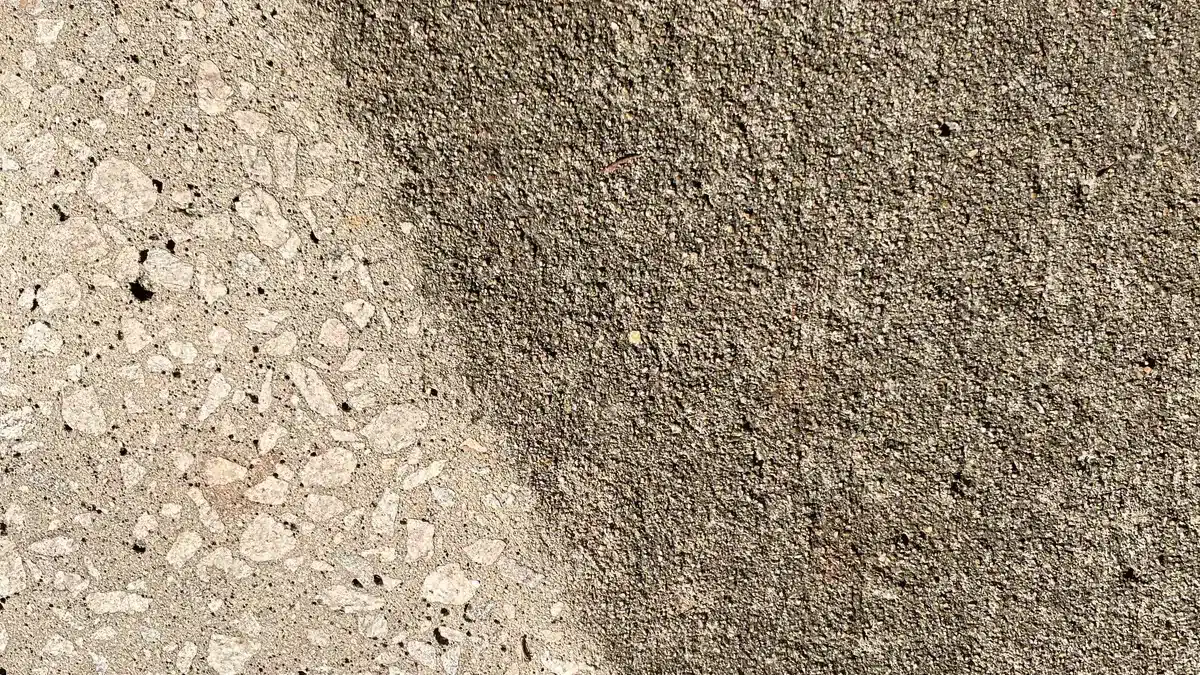
Benefits of Water-Based Sealers
Water-based concrete sealers offer several advantages that make them a popular choice for many projects. Here are some key benefits:
Low VOCs: Water-based sealers contain low levels of volatile organic compounds (VOCs), making them more environmentally friendly. This feature is especially important for indoor applications, as it helps improve indoor air quality.
Minimal Odor: These sealers emit minimal odor during application, making them suitable for use in occupied spaces. You won’t have to worry about strong chemical smells lingering in your home or workplace.
Easy Cleanup: Cleaning up after using a water-based concrete sealer is simple. You can use soap and water, avoiding harsh solvents that can be harmful to both you and the environment.
Non-Flammable: Water-based sealers are non-flammable, which adds an extra layer of safety during application. This characteristic makes them ideal for both residential and commercial settings.
Dust Prevention: They form a protective layer that prevents dust from penetrating the concrete surface. This feature is crucial in environments where dust control is essential, such as food and electronics manufacturing.
Benefit | Water-Based Sealers | Solvent-Based Sealers |
|---|---|---|
VOC Emissions | Low VOCs, more eco-friendly | Higher VOCs |
Odor | Minimal odor, suitable for indoor use | Strong chemical odor |
Cleanup | Easy with soap and water | Requires harsh solvents |
Flammability | Non-flammable | Flammable |
Breathability | Allows moisture vapor to escape | Traps moisture |
Drawbacks of Water-Based Sealers
While water-based sealers have many benefits, they also come with some drawbacks. Here are a few considerations:
Durability in Heavy Traffic: Water-based sealers may not be as durable as their solvent-based counterparts in high-traffic areas. They typically last about five years before needing reapplication, which can be a concern for surfaces subjected to heavy loads or frequent foot traffic.
Less Chemical Resistance: Although they provide some level of protection, water-based sealers may not offer the same level of chemical resistance as solvent-based options. This limitation can be significant in industrial settings where exposure to harsh chemicals is common.
Potential for Milky Appearance: If not applied correctly, water-based sealers can develop a milky appearance, especially if moisture is present during application. This issue can detract from the aesthetic appeal of your concrete surfaces.
Solvent-Based Concrete Sealers
Benefits of Solvent-Based Sealers
Solvent-based sealers offer several advantages that make them a preferred choice for many concrete projects. Here are some key benefits:
Enhanced Appearance: Solvent-based sealers significantly improve the look of stamped or decorated concrete. They make colors pop and provide a more defined look.
High-Gloss Finish: These sealers create a high-gloss, wet appearance that enhances the color of the concrete, giving it a polished and attractive finish.
Durability: Solvent-based sealers typically provide a tougher protective coating. They resist wear and tear better than many water-based options, making them ideal for high-traffic areas.
Chemical Resistance: These sealers offer superior protection against chemicals, making them suitable for industrial settings where exposure to harsh substances is common.
Drawbacks of Solvent-Based Sealers
While solvent-based sealers have many benefits, they also come with some drawbacks that you should consider:
Health Risks: Using solvent-based sealers can pose health risks. Here are some concerns:
Respiratory Hazards: Exposure to solvents and VOCs in these sealers can lead to serious health issues like asthma and lung cancer.
Skin Hazards: These chemicals can cause skin irritation and chemical burns, so wearing protective gear is essential.
Eye Hazards: Protective eyewear is necessary to prevent eye injuries when working with these sealers.
Environmental Concerns: Solvent-based sealers raise several environmental issues:
Environmental Concern
Description
Emission of harmful VOCs
Contributes to air pollution and health risks during application and curing.
Non-biodegradable formulations
These sealers persist in landfills, causing long-term environmental issues.
Toxic runoff
Can contaminate soil and waterways, posing risks to ecosystems.
Cost Considerations: Although solvent-based sealers can be cost-effective in terms of durability, their initial price may be higher than water-based options. You should weigh the long-term benefits against the upfront costs.
Performance Comparison
When comparing water-based and solvent-based concrete sealers, you should consider several performance factors. Durability is a key aspect. Solvent-based sealers typically offer higher durability, making them suitable for high-traffic areas. They resist wear and tear better than water-based options.
In terms of chemical resistance, solvent-based sealers excel. They penetrate deeper into the concrete, providing better protection against harsh substances. Water-based sealers, while effective, have moderate chemical resistance. They may not hold up as well in environments exposed to strong chemicals.
Here’s a quick comparison of their performance features:
Feature | Water-Based Sealers | Solvent-Based Sealers |
|---|---|---|
Chemical Resistance | Moderate, less durable in high-traffic areas | High, penetrates deeper for better protection |
VOC Emissions | Low | High |
Cleanup | Easy with soap and water | Difficult, requires strong solvents |
Flammability | Non-flammable | Flammable |
Long-term maintenance costs also differ between the two types. Water-based sealers usually require reapplication every 1 to 3 years. In contrast, solvent-based sealers last 3 to 5 years before needing renewal. Each reapplication incurs costs for cleaning and surface preparation. Over a decade, these ongoing expenses can add up significantly.
Choosing the right sealer involves weighing these performance factors against your specific project needs.
Application Techniques
Proper application techniques are essential for achieving the best results with concrete sealers. Here’s how to prepare and apply both water-based and solvent-based sealers effectively.
Preparation Steps
Before applying any sealer, ensure the surface is ready. Follow these steps for optimal results:
Clean the Surface: Remove dirt, dust, and contaminants. Use a broom or blower for loose dirt. For stubborn stains, scrub with soap and water or use an acid etch.
Check for Efflorescence: Remove any efflorescence that may have formed on the surface. This buildup can interfere with adhesion.
Assess Porosity: Conduct a water test to check if the surface can absorb the sealer. If necessary, use light sanding or acid etching to prepare the surface.
Repair Damage: Fix any cracks, spalls, or voids before sealing. A clean and sound surface is crucial for the sealer to function properly.
Application Process
When applying the sealer, consider the following:
Temperature: Apply sealers when temperatures are between 45°F (7.3°C) and 85°F (29.5°C) to ensure proper curing.
Technique: Use a roller or sprayer for even application. Avoid over-applying, as this can lead to bubbling or peeling.
Common Application Failures
To prevent application failures, keep these tips in mind:
Surface Preparation: Inadequate preparation can lead to bubbling and adhesion issues. Always ensure the surface is clean and free of contaminants.
Remove Existing Sealers: If a previous sealer exists, remove it before applying a new one. This step prevents major failures.
Monitor Weather Conditions: Avoid applying sealers during rain or extreme temperatures.
By following these guidelines, you can enhance the effectiveness of your concrete sealers and prolong the life of your surfaces.
Longevity and Maintenance
The longevity of your concrete sealer directly affects the durability of your surfaces. Water-based sealers typically last 2–3 years in outdoor environments, while solvent-based options can endure longer. Here’s a quick comparison of their expected lifespans:
Sealer Type | Expected Lifespan |
|---|---|
Water-Based | 2–3 years |
Solvent-Based | 3–5 years |
To maintain your concrete surfaces and extend their lifespan, follow these essential maintenance tips:
Seal concrete after curing for at least 28 days to enhance longevity.
Ensure proper drainage to prevent water accumulation, which can lead to stains and cracks.
Clean spills immediately to avoid discoloration and damage.
Use mats in high-traffic areas to reduce wear and consider re-coating every 3-5 years.
Avoid deicing chemicals in winter; opt for less harmful alternatives like sand.
By implementing these practices, you can significantly prolong the lifespan of your concrete floors. Regular maintenance not only protects your investment but also keeps your surfaces looking their best.
For optimal protection, consider resealing your concrete every 1-3 years under general use conditions. If your surfaces experience high traffic or harsh weather, you may need to reapply more frequently.
In summary, water-based sealers are safer, easier to apply, and environmentally friendly. They work well for indoor projects and allow moisture to escape. Solvent-based sealers offer superior durability and a glossy finish, making them ideal for high-traffic areas.
When choosing a sealer, consider your project’s specific needs, including environmental conditions, application methods, and budget. For example, if you prioritize safety and ease of use, opt for water-based sealers. If durability and chemical resistance are your main concerns, solvent-based options may be the better choice.
Factor | Water-Based Sealers | Solvent-Based Sealers |
|---|---|---|
Safety | Higher VOCs, flammable | |
Application | Easy, suitable for indoor use | Requires caution, better for outdoor |
Durability | Moderate, ideal for light traffic | High, suitable for heavy traffic |
Cost Consideration | Lower initial cost, frequent reapplication | Higher initial cost, less frequent reapplication |
By weighing these factors, you can make an informed decision that best suits your concrete sealing needs.
FAQ
What is the main difference between water-based and solvent-based sealers?
Water-based sealers have low VOCs and are safer for indoor use. Solvent-based sealers offer better durability and chemical resistance.
How often should I reapply concrete sealers?
Reapply water-based sealers every 1-3 years. Solvent-based sealers typically last 3-5 years before needing renewal.
Can I apply sealers in any weather?
Avoid applying sealers during rain or extreme temperatures. Ideal conditions are between 45°F (7.3°C) and 85°F (29.5°C).
See Also
Discovering The Ideal Concrete Sealer For Your Requirements
A Comprehensive Guide To Top Flexible Waterproof Sealers
An Essential Handbook For Selecting Concrete Protective Sealers
