


Which concrete hardener is right for your Canadian project? You decide based on specific needs, budget, and desired results. We introduce liquid hardeners and dry-shake hardeners. These liquid and dry solutions boost concrete durability and performance. A private label concrete floor hardener Canada offers can be ideal. How to choose the best hardener ensures long-term concrete success for your concrete.
Key Takeaways
Liquid hardeners strengthen existing concrete floors and prepare polished surfaces through a simple spraying process.
Dry-shake hardeners mix into fresh concrete to create maximum impact resistance for heavy industrial spaces.
Choose liquid hardeners for flexible renovation projects or dry-shake hardeners for tough new floor construction.
Understanding Concrete Hardeners
What Concrete Floor Hardeners Do
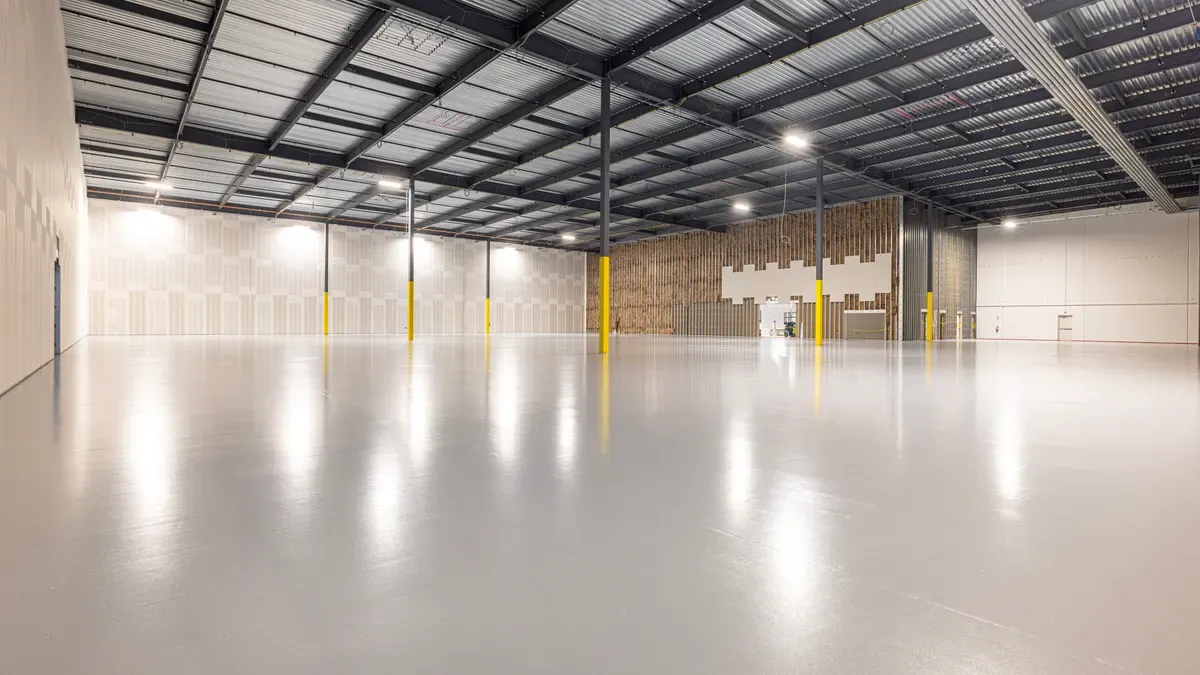
Concrete floor hardeners significantly improve your concrete’s performance. They transform a standard concrete surface into a much more resilient one. Liquid hardeners penetrate the concrete pores. They react chemically with cementitious compounds. This action fills weak spots, creating a denser, dust-free, and wear-resistant surface. Dry-shake hardeners, applied to fresh concrete, integrate metallic or non-metallic aggregates. This process forms an extremely hard, monolithic surface. It resists heavy impacts and abrasion effectively. A concrete floor hardener triggers a chemical reaction within the concrete matrix. This seals internal pores. By filling these voids, the material increases surface density. It lowers permeability and strengthens resistance against routine wear and tear.
Why Concrete Needs Hardening
Standard concrete, while strong, often benefits from additional treatment. Untreated concrete can be porous. This makes it susceptible to dusting, abrasion, and general wear over time. These issues compromise the floor’s longevity and appearance. Applying a hardener addresses these inherent weaknesses. Hardeners enhance the concrete durability. They provide a much higher level of protection against daily abuse. This increased strength ensures your concrete floor withstands heavy traffic and harsh conditions. You gain a more durable and long-lasting floor.
Liquid Concrete Hardeners
Liquid Hardener Composition & Action
Liquid hardeners are milky white liquids. They penetrate the cement base floor. This product reacts rapidly with ions within the concrete. It promotes the re-hydration heat reaction of the concrete. This establishes a three-dimensional network structure in multi-dimensional space. This action builds the overall structural framework of the floor surface. It increases the overall supporting strength. This hardener is a water-soluble inorganic compound. It meets today’s demands for the environment, health, and safety. Typical chemical components of liquid hardeners include:
Fluorsilicates
Silicates
Siliconates
Lithium-silicates
Water-based polymeric blends
Liquid Hardener Application Process
Applying a liquid floor hardener is a straightforward process. First, ensure the concrete surface is structurally sound and thoroughly cleaned. You must strip off any previously applied coatings. Verify surface readiness by checking if water absorbs readily into the concrete. Next, apply the liquid hardener using a low-pressure sprayer. Use a fan-type spray nozzle for deep penetration. Spread the material at a rate of 200–400 square feet per gallon. Adjust this rate based on the specific texture and porosity of the substrate. Finally, immediately flush and clean any white residual film remaining on the surface with water. This ensures optimal results and effectiveness.
Advantages of Liquid Hardeners
Liquid hardeners offer several key advantages. They are excellent for retrofitting existing concrete floors. You can easily apply them to older concrete. These liquid hardeners also serve as effective densifiers for polished concrete surfaces. They enhance the durability and appearance of your floor. The application process is generally less disruptive than other methods. This makes them ideal for operational facilities. Liquid hardeners improve the surface strength and abrasion resistance of your concrete. This extends the life of your floor.
Disadvantages of Liquid Hardeners
While highly effective, liquid hardeners do have some limitations. Their effectiveness depends on the concrete’s porosity. Very dense concrete may not absorb the liquid as deeply. This can reduce the overall impact on surface strength. They primarily enhance the top layer of the concrete. For extreme impact resistance, other solutions might be more suitable.
Ideal Applications for Liquid Hardeners
You should choose liquid hardeners for various projects. They are perfect for existing concrete floors needing a durability boost. Consider them for warehouses, retail spaces, and industrial facilities. These liquid hardeners are also essential for polished concrete projects. They create a denser, more receptive surface for polishing. This ensures a high-quality, long-lasting finish. If you need to improve the abrasion resistance and overall durability of an existing concrete floor, liquid hardeners provide excellent results.
Dry-Shake Concrete Hardeners
Dry-Shake Hardener Composition & Benefits
Dry-shake hardeners offer high durability and impact resistance for industrial concrete applications. You apply these hardeners directly to fresh concrete during installation. Typical dry-shake hardeners consist of powdered cementitious material bases. They include blended additives modifying finishing characteristics. Key ingredients in a dry shake hardener often include standard Portland cement and high-purity graded silica quartz aggregates. You might also find alternative metallic or non-metallic aggregates. Proprietary performance-enhancing additives complete the mix. This composition provides an excellent price-to-performance ratio. It creates a robust concrete floor hardener. This type of concrete floor hardener is very effective.
Dry-Shake Hardener Application Process
Applying a dry-shake hardener requires careful timing. First, wait for the concrete bleeding phase to conclude before you start the dry application. Then, spread two-thirds of the dry hardener evenly over the floor surface. Let it absorb residual moisture. Float this initial application into the concrete surface. Immediately after floating the first layer, apply the final one-third of the dry hardener. Finish with a machine float once the concrete slab achieves sufficient stiffness. This process ensures the dry hardener integrates fully, yielding strong results.
Advantages of Dry-Shake Hardeners
Dry-shake hardeners provide high durability and impact resistance. They create a dense, wear-resistant floor surface. This significantly enhances concrete durability. You achieve maximum surface strength and superior abrasion resistance. These hardeners are ideal for areas with heavy traffic and impact. The resulting floor offers excellent wear resistance.
Disadvantages of Dry-Shake Hardeners
Despite their benefits, dry-shake hardeners present challenges. The dry powder can easily drift into the air. This poses environmental and health hazards to nearby vegetation, buildings, and people with respiratory conditions. The application is also labor-intensive. Integrating the hardener into the concrete surface requires significant manual effort. Achieving full strength benefits demands a heavy application rate, often 60 lbs per 100 square feet.
Ideal Applications for Dry-Shake Hardeners
You should consider dry-shake hardeners for new construction projects. They are perfect when you need maximum surface durability on fresh concrete pours. Ideal applications include heavy-duty industrial environments like manufacturing facilities with continuous heavy machinery use. They suit loading docks and steel processing plants. High-impact and high-traffic sites, such as distribution hubs and automotive assembly plants, also benefit. Facilities subject to frequent forklift traffic are excellent candidates. Warehouses and military hangars demanding high resistance to heavy loads, severe mechanical wear, and extreme abrasion are also optimal. These applications show the best results for this type of hardener.
Liquid vs. Dry-Shake Hardener Comparison
Application Differences
You will find significant differences in how you apply liquid and dry-shake hardeners. These methods dictate the project timeline and required expertise. Liquid hardeners offer flexibility. You can apply them to cured concrete, whether it is an existing floor or a new installation. You typically spray or mop the liquid onto the surface. This process is relatively straightforward. Dry-shake hardeners, however, demand precise timing. You broadcast them as a dry powder onto fresh, wet concrete. Then, you float and trowel them into the slab. This method requires skilled labor to ensure a uniform finish and proper bonding. The hardener integrates directly into the top layer of the concrete. Liquid hardeners penetrate and chemically react to densify the concrete.
Here is a comparison of their application attributes:
Feature / Attribute | Liquid Concrete Hardeners | Dry-Shake Concrete Hardeners |
|---|---|---|
Concrete State | Applied to cured concrete (existing or new) | Applied to fresh, wet concrete |
Application Method | Sprayed or mopped onto the surface | Broadcasted as a dry powder, then floated/troweled |
Timing Requirements | Flexible; no specialized timing needed | Demands precise timing during the concrete pour |
Labor & Skill Needed | Relatively straightforward process | Requires skilled labor to ensure uniform finish and bonding |
Action / Mechanism | Penetrates and chemically reacts to densify | Integrates directly into the top layer of the slab |
Performance & Durability of Concrete Hardeners
Both liquid and dry-shake hardeners enhance concrete durability. They significantly improve the wear resistance of your floor. When properly applied, both types can effectively double the abrasion resistance of a concrete surface. However, you will observe a notable difference in surface hardness. A dry-shake hardener provides two to five times greater surface hardness than standard concrete treated with a liquid hardener. This makes dry-shake ideal for extreme conditions. Liquid hardeners increase the density and surface strength of the concrete. This improves its overall effectiveness. Dry-shake hardeners create a much tougher, more impact-resistant surface. This results in maximum surface strength.
Cost Implications
The cost of your concrete floor hardener project depends on several factors. Material costs for dry-shake hardeners can be higher per square foot due to their specialized aggregates. However, they offer superior durability. This can lead to long-term savings on maintenance and repairs. Liquid hardeners generally have lower material costs. Their application is also less labor-intensive. This reduces overall installation expenses. You must consider the long-term performance and expected lifespan of the floor. This helps you determine the true value of each hardener type.
Aesthetic Outcomes
You will find distinct aesthetic results with each hardener. Liquid hardeners typically do not alter the natural appearance of the concrete. They provide a clear, natural finish. This makes them suitable for projects where you want to maintain the original look of the concrete. Dry-shake hardeners, however, offer a wide range of aesthetic possibilities. They can create highly decorative concrete.
For light or white treatments, single-layer applications integrate with the concrete base. This produces a light grey tone. Achieving a completely uniform, white aesthetic requires a double-layer application totaling 9–10 kg/m². When you polish dry-shake concrete surfaces, you might see a lightened surface color. This happens due to top-down dye concentration. Uneven grinding can yield a patchy, “spotted dog” look if you apply the hardener too thinly. Framer lines may visibly bleed through the final finish if you seal them.
Dry-shake hardeners also offer:
Color Range: Standard availability includes more than 30 color choices. Custom color-matching services are also available.
Aggregate Appearance: Blended aggregate components allow for diverse performance and aesthetic finish options.
Suitability for New vs. Existing Concrete
Your project’s stage significantly influences your choice of hardener. Liquid hardeners are particularly well-suited for newly installed concrete. Applying a liquid hardener to fresh concrete enhances its overall surface durability. It increases resistance against daily wear and tear. It also protects the new installation against staining and external physical damage. You can also apply liquid hardeners to existing concrete floors. This makes them versatile for renovation projects. Dry-shake hardeners are exclusively for new concrete pours. You must apply them while the concrete is still wet. This integrates the dry hardener into the slab as it cures. This makes them unsuitable for existing concrete.
Maintenance Requirements
Both types of hardeners reduce the maintenance burden on your floor. Hardened concrete floors are easier to clean. They resist staining better than untreated concrete. Liquid hardeners create a denser surface. This reduces dusting and makes routine cleaning simpler. Dry-shake hardeners provide an extremely durable surface. This requires minimal maintenance beyond regular cleaning. You will find that both hardeners contribute to a longer-lasting, lower-maintenance floor. This improves the overall performance of your concrete.
Choosing the Right Hardener for Your Canadian Project
You face an important decision for your Canadian construction project. Selecting the correct concrete hardener ensures long-term performance and satisfaction. You need to understand your project’s specific demands. This helps you make an informed choice between liquid and dry-shake hardeners.
Factors to Consider for Your Project
You must evaluate several key factors when deciding how to choose the best hardener for your concrete. First, consider the project type. Is it new construction or a renovation? This significantly impacts your options. Next, assess the expected traffic and impact levels on the floor. High-traffic areas demand greater durability. Think about your budget. Both material and application costs vary. You also need to consider the desired aesthetic outcome. Some hardeners offer decorative options. Finally, evaluate the application conditions. This includes temperature, humidity, and available labor. These elements guide you toward the most suitable hardener.
When to Choose Liquid Hardeners
You should choose liquid hardeners for several scenarios. These are ideal for existing concrete floors. You can easily apply a liquid floor hardener to older concrete surfaces. This enhances their strength and extends their life. Liquid hardeners also work well for new concrete where you need a clear, natural finish. They densify the concrete, improving its resistance to abrasion and dusting. If you plan to polish the concrete, liquid hardeners are essential. They create a denser surface, which is crucial for achieving a high-gloss, durable finish. A private label concrete floor hardener Canada offers can provide excellent effectiveness for these applications. You will see effective results with proper application.
When to Choose Dry-Shake Hardeners
You should opt for dry-shake hardeners when maximum surface hardness and impact resistance are paramount. These are exclusively for new concrete pours. You apply the dry material directly to fresh concrete. This integrates it into the slab as it cures. This process creates an extremely tough, monolithic floor. Dry-shake hardener is perfect for industrial settings. Think about warehouses, manufacturing plants, or loading docks. These areas experience heavy machinery, constant traffic, and potential impacts. The resulting floor offers superior wear resistance. You get robust results that withstand severe conditions.
Project Scenarios & Recommendations
You need to consider your specific project to make the best choice. For an existing commercial floor needing a refresh, liquid hardeners are your go-to. They offer excellent value and improve the concrete’s overall performance without major disruption. If you are pouring a new concrete slab for a heavy-duty industrial facility, a dry-shake hardener provides unmatched durability. This ensures the floor withstands extreme conditions. For a decorative polished concrete floor, you will start with a liquid hardener to densify the concrete. Then you can proceed with polishing. When you need to know how to choose, remember that a private label concrete floor hardener Canada provides can offer tailored solutions. Always match the hardener to your project’s demands for the most effective results.
You choose the best hardener based on your project. Liquid hardeners suit existing concrete and polishing. Dry hardeners offer superior durability for new, heavy-duty concrete. Assess your needs, budget, and aesthetic. A private label concrete floor hardener Canada offers excellent results. Selecting the right hardener ensures long-term concrete durability in Canadian environments. Consider both liquid and dry options.
FAQ
What is the main benefit of using a concrete hardener?
A hardener significantly increases the durability and abrasion resistance of your concrete floor. It also reduces dusting and extends the floor’s lifespan.
Can you use liquid hardeners on existing concrete?
Yes, you can apply liquid hardeners to existing concrete floors. A private label concrete floor hardener Canada offers can effectively penetrate the surface to densify and strengthen the concrete.
When should you choose a dry shake hardener over a liquid hardener?
Choose a dry shake hardener for new concrete floors needing maximum impact resistance and surface hardness, especially in industrial settings. Use liquid hardener for existing floors.
See Also
Top Performing Concrete Sealers Built To Withstand Harsh Canadian Winters
The Ultimate 2025 Handbook For Picking Right Concrete Floor Hardeners
How To Select Ideal Concrete Densifiers Hardeners And Sealers In 2025
Understanding Concrete Hardeners And How They Protect Your Surface Floors
Comparing Concrete Densifiers Versus Hardeners To Find The True Differences
