

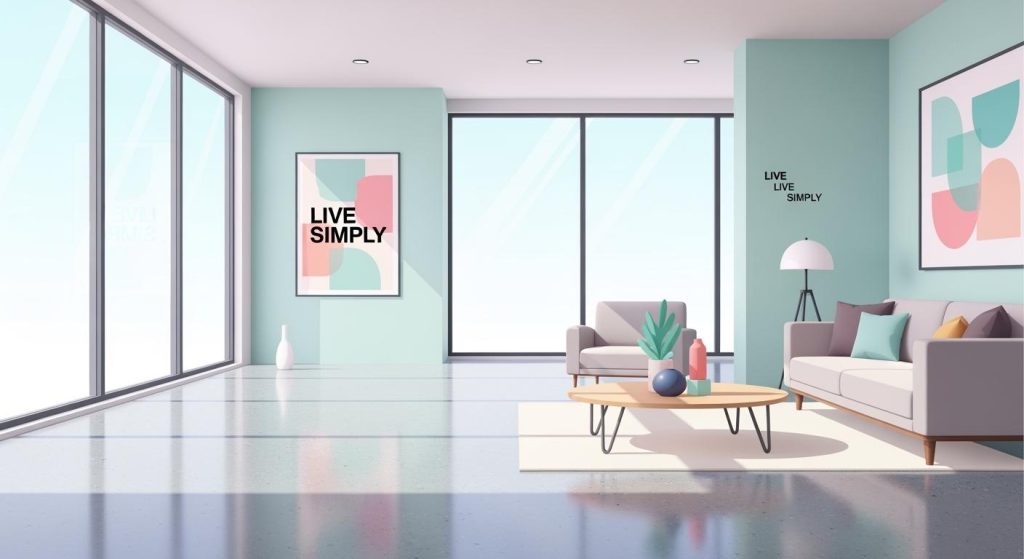
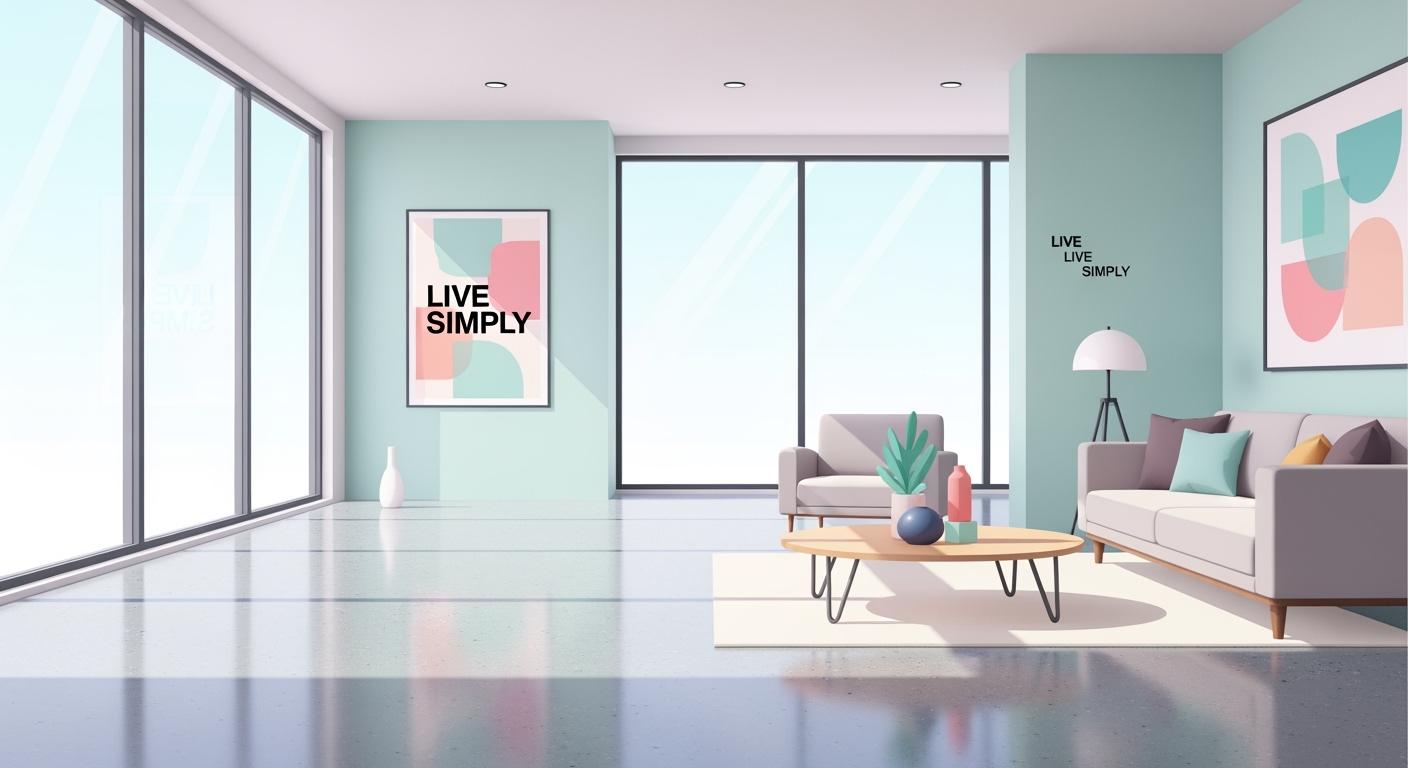
Concrete flooring has become a popular choice in many homes lately. Its versatility and low maintenance appeal to many homeowners. But is it the right fit for you? With the residential market projected to hold a significant share of 57.3% in 2024, it’s worth considering both its pros and cons.
Key Takeaways
Concrete flooring is a cost-effective option, with prices ranging from $2 to $6 per square foot, making it more affordable than many other materials.
Durability is a major advantage; concrete can last for decades, reducing the need for frequent replacements and saving money over time.
Low maintenance is a key benefit; regular sweeping and occasional mopping keep concrete floors looking great with minimal effort.
Pros of Concrete Flooring
Cost-Effectiveness
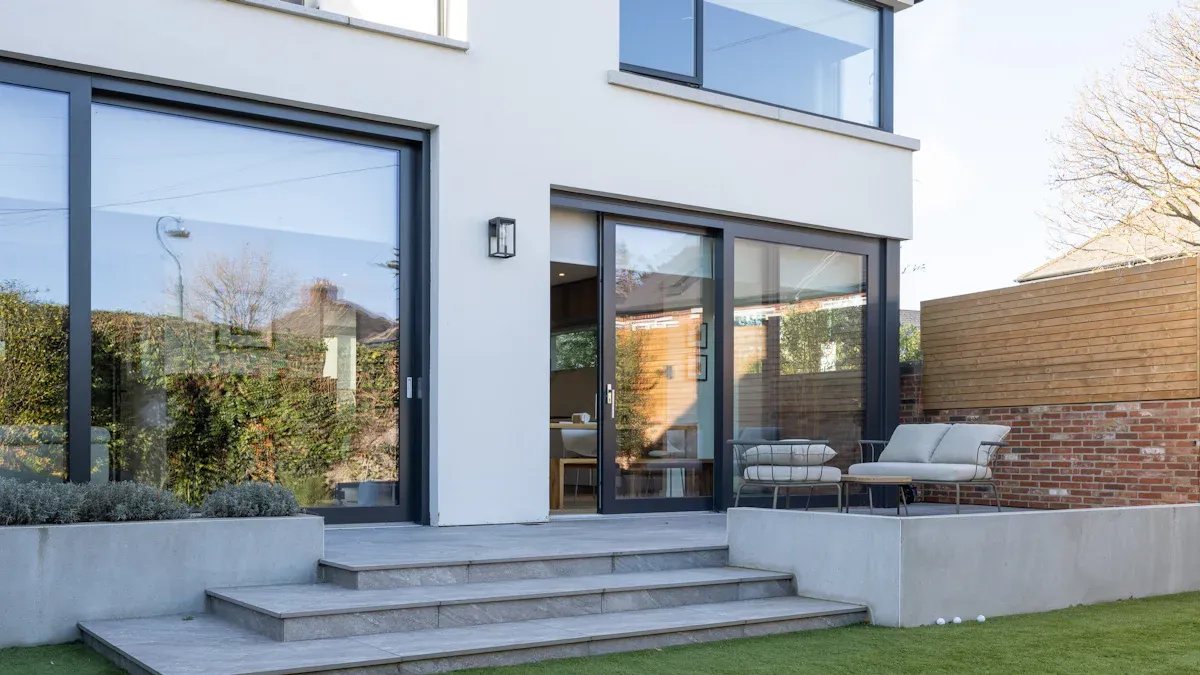
When you consider flooring options, cost is often a top priority. Concrete flooring stands out as a budget-friendly choice. The average cost per square foot for basic concrete ranges from $2 to $6, making it more affordable than many alternatives. For instance, here’s a quick comparison of costs:
Flooring Type | Cost per Sq. Ft. |
|---|---|
Concrete (Basic) | $2 – $6 |
Concrete (Mid-range) | $7 – $14 |
Concrete (High-end) | $15 – $30 |
LVT / Vinyl | $4 – $10 |
Engineered Hardwood | $8 – $16 |
Ceramic/Porcelain Tile | $10 – $25 |
Carpet | $4 – $9 |
This cost-effectiveness extends beyond installation. Concrete flooring is known for its durability, which means you won’t have to worry about frequent replacements. Over time, you’ll save money on maintenance and repairs compared to other flooring types.
Durability and Longevity
One of the most significant advantages of concrete flooring is its durability. Concrete can last for several decades, far outpacing materials like carpet, which typically lasts only 5 to 15 years. Here’s a quick look at the average lifespan of various flooring materials:
Flooring Material | Average Lifespan |
|---|---|
Concrete Flooring | Several decades |
Carpet | 5-15 years |
Vinyl | 15-25 years |
Engineered Hardwood | 20-40 years |
Ceramic/Porcelain Tile | Over 50 years |
Concrete’s resistance to wear and tear makes it an excellent choice for high-traffic areas. A recent study highlighted that properly mixed and finished concrete exhibits abrasion resistance similar to traditional cement, reinforcing its reputation for durability.
Low Maintenance
You’ll appreciate the low maintenance required for concrete flooring. Regular sweeping and occasional mopping with a neutral cleaner keep your floors looking great. Here’s a quick maintenance checklist:
Maintenance Task | Frequency |
|---|---|
Regular sweeping | Daily |
Occasional mopping with neutral cleaner | As needed |
Periodic re-polishing | Every few years |
Applying a sealer | Periodically |
Concrete repairs (for cracks/chips) | As needed |
This straightforward routine means you can spend less time cleaning and more time enjoying your space. Plus, polished concrete is particularly easy to maintain in busy environments, making it a practical choice for homes and businesses alike.
Allergy-Friendly
If you or your family members suffer from allergies, concrete flooring can be a smart choice. Unlike carpets, which trap dust, pet dander, and allergens, concrete surfaces inhibit mildew and mold growth. They are waterproof and stain-proof, allowing for easy cleanup of spills. Regular sweeping and mopping help prevent allergen buildup, creating a healthier indoor environment.
Customizable Design
Concrete flooring isn’t just practical; it’s also highly customizable. You can choose from various design options, including polished finishes, dyes, and stains. Here’s a quick overview of design options and their costs:
Design Option | Cost per Square Foot | Complexity Level |
|---|---|---|
Basic Design | $2 to $6 | Low |
Mid-range Design | $7 to $14 | Moderate |
High-end Design | $15 to $30 | High |
With techniques like stamping and stenciling, you can create unique patterns and textures that suit your style. Whether you prefer a sleek modern look or a rustic charm, concrete flooring can adapt to your vision.
Cons of Concrete Flooring
Comfort and Warmth
While concrete flooring has many advantages, comfort is a significant concern for many homeowners. You might find that concrete feels cold underfoot, especially during winter mornings. This is due to its low insulating value. Here are some common complaints regarding comfort:
Complaint | Explanation |
|---|---|
Concrete has low insulating value, making it feel cold, especially in winter. | |
Slipperiness when wet | Polished concrete can become slippery, posing a risk in areas like bathrooms and kitchens. |
Need for additional coverings | Carpets and throw rugs are recommended to mitigate the coldness of concrete flooring. |
To improve comfort, consider options like underlayment, which can prevent temperature transfer from the sub-floor. You can also explore radiant floor heating systems, which provide warmth and enhance the overall feel of your space.
Susceptibility to Cracking
Cracking is another drawback of concrete flooring that you should be aware of. Various factors can contribute to this issue, including:
Soil settlement: Shifts in the soil beneath can lead to cracks.
Water damage: Excess moisture can erode support, causing cracks.
Poor installation: Improper mixing or curing can weaken concrete.
Temperature fluctuations: Changes in temperature can cause expansion and contraction, leading to cracks.
Heavy loads: Stress from vehicles can result in cracking.
Recognizing the signs of cracks is crucial. Some cracks may be cosmetic, while others could indicate serious structural issues. Monitoring cracks can help you determine the best repair method, whether it’s using injection systems or crack fillers.
Installation Challenges
Installing concrete flooring can be more complicated than you might expect. The weight of concrete can introduce issues, especially in existing homes. Here are some challenges you may face:
Evaluating existing joist strength is essential to ensure it can support the added load.
Moisture is a significant factor in flooring failures, often overlooked until damage occurs.
Testing for moisture is crucial to ensure the slab’s condition is appropriate for flooring installation.
Additionally, concrete flooring typically requires skilled craftsmanship, which can lead to higher labor costs compared to other materials. For instance, the installation cost for sealed concrete is around $4.00 per square foot, while vinyl plank flooring can be as low as $1.50.
Limited Aesthetic Appeal
Finally, the aesthetic appeal of concrete flooring can be a concern. While it offers some customization options, many homeowners find it lacks the warmth and character of other flooring types. Here are some common aesthetic limitations:
Concrete can feel hard and cold, making a space seem uninviting.
It may not add the same warmth and character as wood or carpet.
The stark look of concrete can make a home feel unfinished or overly industrial.
While you can achieve various finishes and colors through staining or polishing, these options may not fully compensate for the inherent coldness of the material. If you’re looking for a cozy atmosphere, you might want to consider other flooring options.
In summary, concrete flooring offers several benefits, including cost-effectiveness, durability, and low maintenance. However, you should also consider its drawbacks, like comfort issues and susceptibility to cracking. Before making a decision, weigh factors such as moisture levels, intended use, budget, and desired aesthetics. This way, you can choose the best flooring for your home.
FAQ
What is the best way to clean concrete flooring?
For cleaning, sweep regularly and mop with a neutral cleaner. Avoid harsh chemicals that can damage the surface.
Can I install concrete flooring myself?
While DIY is possible, hiring professionals ensures proper installation and avoids potential issues like cracking or moisture problems.
How do I prevent my concrete floor from cracking?
To prevent cracks, ensure proper installation, control moisture levels, and consider using expansion joints for temperature fluctuations.
See Also
Discover The Advantages Of BANDě Polished Concrete Flooring
Selecting The Ideal Concrete Densifier For Warehouse Flooring
Comprehensive Guide To Concrete Sealers For Industrial Floors
Top Five Concrete Floor Hardeners For Industrial Applications
Understanding Floor Hardener: Benefits For Industrial Flooring
