

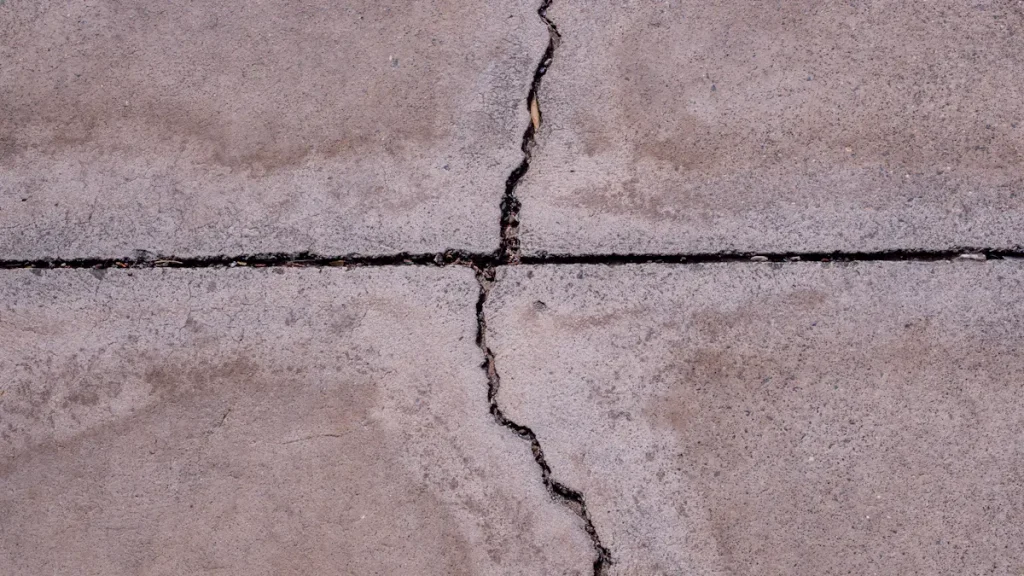
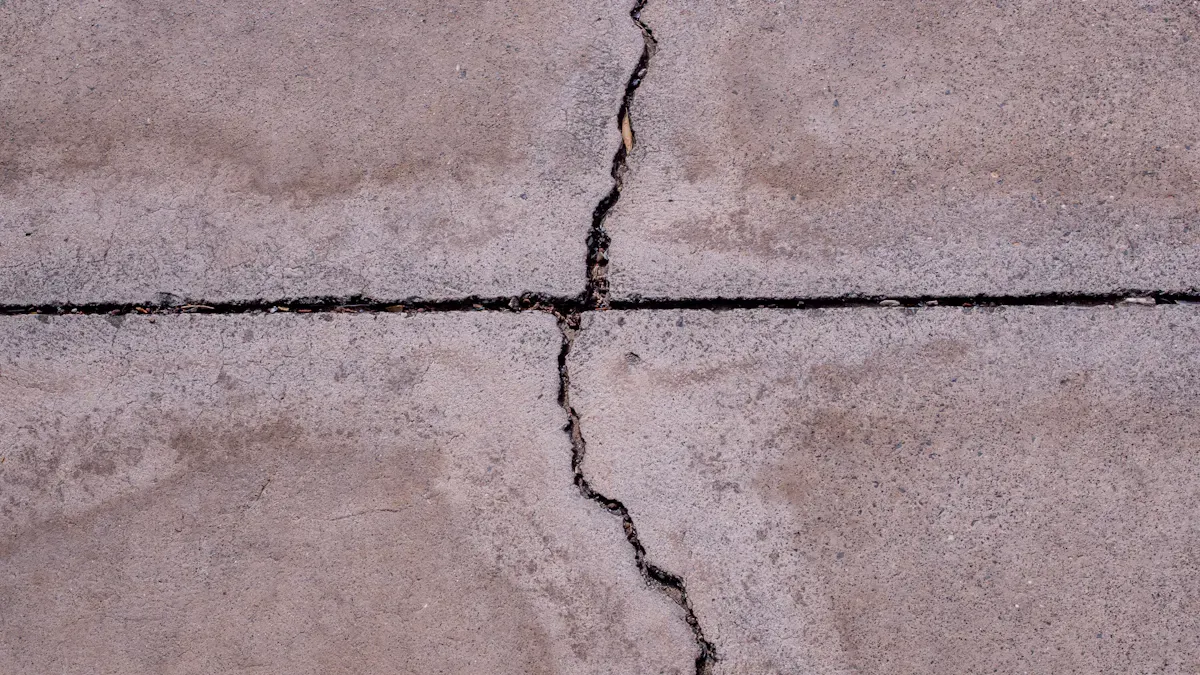
Choosing the best concrete crack filler is very important for good repairs. You need a product that lasts long and resists weather. It should also be easy to use, especially for DIY projects. Think about saving money too. Taking care of it can stop costly repairs later. Picking an inorganic concrete crack filler can help you reach these goals.
Key Takeaways
Pick inorganic concrete crack fillers for repairs that last a long time. They stick well to concrete and can handle bad weather.
Find out what type of crack you have before fixing it. Structural cracks need a pro, but non-structural cracks are usually easy to fix.
Get the surface ready before using crack filler. Clean it, shape it, and fix it to make sure it sticks well and works right.
Types of Crack Fillers
Inorganic vs. Organic Fillers
When you pick the right repair material, knowing the differences between inorganic and organic fillers is very important. Inorganic concrete crack fillers have many benefits:
Fast reaction speed: They stick quickly to concrete surfaces.
Good compatibility: These fillers fit well with concrete, making a strong seal.
Long-lasting performance: They can reactivate with water, lasting longer.
But they also have some downsides:
Reduced initial strength: Inorganic fillers might weaken concrete for a short time.
Complex preparation: Mixing and using these fillers can be harder.
Single-use repairs: They usually can only fix a crack one time.
On the other hand, organic fillers might be easier to use but often do not last as long as inorganic ones.
Self-Healing Crack Sealers
Self-healing crack sealers are a new way to fix concrete. These sealers use smart technology to fix cracks automatically as they happen. Here’s how they work:
Mechanism Type | Description |
|---|---|
Puts tiny capsules in the concrete that release healing agents when cracks happen. | |
Autogenous Healing | Uses the natural features of cement to close small cracks when moisture is around. |
Poly(urea-urethane) | Fixes itself at room temperature, achieving good healing without outside help. |
Using self-healing sealants can greatly lower maintenance costs, possibly cutting them by 70% to 90%. This technology not only makes your repairs last longer but also makes maintenance easier.
Identify the Type of Crack
Structural Cracks
First, you need to check the crack’s size, depth, and movement. This helps you find out what type of crack it is. Structural cracks can mean big problems in your concrete. These cracks are usually wider than 1/10 inch. They often show clear patterns, like stair-step shapes or horizontal lines.
To keep an eye on these cracks, you can use these methods:
Measurement Technique | Purpose |
|---|---|
Two nails method | Finds movement in one direction |
Basic crack monitors | Measures how much, direction, and speed of movement |
Ultrasonic pulse velocity (UPV) | Checks crack depth by finding breaks in concrete |
If you see a crack getting bigger or longer, you should talk to a structural engineer. They can give you a professional opinion and suggest the right ways to fix the concrete cracks.
Non-Structural Cracks
Non-structural cracks are usually not as serious. These cracks are often less than 1/10 inch wide and can appear in random shapes. They usually stay the same or grow very little over time.
To tell non-structural cracks apart from structural ones, look for these signs:
Characteristic | Non-Structural Cracks | Structural Cracks |
|---|---|---|
Size | Usually less than 1/10 inch wide | Wider than 1/10 inch |
Shapes and Patterns | Random shapes, inconsistent patterns | Clear patterns like stair-step shapes |
Monitoring Growth | Stay the same or grow very little | Tend to get bigger or longer |
If you mistake a structural crack for a non-structural one, it can cause big problems. You might only fix the signs instead of the real issue. This mistake can lead to heavy beams and weak supports, raising the chance of injury or collapse. Always take time to correctly identify the type of crack before starting repairs.
Application Techniques for Crack Repair
Preparing the Surface
Before using any crack filler, you need to get the surface ready. This step is very important for a strong bond and a long-lasting repair. Follow these steps to prepare the surface well:
Survey what you’ve got: Check the strength and moisture of the concrete. Get rid of any laitance that might affect how well it sticks.
Clean the surface: Remove all dirt, dust, oil, and grease. This helps the crack filler stick properly.
Profile the surface: Use methods like abrasive blasting to roughen the surface. Do this according to the coating manufacturer’s guidelines while also cleaning it.
Repair the surface: Grind down any bumps and fill holes or cracks. This makes a smooth, even surface for applying the filler.
Doing these steps will help you prepare the surface well, making your concrete crack repair successful.
Application Methods
After preparing the surface, you can apply the crack filler. Here are some common ways to apply different types of fillers:
Pourable Fillers: For wider cracks, pour the filler directly into the crack. Make sure the crack is clean and dry before pouring. Let the filler settle and fill the space completely.
Trowel Application: For smaller cracks, use a trowel to spread the filler evenly over the crack. Press the filler firmly into the crack to make a good bond. Smooth the surface with the trowel for a nice finish.
Injection Method: For deep or narrow cracks, use an injection method. This means using a caulking gun to inject the filler into the crack. This method makes sure the filler goes deep, giving a strong repair.
After applying the filler, let it cure according to the manufacturer’s instructions. Curing times can change based on the product, so always check the label for specific guidance. Proper curing is key for the best results in your concrete repair.
By following these application methods, you can make sure your concrete crack repair is successful and lasts a long time.
Evaluating Durability of Crack Sealers
Weather Resistance
When picking a crack sealer, think about how well it can handle different weather. Weather resistance is very important for how long your repairs will last. Here are some things that affect durability:
Factor | Description |
|---|---|
Water-binder ratio | |
Age of substrate | Changes when to apply the sealer for the best results. |
Addition of pozzolanic material | Improves the sealer and substrate’s qualities. |
Sealer type | Different sealers work better or worse than others. |
Choosing a sealer that resists weather helps your concrete repair last through rain, snow, and temperature changes. This durability helps seal and stop future cracks.
Bond Strength
Bond strength is key for how well your concrete repairs work over time. A strong bond between the concrete and the repair material makes sure your repairs can handle different loads and impacts. Research shows that many things affect bond strength:
Compressive strength
Moisture levels
Curing techniques
Surface treatments
Among these, surface treatment is very important for how the bond works. Too much moisture can weaken the bond, which is crucial for keeping your repairs strong. To get the best results, always check and maintain for long-lasting durability after using your crack filler.
By knowing these factors, you can make smart choices when picking a crack sealer. This way, your repairs will last longer and work better.
Cost Considerations for Crack Fillers
Budgeting for Materials
When you make a budget for concrete crack fillers, think about some important things. Good budgeting helps you avoid surprise costs. It also makes sure you have enough materials for your project. Here are some key points to remember:
Factor | Description |
|---|---|
Negotiate volume discounts | Save money by getting better prices when buying in bulk. |
Track material usage per job | Keep an eye on how much material you use to prevent waste. |
Reduce on-site material waste | Use methods to cut down on extra material that isn’t used. |
Verify material cost estimates | Make sure your budget shows the right costs to stay profitable. |
Plan for materials at 140% of revenue to cover costs well. |
By following these tips, you can manage your costs smartly and get the most from your investment.
Value vs. Price
When picking a crack filler, remember that price isn’t always the same as value. Cheaper fillers might save you money at first, but they may not work as well or last as long. Spending more on quality fillers can save you money later by needing fewer repairs.
Think about the long-term benefits of a pricier, high-quality product. A strong filler can handle tough weather and stick better. This means you’ll have fewer repairs and less upkeep over time. Always compare the initial cost with the savings from fewer repairs.
Picking the right inorganic concrete crack filler is very important for good repairs. Think about how long it lasts, the cost, and how to apply it. Here’s a simple table to help you choose:
Type of Filler | Key Features | Best For |
|---|---|---|
Concrete crack sealants | Great for keeping out water and bugs; dries faster than sealers. | Thin cracks |
Quick-setting cement | Sets fast; comes as a dry mix to mix with water. | Large cracks |
Patching compounds | Usually premixed; good for bigger cracks. | Larger cracks |
Hydraulic cement | Best for wet places; can be a dry mix or premixed. | Areas exposed to water |
Concrete resurfacer | Has polymers for extra strength; good for thin layers. | Multiple cracks on surfaces |
Epoxy resurfacers | Waterproof; hardens quickly; needs fast application. | Sealing cracks in different areas |
Make smart choices based on what you need. Your concrete repairs will improve with careful selection.
FAQ
What is the best way to apply concrete crack filler?
First, clean the crack. Next, prepare the surface. Then, use a good method like pouring or troweling to apply the filler.
How long does it take for crack filler to cure?
Curing times can change based on the product. Always read the manufacturer’s instructions for the best curing times to get great results.
Can I use crack filler on wet surfaces?
No, using crack filler on wet surfaces can make the bond weak. Make sure the area is dry before you start your repair.
See Also
Choosing The Ideal Cementitious Crack Sealer For Your Needs
Selecting The Best BANDě Concrete Patching Compound For You
A Comprehensive Guide To Mastering Concrete Crack Repairs
