

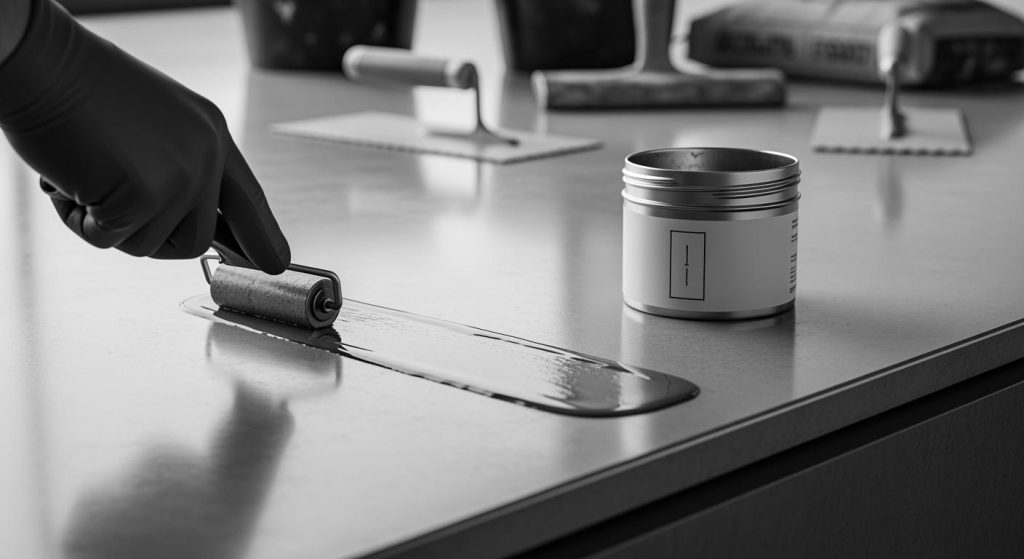
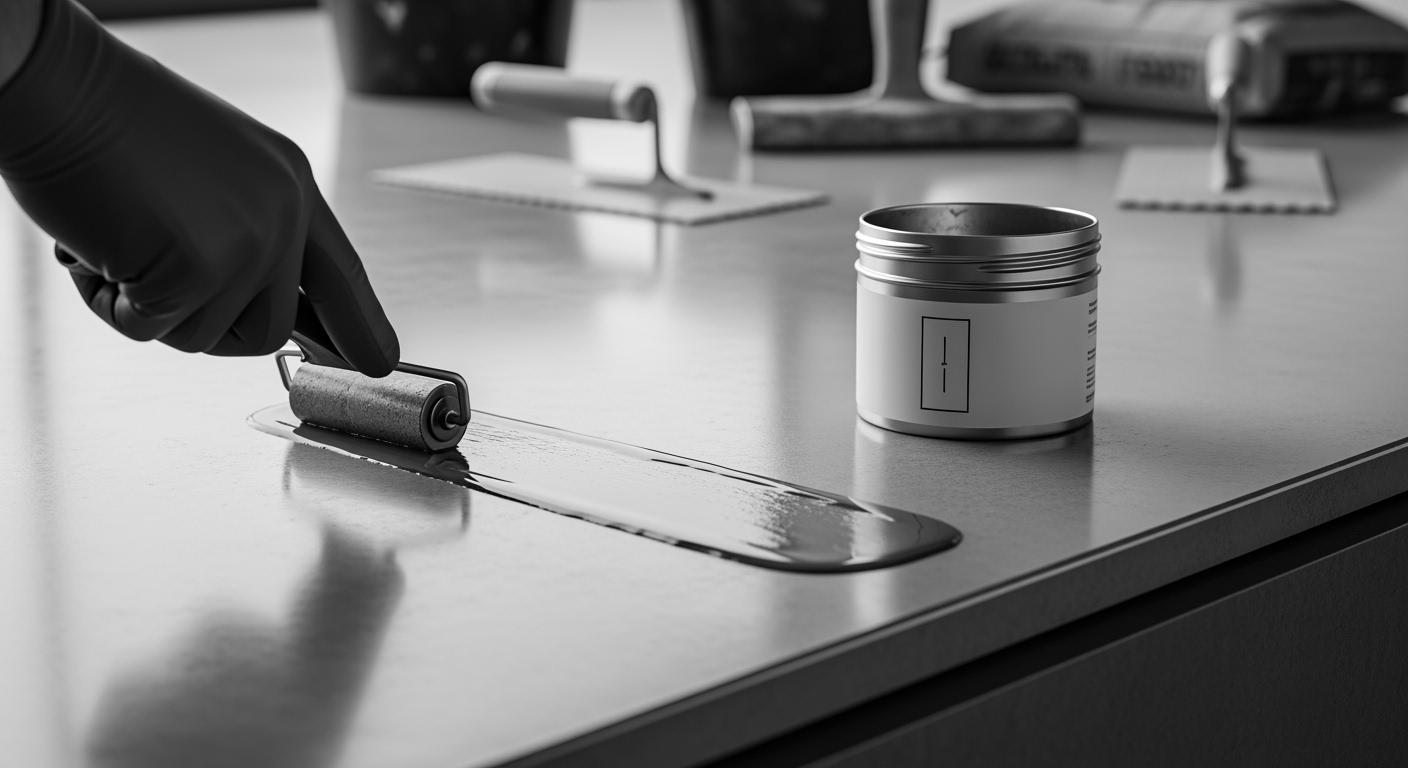
Polished concrete densifiers are essential products that enhance concrete surfaces. They work by penetrating the concrete, filling in microscopic pores, and increasing durability. Understanding these densifiers is crucial for you, whether you are a homeowner looking to improve your flooring or a professional in the construction industry seeking quality results.
Key Takeaways
Polished concrete densifiers enhance durability by filling microscopic pores, resulting in a stronger surface that can withstand heavy traffic.
Using densifiers improves the aesthetic appeal of concrete, creating a glossy finish that reflects light and elevates the look of any space.
Proper surface preparation and application techniques are crucial for achieving the best results with densifiers, ensuring long-lasting performance.
What is a Polished Concrete Densifier?
A polished concrete densifier is a liquid chemical that enhances the durability and strength of concrete surfaces. It works by penetrating the concrete and reacting with its components. This process leads to a denser and more resilient surface, making it ideal for high-traffic areas.
Chemical Composition
Polished concrete densifiers typically contain various chemical compounds that contribute to their effectiveness. Here are some common compounds found in these products:
Chemical Compound |
|---|
Sodium Silicate |
Lithium Silicate |
Potassium Silicate |
These compounds react with free lime or calcium hydroxide in the concrete. This reaction enhances the density and durability of the concrete, making it more resistant to wear and tear.
How Densifiers Work
Densifiers operate through a multi-step process that significantly improves the concrete’s properties. Here’s how it works:
Step | Description |
|---|---|
Penetration | Densifier seeps into the concrete’s surface, reaching deeper layers. |
Chemical Reaction | Active ingredients react with concrete constituents, forming new compounds. |
Increased Density | New compounds fill microscopic pores, increasing density and sealing voids. |
Enhanced Strength | Increased density improves surface hardness and compressive strength. |
When you apply a concrete densifier, it penetrates the cured concrete, soaking deep inside. The active ingredients react with chemicals below the surface, making the concrete denser. This process fills small holes, enhancing surface hardness and durability.
Most concrete densifiers require a contact time of 20-30 minutes to react effectively with the surface. During this time, the densifier should remain wet on the surface to ensure proper penetration. Inadequate dwell time can lead to incomplete reactions, affecting the performance of the densifier.
Scientific studies support the effectiveness of densifiers in improving concrete performance. For instance, research on lithium silicate solutions demonstrated their ability to significantly reduce water permeability. Samples treated with lithium densifiers exhibited about 20% better results in water permeability tests compared to untreated samples. This improvement is attributed to the formation of a gel structure that slows down water molecule movement.
Benefits of Densification
Concrete densification offers numerous advantages that enhance the performance and appearance of your concrete surfaces. Here are some key benefits you can expect when using a polished concrete densifier.
Increased Durability
One of the most significant benefits of densification is the increased durability of your concrete. When you apply a densifier, it fills the microscopic pores in the concrete, resulting in a denser and stronger surface. This process can lead to measurable improvements in compressive strength, with increases of up to 2000 psi.
Additionally, densified concrete exhibits remarkable abrasion resistance. Laboratory tests show that densified surfaces can have up to 400% greater abrasion resistance compared to untreated concrete. This means your floors will withstand heavy foot traffic and equipment use much better, reducing wear and tear over time.
Property | Improvement |
|---|---|
Abrasion Resistance | Up to 400% greater |
Impact Resistance | 30% greater |
Enhanced Aesthetic Appeal
Densifiers not only improve durability but also enhance the aesthetic appeal of polished concrete. By filling in the pores, densifiers create a smooth surface that effectively reflects light. This results in a glossy, mirror-like finish that elevates the sophistication of any environment.
You will notice that densified concrete surfaces have improved reflectivity and gloss levels, making them visually striking. This enhancement can transform ordinary concrete into a stunning feature of your space, whether in a residential or commercial setting.
Cost-Effectiveness
Investing in concrete densification can lead to significant cost savings over time. A well-maintained polished concrete floor can last over 20 years with minimal maintenance, even under heavy use. In contrast, untreated concrete may require more frequent repairs, leading to higher maintenance costs.
Here are some reasons why densification is cost-effective:
The densification process increases surface hardness, making it more resistant to wear and staining compared to untreated concrete.
The durability of polished concrete minimizes the need for frequent maintenance and replacements, translating to lower overall costs for businesses.
Densified concrete also reduces dusting, making cleaning easier and less time-consuming.
Application Process for Densifiers
Surface Preparation
Before you apply a densifier, proper surface preparation is crucial. Follow these steps to ensure optimal results:
Clean the surface to remove contaminants like oil, dirt, and previous coatings.
Repair any surface defects to ensure soundness.
Mechanically scarify or acid etch the concrete to create a rough profile for better adhesion.
You should also ensure the surface is free from sealers and curing compounds. Using tools like metal bond diamonds and auto-scrubbers can help achieve a clean surface.
Application Techniques
When you apply a densifier, timing and technique matter. Densifiers typically work best when applied between grinding steps. This helps lock in dyes and enhances the compressive strength of the surface. Here are some effective techniques:
Apply chemical hardeners at the 200-grit stage for optimal pore opening.
Test absorption rates by spraying water to ensure proper densifier penetration.
Keep the slab visibly wet for about 10 minutes during application.
Using a weed sprayer followed by a microfiber mop ensures even coverage. This method enhances the final outcome by improving surface density and durability.
Curing and Maintenance
After applying a densifier, curing is essential for achieving the best results. Maintain adequate moisture during the curing period. Rapid drying due to heat or wind can negatively impact the concrete surface.
For ongoing maintenance, consider these practices:
Weekly damp mopping with pH-neutral cleaners.
Periodic polishing with diamond-impregnated pads to maintain shine.
These steps will help preserve the durability and appearance of your densified concrete.
Polished concrete densifiers play a vital role in enhancing your concrete surfaces. They increase durability, improve abrasion resistance, and reduce dusting. Here’s a quick overview of their benefits:
Benefit/Application | Description |
|---|---|
Densifiers penetrate concrete, fusing particles into a crystalline bond, increasing density. | |
Improved Abrasion Resistance | The bonding of materials makes the surface more resistant to wear and tear. |
Reduced Dusting | Chemical densifiers minimize dusting and make surfaces less permeable to spills. |
Better Shine for Polished Concrete | Densifiers help achieve a superior shine by filling pores and enhancing surface uniformity. |
Protection Against Micro-Scratches | Densified surfaces are less prone to damage from micro-scratches due to filled pores. |
Consider using densifiers in your projects for optimal results. They not only enhance the appearance of your concrete but also ensure long-lasting performance.
FAQ
What types of surfaces can I use densifiers on?
You can use densifiers on various concrete surfaces, including floors, countertops, and driveways, enhancing their durability and appearance.
How long does it take for a densifier to dry?
Typically, densifiers dry within 1 to 2 hours, but full curing may take up to 24 hours depending on environmental conditions.
Can I apply a densifier myself?
Yes, you can apply a densifier yourself. Just follow the manufacturer’s instructions for surface preparation and application techniques for the best results.
See Also
Your 2025 Handbook for Selecting Top Concrete Densifiers
Understanding Concrete Densifiers: Their Function and Benefits
Exploring Concrete Densifiers, Hardeners, Sealers, and Their Functions
Distinguishing Between Concrete Densifiers and Hardeners Clearly
Transforming Dull Concrete Floors Into Stunning Polished Surfaces
