

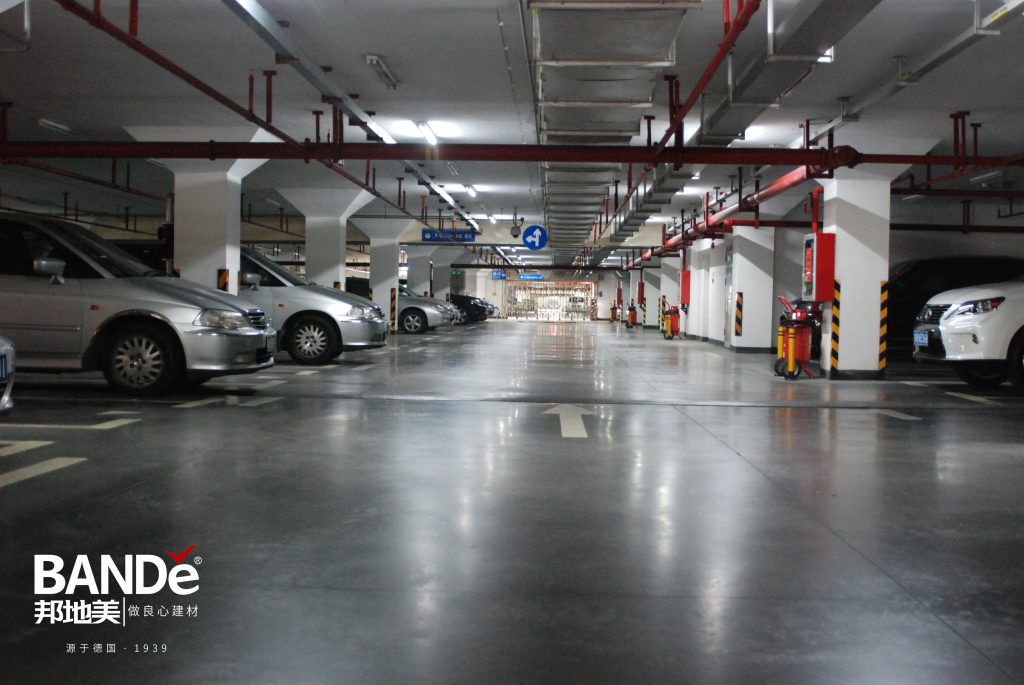
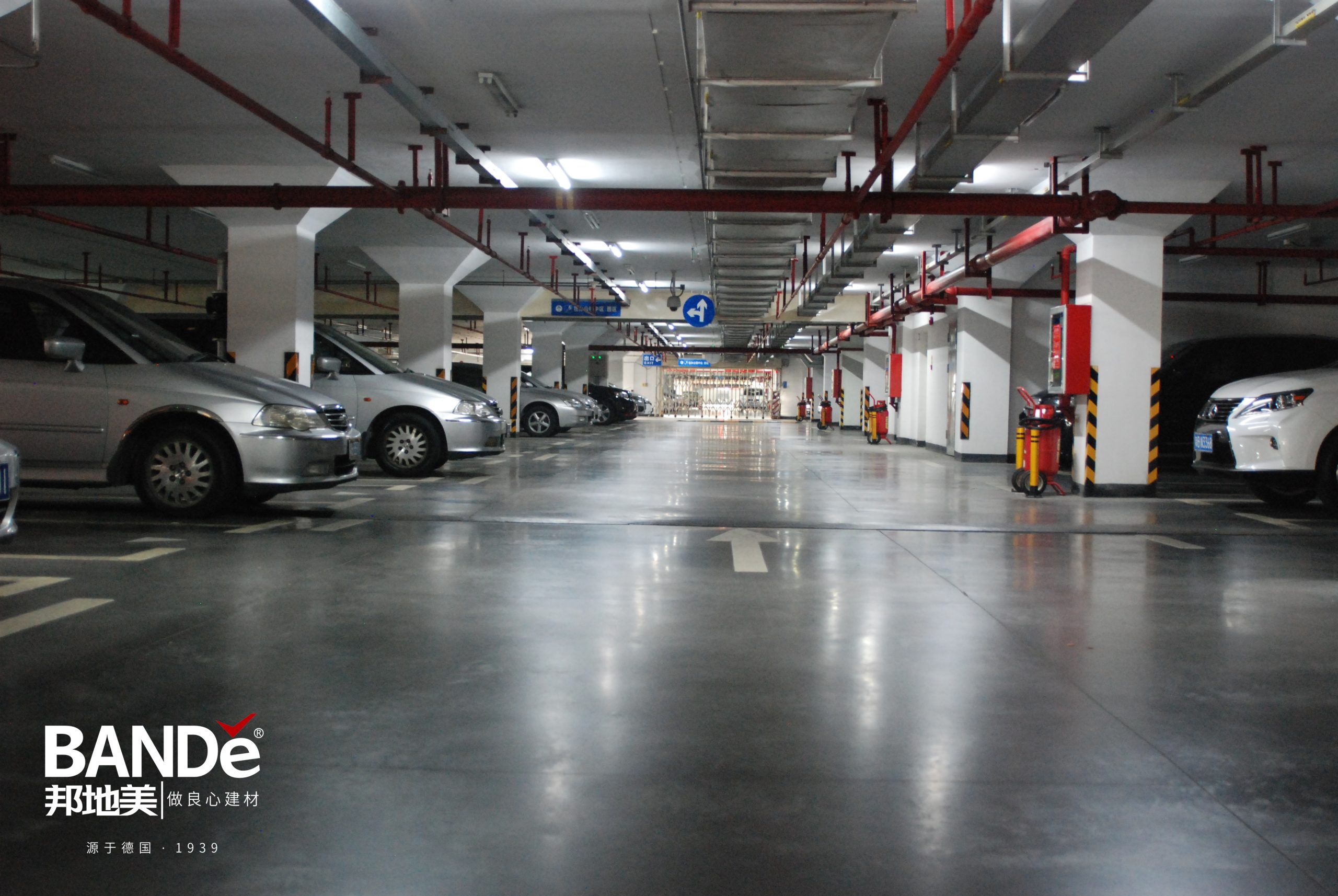
Using polished concrete densifiers makes your floors stronger and nicer to look at. Recently, there has been a 35% rise in use in many industries. Taking care of your floors is very important for the best results. To keep your floors nice, do these important things:
Damp mop with a pH-neutral cleaner every week.
Do a deep cleaning with an auto-scrubber each month.
These steps will help you keep your polished concrete floors looking great.
Key Takeaways
Cleaning often, like dust mopping and damp mopping, makes polished concrete floors look good and stops damage. – Choosing the right densifier type, like lithium or potassium silicate, makes it stronger and lowers maintenance costs. – Getting the surface ready before using densifiers helps them stick better and last longer.
Benefits of Polished Concrete Densifiers
Enhanced Durability
Using a polished concrete densifier makes your floors much stronger. Densifiers increase surface hardness, resistance to wear, and chemical strength. This helps your floors handle heavy foot traffic and resist spills and stains.
Here are some key benefits of using densifiers:
Longer Lifespan: Polished concrete floors with densifiers can last 15 to 20 years. Untreated floors usually last only 5 to 10 years.
Reduced Maintenance Costs: Stronger floors mean lower long-term maintenance costs. You will spend less time and money on repairs.
Improved Resistance: Better chemical formulas help with penetration. This makes your floors more resistant to damage.
Evidence Description | Key Benefits |
|---|---|
Densifiers and polishing compounds make surfaces harder and more resistant. | Better durability and lower maintenance costs over time. |
Advanced chemical formulas improve how well they work with different concrete types. | Better results and long-lasting durability benefits. |
Improved Appearance
Polished concrete densifiers also make your floors look better. They fill in the holes in the concrete, giving a smooth finish that shines. This creates a mirror-like look that beautifies your space and adds a classy feel.
Consider these visual improvements:
High-gloss finishes can reflect up to 90% of light, saving energy.
Reflectivity is measured with systems like Light Reflectance Value (LRV), which goes from 0-100%.
The visual benefits of polished concrete densifiers make them popular in many places, from retail stores to offices. A polished floor gives a sleek, modern look that enhances product displays and adds a professional touch to any area.
Industry/Setting | Benefits | Case Examples |
|---|---|---|
Warehouses and Distribution Centers | Strong and easy-to-clean polished concrete is great for busy logistics areas. | Resists tire marks, oil spills, and damage from forklifts and heavy machines. |
Retail Stores and Showrooms | A polished floor gives a sleek, modern look that improves product displays. | Offers a strong walking surface that stands up to heavy foot traffic. |
By using polished concrete densifiers, you not only make your floors stronger but also improve how they look. This makes them a smart choice for any space.
Applying Densifiers
Surface Preparation
Before you use densifiers, get the concrete surface ready. Follow these steps to do it right:
Clean the surface well. Get rid of sealers, curing compounds, and any dirt.
Use an auto-scrubber to clean troweled surfaces well.
Remove any curing compounds or bond breakers if they are there.
Clear all dust and debris from the surface pores.
Vacuum and auto-scrub the honed area before using the densifier. This stops dust from sticking when it dries.
Use a low-pressure pump sprayer to apply the densifier.
Getting the surface ready is very important. If you don’t prepare well, you might have problems like poor sticking, uneven finishes, and less strength. These issues can cause early wear or peeling of the surface, which affects how long your polished floor lasts.
Application Techniques
When your surface is ready, you can put on the densifier. Here are some good techniques to use:
Make sure the concrete is clean, dry, and free from dirt.
Apply the densifier by spraying or mopping. Soak the surface without making puddles.
For potassium silicate hardeners, flood the surface and scrub the solution into the concrete.
Use colloidal silicas with a sprayer and microfiber applicator. Flood the floor for at least 30 minutes.
For existing concrete, use an industrial sprayer or a lint-free mop, soaking it for 30-60 minutes.
By following these steps, you will create a strong and durable polished concrete surface that looks good and lasts a long time.
Maintaining Polished Concrete Floors
To keep your polished concrete floors looking great, you need a good cleaning routine. Cleaning often helps keep the shine and strength of the floor. Here are some important tips for daily and weekly care.
Daily Cleaning Routines
Daily cleaning is very important for your polished concrete floors. Here are some good daily cleaning tasks:
Dust Mopping: Use a dry microfiber dust mop or a soft broom to get rid of loose dust and dirt. This stops scratches and dullness over time.
Damp Mopping as Needed: If you see light stains, use a damp mop with clean water or a pH-neutral cleaner once or twice a week. This keeps the floor clean without hurting the finish.
Cleaning Spills Promptly: Wipe up spills right away with a soft cloth and warm water. Cleaning spills quickly stops stains, especially on light or shiny polished concrete floors.
By doing these daily tasks, you can really help your polished concrete floors last longer and look better. Regular cleaning protects the shine and stops early wear. If you ignore maintenance, dirt can scratch and dull the surface.
Weekly Maintenance Tips
Besides daily cleaning, you should do weekly tasks to keep the finish of your polished concrete floors. Here are some helpful tips:
Damp Mop with Neutral Cleaner: Use a damp mop with clean water or a neutral cleaner made for polished concrete floors. This helps remove tough dirt and keeps the shine.
Avoid Harsh Chemicals: Stay away from harsh chemicals that can dull the surface and ruin its shine. Use products made for polished concrete care.
By following these weekly maintenance tips, you will keep your floors looking great and make them last longer. Regular care makes sure your polished concrete floors stay a beautiful and strong part of your space.
Choosing the Right Densifier
Types of Densifiers
When you pick a densifier, you will find different types. Each type has its own special features. Here are the main types you can find:
Sodium Silicate: This densifier works with free calcium carbonate in the concrete. It makes the surface denser and usually costs less.
Lithium Silicate: Like sodium silicate, lithium silicate has different byproducts. It may have special benefits for applying, which makes it popular.
Potassium Silicate: This type works like the others but uses potassium to help. It changes the final mix and can cost more.
Densifier Type | Cost | Labor Requirement |
|---|---|---|
Sodium Silicate | Less expensive | More labor required |
Potassium Silicate | More expensive | Less labor required |
Lithium Silicate | More expensive | Less labor required |
There are also colloidal densifiers. They fill tiny pores that other types can’t reach. Their lower surface tension helps smaller particles go deeper. For the best results, think about using colloidal densifiers with silicates.
Factors to Consider
Choosing the right densifier has some important things to think about. Here are key points to remember:
Concrete Substrate: Test the specific concrete surface before using a densifier. Different surfaces can react in different ways.
Application Timing: Use the densifier after any stain or dye is applied. This helps the densifier work well with the concrete.
Surface Preparation: Make sure to use a 200-grit resin-bond diamond before applying the densifier. Good preparation makes the densifier work better.
Also, think about possible damage to the floor. If harmful chemicals are used, you might need protective coatings. Check if you need liquid hardeners and polishing, especially if heavy traffic is a problem.
The environment matters too. Keep surface and air temperatures between 40°F and 95°F when applying. High humidity can hurt how well the treatment works, so don’t apply densifiers on rainy or very humid days.
By thinking about these factors, you can choose the right densifier for your polished concrete floors. This choice will make them stronger and give a long-lasting, nice finish.
Common Mistakes to Avoid
Over-Application
Using too much densifier can cause big problems for your polished concrete floors. If you apply too much, it can make a weak layer on the surface. This layer might dust or chalk, showing that the surface is not hard enough. Here are some signs that you may have used too much densifier:
The surface feels soft, brittle, and dry, which leads to dust buildup.
It scratches easily with a nail and turns to powder under light traffic or sweeping.
To prevent these issues, make sure to use the densifier carefully. Always follow the manufacturer’s instructions closely.
Issue | Impact |
|---|---|
Using densifiers too soon or not giving enough time for absorption | Stops the concrete from getting its full hardness and strength, which affects how long the polished surface lasts and how well it works. |
Ignoring Surface Conditions
Before you use densifiers, check the surface conditions of your concrete. Skipping this step can lead to bad results. Use these tests to check the surface:
Test Method | Description |
|---|---|
Checks moisture levels within 1.0” below the surface with a non-destructive electronic meter. | |
Relative Humidity (ASTM F2170) | Measures humidity in concrete slabs using probes after drilling holes. |
Relative Humidity (ASTM F2420) | Finds surface humidity using a thermally insulated hood. |
Calcium Chloride (ASTM F1869) | Measures moisture vapor rate by placing calcium chloride in a dome on the concrete. |
By doing these tests, you can make sure your densifier application will work well. Good surface conditions help the densifier soak in better and give your floors a longer-lasting shine.
Using polished concrete densifiers makes floors stronger and look better. Getting the surface ready and applying it on time helps it work well. Cleaning often, like using pH-neutral cleaners and wiping up spills quickly, stops stains and damage. A floor that is taken care of lasts longer and keeps its shine.
Key Takeaways:
Improper sealing leads to higher maintenance costs.
Silicate densifiers help floors last longer and need fewer repairs.
Clean surfaces help the densifier work better.
FAQ
What are the best tools for maintaining polished concrete floors?
Use the right tools like microfiber mops and auto-scrubbers. These tools keep your floors clean and shiny.
How do I choose the correct cleaning solution for my floors?
Pick cleaning solutions that are pH-neutral. These products protect your polished concrete floors and keep them shiny.
Can I use densifiers in high-traffic areas?
Yes, densifiers are great for high-traffic areas. They make your polished concrete floors stronger and help them handle heavy use.
See Also
Essential Tips for Selecting the Right Concrete Densifier
Transforming Your Floors: Keeping Polished Concrete Shiny
Steps to Effectively Use Dust Sealer for Clean Floors
Complete Guide to Buying Concrete Densifiers and Sealers
Selecting the Ideal Concrete Densifier for Warehouse Surfaces
