

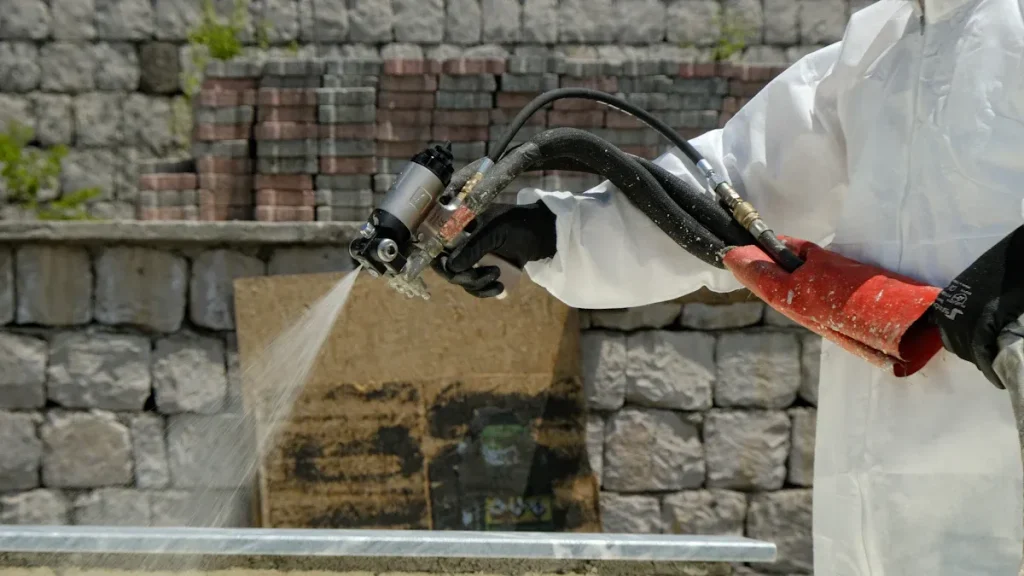
Waterproofing is crucial in construction projects as it protects buildings from water damage, which can lead to significant structural issues. When selecting the appropriate waterproofing method, it’s essential to consider your project’s specific needs and the surrounding environment.
When making your decision, think about these options:
Polyurethane sealants are robust and suitable for high-traffic areas.
Liquid membranes provide smooth coverage when applied correctly.
Silicone sealants are flexible and versatile for various applications.
In the context of flexible vs rigid waterproofing, understanding the differences can guide you in making the best choice for your project. Rigid waterproofing is ideal for creating a solid barrier, while flexible waterproofing allows for movement and adaptability in changing conditions.
Choosing the right method not only enhances the longevity of the building but also minimizes maintenance requirements.
Key Takeaways
Waterproofing keeps buildings safe from water damage. It helps maintain strength and comfort.
Flexible waterproofing can change with building movements. This makes it great for places with temperature changes.
Rigid waterproofing makes a strong barrier. It is best for underground construction and areas with high water pressure.
Picking the right waterproofing method helps buildings last longer. It also lowers maintenance costs.
Talking to a waterproofing expert ensures you choose the best method for your project needs.
What is Waterproofing?
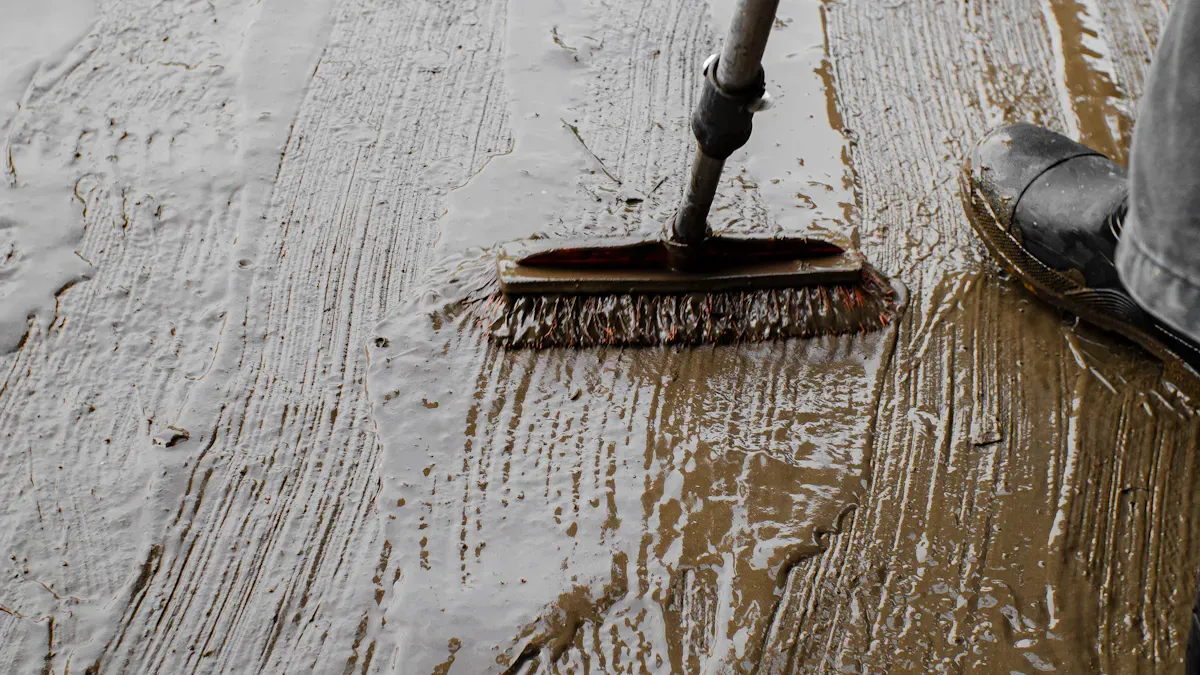
Waterproofing means making a building safe from water. This is very important in construction. It keeps buildings safe from moisture and water damage. You can think of waterproofing as a shield that protects your home from leaks and dampness.
A good waterproofing system stops water from getting into your building. It helps keep the structure strong. Without proper waterproofing, water can get into walls, floors, and foundations. This can cause mold, damage, and expensive repairs.
Here are some key reasons why waterproofing is important:
Prevents Water Damage: A good waterproofing system stops water from hurting your property. It keeps your living areas dry and comfy.
Enhances Longevity: Proper waterproofing makes your building materials last longer. It lowers the chance of damage from moisture.
Improves Indoor Air Quality: By stopping mold and mildew, waterproofing helps keep the air healthy. You can breathe easier knowing your home is safe.
Increases Property Value: A well-kept waterproofing system can raise your property’s value. Buyers often want homes without water problems.
Flexible vs Rigid Waterproofing
When you pick between flexible and rigid waterproofing, knowing their traits helps you decide better.
Characteristics of Flexible Waterproofing
Flexible waterproofing materials can change with the building’s movements. This is important in places where the temperature changes or the ground shifts. Here are some main features:
Elasticity: Flexible materials can stretch and bend without breaking. This helps them deal with small shifts in the building.
Applications: You often see flexible waterproofing in:
Basement waterproofing for city buildings
Green roofs with root protection
Heritage restoration needing flexible options
Expansion joints and building exteriors
Commercial wet areas and restrooms
Flexible waterproofing systems stay strong even with big temperature changes. They work well in cold weather, staying flexible down to -15 degrees Fahrenheit. This flexibility helps stop cracks in the waterproofing layer, lowering the chance of water damage.
Characteristics of Rigid Waterproofing
Rigid waterproofing materials make a strong barrier against water. They are great for places needing strong protection. Here are some traits:
Strength: Rigid materials give a strong defense against water getting in. They boost the strength of the building and create a solid barrier.
Common Materials: Many materials are used in rigid waterproofing, such as:
Material Type
Characteristics
Polyurethane
Gives a strong defense against water getting in.
Cementitious coating
Boosts the strength of the building and makes a solid barrier.
EPDM rubber
Strong and weather-resistant, ensuring long-lasting performance.
Rubberized asphalt
Provides flexibility and durability, good for many uses.
Thermoplastic
Light and easy to install, giving effective waterproofing.
Bituminous membrane
Makes a strong barrier against water, great for flat roofs.
PVC waterproofing membrane
Flexible and chemical-resistant, good for many settings.
Rigid waterproofing systems are often used in below-ground construction. They keep buildings safe from water damage by making a water-resistant barrier. This method is especially helpful in cities with high water levels.
Choosing the Right Waterproofing Approach
When you pick a waterproofing method, think about your project type. Each project has its own needs. For example, tall buildings need different methods than homes. Here are some good waterproofing methods for different projects:
High-Rise Waterproofing Techniques:
Curtain Walls: These systems keep weather out and provide insulation.
Rain Screens: They create a double barrier against moisture.
Balconies and Terraces: Good slope designs and waterproof layers stop water buildup.
Window Installations: Sealing with waterproof flashing stops leaks.
Liquid-Applied Membranes: Great for tricky surfaces, forming a smooth layer that fits odd shapes.
Sheet Membranes: Made for even thickness, good for wet areas like roofs.
Cementitious Waterproofing: Used in wet areas inside for its strength and works well with concrete.
On the other hand, homes might use simpler waterproofing methods. You can use flexible waterproofing in places like bathrooms and kitchens, where there is a lot of moisture.
Weather conditions also matter when choosing the right waterproofing method. If you live where it rains a lot and is humid, you need a waterproofing solution that can handle a lot of water. In these cases, flexible waterproofing is often better. It adjusts well to changing weather, keeping your building safe.
Also, local building codes can affect your choice. These rules often require certain waterproofing systems, especially in places with water pressure. For example, the International Building Code (IBC) has different rules for dampproofing based on situations. This means you should check your project needs carefully to follow local laws.
Tip: Always talk to a waterproofing expert to make sure you choose the best method for your project and weather conditions.
By thinking about both the project type and weather factors, you can make a smart choice when picking the right waterproofing method. This careful planning will help protect your investment and keep your building strong.
Roof Waterproofing Techniques
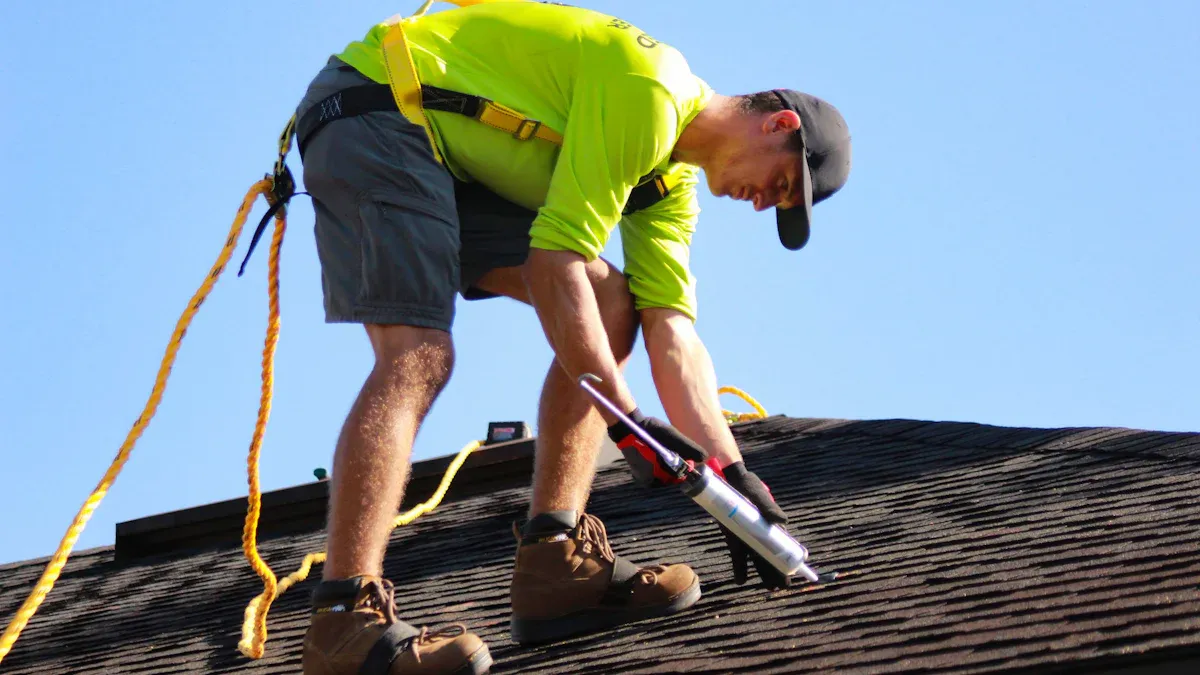
Roof waterproofing is very important. It keeps your building safe from water damage. You can pick from many good methods to keep your roof watertight. Here are some common techniques:
Liquid-Applied Membranes: These make a smooth waterproof barrier. They are safe for the environment. Their great elasticity helps them stretch with the building, stopping cracks. They also resist UV rays and bad weather.
Cementitious Waterproofing: This method uses a mix of cement and other materials. It sticks well to concrete surfaces. It works best in areas needing a strong solution.
Bituminous Membranes: These membranes are great for waterproofing. They are often used on flat roofs and can handle tough weather.
EPDM Rubber: This material is very strong and weather-resistant. It is good for both homes and businesses.
Thermoplastic Membranes: These are light and easy to put on. They are flexible and resist chemicals.
Roof waterproofing is key to keeping your building strong. Here are some main benefits:
It stops water from getting in, which helps prevent mold and wood rot.
It protects important parts of the building, making it last longer.
It helps save energy, improving how your building works.
By spending on good roof waterproofing, you keep your property safe from expensive repairs and problems. A well-waterproofed roof acts as a shield against water, keeping your building safe and sound.
Tip: Always talk to a waterproofing expert to find the best method for your roof type and local weather.
Comparing Waterproofing Methods
When you look at flexible and rigid waterproofing methods, each has its own benefits.
Pros of Flexible Waterproofing
Flexible waterproofing has many advantages:
Adaptability: It can change with building movements. This makes it great for places with changing temperatures.
Easier Application: Flexible waterproofing is easier to apply and clean up. This saves you time and effort.
Seamless Waterproof Barrier: This method makes a smooth waterproof barrier. It helps lower the chance of leaks.
Pros of Rigid Waterproofing
Rigid waterproofing has its own strengths:
Durability: It gives a strong and lasting barrier against water.
Less Frequent Maintenance: Rigid systems need less maintenance because they are durable.
Cost-Effective in the Long Run: The initial cost might be higher, but you can save money on repairs later.
Cost Considerations
Cost is important when making your choice. Here’s a look at the long-term costs of each method:
Benefit | Description |
|---|---|
Direct Savings | Stops expensive emergency repairs and mold cleanup. |
Asset Preservation | Makes roofing, walls, and foundations last longer, cutting down big costs. |
Operational Efficiency | Reduces downtime and tenant issues, helping keep occupancy rates high. |
A well-kept building with waterproofing sells for more and gets better appraisals. |
When thinking about installation, flexible waterproofing usually needs less skill than rigid waterproofing. The table below shows the installation details:
Factor | Flexible Waterproofing | Rigid Waterproofing |
|---|---|---|
Installation Complexity | Usually needs less skill | Often needs special skills |
Adaptability to Building Movement | Very adaptable to building movement | Less adaptable, more stiff |
Material Handling | Easier to handle and apply | Heavier materials, harder to work with |
By considering these points, you can make a smart choice that fits your project and budget.
In conclusion, flexible and rigid waterproofing methods have different uses. Here are the main differences:
Feature | Flexible Waterproofing | Rigid Waterproofing |
|---|---|---|
Adaptability | Changes with building movements | Creates a strong, unmovable barrier |
Installation | Easier and faster to put on | Usually needs special skills |
Cost | Usually lower starting costs | Higher initial cost |
Picking the right method is very important. You need to think about things like site conditions, water pressure, and local building rules. By choosing the waterproofing method that fits your project’s needs, you can protect against water damage for a long time.
Tip: Always talk to a waterproofing expert to make the best choice for your project.
FAQ
What is the main difference between flexible and rigid waterproofing?
Flexible waterproofing can change with building movements. Rigid waterproofing makes a strong barrier. Use flexible in places with temperature changes. Use rigid for strong and stable protection.
How long does waterproofing last?
How long waterproofing lasts depends on the method and materials. Flexible waterproofing usually lasts 10-15 years. Rigid waterproofing can last 20 years or more if you take care of it.
Can I apply waterproofing myself?
Yes, you can do some waterproofing methods yourself. Flexible options are easier to apply. But for complex projects or rigid systems, it’s better to hire a professional. They can ensure it is done right.
How do I know if my building needs waterproofing?
Look for signs of water damage. Mold, damp spots, or peeling paint mean you might need waterproofing. If you see these problems, check your waterproofing system.
What are the costs associated with waterproofing?
Costs depend on the method, materials, and project size. Flexible waterproofing usually costs less at first. Rigid waterproofing may cost more upfront but can save you money in the long run.
See Also
Choosing The Ideal Flexible Waterproof Sealant For Your Needs
Understanding Rigid Waterproof Sealers And Their Functionality
Comprehensive Overview Of Effective Concrete Waterproofing Techniques
Top Flexible Waterproof Sealers For Home Improvement Projects
