

Crack bridging waterproof coatings keep your buildings safe from water damage. They seal cracks in concrete and adjust to movement from temperature changes or settling. Their flexibility helps them stretch and shrink without breaking. This stops splits or tears from happening. It also keeps water and harmful things out, which is very important for your building’s strength. In places with freeze-thaw cycles, these coatings are especially needed. They help stop more damage from trapped water that expands in cracks.
Key Takeaways
Crack bridging waterproof coatings keep buildings safe from water damage. They seal cracks and adjust to temperature changes.
These coatings are flexible. They can stretch and shrink without breaking. This stops new cracks from forming.
Checking waterproof coatings regularly can find problems early. This helps protect against leaks for a long time.
Using crack bridging coatings in wet areas like basements and roofs is important. It helps keep the building strong.
Spending money on good waterproof coatings can save money later. It lowers maintenance and replacement costs.
Understanding Crack Bridging
Importance in Waterproofing
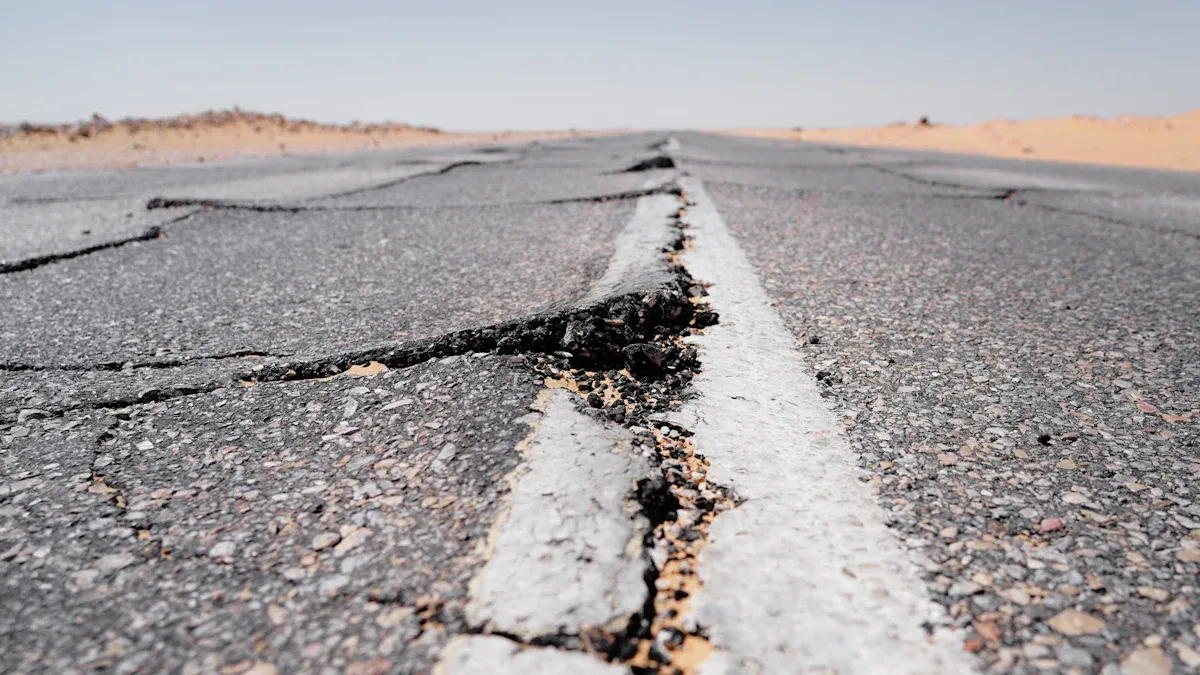
Crack bridging means a waterproof coating can stretch and seal cracks. This is very important for good waterproofing. When you put on a crack bridging waterproof coating, it moves with the building. This flexibility stops water from leaking through cracks. If water gets in, it can cause big damage over time.
You should know that there are different tests for crack bridging ability. These tests make sure the coatings work well in different situations. For example, California’s SB 721 says buildings with outside parts need checks every six years. This law shows how important it is to keep waterproof systems working. Also, California’s SB 326 requires checks every nine years for condos and homeowner groups. This focuses on following rules and fixing problems. Plus, the ICC-ES AC39 checks waterproof systems to make sure they follow current building codes.
By knowing these rules, you can choose the right waterproof coatings. Picking a coating that follows these rules helps keep your building safe from water damage.
Mechanism of Crack Bridging Waterproof Coating
Properties of Effective Coatings
Crack bridging waterproof coatings are very important for protecting buildings from water damage. These coatings can expand and shrink when temperatures change. This flexibility helps them move with the building without breaking. In places with freeze-thaw cycles, this feature is very important. Water stuck in cracks can freeze, expand, and cause more damage. A good waterproof coating stops this by staying strong during these changes.
The sealing process of these coatings is very important. They form a flexible layer that stretches over cracks. This layer stops water from leaking through, acting as a waterproof barrier. The coatings also help stop new cracks from forming by moving with the building. Here are some key properties that make a waterproof coating effective:
Thickness: This is important for how well the coating works.
Tensile Strength: This helps the coating resist forces without breaking.
Flexibility: This lets the coating stretch and adjust to crack movements.
Elasticity: This means it can return to its original shape after being stretched.
Adherence to Performance Standards: This ensures it works well in different conditions.
“Crack bridging means a coating can stretch over cracks in concrete without breaking or losing its grip. This makes a smooth protective layer that stops water and other harmful things from getting in.”
Also, modern waterproof coatings have better elasticity. They can cover cracks of up to 0.4 mm or more. High-quality membranes can handle cracks up to 3.42 mm. Liquid rubber coatings can stretch between 400% to 800% without breaking, making them strong against mechanical and chemical stress. These new technologies make crack bridging waterproof coatings a great choice for lasting protection.
Summary of Key Properties:
Flexibility: Adjusts to building movements.
Sealing Capability: Stops water from getting in.
Durability: Resists environmental stress.
By knowing these properties, you can see how crack bridging waterproof coatings work well. They not only seal cracks but also stop new ones from appearing, keeping your buildings safe and dry.
Benefits of Crack Bridging Waterproof Coatings
Crack bridging waterproof coatings have many benefits. They are very important for keeping your buildings safe. Here are some main advantages:
Durability: These coatings can handle tough weather. They change with temperature and building movements. This helps them work well for a long time. Their strength stops water from getting in, which can cause big problems.
Flexibility: The flexibility of these coatings helps them move with changes in the environment. This includes temperature changes and stress on the building. This ability stops cracks from forming. It helps the coatings stay protective over time. Without good crack bridging, coatings can break or tear. This can let water and harmful things in.
Long-term Protection: You can trust these coatings for lasting safety against water damage. They create a strong barrier that keeps moisture out of your building. This barrier is very important for keeping your structure strong.
Cost-effectiveness: Spending money on crack bridging waterproof coatings can save you cash later. Their durability means you won’t need to replace them often. They also need less upkeep than regular waterproofing methods.
Ease of Application: Putting on crack bridging waterproof coatings is easy. Cold-applied systems are simpler to use and need fewer layers than hot-applied systems. This makes it less likely to make mistakes during installation and speeds up the job.
Tip: Regular checks can help you find any wear or problems early. Look for signs like bubbling, peeling, or standing water to keep your coatings working well.
Applications of Crack Bridging Waterproof Coatings
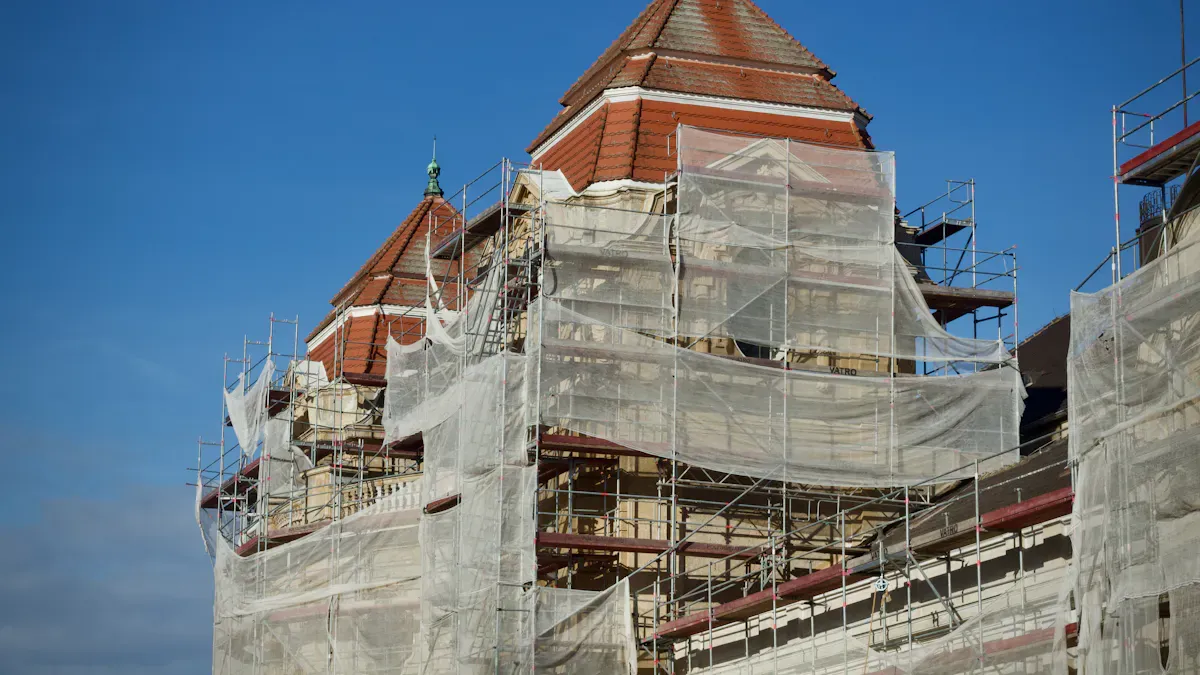
Crack bridging waterproof coatings are very important for keeping different buildings safe from water damage. You can use these coatings in many parts of your home or building, such as:
Basements: These places often have a lot of moisture. Coatings here stop water from leaking through cracks, keeping your basement dry.
Roofs: Roofs face tough weather. Using crack bridging coatings helps seal any cracks that might form, making sure your roof stays waterproof.
Foundations: Foundations are key for keeping buildings strong. Coatings protect against hydrostatic pressure, which can push water through small cracks.
Here are some specific places where you can use these coatings:
Bathrooms: High humidity makes bathrooms likely to get water damage. Crack bridging waterproof coatings work well even when small cracks show up. They stop leaks and protect your walls and floors.
Kitchens: Kitchens also get moisture from cooking and cleaning. Using waterproof coatings here makes sure that water does not get in and cause damage.
Balconies: Balconies are often outside and face the weather. Coatings like Triflex ProTect and Triflex BTS-P offer great waterproofing, even when water collects. They help keep your balcony strong while making it look nice.
Besides these areas, you can use crack bridging waterproof coatings on terraces and other outdoor spots. They create a strong protective layer that stops water and moisture from getting in. This is very important to avoid long-term damage from rain and leaks.
Tip: Check areas where you put these coatings regularly. Look for signs of damage, like bubbling or peeling, to make sure your waterproofing works well.
In conclusion, crack bridging waterproof coatings are very important for keeping your buildings safe from water damage. They make a strong barrier that stops water from getting in, which is key to preventing freeze-thaw damage. These coatings are both flexible and strong. This means they can cover small cracks and handle stress. Their flexibility also helps stop new cracks from happening.
Experts say you should check how well these coatings stick and their chemical compatibility. One study showed that a polyurea crack bridging system stayed 100% waterproof after 10 years, even with many freeze-thaw cycles. By picking the right waterproof coatings, you can make sure your buildings stay protected for a long time.
FAQ
What is crack bridging waterproof coating?
Crack bridging waterproof coating is a flexible layer. It seals cracks in concrete. It can expand and shrink with temperature changes. This stops water from leaking in and causing damage.
How long does crack bridging waterproof coating last?
The life of crack bridging waterproof coating depends on the product and conditions. Many good coatings can last up to 10 years or more. This is true if you apply and maintain them properly.
Can I apply crack bridging waterproof coating myself?
Yes, you can put on crack bridging waterproof coating by yourself. Most products have clear instructions. Make sure to prepare the surface well for the best results.
Where should I use crack bridging waterproof coatings?
You should use crack bridging waterproof coatings in places that get wet. This includes basements, bathrooms, kitchens, roofs, and balconies. These areas really need extra protection.
How do I maintain crack bridging waterproof coatings?
Check the coatings regularly for signs of wear. Look for bubbling or peeling. Clean the surfaces and reapply as needed. This helps keep protection against water damage.
See Also
Achieving Perfect Waterproof Coating On Various Surfaces
The Complete Guide To Cement Crack Sealing For Durability
Comparing Film-Forming And Penetrating Sealers For Australia
