

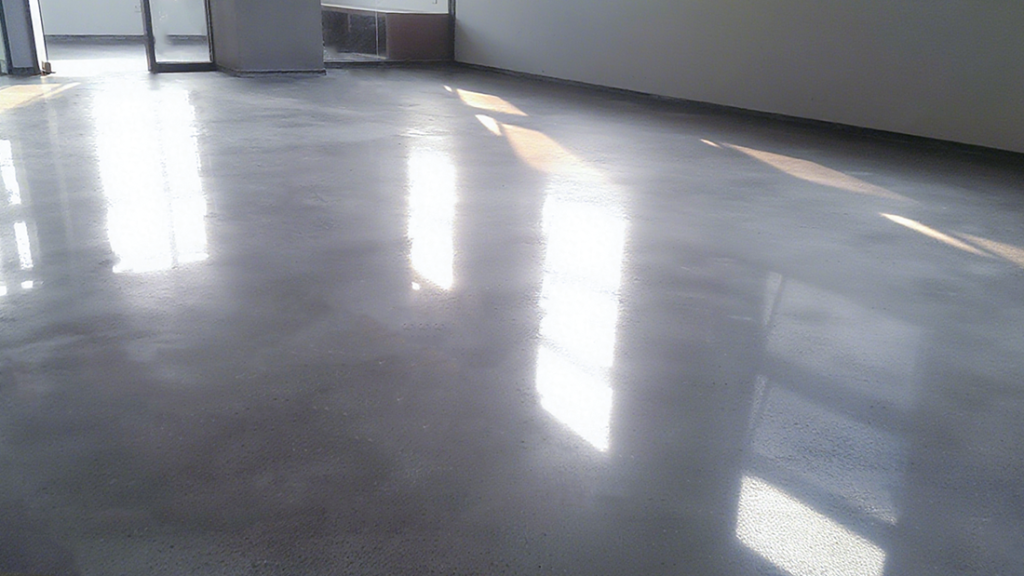
Clean warehouse floors are very important for safety and efficiency. Liberty Mutual says falls cost employers almost $10 billion each year. Keeping floors clean lowers risks and makes the workplace safer. Additionally, if you’re wondering how to fix a dusty and sandy cement floor in a warehouse, using a specialized curing agent can significantly enhance the surface. Studies show that a neat workspace helps workers feel better and work harder. For example, clean hallways and training rooms help people focus and demonstrate that you care. A clean warehouse also positively influences customers’ perceptions, showcasing professionalism and trust.
Remember, a clean floor is not just for looks; it affects how well your team works and how people see your brand.
Key Takeaways
Clean warehouse floors often to stop slips and falls. A clean area keeps workers safe and lowers the chance of accidents.
Use strong cleaning machines for better and faster results. The right tools save time and make cleaning easier.
Make a cleaning plan with daily sweeping and weekly scrubbing. This stops dust and dirt from piling up.
Think about using curing agents to make floors stronger. They help with cleaning and keep the space safe and tidy.
Teach workers how to clean safely and use tools correctly. This keeps everyone safe and encourages cleanliness at work.
Importance of Regular Cleaning
Safety Considerations
Cleaning your warehouse floors regularly is very important for safety. Dirty floors can cause serious accidents. Clutter and trash can make slips, trips, and falls more likely. To keep your workspace safe, follow these tips:
Keep floors clean and free from dirt and trash.
Make sure work areas are tidy and organized.
Light up the warehouse to help people see better.
Don’t carry things that block your view.
Watch where you walk.
Use lights or floor tape to mark walking paths.
By fixing these problems, you make a safer place for your workers. Remember, over 3,000 slip and trip injuries happened in warehouses in 2017. Cleaning and organizing can really lower these risks.
Operational Efficiency
A clean warehouse floor helps your work run smoothly. When you keep things clean, people and equipment can move easily. This cuts down on delays and helps everyone work better. Here are some good things about a clean space:
Regular cleaning stops slippery floors, making it safer and more productive.
An organized warehouse helps manage inventory, making picking and packing easier.
Cleaner places work better than messy ones, leading to fewer mistakes.
Having a floor maintenance plan makes sure your cleaning matches where people walk and what the floors are made of. This not only cuts risks but also lessens downtime. By focusing on cleanliness, you improve both safety and efficiency in your warehouse work.
Cleaning Practices for Dusty Floors
Keeping your warehouse floors clean is very important for safety and efficiency. Dusty and sandy cement floors can cause accidents and slow down work. Here are two good cleaning practices to keep your space clean.
Regular Sweeping
Regular sweeping is a basic way to keep your warehouse floors clean. It helps get rid of dirt, dust, and debris that build up over time. You should try to sweep daily in busy areas. This can remove up to 80% of dust and dirt, which helps protect equipment and keeps the workplace safe. Here are some tips for good sweeping:
Use industrial brooms or sweepers made for warehouses.
Sweep and mop busy areas every day to clear dirt, debris, and spills.
Plan weekly sweeping for less busy areas to stay clean.
By having a regular sweeping routine, you can greatly lower the chances of slips and falls.
Deep Scrubbing
While regular sweeping is important, deep scrubbing is needed for a thorough clean. This method gets rid of tough grime and stains that sweeping cannot handle. Deep scrubbing uses special equipment to clean large areas fast and well. Here are some benefits of deep scrubbing compared to regular sweeping:
Advantage | Deep Scrubbing | Regular Sweeping |
|---|---|---|
Effectiveness | Cleans deeply in one go | Often not enough for a complete clean |
Productivity | Cleans large areas quickly with less effort | Takes more time and labor |
Safety | Leaves floors dry, lowering slip risks | Can kick up dust, affecting air quality |
Deep scrubbing not only makes things cleaner but also boosts safety by keeping floors dry and slip-free. You should think about scheduling deep scrubbing weekly or every two weeks, based on how busy your warehouse is and how clean it needs to be.
Along with these practices, think about using a curing agent to fix dusty and sandy cement floors in your warehouse. This product can stabilize and improve the surface, making it easier to keep clean over time.
By following these cleaning practices, you can create a safer and more efficient warehouse environment.
Choosing the Right Equipment
Picking the right equipment is very important for cleaning warehouse floors well. The right tools can help workers be more productive and keep the workplace safe. Here are some key types of equipment to think about.
Types of Equipment
Common cleaning machines in warehouses include walk-behind and ride-on floor scrubbers and sweepers. These machines work fast and efficiently, which is important for big floor areas. They can pick up different amounts of dirt and move easily in small spaces. Some models can sweep and scrub at the same time, saving time and labor costs. Buying industrial-grade sweepers is a smart choice. These machines are built for tough cleaning jobs, making them much better than regular cleaning tools. They have bigger debris containers and better filters, which helps them clean more effectively.
Using Curing Agents
Curing agents are very important for keeping warehouse floors clean and strong. They make the surface stronger and help with cleaning, so they are a must-have for any warehouse care plan.
Benefits of Curing Agents
Using curing agents on your warehouse floors has many benefits. These products are made to fix problems like dusty and sandy cement floors, which can hurt safety and efficiency. Here are some main benefits:
Benefit | Description |
|---|---|
Enhanced Durability | Curing agents make a strong structure, improving floor strength. |
Chemical Resistance | They protect floors from damage by oil, heat, and harmful chemicals. |
Improved Cleanliness | The smooth surface stops dirt and germs from building up, making cleaning easy. |
By using a curing agent, you can change weak, dusty floors into strong surfaces that handle heavy use and resist damage. This not only makes your warehouse floors last longer but also cuts down on cleaning time and effort.
Application Techniques
To get the most from curing agents, applying them correctly is very important. Follow these steps for the best results:
Prepare the Surface: First, clean the floor well to get rid of dust, debris, and loose particles. Use a plastic broom or industrial sweeper for this.
Apply the Curing Agent: Shake the curing agent well before using it. Spread it evenly on the floor with a sprayer or roller. Let it soak into the surface for at least two hours. This helps it bond well.
Rinse and Finish: After the curing agent has set, wash the floor with water to remove any leftover product. Once dry, you can do any extra surface treatments if needed.
Pro Tip: For floors that are very weak or have a lot of dust, you might need to apply the curing agent several times for the best results.
Safety Precautions
When using curing agents, safety is key to protect yourself and your team. Here are some important safety tips to follow:
Make sure there is good airflow to reduce exposure to vapors or dust.
Wear gloves, safety goggles, and protective clothing that resist chemicals.
Avoid breathing in vapors or spray mist; use a mask if needed.
Keep the product away from heat and open flames.
Do not eat, drink, or smoke in the area where you apply it.
By following these steps and safety tips, you can use curing agents on your warehouse floors effectively, making the space cleaner, safer, and more durable.
Note: BANDě Curing Agent is a special product made to solve the problems of dusty and weak cement floors. Its water-soluble and eco-friendly formula is perfect for warehouses and busy areas. With its ability to bond, stabilize, and improve surfaces, it offers a cost-effective way to keep floors clean and strong.
Maintaining Cleaning Equipment
Taking care of your cleaning equipment is very important for keeping warehouse floors clean. Regular care helps your machines work well and last longer. Here are some easy maintenance tips to follow:
Routine Maintenance Tips
Daily Dry Cleaning: Sweep and control dust every day. This keeps dirt and dust away, which protects your equipment.
Wet Mopping vs. Machine Scrubbing: Use special machines for deep cleaning. This makes sure your floors are cleaned well without getting damaged.
Degreasing and Oil Spill Removal: Clean up spills right away. This stops stains and makes slips less likely.
Pressure Washing for Heavy Contamination: Use pressure washing to get rid of grease and stains. This helps your floors last longer.
Regular Maintenance Schedule: Mix daily sweeping, weekly scrubbing, and deep cleaning sometimes. This keeps your warehouse safe and running well.
By following these tips, you can help your cleaning equipment last longer and keep your space clean.
Keeping your warehouse floors clean is very important for safety and efficiency. Cleaning regularly helps prevent slips and makes managing inventory easier by reducing mistakes and saving time. A clean space also lowers maintenance costs and helps workers stay healthy and happy. By using the cleaning tips mentioned, you can make your workspace safer and improve productivity. Remember, buying better cleaning tools can save you money in the long run. Start using these tips today to manage your warehouse better!
FAQ
What is the best way to keep warehouse floors clean?
You need to sweep regularly and scrub deeply. Use strong equipment for better results. Think about using a curing agent to make the floor stronger and easier to clean.
How often should you clean warehouse floors?
Sweep busy areas every day. Plan to deep scrub weekly or every two weeks. This helps stop dust from building up and keeps the workplace safe.
Why use a curing agent on warehouse floors?
A curing agent makes floors last longer and stay clean. It strengthens the surface, which cuts down on dust and makes cleaning simpler. This is a good investment for safety and efficiency.
What equipment is recommended for cleaning warehouse floors?
Use industrial sweepers and scrubbers. These machines work well for big areas. Pick models that fit your warehouse’s needs for the best results.
How does a clean warehouse floor impact productivity?
Clean floors lower slip risks and help work flow better. This means fewer accidents and delays, which boosts productivity and makes workers happier.
See Also
Selecting The Ideal Concrete Densifier For Warehouse Flooring
Top Floor Hardening Options For UK Industrial Warehouses
Best Floor Hardening Solutions For Warehouses In Philippines
