

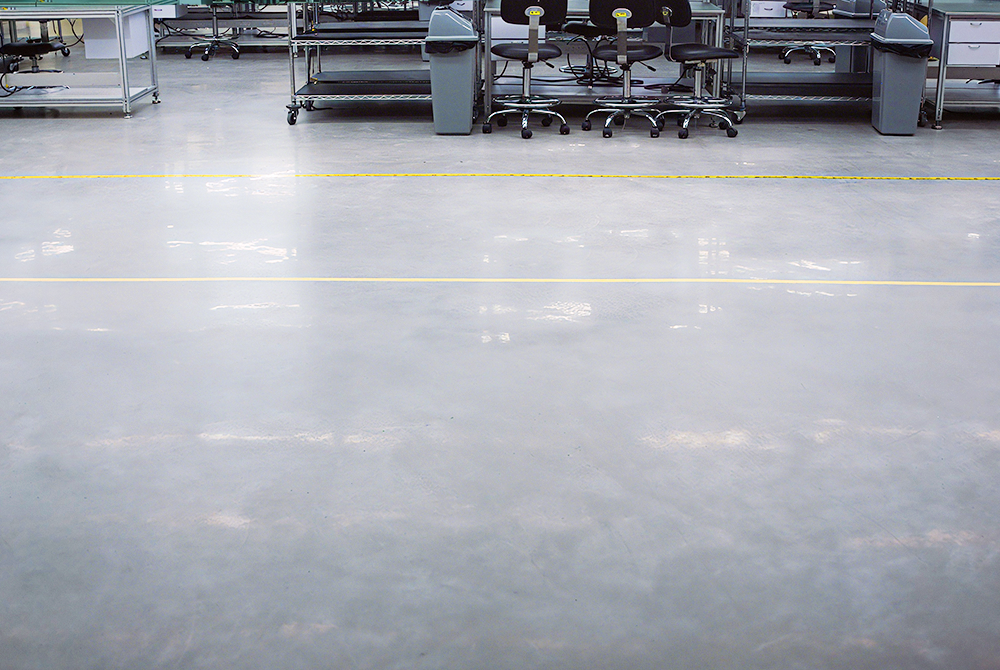
Curing is very important for concrete, especially for weak floors. Good curing helps concrete get strong and last longer. If you’re wondering how to apply liquid curing agent on weak concrete floor, using these agents can really improve weak concrete. These agents have many benefits:
Benefit | Description |
|---|---|
You don’t need wet curing or old curing products. | |
Uniform Hydration Across the Entire Matrix | It gives even hydration for a stronger mix with less water flow. |
Reduced Shrinkage and Curling | It lowers shrinkage and stress, which means less curling and bending. |
Enhanced Finisher Control | It cuts down evaporation in tough weather, giving better control when finishing. |
Superior Abrasion and Chemical Resistance | It creates strong surfaces that work well for busy areas. |
By using these methods, including how to apply liquid curing agent on weak concrete floor, you can make your concrete floors last longer and work better.
Key Takeaways
Curing is very important for concrete strength. It helps weak floors avoid damage and last longer.
Pick the right liquid curing agent, like BANDě, for good results. It works fast and is easy to use.
Clean the concrete surface well before using the curing agent. This helps it stick better and work well.
Watch the curing conditions carefully. Keep the temperature and humidity just right to stop cracks and help hydration.
Stay away from common mistakes, like applying unevenly and letting people walk on it too soon. These can make the concrete weaker.
Curing Importance
Benefits of Proper Curing
Proper curing is very important for making concrete strong, especially for weak floors. When you do good curing, you can get many benefits:
Increased Compressive Strength: Research shows that good curing makes concrete much stronger. For example, studies on self-curing compounds show that works better than other agents for strength and durability. This shows how important curing is for getting the best results.
Improved Durability: Well-cured concrete can resist bad weather better. It can handle freezing and thawing, which helps it stay strong over time. This durability is very important for weak concrete floors that can get damaged easily.
Enhanced Surface Hardness: Good curing makes the surface harder and more resistant to wear. For instance, dry shake hardeners can greatly improve the surface of concrete floors. They help reduce dust and liquid absorption, making them last longer.
Consequences of Poor Curing
Ignoring proper curing can cause big problems that hurt your concrete. Here are some issues you might see:
Reduced Strength: Without good curing, concrete may not get as strong as it should. This can lead to weak floors that crack and get damaged easily.
Increased Shrinkage and Cracking: Bad curing can cause too much shrinkage and cracking. This affects how the floor looks and how strong it is.
Shortened Lifespan: Concrete that is not cured properly usually lasts less time. You might need repairs or replacements sooner than you think, which can cost more money.
Preparing the Concrete Surface
Before you put on a liquid curing agent, get the concrete surface ready. This helps the curing agent work well and makes the floor last longer.
Cleaning the Floor
Cleaning the concrete surface is very important. Follow these steps to make sure the surface is clean and ready:
Acid Etching: Use diluted hydrochloric acid to take off laitance and open pores. Rinse it well afterward to stop salt from forming.
Solvent Cleaning: Use emulsifiable solvents to get rid of rubber burns, grease, and oil. Rinse thoroughly with water after.
Degreasing: Use a strong degreaser like Polycote Degrease IT to remove grease and oils, then rinse.
Hand Tool Cleaning: Sand and wire brush the surface to take off loose stuff and create a key for coatings.
Mechanical Cleaning: Use machines like blasting or scarifying for quick surface prep. Make sure trained workers use the equipment to avoid damage.
Assessing Surface Condition
After cleaning, check the surface condition to make sure it’s ready for the curing agent. Think about these points:
Look for porosity, cracks, and signs of curing compounds.
Test soundness by scratching the surface; a shiny mark means it’s sound, while a gouge means it’s not.
Take off weak or damaged concrete and fix surface problems like blowholes and voids with the right materials.
Prepare concrete surfaces mechanically to remove dirt and get a clean profile. Shot blasting is the best way to roughen the surface.
Check moisture content using pre-test conditioning for at least 48 hours before applying coatings.
Make sure new concrete cures for at least 28 days before testing. Keep stable conditions during the testing time.
It’s very important to ensure there’s no standing water on the surface before applying the curing agent. Water can mess up the curing process, which affects the floor’s strength and how long it lasts.
How to Apply Liquid Curing Agent on Weak Concrete Floor
Choosing the Right Curing Agent
When picking a curing agent for weak concrete floors, think about what your project needs. A great choice is the BANDě curing agent. This product is made for low-strength concrete. It quickly makes the surface stronger, which is perfect for projects that need to be done fast. BANDě is a water-soluble inorganic compound. This means it is safe for the environment and easy to use.
Here are some important features of BANDě that make it a good option:
Fast Acting: It boosts surface strength quickly.
Easy Application: You can use it without complicated steps.
Versatile Use: Good for many surfaces, like factory floors and garages.
Application Process Steps
Applying a liquid curing agent like BANDě is simple. Follow these steps to make sure you apply it correctly:
Gather Your Tools: You will need these items:
BANDě curing agent
Plastic broom or squeegee
Clean water for rinsing
Protective gear (gloves and goggles)
Prepare the Surface: Make sure the concrete surface is clean and dry. Get rid of any dirt, dust, or standing water. This step is very important for the curing agent to stick well.
Shake the Curing Agent: Before using BANDě, shake the container well. This makes sure the product is mixed right and ready to use.
Apply the Curing Agent:
Use a plastic broom or squeegee to spread the curing agent evenly on the surface.
Be sure to cover the whole area without leaving any dry spots.
Soak the Surface: Let the curing agent soak into the concrete for at least two hours. This soaking time is important for the agent to get in and bond well.
Clean Up: After soaking, rinse the surface with clean water. This step helps get rid of any extra curing agent and gets the surface ready for any next steps.
Monitor Conditions: Watch the curing conditions. Don’t apply the curing agent on rainy days, as moisture can change how it works.
By following these steps, you will successfully apply a liquid membrane-forming curing compound to your weak concrete floor. This process will make your concrete stronger and help it last longer, so it can handle wear and tear over time.
Post-Application Care
Monitoring Curing Conditions
After you put on the liquid curing agent, watch the curing conditions closely. This helps the concrete get as strong and durable as possible. Here are some important things to remember:
Temperature: Keep the temperature between 50°F and 75°F. This helps the concrete stay hydrated and gain strength without drying out or freezing.
Humidity: Make sure there is enough moisture. This is key for the cement to hydrate properly. You can keep moisture by:
Using wet covers like burlap.
Using water curing methods.
Environmental Factors: Watch out for strong winds and direct sunlight. These can speed up evaporation and cause the surface to shrink. To help with this, use protective barriers like plastic sheets or curing blankets to keep moisture in.
Common Mistakes to Avoid
Steering clear of common mistakes during curing can really improve your results. Here are some things to avoid:
Neglecting Moisture Levels: Not keeping enough moisture can cause cracks. Check humidity often and use misting if needed.
Ignoring Temperature Fluctuations: Very high or low temperatures can hurt hydration. Keep an eye on the temperature and change your curing methods if needed.
Applying Curing Compounds Unevenly: Make sure to spread the curing agent evenly for a consistent look and finish. This helps prevent weak spots.
Allowing Foot Traffic Too Soon: Keep people off the concrete during the early curing stages. This stops damage and keeps the surface strong.
By following these tips, you can make sure your weak concrete floors get the best care after applying the curing agent. This will help them become strong and last longer.
To sum up, using liquid curing agents like BANDě is very important. It helps make weak concrete floors stronger and last longer. Here are the main steps to follow:
Clean and check the surface to get it ready.
Pick the right curing agent for your project needs.
Spread the agent evenly and let it soak well.
Good curing helps the cement hydrate fully. This is needed to make the concrete strong enough to hold weight without cracking. Focus on keeping moisture, controlling temperature, and using the right compounds. These steps will help your concrete floors stay strong and work well in tough conditions. 🌟
FAQ
What does a liquid curing agent do?
A liquid curing agent helps keep moisture in the concrete. This allows the concrete to hydrate properly, making it stronger and less likely to crack. It also improves durability, which is helpful for weak concrete floors.
Can I use a curing agent on a wet surface?
No, the surface needs to be clean and dry first. Water or dampness can stop the curing agent from sticking and soaking into the concrete correctly.
How long should the curing agent stay on concrete?
The curing agent should stay on the concrete for at least two hours. This gives it enough time to soak in and stick to the surface for the best results.
Is BANDě curing agent okay to use indoors?
Yes, BANDě is safe to use indoors. It is water-based, non-flammable, and eco-friendly. But always wear gloves and goggles when applying it.
See Also
Choosing The Ideal Concrete Floor Hardener For 2025
Understanding BANDě Concrete Floor Hardener: Essential Insights
Five Simple Tips For Concrete Hardener In 2025
