

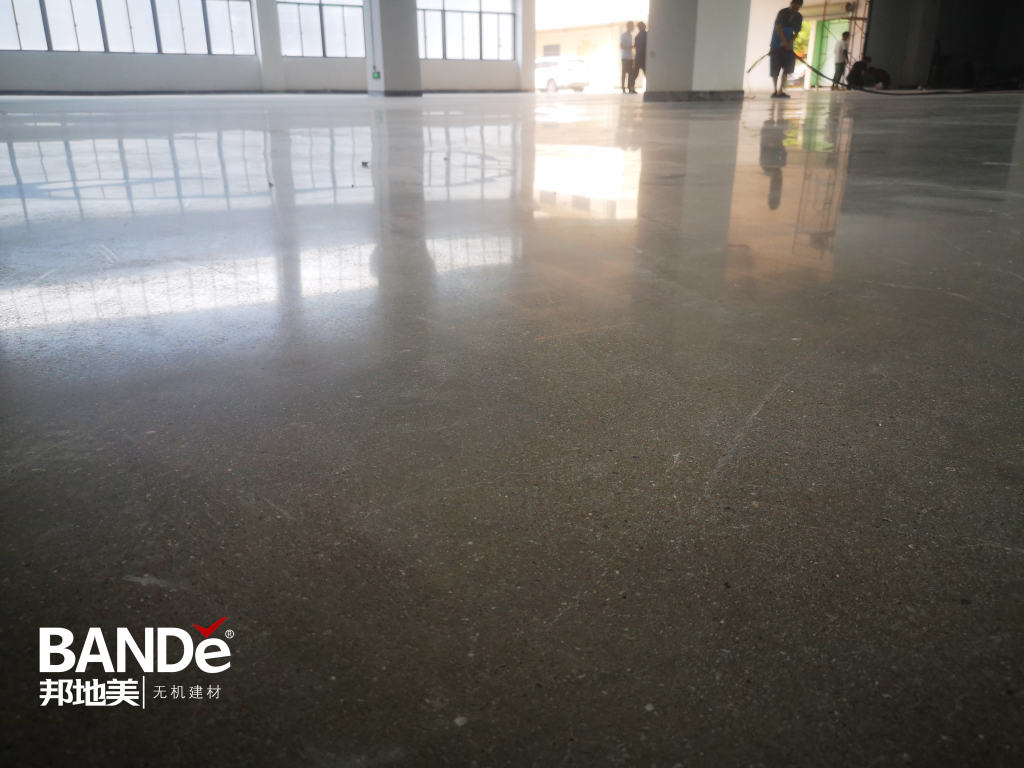
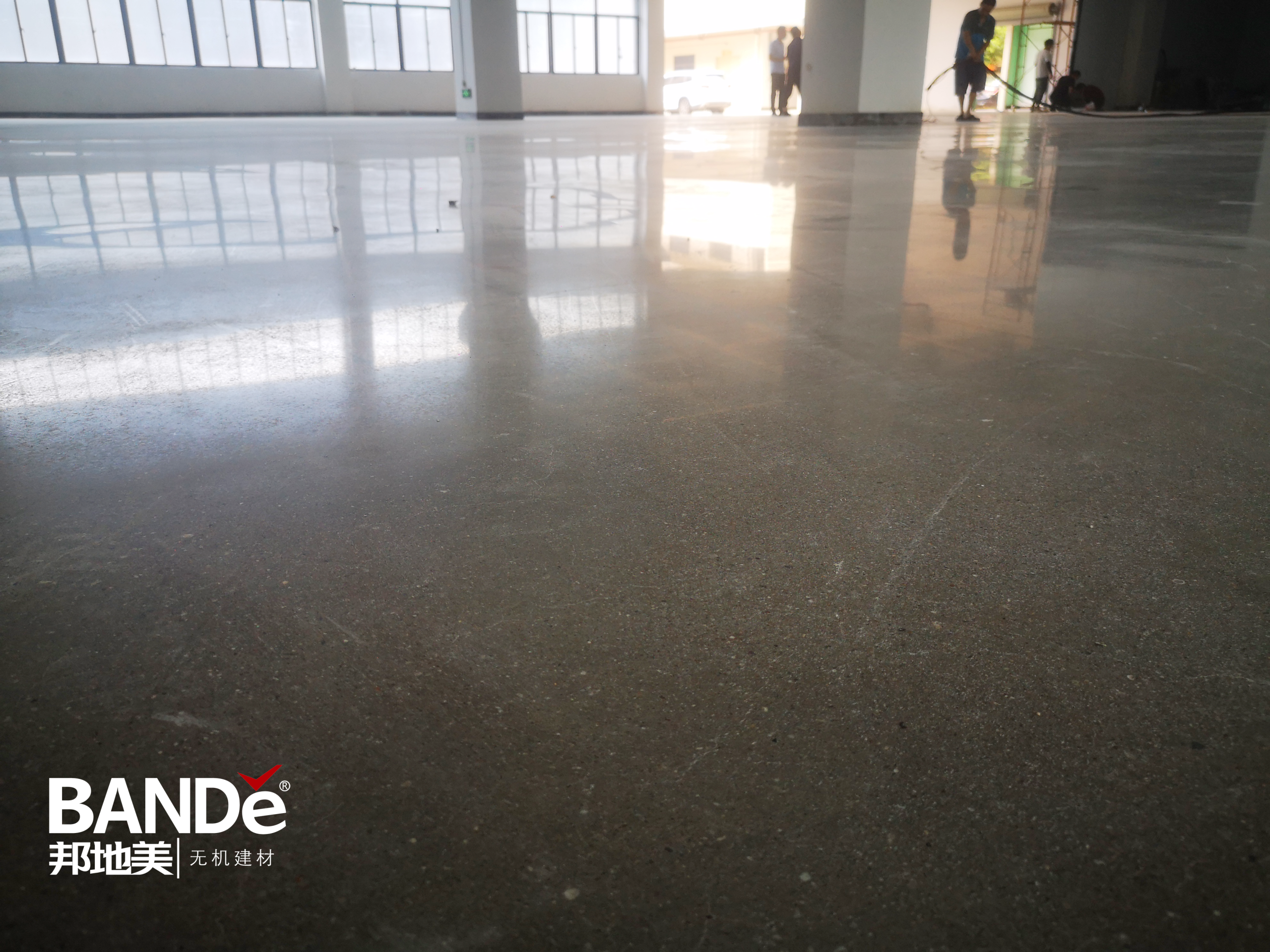
Selecting the best liquid curing agent for weak concrete floor garages and basements is crucial. An inferior agent can lead to various issues, such as poor adhesion, white stains, color changes, and yellowing from sunlight. These problems can compromise the integrity of your concrete. Utilizing the right liquid curing agent for weak concrete floors in garages or basements enhances their strength and durability. The appropriate product ensures your floors can withstand damage, providing a solid foundation for future work.
Key Takeaways
Pick the best liquid curing agent to make weak concrete floors stronger and last longer.
Water-based agents are good for the environment and easy to use. However, they might not work well in humid places or against chemicals.
Solvent-based agents stick well and are quick to use. But you need to be careful because they can be harmful to your health.
Hybrid solutions mix the good parts of both types. They help keep moisture in and make floors more durable.
Use the right application methods. This includes getting the surface ready and applying evenly to make sure curing works well.
Types of Concrete Curing Agents
When you choose a liquid curing agent for weak concrete floors, it’s important to know the different types. Each type has special features and uses that can affect how well your concrete works.
Water-Based Agents
Water-based curing agents are popular because they are easy to use and good for the environment. These agents are made of water-soluble compounds that create a film on the concrete surface. They help keep moisture during curing, which is important for getting strong concrete.
Advantages of Water-Based Curing Agents:
Low smell and easy to clean with water.
Easy to apply with regular tools.
More time to work before recoating.
Disadvantages of Water-Based Curing Agents:
Affected by humidity and temperature while curing.
Less chemical resistance when fully cured.
Water-based curing agents work well in many situations, especially indoors. But you need to apply them correctly to prevent adhesion problems.
Solvent-Based Agents
Solvent-based curing agents have organic solvents that evaporate, leaving a film that keeps moisture. These agents are known for their strong adhesion and performance, especially if you prepare the surface well.
Key Characteristics of Solvent-Based Agents:
Great adhesion to poorly prepared concrete.
Good water resistance and quick return-to-use.
However, be careful with solvent-based agents. They need a lot of personal protective equipment (PPE) because of health risks from solvents. Their strong smells also make them less suitable for places like hospitals and schools.
Hybrid Solutions
Hybrid curing agents mix the benefits of both water-based and solvent-based products. They often contain a blend of inorganic silicates and organic resins, which improve concrete properties. For example, the BANDe Curing Agent is a hybrid solution made for weak concrete floors. It quickly boosts surface strength, making it perfect for tight construction schedules.
Benefits of Hybrid Solutions:
Combine the best of both water-based and solvent-based technologies.
Offer better moisture retention and durability.
Hybrid agents work well in many situations, including garages and basements, where you need a good curing solution.
Definition | |
|---|---|
ASTM C-309 Curing Compounds | Liquid materials that form a membrane to reduce moisture loss from new concrete. |
ASTM C-1315 Curing and Sealing | Compounds that cure and seal, keeping moisture better than C-309. |
ASTM C-39 Water Blanket Curing | Method using wet blankets to keep moisture, providing the best curing performance. |
Knowing these types of concrete curing agents will help you choose the right product for your weak concrete floors.
Curing Agent Benefits
Moisture Retention
Using a concrete curing agent helps keep moisture in weak concrete floors. Unlike old methods that need outside water, liquid curing agents trap hydration inside the concrete. This makes the concrete denser and better at holding moisture. Here’s a quick comparison:
Advantage | Liquid Concrete Curing Agents | Traditional Methods |
|---|---|---|
Hydration | Kept inside | Needs outside moisture |
Permeability | Lower | Higher |
Durability | Better | Varies |
Liquid curing agents, like BANDě, cover evenly. This ensures curing happens well and lowers moisture loss risks. This means longer-lasting concrete, which is important for weak floors.
Strength Enhancement
Curing agents make weak concrete surfaces stronger. They form a waterproof layer that stops water damage and keeps out mold and mildew. This layer also blocks UV rays and chemicals, making it last longer. These agents can stretch and shrink with temperature changes, which helps prevent cracks.
Here are some key features of good curing agents:
Waterproof Barrier: Stops water damage.
Environmental Resistance: Blocks UV rays and chemicals.
Flexibility: Lowers crack risk from temperature changes.
Environmental Considerations
When picking a concrete curing agent, think about its effect on the environment. Many new curing agents, like BANDě, meet current environmental rules. They dissolve in water and create fewer harmful emissions. But some curing agents can release chemicals, which can be dangerous. Always check for VOC rules to stay safe.
Using curing agents can also cut down on waste in construction. New concrete technology helps use materials better, which is good for the environment and your project.
By knowing these benefits, you can make smart choices when picking a concrete curing agent for your weak concrete floors.
Best Liquid Curing Agent for Weak Concrete Floor Garage Basement
Application Techniques
To get the best results with your liquid curing agent, you need to use the right application techniques. Here are some important steps to follow:
Prepare the Surface: First, clean the concrete surface well. Remove dust, debris, and any other dirt. A clean surface helps the curing agent stick better.
Moisten the Surface: Make sure the concrete is a little damp before you apply the curing agent. This helps it stick better and work more effectively.
Use the Right Equipment: Use good quality sprayers for applying the agent. Here’s a quick list of recommended equipment:
Equipment Type
Description
Chapin Sprayers
High-quality sprayers with FKM seals and gaskets, great for applying curing agents.
Heavy-duty Steel Sprayers
Built for durability and efficiency in concrete work.
Commercial Plastic Sprayers
Light and easy to use, perfect for smaller jobs.
Industrial Backpack Sprayers
Good for larger jobs and easy to move around on sites.
Apply Evenly: Spray the curing agent evenly on the surface. Don’t let it puddle, as this can cause uneven curing.
Follow Manufacturer Instructions: Always stick to the specific guidelines from the manufacturer about how thick to apply and how long to cure.
Product Recommendations
When choosing the best liquid curing agent for weak concrete floor garage basements, check out these top-rated products:
BANDě Curing Agent: This product is made for weak concrete floors. It quickly boosts surface strength, making it great for tight schedules.
Epoxy.com Product #223: A water-based curing compound that works as a sealer and bonding agent. You can apply it as soon as 7 days after pouring concrete for early protection.
Ghostshield Products: Known for being durable and resistant to chemicals, these include options like Epoxy Max 100, a solid epoxy coating, and Polyaspartic 930, a fast-curing, shiny top coat.
These products provide long-lasting protection and are cost-effective for your concrete needs.
Common Mistakes
Avoiding common mistakes when applying curing agents is important for their effectiveness. Here are some things to watch out for:
Skipping Surface Preparation: Not cleaning the surface can cause poor adhesion and bad curing.
Incorrect Application Thickness: If you apply the curing agent too thin, it won’t protect well. Make sure to follow the recommended thickness for the best results.
Neglecting Curing Time: Let the curing agent set for the recommended time. Rushing can cause cracks and lower durability.
Using Incompatible Products: Make sure any repair materials or sealants used after applying the curing agent are compatible to avoid problems.
By following these tips, you can make the most of your chosen curing agent and ensure your weak concrete floors get the protection they need.
Picking the right liquid curing agent for weak concrete floors is very important. It helps keep moisture, lowers shrinkage, and makes the concrete stronger. Here are some important points:
Key Points | Description |
|---|---|
Internal curing agents help keep moisture in weak concrete floors. | |
Shrinkage Reduction | Using liquid curing agents greatly cuts down on shrinkage. |
Mechanical Properties | You can see improvements in strength when pushing and bending. |
Durability | Better durability and strength of concrete floors are noticed. |
Look at all these factors to make sure your floors get the strength and durability they need.
FAQ
What is a liquid curing agent?
A liquid curing agent is a product used on concrete surfaces. It helps keep moisture during curing. This makes the concrete stronger and lasts longer.
How do I apply a curing agent?
To apply a curing agent, first clean the concrete surface. Then, make it a little damp and use a sprayer to spread the agent evenly. Always follow the manufacturer’s instructions for the best results.
Can I use a curing agent on old concrete?
Yes, you can use a curing agent on old concrete. It helps make the surface stronger and more durable, especially if the concrete looks worn or weak.
How long does it take for the curing agent to work?
The curing agent usually needs a few hours to set well. However, full curing can take several days. This depends on the weather and the specific product used.
Is BANDě Curing Agent safe to use?
Yes, BANDě Curing Agent is made with safety in mind. It is non-flammable and meets environmental rules. Always follow safety guidelines when applying it.
See Also
A Comprehensive 2025 Guide to Concrete Floor Hardeners
Selecting the Ideal Concrete Densifier for Warehouse Flooring
Top Five Concrete Floor Hardeners for Industrial Use
BANDě’s 2025 Handbook for Selecting Concrete Bonding Agents
BANDe’s 2025 Manual for Optimal Polished Concrete Densifiers
