

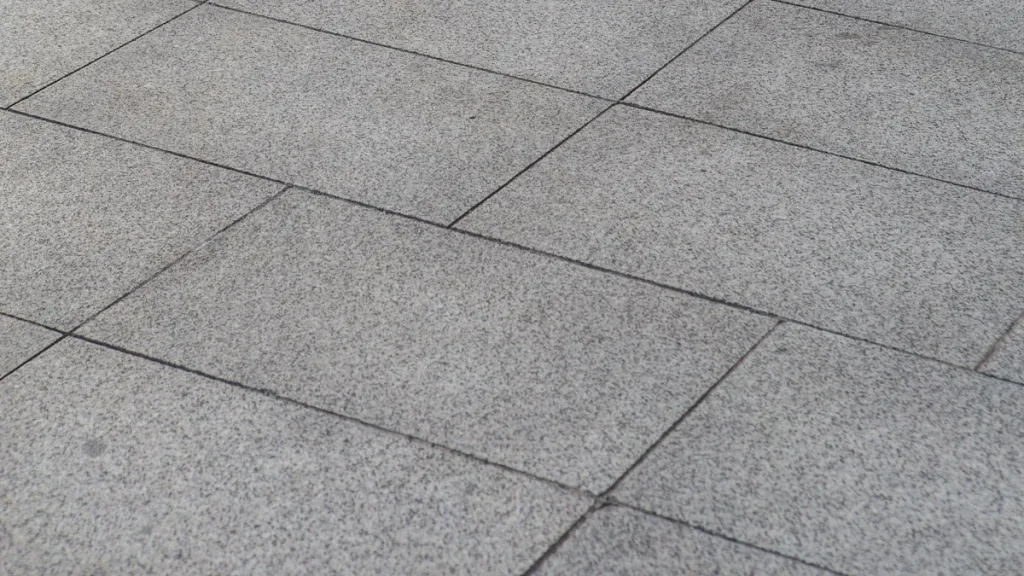
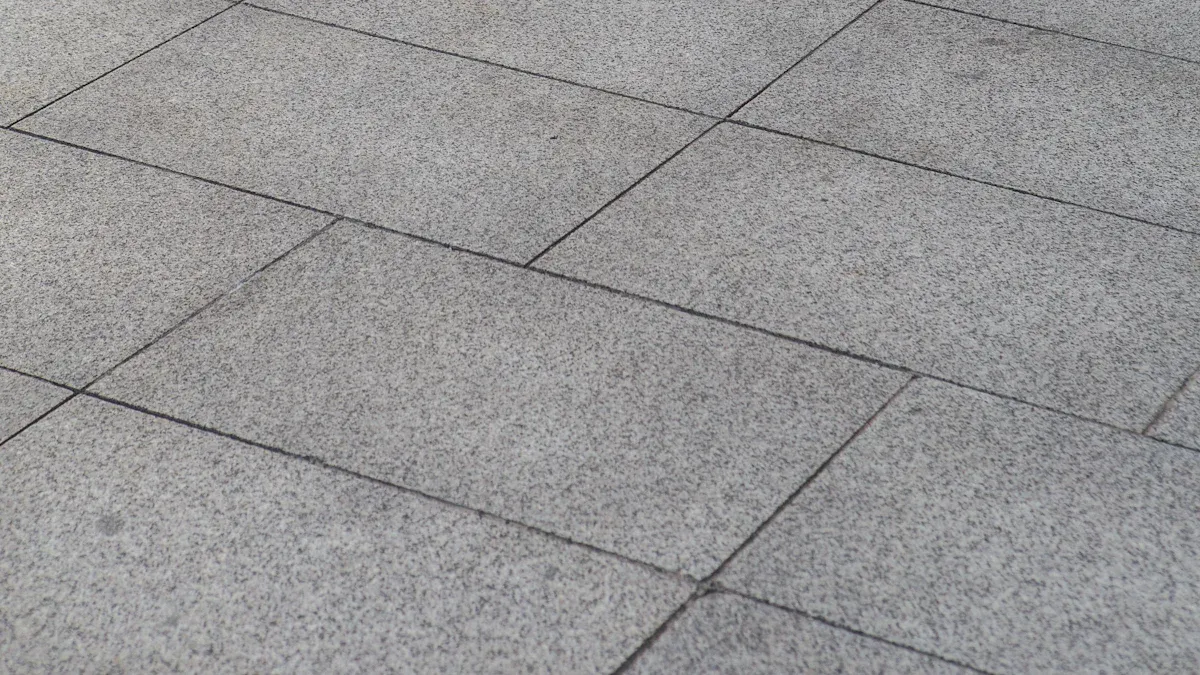
Concrete floors require proper maintenance to ensure durability and longevity. Curing agents play a crucial role in this process by preventing rapid moisture loss, which can lead to cracks and weaken the floor. Research indicates that effective curing methods are essential for achieving the desired properties of concrete. You might wonder, what are the signs that concrete floor needs a curing agent treatment? Look for cracks, dust, and white stains on the surface. These indicators suggest that your floor could benefit from a curing agent to enhance its lifespan.
Key Takeaways
Look for cracks, dust, and white stains on your concrete floor. These signs mean your floor might need a curing agent to stay strong.
A curing agent helps stop quick moisture loss. This keeps your concrete wet, which is important for its strength and long life.
Curing agents make the surface of concrete stronger. They help floors last longer, needing fewer repairs and protecting your investment.
Pick the right curing agent based on how your floor looks and the environment. Choosing correctly helps keep moisture in and works well.
Check your concrete floors often for problems. Finding issues early and using a curing agent can stop big damage and keep them working well.
Signs of Curing Agent Need
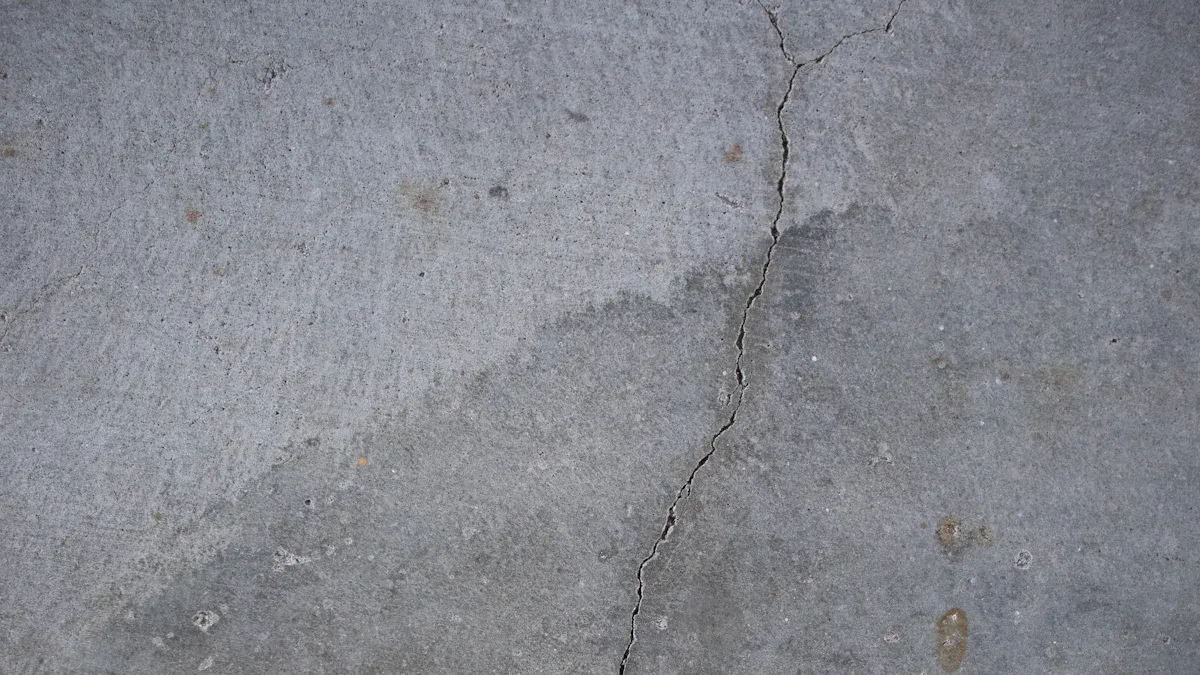
Visible Cracks
You might see cracks on your concrete floor. These cracks can mean your floor needs a curing agent. Different cracks can show up if curing is not done well. Here’s a table that lists some common cracks:
Type of Crack | Description | Cause of Crack |
|---|---|---|
Plastic Shrinkage Cracks | Happen when water evaporates too fast before the concrete hardens. | Bad curing methods and too much evaporation. |
Drying Shrinkage Cracks | Occur as the concrete dries and shrinks, causing cracks. | Not enough moisture kept during curing. |
Crazing | Shallow, random cracks that are mostly just for looks. | Bad curing methods, weather conditions, and too much water in the mix. |
If you notice these cracks, it means your concrete floor might not have enough moisture during curing. Fixing this quickly can help keep your floor strong.
Dusting on the Surface
Dust on your concrete floor is another sign you need a curing agent. When the surface gets dusty, it usually means the concrete did not cure well. Studies show that bad curing, especially in cold weather, can cause problems with the resin. This leads to gaps on the surface, which reduces how well it sticks and creates stress points. These issues can cause surface problems, like dusting.
If you see dust on your floor, think about using a curing agent to make the surface better and stronger.
Efflorescence Appearance
Efflorescence is a white, powdery stuff that can show up on your concrete floor. This happens because of water-soluble salts in building materials. When water evaporates, it makes these salts form crystals on the surface. Here are some important points about efflorescence:
Efflorescence happens because of water-soluble salts in building materials.
Moisture is needed to dissolve these salts.
When moisture evaporates, it causes the salts to crystallize on the surface, leading to efflorescence.
Not using enough curing agents can cause moisture problems, making efflorescence worse.
If you see efflorescence on your concrete floor, it may mean your floor is not keeping moisture well. Using a curing agent can help fix this and improve how your floor looks.
Benefits of Concrete Curing
Preventing Quick Evaporation
Curing agents are very important. They stop moisture from leaving your concrete floor too fast. When you use a curing agent, it makes a protective layer. This layer helps keep water in. Keeping water is important for making your concrete strong. Here are some key points about curing methods:
Evidence Description | Key Findings |
|---|---|
Curing methods effectiveness | Good curing is needed for strong concrete. |
Curing compounds | These compounds create a layer that keeps water in. |
Moisture maintenance | You need constant water contact for the best hydration. |
By stopping concrete from drying out, you help the hydration process work well. This makes your concrete stronger and last longer.
Enhancing Surface Durability
Using curing agents makes your concrete floors much tougher. Good curing improves strength. This means your floor can handle more stress and wear over time. Here are some results from strength tests:
Test Type | Findings |
|---|---|
Flexural Strength | Samples with finer sand showed better strength, reaching up to 7.96 MPa. |
Compressive Strength | Improved because smaller particles packed better and had less space. |
Wear Resistance | Surface hardeners greatly improved wear resistance and stability against chemicals. |
By making the surface tougher, you protect your investment and lower the need for repairs.
Supporting Subsequent Treatments
Curing agents also help with later treatments, like sealing or coating your concrete floors. Curing and sealing have different jobs, but they work best together. Here are some key points to remember:
Curing keeps your concrete strong and stable.
Sealing gives extra protection and makes cleaning easier.
Using the same product for both curing and sealing helps avoid problems.
By using a curing agent like the BANDě product, you create a strong base for future treatments. This not only improves your concrete’s performance but also makes it last longer.
Types of Curing Agents
Liquid Membrane-Forming Agents
Liquid membrane-forming agents make a shield on concrete. This shield keeps moisture in while curing. Here are some benefits of these agents:
Chemical Property/Benefit | Description |
|---|---|
Helps keep moisture in, making curing better. | |
Strength and Durability | Makes concrete slabs stronger and last longer. |
Curling Reduction | Stops concrete surfaces from curling. |
Abrasion Resistance | Makes the surface harder and tougher. |
Extended Curing | Allows longer curing, which can make concrete stronger and less leaky. |
These features make liquid membrane-forming agents popular for many projects.
Water-Based Compounds
Water-based curing compounds are another good choice. They go on as a white liquid and dry clear. This makes them great for quick projects. Here are some perks of water-based compounds:
Better for the environment because they follow EPA rules for low VOCs.
Safe to use since they don’t catch fire and aren’t toxic.
Keep moisture well, but might not work as well in humid places.
These compounds are a good way to keep concrete moist and are eco-friendly.
BANDě Curing Agent Features
The BANDě curing agent is special among curing products. It is a liquid made for special floor jobs, especially for weak concrete. Here are some of its cool features:
Durability: BANDě makes a strong shield that handles water pressure, needing fewer fixes.
Breathability: Lets moisture out, stopping mold and keeping things healthy.
Self-Healing Properties: Seals tiny cracks by itself, giving long-lasting protection without much upkeep.
BANDě works well in places like workshops, malls, and garages. Its effectiveness makes it a great pick for improving concrete surfaces.
How to Choose a Curing Agent
Assessing Floor Condition
To pick a curing agent, first check your concrete floor’s condition. Here are some important things to think about:
Surface Integrity: Make sure the floor is strong and clean.
Surface Distress: Look for cracks, chips, or bumps that need fixing.
Preparation Needs: Find out what surface prep is needed for lasting results.
Performance Conditions: Think about things like chemicals, wear, hits, and temperature changes.
By knowing these details, you can choose a curing agent that fits your floor’s needs.
Environmental Considerations
The environment is very important when picking a curing agent. Temperature and humidity can change how well the agent works. Water-based cure & seals can be affected by these factors. In cool and wet places, they might leave a white, chalky layer when drying. Always follow the manufacturer’s advice for the best application conditions.
Proper curing stops quick water loss from the mix and helps cement hydrate better. Temperature and moisture affect both early and long-term concrete qualities like strength and durability.
Think about the climate where your concrete floor is. In hot, dry areas, you may need to spray water often or use moisture-retaining covers. In places with little water, curing compounds can work well, creating a thin layer to keep moisture in.
Application Methods
The way you apply the curing agent is also very important. Different methods work better for different curing situations. For big areas, spray-on curing compounds are quick and effective. They create a protective layer right after finishing to stop the surface from drying. For smaller or detailed spaces, applying by hand might work better. Always protect nearby items during application and follow safety rules. The BANDě curing agent is easy to use, with a simple one-part process that works in many settings.
Choosing the right curing agent means checking your floor’s condition, thinking about environmental factors, and picking the right application method. This way, your concrete floor will stay strong and last a long time.
Knowing when your concrete floor needs a curing agent is very important. This helps keep it strong and lasting. Watch for cracks, dust, and white powder as signs of problems. Using curing agents has many benefits:
They make concrete stronger and last longer.
Good curing helps with hydration and keeps water in.
Ongoing curing leads to better strength and resistance to wear.
Check your floors often to make sure they get the care they need for lasting performance.
FAQ
What is a curing agent?
A curing agent keeps moisture in concrete while it cures. It stops water from evaporating too fast. This helps prevent cracks and damage to the surface.
How do I apply the BANDě curing agent?
You can use the BANDě curing agent by soaking the surface for about two hours. Make sure the area is clean and shielded from rain during this time.
How long does the BANDě curing agent last?
The BANDě curing agent lasts for three years if stored correctly. Always look at the packaging for specific storage tips.
Can I use a curing agent on old concrete?
Yes, you can apply a curing agent to old concrete. It helps make the surface stronger and ready for more treatments.
Is the BANDě curing agent environmentally friendly?
Yes, the BANDě curing agent is a water-based compound. It meets current safety and health standards for the environment.
See Also
Understanding BANDě Concrete Floor Hardeners: Key Insights
Choosing the Ideal Concrete Floor Hardener for 2025
Five Simple Tips for Concrete Floor Hardeners in 2025
Applying Concrete Dust Sealers for a Clean Floor
Concrete Floor Hardeners: Their Functionality and Purpose Explained
