

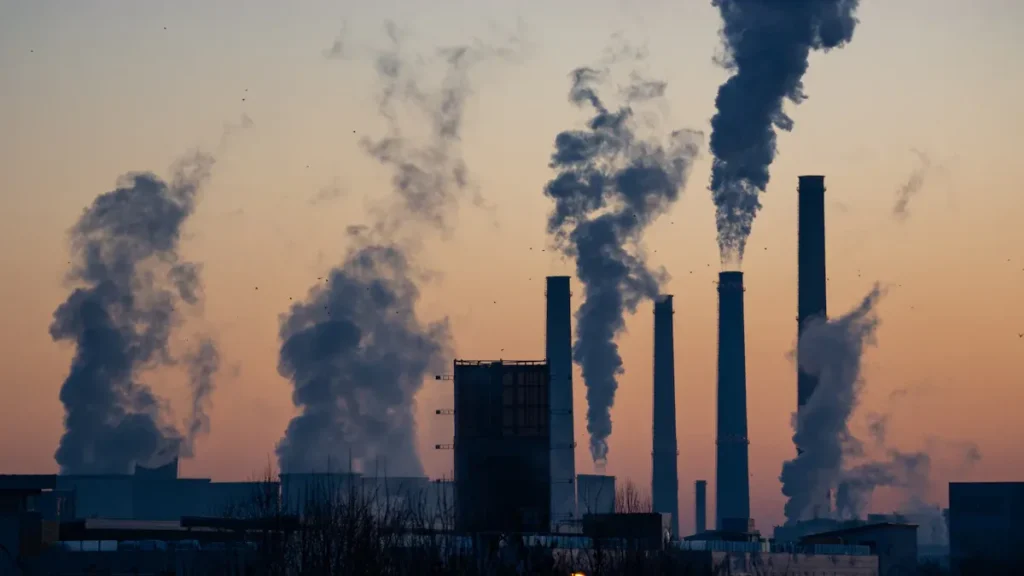
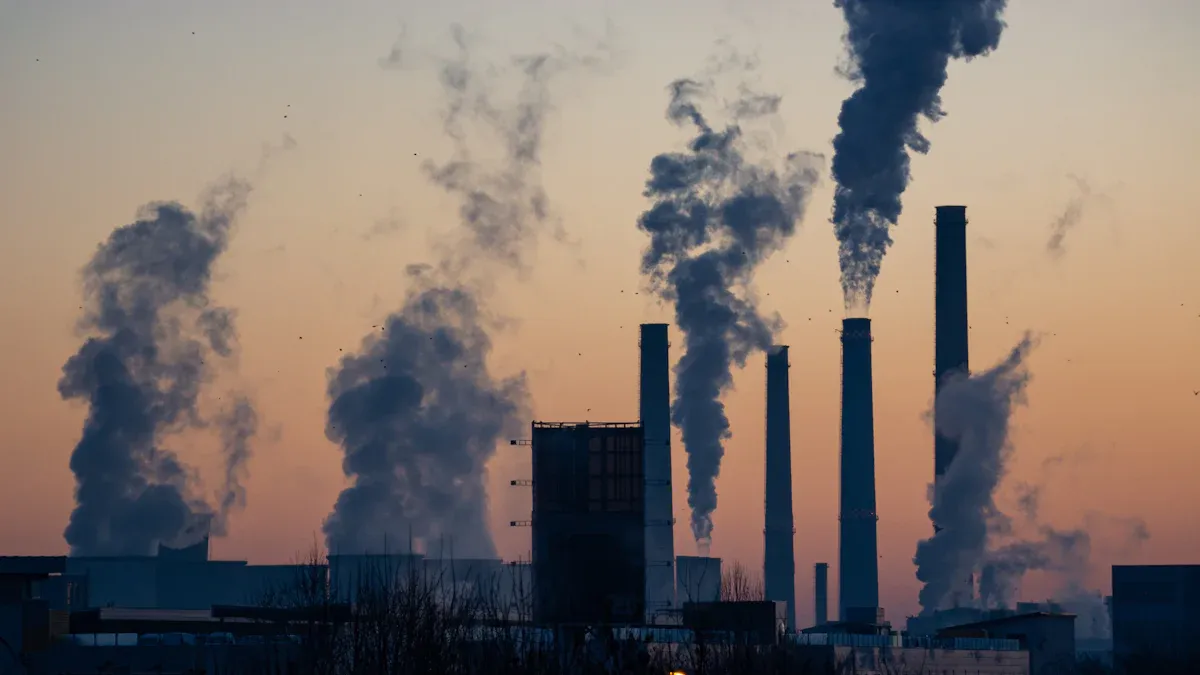
Dust control in factories is crucial for maintaining a safe and healthy workplace. Being exposed to industrial dust can lead to serious health problems, including respiratory issues and heart diseases. Recent studies indicate that over 58% of cases of chronic obstructive pulmonary disease (COPD) are linked to dust in industrial environments.
Health Impacts of Dust Exposure
Breathing problems can develop into long-term conditions.
Fine dust particles can negatively affect heart health.
Certain types of dust increase cancer risks.
Implementing effective industrial dust suppressant methods not only protects workers but also ensures compliance with health regulations. Understanding the sources of dust and selecting appropriate control measures are essential steps for workplace safety.
Disease Type | Number of Cases | Percentage |
|---|---|---|
COB | 202 | |
PC (quartzose >10%) | 59 | 17.2% |
Silicosis (<10%) | 27 | 7.8% |
Silicotuberculosis | 3 | 0.9% |
COPD | 53 | 15.4% |
Key Takeaways
Keeping industrial dust under control is important for workers’ health. It stops serious breathing problems and heart issues.
Following dust rules keeps your business from getting fines. It also makes the workplace safer for workers.
Finding where dust comes from in your building helps you control it better. This makes the air cleaner.
Using good dust control systems, like water sprays and dust collectors, makes the place safer and more productive.
Checking and fixing dust control systems often is key for them to work well for a long time and follow rules.
Why Control Dust?
Health Risks of Dust
Controlling dust in factories is very important for your health. Being around dust can cause different breathing problems, like chronic bronchitis and pneumoconiosis. Recent studies show that about 22.45% of workers have chronic dust-induced bronchitis. Also, around 21.78% of workers get pneumoconiosis from high dust levels.
Health Risks Associated with Dust Exposure
Breathing problems can become long-lasting.
Dust can raise the chance of lung cancer.
Long-term dust exposure can cause heart issues.
Compliance with Regulations
Following dust control rules is not just a law; it also makes the workplace safer. Groups like OSHA and NFPA create rules to lower dust exposure and keep workers safe. Not following these rules can lead to big fines. For example, Florenza Marble & Granite Corp. had to pay over $1 million in fines for breaking dust monitoring rules.
Standard | Description |
|---|---|
OSHA | Sets limits on exposure and focuses on engineering controls. |
NFPA 654 | Gives guidelines to stop fires and dust explosions. |
NFPA 68 | Deals with venting systems to reduce damage from dust explosions. |
Good dust control not only helps you follow the rules but also offers many benefits:
Benefit | Description |
|---|---|
Health and Safety | Prevent breathing problems and follow safety rules. |
Equipment Longevity | Cut down on wear and tear on tools from dust. |
Increased Productivity | Save time on cleaning and improve visibility. |
Compliance | Avoid fines by following environmental rules. |
By using strong dust control methods, you make the workplace safer and boost productivity.
Finding Dust Sources
Common Dust Sources
Finding where dust comes from in your workplace is very important for controlling it. Different industries have different dust sources, but some activities always create a lot of dust. Here are some common ones:
Conveyor belt transfer points: These spots often make dust clouds when materials move.
Unpaved haul roads: Dust from these roads can fly into the air, especially when trucks drive on them.
Stockpile loading and reclaiming: Moving materials from stockpiles can send dust into the air.
Crushing, drilling, blasting, and processing: These tasks create tiny silica particles that can harm health.
In mining, activities like drilling, blasting, and unloading also make dust. For instance, in ore mining, crushing and screening raise dust levels a lot. Coal mining tasks, like tunneling and transporting, are also known for high dust amounts.
Knowing these dust-making activities helps you use the right methods to control dust.
Checking Dust Levels
After finding dust sources, checking dust levels is very important. You can measure dust in different ways to understand how big the problem is. Here are some methods to think about:
Type | Objective | Duration / Mobility | Data Output | Calibration / QA | Typical Use Cases |
|---|---|---|---|---|---|
Personal (Wearable) | Worker exposure (TWA, peaks) | Full shift or task; high mobility | Time-history, TWA, max events | Zero/span checks; reference verification | Silica tasks; PPE validation; controls checks |
Portable / Spot | Hotspot diagnosis, surveys | Short runs; mobile between points | Real-time trends; spot logs | Routine checks before/after surveys | Walkthroughs; complaint response; commissioning |
Fixed | Continuous monitoring | Stationary; long-term monitoring | Location-based concentrations | Regular calibration checks; data validation | Emissions control; community relations; compliance |
You can use personal monitoring to check what workers breathe in. Area monitoring measures dust levels in certain spots, showing how it affects the environment.
To measure dust levels accurately, think about using filters for historical data or real-time sensors for ongoing checks. These methods help you quickly fix dust problems and keep the workplace safer.
By finding dust sources and checking dust levels, you can take steps to reduce dust exposure effectively.
Choosing Dust Suppression Systems
Picking the right dust suppression systems is key to managing industrial dust well. There are many choices, each with its own benefits and uses. Knowing about these systems helps you decide what fits your industrial needs best.
Water-Based Suppressants
Water spray systems are popular for dust control because they are cheap and good for the environment. These systems use water to catch dust, stopping it from flying around. You can pick from different water-based options:
Calcium Chloride, Magnesium, and Sodium: These salts pull moisture from the air, making dust heavy so it stays down.
Surfactants: These help water stick to dust by lowering its surface tension.
Polymers: Big molecules that make dust stick together, forming a crust that wind can’t blow away.
Lignosulfonates: Natural polymers that are eco-friendly and bind dust well.
Bitumen Emulsion: Makes a waterproof layer, often used in building roads.
Water spray systems need fewer reapplications than chemical ones, making them good for long-term use. They are safe and eco-friendly, meeting safety rules.
Dust Collectors and Enclosures
Industrial dust collectors are important for controlling dust in big areas. These systems catch dust where it starts, making air cleaner and safer. You can choose from different types:
Cartridge Style: Small and good for metal, wood, and medicine work.
Bag Style: Strong, great for wood, grain, and recycling work.
Portable: Easy to move and change, good for both regular and occasional use.
Dust collectors have many benefits, like better worker health, cleaner products, less equipment downtime, and less maintenance. But they can be costly and need a lot of space. Keeping them up is important to stop fire and explosion risks.
When picking a dust system, think about things like capture speed, transport speed, total pressure, and explosion safety. Following EPA and OSHA rules is important, and you should get a written promise from suppliers about the system’s top emissions rate.
New ideas like electrostatic precipitation and AI dust forecasting are improving dust control tech. These new ways help plan ahead and make systems work better, ensuring good dust control in factories.
Implementing Best Practices
Effective Techniques
To control dust well, you can use several good methods. These ways not only improve air quality but also make the workplace safer. Here are some helpful strategies:
Water Spraying: Spray water on dusty spots often to settle dust and lower levels.
Dust-Control Additives: Add special ingredients to water sprays to boost dust control.
Vegetative Cover: Grow grass or plants to hold soil in place and cut down dust.
Covering Materials: Use tarps or plastic sheets to cover piles and stop wind from spreading dust.
Also, think about using products like BANDě Concrete Dust Sealer. This product makes a barrier that holds loose dust, stopping it from flying into the air. By sealing concrete surfaces, you greatly lower dust, which is important for keeping a clean space in businesses and factories.
Employee Training
Training your workers is key for keeping dust control methods in place. A knowledgeable team can use dust control strategies well. Here are important training parts to think about:
Understanding Compliance: Make sure workers know the rules for health, safety, and the environment.
Proper Equipment Usage: Teach employees how to use dust control tools correctly.
Comprehensive Training: Give complete training for those who run and care for dust collection systems.
Building a culture of safety awareness among workers helps them follow dust control rules. Encourage them to share worries or close calls about dust control. Regular updates and involving workers in safety programs can greatly boost their interest. When workers know the health risks of dust exposure, they are more likely to follow dust control rules.
By using these best practices, you can make the workplace safer and increase overall productivity.
Ongoing Monitoring and Adjustments
Regular Inspections
Checking dust suppression systems often is very important. You need to do these checks to find any damage and make sure everything works well. Here’s a good schedule for inspections:
Frequency | Task Description |
|---|---|
Daily | Look at filters, ductwork, fans, valves, and other parts for wear or damage. |
Weekly | Do thorough checks and fix any problems you find quickly. |
Monthly | Carry out maintenance tasks like changing filters and checking valves. |
By following this schedule, you can find problems early. This helps reduce downtime and keeps you following environmental rules.
Adapting Strategies
Changing your dust control methods based on feedback and monitoring data is key for good dust management. You can use information from regular checks and worker feedback to improve your methods. Here are some important points to think about:
Make sure dust suppression systems work well.
Find out when you need more controls.
Change work practices if conditions change.
Lower the chance of dust escaping the site.
Use real-time monitoring to help manage dust levels.
New technologies, like IoT monitoring systems, can help you keep track of dust levels all the time. These systems give you useful data for making decisions. For example, if monitoring shows high dust levels, you can use more calcium chloride or change your dust collection systems.
Managing dust is very important for protecting health and keeping the site safe. By regularly checking your systems and changing strategies based on real-time data, you can improve your dust control efforts and follow environmental standards.
Taking action to stop dust is key for a safe workplace. Using things like NeSilex silica dust suppressant and wind fences helps a lot. Always look for better ways to control dust for lasting benefits:
Protecting the environment around you.
Saving money by spending less on repairs.
Following rules to avoid fines and trouble.
By doing these things, you make work safer and help keep industries running smoothly.
FAQ
What is dust control?
Dust control means using methods to lower or stop dust in factories. Good dust control keeps workers healthy and follows safety rules.
How do chemical dust suppressants work?
Chemical dust suppressants stick dust particles together. This stops them from flying into the air. You can use these products on roads to help reduce dust and make the air cleaner.
Why is preventative dust management important?
Preventative dust management helps you avoid health problems and fines. By using good dust control methods, you make the workplace safer and improve how well people work.
What are advanced dust suppression technologies?
Advanced dust suppression technologies are new systems that use real-time monitoring and automatic controls. These technologies make dust control better, especially in mines and quarries.
How often should I inspect dust suppression systems?
You should check dust suppression systems often, at least daily or weekly. Regular checks help find problems early, making sure everything works well and meets safety standards.
See Also
Applying Concrete Dust Sealers for a Clean Floor
2025 Guide to Concrete Dust Sealers in Commercial Areas
Selecting the Right Concrete Densifier for Warehouse Floors
The Complete Guide to Concrete Sealers for Industrial Floors
