

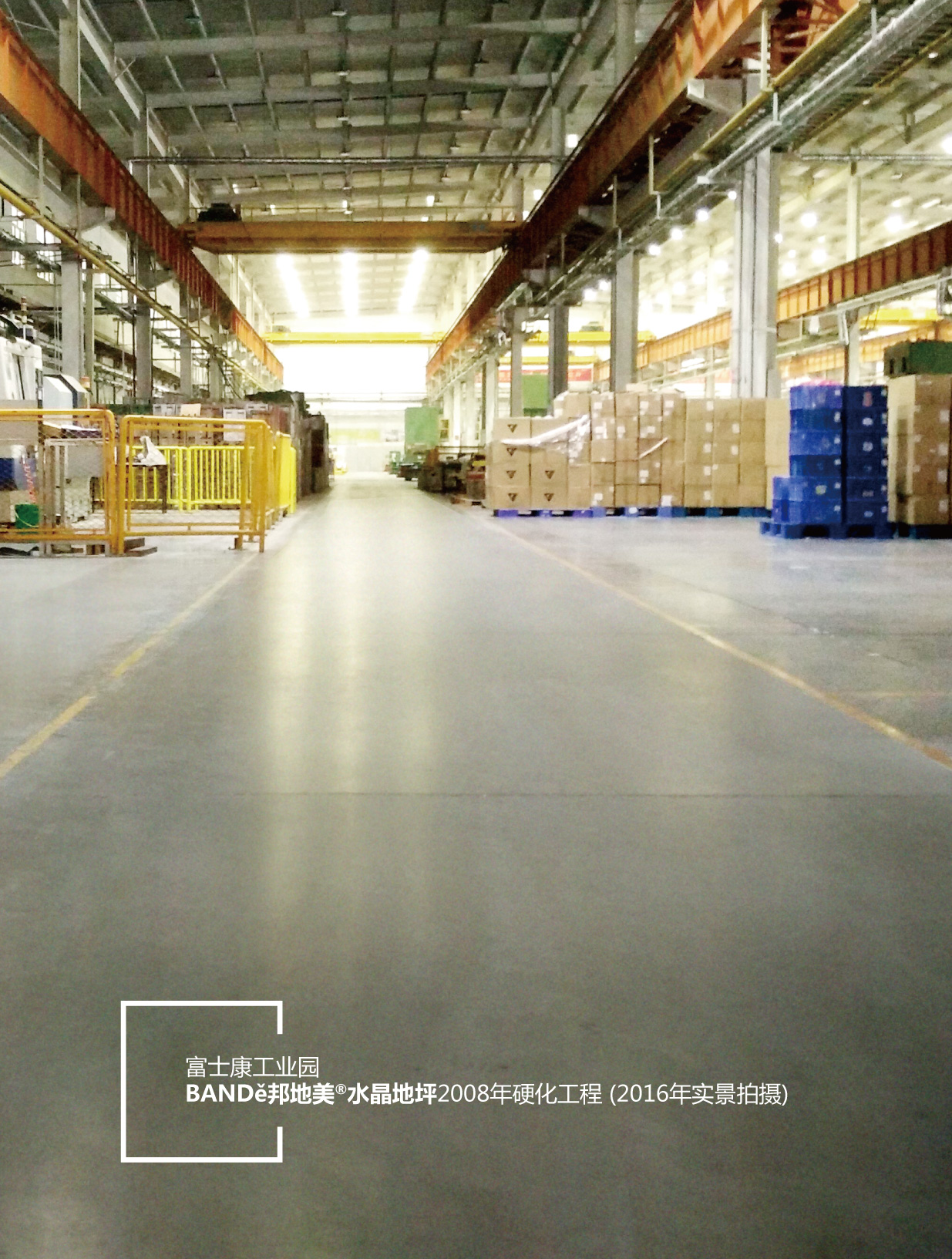
Sanding on concrete floors can cause many problems. You may see dust build-up, cracks, or weak concrete. It is important to know the causes and solutions for sanding on concrete floors. These issues can change how your floors look and work. Fixing them quickly helps keep your space safe and nice. Using good solutions can really help your flooring last longer.
Key Takeaways
Dust can build up when sanding. This can make the air inside your home unhealthy. Use wet cutting and dust removal systems to reduce dust.
Find and fix cracks before you start sanding. This helps create a smooth surface and stops more damage to your concrete floors.
Check for weak concrete, like cracks and color changes. Fixing these weak spots makes your floor stronger and saves money on repairs later.
Pick the right sanding tools for your job. Using the right tools can really improve how your finish looks.
It is important to take care of your sanding tools. Keeping them in good shape gives better results and makes them last longer.
Dust Issues
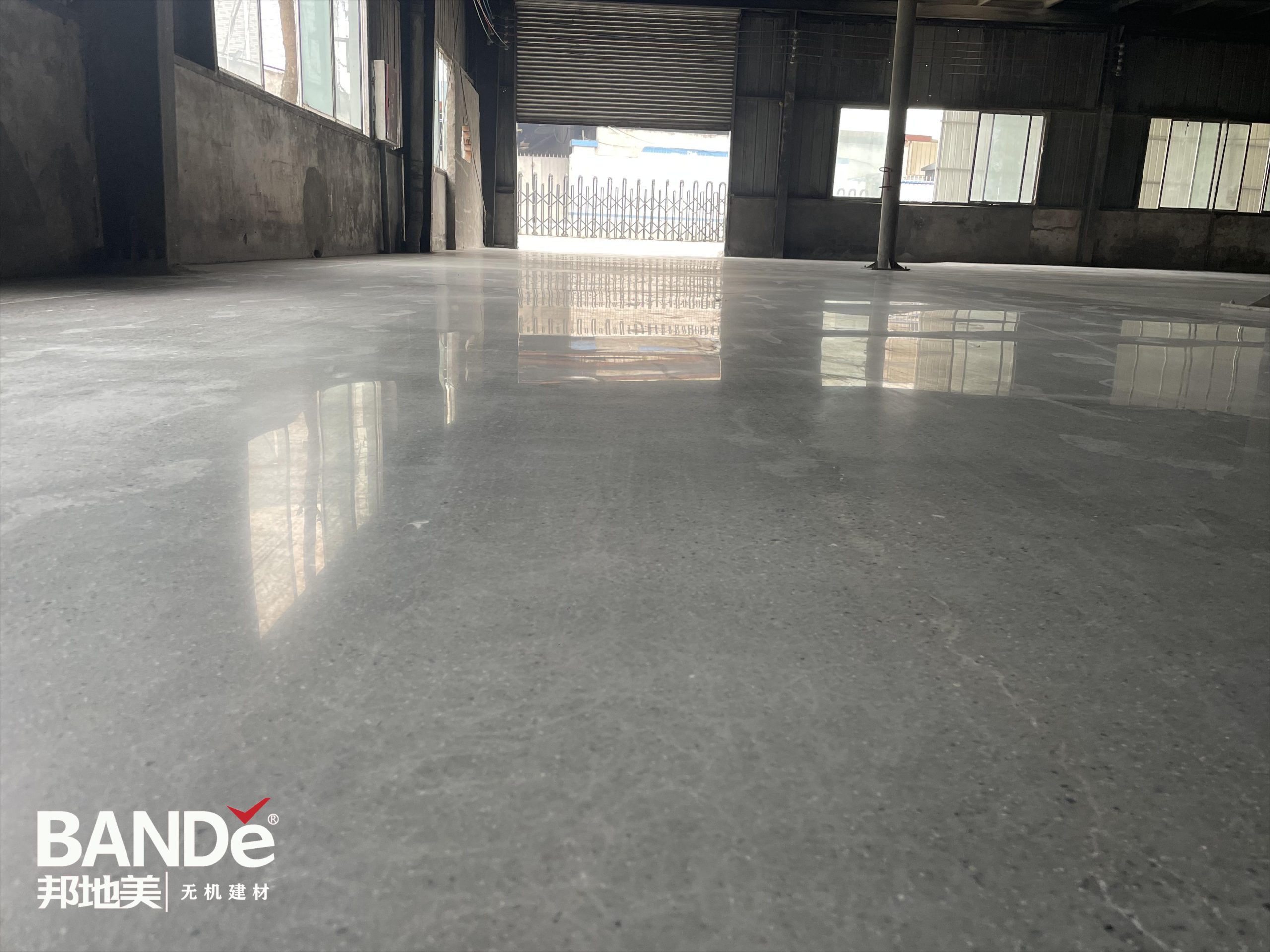
Causes of Dust Accumulation
Dust can build up when sanding for many reasons. Here are some common causes:
The wear surface is weak if finishing happens while bleed water is there. This makes the water-cement ratio high and strength low.
Putting concrete on a non-absorptive subgrade can cause more bleeding and surface dusting.
Finishing after moisture forms on the surface can make the concrete weak.
Not enough ventilation causes carbonation, which lowers surface strength.
Not curing properly makes a soft surface layer that dusts easily.
Poor protection from rain or drying winds can weaken the surface.
These reasons lead to dust particles in the air, which can be harmful. Dust from untreated concrete can lower indoor air quality. People with breathing problems, like asthma or allergies, are at higher risk. Buffing floors can send a lot of dust, mold, and germs into the air, making indoor air unhealthy. Airborne particles can carry germs that cause diseases, which is a big health risk.
Solutions to Reduce Dust
To cut down on dust while sanding, try these helpful methods:
Wet Cutting and Water Suppression Techniques: Using water while cutting helps settle dust fast and cuts down emissions.
Dust Extraction: Use vacuums with your tools and keep filters clean to catch dust during work.
Equipment for Respiratory Protection: Wear respirators for extra safety against airborne particles.
Choosing the right dust control tools is very important. Systems that work well with polishing machines help capture dust without stopping work. Here’s a quick look at recommended equipment:
Equipment Type | Features |
|---|---|
Industrial Vacuum Systems | Have HEPA filters to catch 99.97% of dust particles, stopping dust from coming back into the air. |
Vacuum Attachments for Power Tools | Built into tools to collect dust right at the source during grinding, drilling, and cutting. |
Portable Dust Collection Systems | Great for smaller jobs, easy to move, and may have battery options. |
Stationary Dust Collection Systems | Large capacity for big projects, supports many machines, and has advanced features. |
Using these solutions can help keep your space clean and protect your concrete floors.
Cracks and Patching
Identifying Cracks
You must find cracks in your concrete floors before sanding. This step is very important for a smooth finish. Here are some good ways to see visible cracks:
Check busy areas and edges for stress points.
Look for color changes that might show old repairs.
Use angled light to see small ridges or dips.
Also, look for discolored spots from past sealants and spiderweb patterns around expansion joints. Bumpy textures can show uneven curing. The quality of your concrete slab affects how cracks look. Older surfaces may have more differences, while the finish type can hide or show flaws. Knowing these things helps you find cracks before and after sanding.
Patching Techniques
After you find the cracks, you can patch them well. Here’s a simple guide for a smooth sanding process:
Clear any loose debris from the crack and nearby area with a wire brush and broom.
For narrow cracks, fill them with a masonry concrete crack filler from a cartridge or use a vinyl concrete patching compound with a putty knife.
For wide cracks, undercut the edges with a sledgehammer and chisel. Clean the area, mix vinyl patching compound, and trowel it into the cracks.
Press the mixture to remove air pockets and smooth it with a trowel.
After the patch sets, smooth or brush the surface to match the area around it.
For good patching material, try SealGreen Concrete Patch Repair. This cement material works well for small hairline cracks, fixing cracks from 1/32 inches to 1 inch wide. This makes sure you have a strong repair before finishing work.
Check the concrete surface for visible problems like cracks, chips, or bumps. Fix these issues before sanding to avoid more problems. Repair any damage by chiseling away bumps and filling cracks with matching concrete filler. Following these steps will help you get a strong and nice-looking concrete floor.
Unsound Concrete
Recognizing Unsound Concrete
You need to find unsound concrete before sanding your floors. Unsound concrete can make your surface weak and cause more damage. Look for these signs:
Cracks: Check for visible cracks that show problems below.
Pitting: Small holes or dips on the surface mean weak concrete.
Dusting: If your concrete makes dust easily, it might be unsound.
Discoloration: Look for color changes that hint at moisture issues or past fixes.
Finding these signs early helps you avoid future problems. Ignoring unsound concrete can hurt the strength of your floor. Microcracking can happen, which weakens the surface and may lead to expensive repairs later.
Removing Unsound Concrete
After you find unsound concrete, you must remove it properly. Follow these steps to make a strong base for sanding:
Clean the Area: Get rid of dirt, dust, and loose stuff by sweeping, vacuuming, or spraying water.
Spot-Remove Contaminants: For oil and grease, scrub with a brush, water, and soap. Don’t use solvents, as they can stop the bond from forming because concrete is porous.
Address Laitance: If you see a weak layer on new concrete, use abrasive blasting, shot blasting, grinding, high-pressure water blasting, or acid washing to take it off.
By doing these steps, you can get your concrete ready for sanding. Properly removing unsound concrete makes a strong surface and stops future problems.
Taking these steps protects your driveway and helps your flooring last longer. Remember, fixing unsound concrete now saves you time and money later.
Sanding Techniques
Common Mistakes
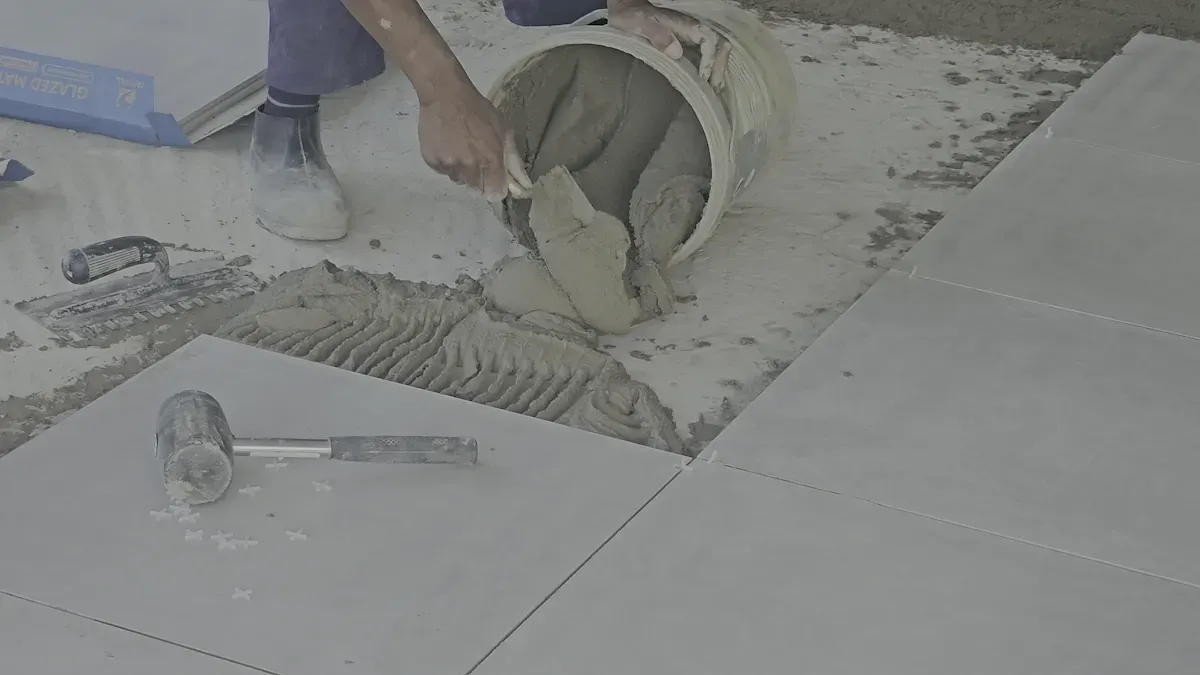
When sanding concrete floors, you might make some common mistakes. These mistakes can change how your floors look. Here are some things to avoid:
Improper Surface Preparation: If you don’t clean the surface, the finish will be bad. Always make sure the area is clear of dust and debris.
Starting with Fine Grit: Using a fine grit too early can hurt the surface. Start with a coarse grit to remove material well.
Neglecting Protective Gear: Not wearing safety gear is risky. Always put on a mask, goggles, and gloves to keep safe from dust and debris.
Before sanding, take time to fill any big cracks or holes with concrete filler. Let it dry completely for the best results.
Best Practices for Sanding
To get a smooth and professional finish, follow these best practices that experts suggest:
Surface Preparation: Make sure the surface is clean and fill any big cracks with concrete filler.
Initial Grinding (Coarse Grit): Use a coarse grit diamond pad to remove material and flatten bumps.
Dust Management: Choose wet or dry sanding based on how you want to control dust.
Progressive Sanding: Move to finer grits step by step for a smoother finish.
Cleaning Between Grits: Clean the surface well after changing grits to prevent scratches.
Final Sanding: Keep using finer grits until you get the finish you want.
Different floor types may need special techniques. For example, a smooth finish might need light hand sanding, while exposed aggregate needs more sanding to show larger pieces.
Finish Type | Sanding Technique Description |
|---|---|
Smooth Finish | Light hand sanding or an orbital sander with coarse sandpaper, moving to high grits for a shiny surface. Good for indoor floors or worktops. |
Salt and Pepper | Moderate sanding to take off the top layer of concrete, showing fine aggregates for a textured look. This involves going from coarse to finer grits. |
Exposed Aggregate | Heavy sanding to reveal larger aggregates, needing strong tools to ensure evenness and depth, removing about a quarter-inch of surface. |
By following these practices, you can improve your sanding project and get a great finish on your concrete floors.
Equipment and Tools
Choosing the Right Tools
Picking the right tools for sanding concrete floors is very important. The tools you use can change how well your project goes. Here are some good tools to think about:
Hand Sander: Great for small spots and little fixes.
Orbital Sander: Perfect for small jobs, like countertops.
Angle Grinder: Works well for bigger areas but needs skill to control.
Floor Sander: A big machine for large spaces, needs training to use safely.
Belt Sander: Good for deep sanding, but might leave marks that need more smoothing.
Also, think about using grinders and concrete polishers. These tools are key for grinding and polishing. They come in handheld and walk-behind types. Diamond tools are also very useful, with different grit sizes for various jobs. For big slabs, planetary grinders are flexible and effective. Handheld angle grinders are great for edges and corners.
Equipment Maintenance
To keep your sanding tools working well, you need to take care of them regularly. Here are some good maintenance tips:
Check and clean the tools often.
Follow what the manufacturer says for use.
Keep the pads cool while working.
Change the pads around often for even wear.
Taking care of standard floor tools is just as important. Keep a log to track when you service them and check for worn parts. This helps your tools last longer and work better.
By choosing the right tools and taking care of them, you can get great results when sanding concrete floors. This not only makes your floors look better but also saves you time and money later on.
Fixing sanding problems on concrete floors is very important. It helps keep them strong and looking good. Main causes are dust build-up, cracks, and weak concrete. You can use good solutions like cleaning the surface well and using the right tools.
Keep in mind, professional interventions usually offer better solutions and last longer than DIY methods. Getting professional help can save you time and money later.
By acting now, you improve your floors’ life and look, making sure they stay valuable for many years.
FAQ
What is the best way to prepare concrete before sanding?
First, clean the surface very well. Get rid of dust, dirt, and any unwanted stuff. Fill cracks and holes with concrete filler. This helps make a smooth finish and stops more damage while sanding.
How often should I sand my concrete floors?
You should sand your concrete floors every few years. It depends on how much wear they get. Areas with a lot of foot traffic may need sanding more often. Regular care keeps your floors looking nice and helps them last longer.
Can I sand concrete floors myself?
Yes, you can sand concrete floors by yourself. Just make sure you have the right tools and safety gear. Use the right techniques for the best results. But for big or tricky jobs, think about hiring a professional.
What grit should I start with when sanding?
Start with a coarse grit, like 40 or 60, to remove material well. Then, move to finer grits, such as 120 or 220, for a smooth finish. This step-by-step process helps you get the surface quality you want.
How do I control dust while sanding?
You can control dust by using wet sanding methods or dust extraction systems. Always wear a respirator and make sure there is good airflow. Keeping the area clean while you work also helps reduce dust build-up.
See Also
Top 5 Simple Tips for Concrete Floor Hardening in 2025
Selecting the Finest Concrete Floor Hardeners for Industrial Use
Steps to Use Concrete Dust Sealers for Clean Floors
2025 Guide to Concrete Dust Sealers for Business Environments
BANDe’s Comprehensive 2025 Guide to Selecting Concrete Densifiers
