

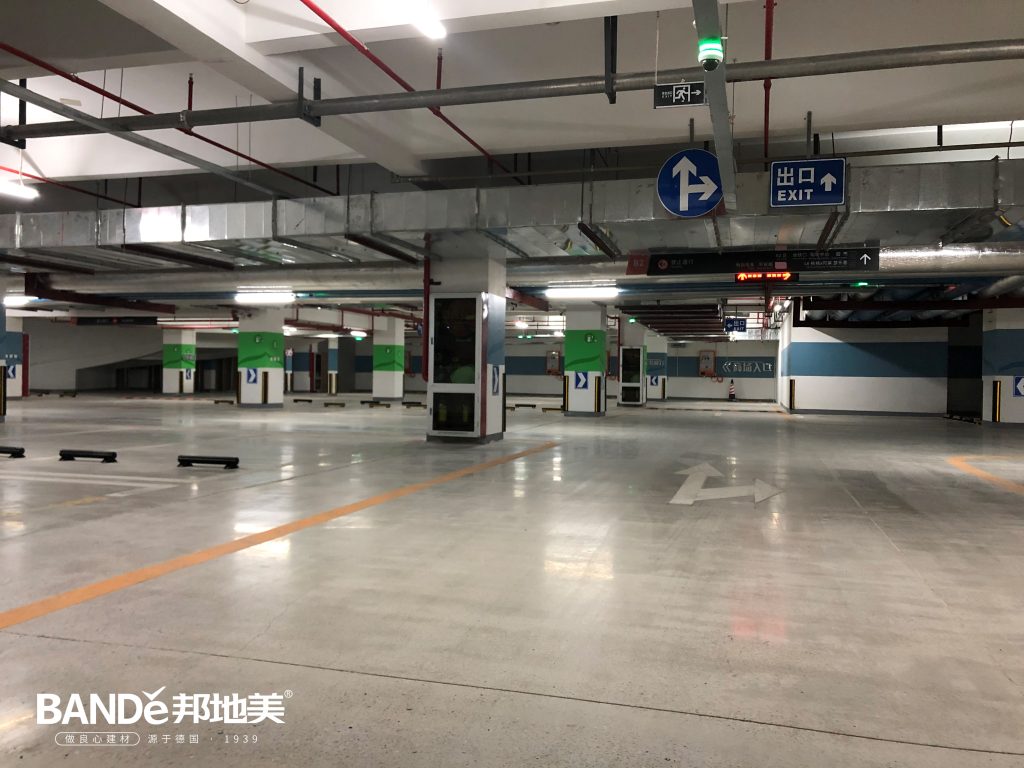
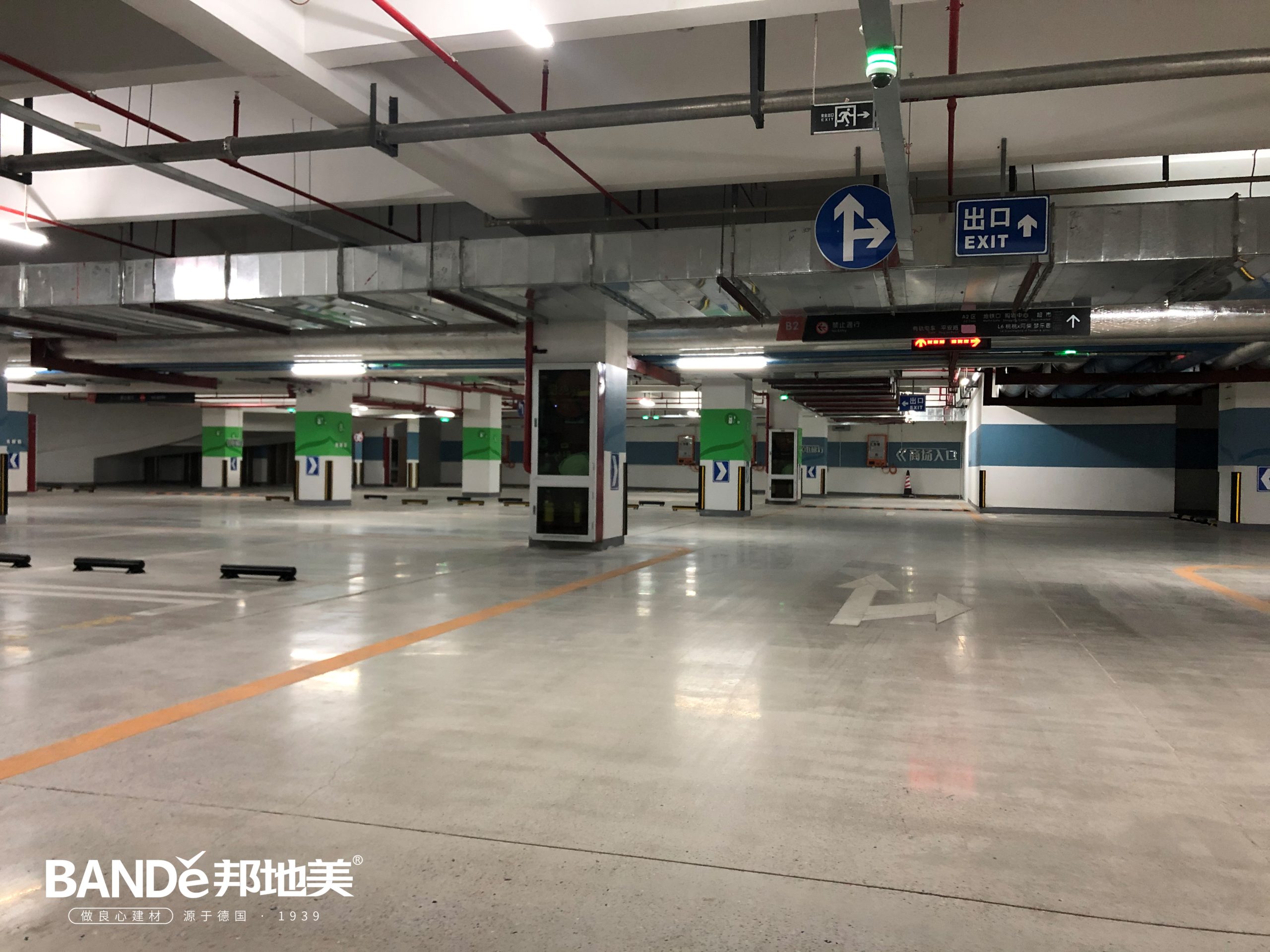
Choosing the right commercial garage floor sealer is very important. It helps your floor last longer and makes it easier to take care of. A good sealer stops damage, which saves you money on repairs later. You may ask how this choice affects future costs. Keep in mind, the first cost of materials is only part of your spending. Things like labor, preparing the surface, and possible downtime can change your total costs. Picking a strong sealer usually gives you better value over time. It reduces the need for replacements often.
Here are some benefits of sealing your garage floor:
It protects from water damage.
It makes cleaning and maintenance easier.
Taking time to choose wisely will help you avoid problems later.
Key Takeaways
Picking the right garage floor sealer keeps your floor safe and saves money on fixes.
Sealing your garage floor helps with cleaning and stops stains from sinking in.
Think about the surface type and how wet it gets when choosing a sealer for the best outcome.
Busy areas need stronger sealers to keep them protected for a long time.
Getting the floor ready and putting on the sealer right is key for a strong finish.
Why Seal Garage Floors?
Benefits of Sealing
Sealing your garage floor has many benefits. It improves how it looks and works. Here are some important benefits:
Protection Against Stains: A good garage floor sealer stops stains from soaking in. This is important where spills from oil, chemicals, or other things can happen.
Easy Cleanup: With a sealed surface, you can easily wipe up spills. This saves time and effort when cleaning.
Reduced Maintenance Costs: Sealed floors need fewer cleaning products. You can usually clean them with just soap and water, so you avoid strong chemicals.
Enhanced Durability: Sealing makes your garage floor last longer. It helps resist wear and damage from chemicals, which extends the floor’s life.
Professional Appearance: A sealed garage floor keeps your business looking good for years. It gives a neat look that reflects well on your company.
By spending on a good garage floor coating, you keep your floor in great shape. This lowers long-term maintenance costs.
Consequences of Not Sealing
Not sealing your garage floor can cause serious problems. Here are some issues you might face:
Dust Generation: Untreated concrete makes dust because it is porous. This dust can build up and create an unhealthy space.
Surface Damage: Without a sealer, moisture and chemicals can get into the concrete. This causes damage and possible structural problems over time.
Increased Cleaning Efforts: Unsealed floors are harder to clean. Dust and dirt can stick to the surface, making maintenance difficult.
Safety Risks: Not having a sealer increases damage and safety risks. Breathing in dust can be harmful, especially in commercial places.
Types of Garage Floor Sealers
Picking the right commercial garage floor sealer means knowing the different types. Each type has special benefits and uses. It is important to choose the one that fits your needs best.
Epoxy Coating
Epoxy coatings are very popular for commercial garages. They are strong and can handle a lot of use. This includes parking cars or working in the space. There are many epoxy garage floor coating options. These include 100 percent solids, mortar, self-leveling, terrazzo, and waterborne types. These coatings resist chemicals well. This makes them great for places with harsh chemicals. An epoxy coating lasts about 3 to 7 years. It offers strong chemical resistance and protects the surface.
Polyurethane Sealers
Polyurethane sealers give long-lasting protection like epoxy. They also have extra benefits. They resist UV rays and are flexible. This makes them good for places like factories and auto repair shops. These sealers are strong, stain-proof, and come in many colors. They have a flexible finish that helps prevent cracks from temperature changes. This ensures great protection for busy garages.
Acrylic Sealers
Acrylic sealers are easy to use and affordable. This makes them a smart choice for commercial garages. They make floors look better and protect against spills and wear. However, they might need to be reapplied sometimes. This is especially true in busy areas or where there is sunlight. Acrylic sealers work well for garage floors, commercial entryways, and decorative concrete.
Concrete Floor Sealer
Concrete floor sealers, like the BANDě Concrete Dust Sealer, protect and make concrete surfaces last longer. These sealers are cost-effective and help prevent wear, stains, and damage from the environment. The BANDě Concrete Dust Sealer works well on dusty or sandy floors. It provides a strong, dustproof, and weather-resistant solution. It goes deep into the concrete and creates a tough, wear-resistant structure. This helps the floor last longer.
By knowing these garage floor coating options, you can choose the best commercial garage floor sealer for your needs. This will help keep your floor protected and lower maintenance costs.
Key Considerations for Selection
When you pick a commercial garage floor sealer, think about some important things. These things can really change how well your sealer works and how long it lasts. Here are the main points to think about:
Surface Type
The kind of surface you have is very important for your sealer choice. Different surfaces need different sealers to stick well and work right. Here are some things to keep in mind:
New vs. Old Concrete: New concrete is usually smoother. Older concrete can be rough and more porous. This affects which sealer you should choose.
Smooth vs. Porous: Smooth surfaces might need a different sealer than porous ones. For example, penetrating sealers are good for porous surfaces. They help make them stronger and stop moisture.
Epoxy vs. Other Coatings: If you have an epoxy floor, you need a sealer that matches its features. A good epoxy floor needs the right sealer for strength and performance.
Choosing the right sealer for your surface type helps keep it protected and working well for a long time.
Moisture Exposure
Moisture exposure is another key thing to think about. Areas with a lot of moisture need sealers that can handle water. Here are some tips:
Moisture Issues: Too much moisture can cause problems like bubbling or losing adhesion in resin floors.
Moisture-Tolerant Options: Good epoxy products often have moisture-tolerant primers. These can be used even if it’s a little damp, making them last longer.
BANDě Concrete Dust Sealer: This product goes deep into concrete. It creates a moisture barrier that makes the surface stronger. It’s great for places where moisture is a problem.
Choosing a sealer that deals with moisture helps stop damage and makes your garage floor last longer.
Traffic Levels
The amount of traffic on your garage floor also affects your sealer choice. Different traffic levels need different sealers to keep them safe. Think about these points:
High-Traffic Areas: If your garage gets a lot of use, you need a tougher sealer. Heavy-duty options are important for places with forklifts or lots of foot traffic.
Resealing Frequency: Light to moderate use might need resealing every 3–5 years. Heavy use may need resealing every 1–2 years. In tough conditions, check and partially reseal every year.
Long-Term Protection: Picking a sealer that can handle high traffic keeps your garage floor safe over time.
By thinking about these things—surface type, moisture exposure, and traffic levels—you can make a smart choice when picking a commercial garage floor sealer. This careful choice will help you get the best results for your garage floor.
Application Process Overview
Putting on a garage floor sealer needs careful planning and skill. Doing the right steps helps make a strong and effective finish.
Preparation Steps
Before you put on a garage floor coating, you need to get the area ready. Here are the important steps to take:
Clear Out the Garage Space: Take everything out of the garage. This helps the sealer go on evenly.
Shut Down HVAC Systems: Turn off any heating or cooling units. This stops dust and smells from messing up the coating.
No Need to Remove Wall-Mounted Items: Things above 36 inches can stay. This gives your team room to work.
Take a Break From Yard Work and Home Repairs: Don’t do things that create dust during the coating process.
Surface Preparation and Installation: Grind the concrete and fill any cracks. This helps the sealer stick well.
Application Techniques
After you prepare the surface, you can put on the sealer. Here are some best ways to get great results:
Clean the Garage Floor Thoroughly: Get rid of stains and grease. A clean surface is very important for sticking.
Repair Any Cracks in the Concrete: Fixing cracks stops future problems and gives a smooth finish.
Apply the Sealer According to the Manufacturer’s Instructions: Follow the directions for the best results.
Allow Adequate Curing Time Before Using the Garage: Curing time is key for the sealer to bond well.
To make your garage floor paint work better, think about putting on two coats of sealer. Make sure to cover evenly and let it dry properly between coats. Don’t use the garage until the sealant has fully cured. Regular care, like cleaning spills right away and avoiding strong chemicals, will help protect your investment.
By following these steps, you can make sure your garage floor coating goes on well, giving you long-lasting protection and strength.
Choosing the right commercial garage floor sealer is very important for your space. You need to think about things like the type of surface, how much moisture there is, and how much traffic it gets. Check what your garage needs to make a smart choice.
Here are some key points to keep in mind:
Identify Garage Function: Figure out if your garage is for home, business, or industry.
Select Appropriate Coating: Use epoxy for home, polyurethane for business, and thicker coatings for industrial use.
By picking the right sealer, you protect against moisture, stains, and wear. This choice keeps your floor looking good and strong while making it easier to clean. Take time to look at your garage floor needs and choose a sealer that works best for you.
Remember, a well-sealed floor reduces dust and damage, making it last longer.
FAQ
What is the best type of sealer for a commercial garage?
The best sealer depends on how you use your garage. If there is heavy traffic, use epoxy or polyurethane sealers. For less use, acrylic sealers might be enough. Think about what you need before you choose.
How often should I reapply the sealer?
How often you reseal depends on use. For busy areas, reseal every 1-2 years. For normal use, reseal every 3-5 years. Check your floor often to know when to reseal.
Can I apply a sealer myself?
Yes, you can put on a sealer yourself. Make sure to follow the maker’s instructions. Getting the surface ready and using the right steps is important for good results.
How long does it take for the sealer to cure?
Curing time is different for each product. Usually, wait 24-72 hours for it to cure fully. Look at the maker’s advice for the best results.
Is it safe to use my garage after sealing?
Do not use your garage until the sealer cures completely. This stops damage and helps it stick well. Follow the maker’s instructions for when it’s safe to use.
See Also
A Comprehensive Handbook for Selecting Concrete Protective Sealers
Locating the Ideal Concrete Sealer Tailored to Your Requirements
The 2025 Handbook for Selecting the Right Concrete Sealer
The Definitive Resource for Concrete Sealers: Safeguard Industrial Floors
Selecting the Optimal Concrete Densifier for Your Warehouse Flooring
