

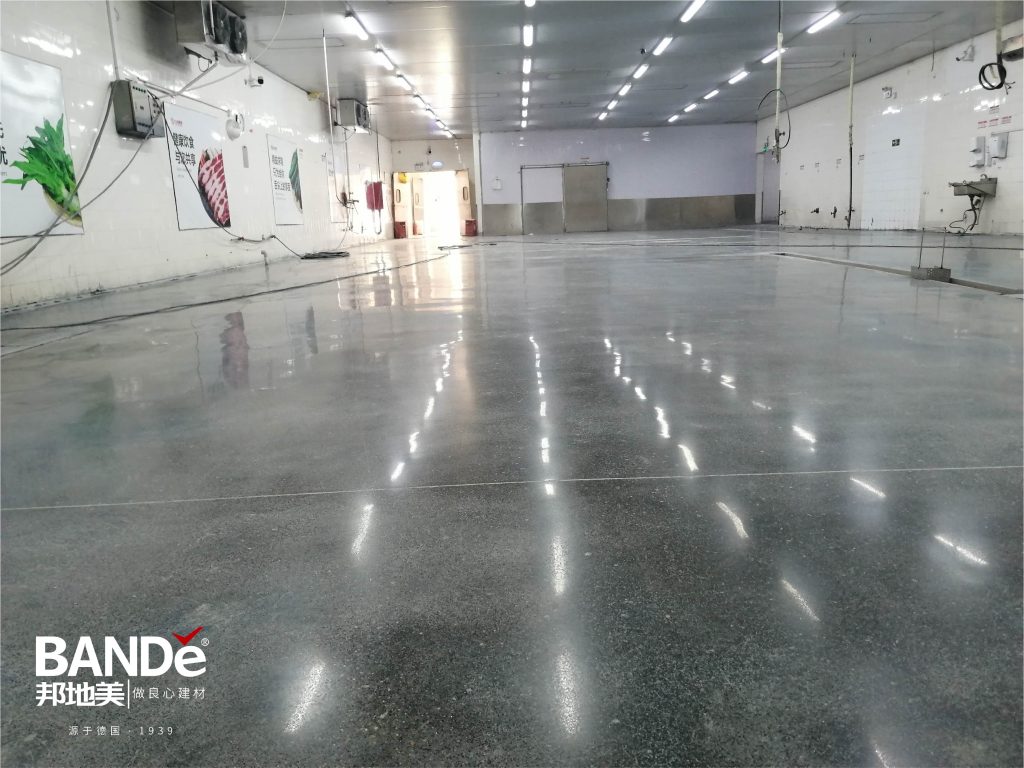
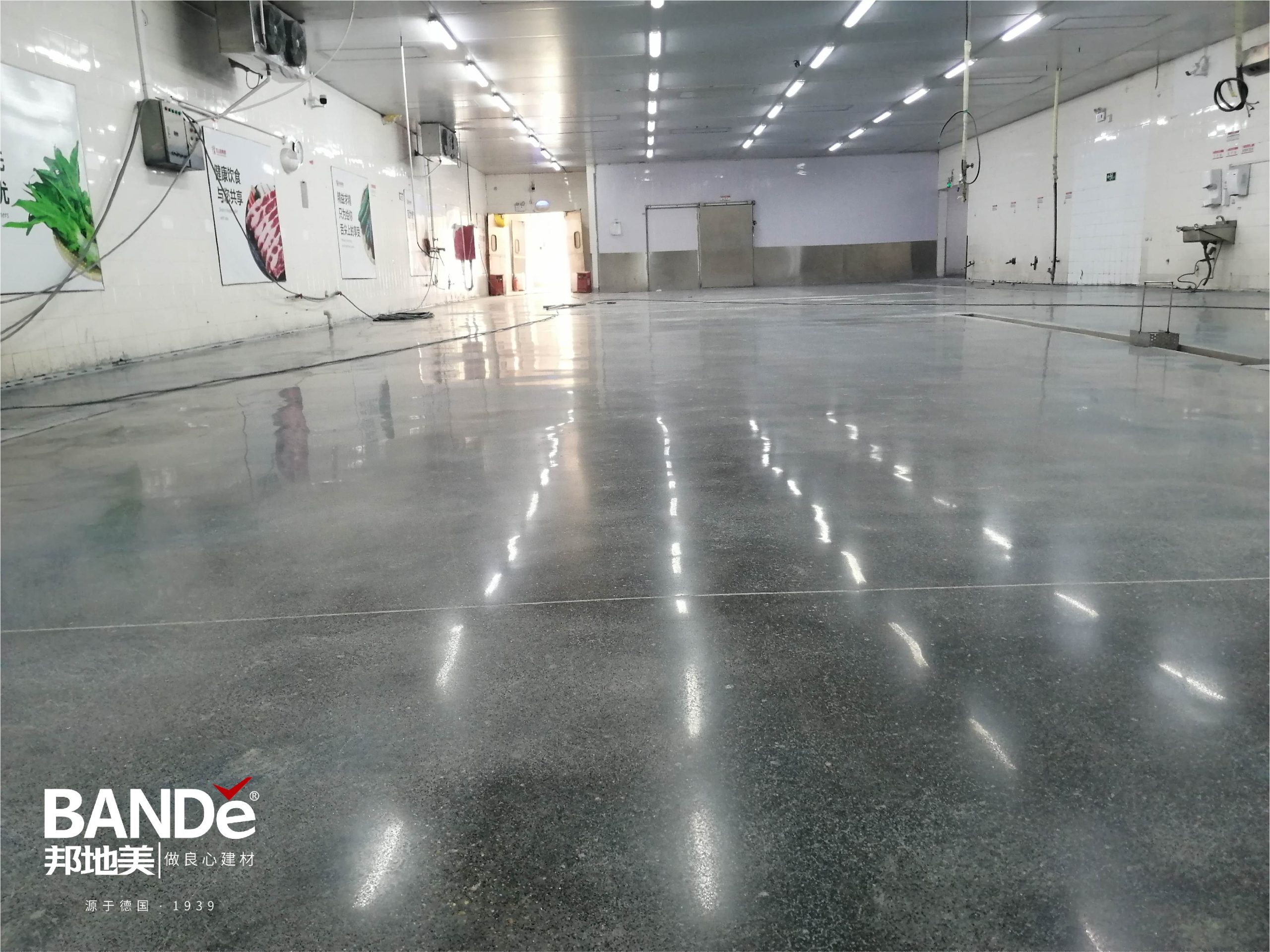
Industrial floor hardeners are important materials. They make concrete surfaces last longer and be stronger. They help industrial floors resist damage from use. Knowing the different types of floor hardeners helps you pick the right one. This knowledge lets you choose the best way to keep your industrial floors in good shape.
Key Takeaways
Industrial floor hardeners make concrete stronger and last longer. This is great for busy industrial places.
Picking the right hardener—metallic, non-metallic, or polymer—depends on what you need. This could be moisture resistance or protection from impacts.
Using floor hardeners can lower maintenance costs a lot. They help stop damage and reduce repairs over time.
Using the right application methods is very important. Always prepare the surface and follow the instructions from the manufacturer.
Regular maintenance, like cleaning and quick fixes, will help treated floors last longer and look nice.
Types of Industrial Floor Hardener
Metallic Hardeners
Metallic floor hardeners have metal pieces, usually iron or steel. These hardeners create a strong surface that can handle heavy use and impacts. You can put them on new concrete surfaces to make them last longer from the start. Factories, warehouses, and car shops often use metallic hardeners because they are strong and resist wear.
Here are some pros and cons of metallic floor hardeners:
Advantages | Disadvantages |
|---|---|
Very strong and long-lasting | More expensive |
Good for heavy machines and busy areas | Needs careful installation |
Helps concrete last longer | Can rust if made from iron |
Protects against hard hits and scratches | Moisture or chemicals can cause damage |
Non-Metallic Hardeners
Non-metallic floor hardeners use minerals like quartz, emery, or corundum. These materials make the floor harder and more durable without rusting. Non-metallic hardeners are great for places with moisture. They improve resistance to wear and create a strong layer that protects concrete from heavy use and impacts.
You can find different types of non-metallic hardeners, each with special features:
Type of Non-Metallic Hardener | Composition | Properties |
|---|---|---|
Type 1 | Fine nonmetallic materials, plasticizers, binding agents | Non-rusting, good for indoor/outdoor use |
Type 2 | Ground silica materials, coloring agents, plasticizers, cement | More reflectivity, better wear resistance |
Type 3 | Cement, graded emery materials | Resistant to wear |
Type 4 | Graded trap rock materials, additives, cement | Better wear resistance |
Non-metallic hardeners are flexible and work well for both business and home projects. They need less care than metallic systems.
Polymer Hardeners
Polymer floor hardeners are made of minerals, polymers, and additives. These parts make concrete surfaces stronger and harder. When you use polymer hardeners, they bond tightly with the concrete. This helps reduce cracks and wear. They also improve water resistance, protecting against the environment.
You can pick from different types of polymer hardeners, each with special benefits:
Type of Hardener | Key Characteristics |
|---|---|
Amine-Based Hardeners | Controlled curing time, strong adhesion, chemical resistance, UV stability, flexible or rigid |
Anhydrides | Improves bonding and chemical resistance, good for many uses |
Phenalkamines | Better UV resistance and color holding than regular amines |
Modified Amines | Provides flexibility or rigidity based on the mix |
Besides these types, think about using BANDě Concrete Dust Sealer. This product is water-based and goes deep into concrete. It helps the cement hydration process, making a strong and wear-resistant structure. This treatment greatly extends the life of concrete floors and stops dust and sand from building up.
Dry Shake Hardeners
Dry shake hardeners are another popular choice. You put them on freshly poured concrete. They come in different types, including metallic and non-metallic. To apply them, you spread the hardener on wet concrete and then trowel it in. This method makes sure the hardener sticks well to the concrete, improving the floor’s strength.
Benefits
Durability
Industrial floor hardeners make concrete surfaces much stronger. When you use these hardeners, they soak into the concrete. This creates a tough layer that lasts a long time. As a result, industrial floors can handle heavy machines and foot traffic better. You will see that the floors are stronger, which lowers the chance of cracks or breaks. Products like Superdensifil and MAPECRETE LI HARDENER show how floor hardeners can make your floors last longer. They seal the surface, so spills and stains are less of a problem. This means you have to do less cleaning.
Benefits of Increased Durability:
Floor hardeners make industrial floors much stronger.
They boost the strength of concrete floors.
Treated floors need less care.
Resistance
Floor hardeners also help with resistance to different things. They work with calcium hydroxide in concrete to create calcium silicate hydrate (C-S-H). This makes the surface denser and harder. This chemical change helps the floor resist spills and wear. For example, hard materials in dry shake hardeners form a strong surface layer that fights wear and tear. Hardened floors also resist oils, chemicals, and cleaners, which cuts down on maintenance costs. Using products like BANDě Concrete Dust Sealer protects concrete from dust and sand, giving long-lasting safety.
Evidence Type | Description |
|---|---|
Chemical Reaction | Floor hardeners react with calcium hydroxide in concrete to form C-S-H. |
Abrasion Resistance | Hard aggregates in dry shake hardeners create a tough surface layer. |
Chemical Resistance | Hardened floors enhance resistance to oils, chemicals, and cleaning agents. |
Cost-Effectiveness
Using industrial floor hardeners is a smart way to save money on industrial floors. They help you save a lot in the long run compared to untreated concrete. Floor hardeners resist wear, impacts, and chemical damage better. This leads to fewer cracks and less damage to the surface. You will spend less on repairs and avoid high costs for replacing floors too soon. The cost of using a floor hardener is less than fixing or replacing floors, making it a wise choice for your business.
Evidence Description | Impact on Maintenance Costs |
|---|---|
Floor hardeners make concrete floors stronger and more durable. | Less frequent repairs and maintenance, saving time and money. |
They boost the strength of concrete, making it less likely to get damaged. | Reduces the risk of costly repairs due to cracks or breaks. |
Treated floors need less care than untreated ones. | Saves businesses time and money on maintenance costs. |
The cost of applying a floor hardener is lower than fixing or replacing floors. | Cost-effective solution for long-term savings. |
By picking the right floor hardener, you keep your industrial floors strong, resistant, and cost-effective for many years.
Mechanism
Chemical Reactions
When you use industrial floor hardeners, they start important chemical changes. These hardeners mix with free lime and calcium hydroxide in the concrete. This mixing creates calcium silicate hydrate (CSH). CSH is important because it makes the concrete stronger and lasts longer. Because of this, your floors can handle wear and tear better.
Application Techniques
Using floor hardeners the right way makes them work well. Here are some ways to apply different types of hardeners:
Application of Dry Shake Hardeners:
Evenly spread the hardener on fresh concrete.
Let it soak up moisture.
Trowel the surface to make it smooth.
Application of Liquid Hardeners:
Use a spray or roller to apply it.
Let the hardener soak into the concrete.
Cure and dry it well for the best results.
Before you put on any hardener, prepare the surface carefully. Clean the concrete to get rid of dust and dirt. Fix any cracks or problems to help it stick well.
To get the best results from BANDě Concrete Dust Sealer, use these application tips:
Surface Preparation: Clean the concrete surface well to remove dirt and dust.
Application Methods: Apply the sealer in thin, even layers using rollers, brushes, or sprayers.
Curing Process: Allow enough time for curing after applying to make sure the sealer hardens correctly.
Maintenance Tips
Taking care of floors treated with hardeners is important for them to last. Here are some good routines to follow:
Regularly check for early signs of cracks or wear.
Clean often to remove dust, dirt, and spills.
Look at joints for damage and fix small cracks quickly.
Use sealers or coatings for extra protection against wear and moisture.
Using industrial floor hardeners has many benefits for your concrete surfaces. Here are some important advantages:
Increased durability: Floor hardeners make industrial floors much tougher. They help resist damage from heavy machines and foot traffic.
Improved strength: They make concrete stronger. This lowers the chance of cracks when heavy loads are on it.
Reduced maintenance: Treated floors need less care. This saves time and money on upkeep.
Cost-effective: Using floor hardeners is a smart way to save money. It costs less than fixing or replacing damaged floors.
Aesthetically pleasing: They come in different colors and finishes. This makes the surface look better than untreated concrete.
When picking the right hardener, think about the environment and how it will be installed. Also, consider the long-term costs. Talk to flooring experts to help you choose the best type for your needs. Remember to plan for regular cleaning and quick repairs. This will keep your floors looking good and lasting longer.
FAQ
What are industrial floor hardeners?
Industrial floor hardeners are materials that make concrete surfaces stronger and last longer. They soak into the concrete and create a tough layer that fights wear, impacts, and spills.
How do I apply floor hardeners?
You can put floor hardeners on new concrete or use liquid ones on old surfaces. Make sure the concrete is clean and follow the instructions from the manufacturer for the best results.
Can I use hardeners on old concrete?
Yes, you can use hardeners on old concrete. Products like BANDě Concrete Dust Sealer are great for making old surfaces stronger, cutting down dust, and improving wear resistance.
How long do floor hardeners last?
How long floor hardeners last depends on the type and how you use them. Usually, they can last for several years and greatly extend the life of your concrete floors if you take care of them.
Are floor hardeners cost-effective?
Yes, using floor hardeners saves money. They lower maintenance costs and the need for repairs, making them a smart choice for industrial flooring.
See Also
Top 5 Industrial Concrete Floor Hardeners You Should Consider
Optimal Floor Hardeners for UK Industrial Warehouse Needs
2025 Guide to Comparing Industrial Floor Hardeners Effectively
Understanding Floor Hardeners: Their Function and Benefits Explained
Exploring Concrete Floor Hardeners: Definition and Functionality Overview
