

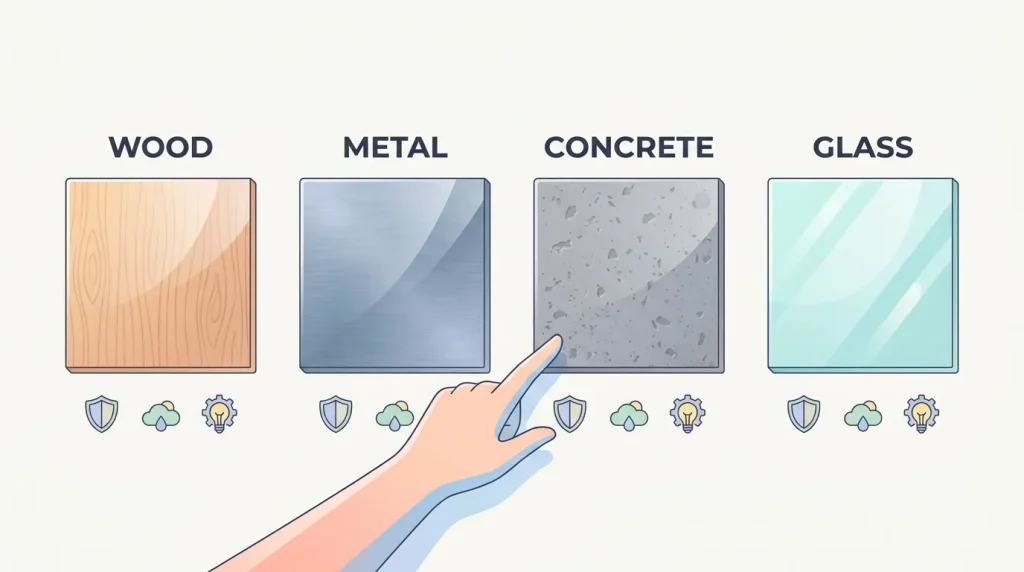
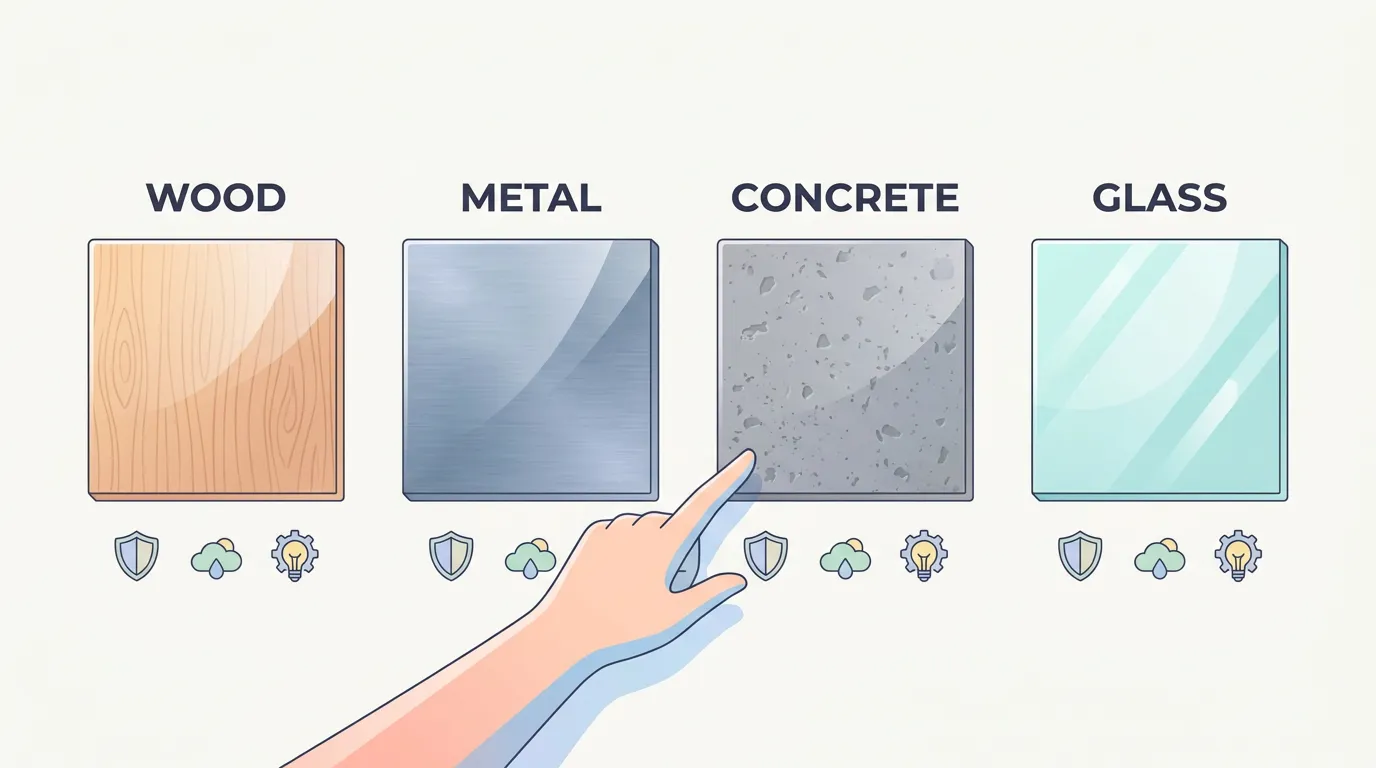
Your building’s future hinges on proper building coating selection. Incorrect choices lead to significant financial costs and environmental harm. VOCs from traditional coatings contribute to climate change; 1 kg of VOC equals 4.23 kg of CO₂ equivalent. This guide covers diverse surfaces, advanced technologies, and future trends in every type of building coating. It offers practical insights for every surface.
Key Takeaways
Proper surface preparation removes dirt and moisture to ensure your building coatings last for many years.
Matching specific coatings to materials like concrete, wood, or metal prevents costly damage and structural repairs.
Choosing sustainable, low-VOC coatings protects the environment and improves indoor air quality for everyone.
Key Factors for Right Coating Selection
Choosing the right coating for your building is a critical decision. You must match the coating system to the specific surface type for proper adhesion and long-term durability. This ensures your investment provides lasting surface protection.
Surface Substrate Analysis
You begin by thoroughly analyzing the surface substrate. This involves assessing asset exposure through a comprehensive environmental survey. You evaluate corrosion risks and determine durability standards using established performance metrics, such as ASTM protocols. Ensure regulatory compliance with federal and state environmental and safety regulations. You select the coating type based on the substrate material, environmental exposure, operational stress, temperature, and potential for chemical interaction. For instance, steel systems require specific anti-corrosion requirements for each part of the asset, like hull sections. You must verify compatibility between surface preparation methods, such as abrasive blasting or chemical cleaning, and the chosen coating system. Apply the coating using appropriate techniques, like spray or electrostatic methods, and maintain detailed application logs. Leverage local expertise from suppliers or consultants for tailored recommendations and on-site support. Remember, different coatings have specific demands for surface treatment, including priming, intermediate, and topcoat layers. You need a matching system of coatings with the proper number of courses and dry film thickness.
Environmental Factors & Performance
Evaluating environmental factors is crucial for optimal coating performance. Consider chemical exposure concentration, physical impact, corrosion risks, and moisture resistance. When the protective barrier is compromised, the underlying surface begins to degrade.
Once the protective barrier is compromised, the underlying substrate begins to degrade. In steel systems, this means corrosion that reduces thickness and structural capacity. What could have been a localized repair becomes a larger rehabilitation project involving structural repair, relining, or component replacement. This highlights the severe consequences of poor coating selection. The total cost of corrosion alone exceeds $2.5 trillion annually. Unplanned downtime can even exceed the cost of the entire coating project.
UV exposure also significantly impacts coating lifespan. UV radiation gradually breaks down paint pigments, coatings, sealants, and certain siding materials. Continuous UV exposure causes paint colors to fade over time and weakens protective coating systems. South- and west-facing building elevations often experience the most significant deterioration. As protective finishes degrade, underlying materials become more vulnerable to additional weather-related damage.
Moisture and humidity are critical environmental factors that compromise coating adhesion. Water molecules penetrate the coating, disrupting interfacial bonding. This leads to hydrolytic degradation, which breaks polymer chains and reduces mechanical integrity. Osmotic blistering occurs when trapped water-soluble contaminants create pressure gradients, causing delamination. For metals, substrate corrosion produces voluminous corrosion products that mechanically disrupt the coating-substrate bond. Humidity aging can also cause slow drying, blushing (a cloudy appearance), and surface defects like orange peel. Moisture contamination at the interface weakens adhesion, eventually causing peeling or flaking.
Finally, understand the importance of required film thickness. Thin-build coatings (4-10 mils DFT) offer basic protection. Thick-build coatings (10-40 mils DFT) provide enhanced durability and resistance. Specialized surface sealers offer specific benefits, often for porous surfaces. Your right coating choice depends on these detailed coating considerations.
Concrete Coating Solutions
Types of Coatings for Concrete
You need to select the right coating for your concrete. Various types of paint coatings exist for concrete surfaces. Epoxy coatings offer the highest chemical resistance. Polyurethane provides good chemical resistance, but it is slightly lower than epoxy. Acrylic coatings have moderate chemical resistance. They suit light-duty applications. Polyurethane topcoats, like Westcoat’s EC-95G, are designed for chemical resistance. Acrylic coatings degrade quickly with increased use. This shows polyurethane offers superior chemical resistance over acrylics. The global concrete floor coating market is growing. It is estimated at $7.1 billion in 2026. This market shows a projected CAGR of 6.7% from 2026 to 2033. This growth highlights the importance of effective concrete coatings.
However, some coatings can fail. Epoxy delamination occurs from moisture vapor transmission. Improper surface preparation also causes it. Surface contamination, like curing compounds, contributes to this issue. Polyaspartic peeling happens due to hot tire pickup. Chemical exposure and environmental stresses also cause it. Cracking in urethane cement results from substrate structural movement. Thermal expansion or contraction also plays a role. Inadequate thickness and incorrect mixing ratios are other causes. Rapid temperature changes during curing also lead to cracking.
Application Considerations for Concrete
Proper application is crucial for concrete coatings. You must survey the surface first. Determine concrete strength and moisture content. Remove laitance, a white powdery film, because it negatively affects coating adhesion. Then, clean the surface. Remove contaminants that interfere with bonding. You must profile the surface. Create the required surface profile as specified by the coating manufacturer. This ensures mechanical adhesion. Spot-repair damaged areas. Repair cracks and unstable fragments before coating application. This ensures a sound substrate.
You must also remove damaged parts. Clear loose concrete and soft cement paste using abrasive blasting. This ensures the concrete substrate is firm. Customize the surface profile for the new coating. This strengthens the mechanical bond. Test pH; a minimum pH of 9 is required to prevent coating failure. Remove abrasive dust using compressed air, brushes, or solvents. This eliminates particles that compromise bond integrity. If you use acid wash, rinse thoroughly. This removes residual contamination. Ensure the surface is dry. This prevents pinholes and delamination. Inadequate surface preparation is a primary cause of peeling and delamination.
Optimal Coatings for Wood Surfaces
Protecting Wood from Elements
You must select the right wood coating to ensure lasting beauty and structural integrity. Wood surfaces face constant threats from UV radiation and moisture. A quality wood coating acts as a crucial barrier. UV absorbers in the coating absorb harmful UV radiation. They dissipate it as heat, preventing photo-oxidation of the coating and wood surface. Light stabilizers, like HALS, work with UV absorbers. They scavenge free radicals, providing comprehensive protection against weathering. Barrier coating systems create dense, impermeable films. These films limit oxygen permeability and minimize moisture ingress. This reduces oxidative degradation and finish failure. Antioxidant additives scavenge free radicals. They inhibit oxidation reactions that cause discoloration and deterioration of the wood surface. Pigments also reflect or scatter UV radiation, offering a filter effect. However, pigments may hide the natural wood texture. The primary function of a coating is to protect wood from UV radiation and moisture. This maintains its appearance. Clear coatings are challenging because they transmit UV. You can enhance them with additives like HALS and UV absorbers.
Aesthetic & Durability Choices
You face a choice between oil-based and water-based coatings for your wood surfaces. Oil-based finishes are traditionally viewed as the durability champions, especially for outdoor conditions. They resist wear, moisture, and temperature swings. Water-based finishes, while improved, can fall short in long-term outdoor exposure unless specifically formulated for exterior use. Oil-based coatings penetrate deep into wood fibers, protecting from within. Water-based coatings form a surface film, sitting on top. Oil-based coatings offer high resistance to cracking and peeling. Their flexibility moves with the wood. Water-based coatings are prone to peeling, especially in harsh outdoor conditions. Oil-based coatings also provide enhanced UV resistance, reducing fading. Water-based paint is less effective and may fade over time. You can easily touch up oil-based coatings without stripping. Water-based coatings require sanding or full stripping before recoating. The lifespan of exterior wood coatings varies. Wood siding coatings typically last 5–7 years. This is shorter than other surface type coatings like stucco (6–10 years) or painted brick (8–15 years). Your choice of coating significantly impacts the required maintenance and overall surface protection.
Specialized Coatings for Metal
Corrosion Protection & Industrial Use
You must prioritize corrosion protection for metal surfaces, especially in harsh industrial or marine environments. Effective coating systems for steel in marine settings include epoxy paint as primers and intermediate layers. These provide excellent adhesion and barrier protection against water and corrosive salts. Polyurethane paint serves as a topcoat, offering UV resistance and abrasion resistance, which protects the underlying epoxy. Zinc-rich primers also provide sacrificial cathodic corrosion protection, preventing corrosion creep by corroding preferentially.
For even greater durability, you can consider advanced types of paint coatings. CrN/CrCN multilayer PVD applications on 316L stainless steel show significantly higher corrosion resistance in artificial seawater. Laser cladding composite ceramic film on S355 marine steel also improves wear and corrosion resistance. TESLAN® products incorporate carbon nanotubes (CNTs) to enhance cathodic protection by maximizing sacrificial action. This CNT-reinforced film achieves exceptional adhesion, eliminates microcracking, and provides outstanding barrier properties for the metal surface. These commercial paint coatings offer superior edge retention, reducing costs.
High-Performance Metal Coating Systems
You need high-performance metal coating systems for extreme temperatures. Innovations include ambient cure coatings that reach full properties without heat, offering environmentally friendly high-temperature coating protection. Rapid cure coatings shorten production wait times for high-temperature equipment. Bake enamels are single-component systems that fully cure during oven baking, providing long-term durability up to 1200°F. High solids coatings offer thicker coverage with lower VOC emissions, meeting stricter environmental standards.
From 2025 to 2035, the high-temperature coatings market will see radical breakthroughs. These include nanostructured applications with superior thermal insulation and self-healing formulations. AI-driven material optimization will also emerge. You can find specialized products like Tnemec Series 335 Tank Lining, a moisture-tolerant epoxy for chemical immersion that cures fast in cold conditions. This ensures the integrity of the tank surface. Tnemec Series 21 Epoxoline is a potable water tank lining with cold flexibility. Tnemec Series 132 Chembuild Epoxy is surface-tolerant, high-build, and resists thermal shock, applying over moisture. These advanced solutions ensure optimal performance on various surface types.
Masonry & Stucco Coating Strategies
Breathability & Moisture Management
You must prioritize breathability when selecting coatings for masonry and stucco. Breathable mineral-based paints feature a microporous structure. This structure allows moisture vapor to escape while repelling liquid water. This action prevents moisture buildup, which often leads to efflorescence and damage. These coatings are vapor permeable and chemically bond with the masonry. Impermeable acrylics, conversely, trap moisture. This trapping causes peeling, blistering, and efflorescence on the surface.
Using breathable materials like mineral-based masonry paint or limewash allows masonry to breathe. This prevents trapped moisture that causes efflorescence, spalling, and flaking. Properly applied breathable coatings manage moisture naturally. They allow water vapor to escape while blocking liquid water. Breathable, penetrating sealers also repel liquid water but allow water vapor to escape. This keeps the material dry and prevents pressure buildup that leads to efflorescence. These sealers are effective for concrete, brick, and pavers. They stop moisture intrusion while maintaining vapor permeability, offering crucial surface protection.
Decorative & Protective Finishes
You choose masonry and stucco coatings for both their aesthetic appeal and their protective qualities. These coatings enhance the visual appearance of your building while providing a durable layer against environmental elements. A high-quality coating can transform the look of your property. It also extends the life of the underlying masonry or stucco surface.
Beyond aesthetics, these coatings offer vital protection. They shield the surface from rain, wind, and UV radiation. This protection prevents erosion and degradation over time. Different types of coatings provide varying levels of durability and finish. For example, elastomeric coatings offer excellent flexibility. They bridge minor cracks and provide superior waterproofing. Acrylic coatings offer good color retention and weather resistance. Your choice of coating significantly impacts the long-term performance and maintenance needs of your building’s exterior surfaces.
Future of Building Coatings
Sustainable Coating Options
You will see a significant shift towards sustainable coating options in the coming years. These coatings reduce environmental impact and improve indoor air quality. Manufacturers are developing products with lower volatile organic compound (VOC) emissions. They also use renewable resources and incorporate recycled content. Choosing these eco-friendly coatings helps you meet stringent environmental regulations. It also contributes to healthier living and working spaces.
You can earn certifications for your projects by selecting specific sustainable coatings. For example, LEED awards points for projects using Green Seal-certified paints and coatings (GS-11). Using these certified products contributes toward LEED Materials & Resources credits and Indoor Environmental Quality credits. You can gain 1 point in Materials and Resources (O&M), 3 points in Indoor Environmental Quality (BD&C and ID&C), and 2 points in Materials and Resources (BD&C). Products certified to Green Seal’s revised standard meet both chemical content and VOC emissions testing requirements of LEED v4.1. The GS-11 standard restricts carcinogens, reproductive toxins, HAPs, and other harmful chemicals. Green Seal paint certification qualifies products for LEED v4.1 low-emitting materials credit and Amazon’s Climate Pledge Friendly badge. This ensures you select a quality coating that benefits both your building and the planet.
Smart Coatings & Innovations
The future of building coatings also includes exciting advancements in smart technologies. These innovative coatings offer more than just protection and aesthetics. They integrate advanced functionalities directly into the surface. You will find self-healing coatings that automatically repair minor scratches and cracks. This extends the lifespan of the surface and reduces maintenance needs. Other smart coatings can regulate temperature. They reflect sunlight to keep buildings cooler in hot climates or absorb heat to warm them in cold conditions. This significantly improves energy efficiency.
Further innovations include self-cleaning coatings that repel dirt and grime. This keeps your building looking pristine with minimal effort. You will also see color-changing coatings that respond to environmental cues or user preferences. Some advanced coatings even incorporate sensors. These sensors monitor structural integrity, moisture levels, or air quality. This provides real-time data for proactive maintenance. These intelligent coatings transform a simple building coating into an active component of your building’s performance and management system.
Application & Maintenance Best Practices
Proper surface preparation and understanding application method requirements are critical prerequisites for optimal coating performance. You must ensure these steps are followed for lasting results.
Surface Preparation Essentials
You must thoroughly prepare the surface before any coating application. This ensures proper adhesion and long-term durability of the coating. Industry standards guide this crucial process. For example, SSPC-SP1 involves solvent cleaning to remove oil, grease, and dirt. SSPC-SP5, or NACE 1, specifies white metal blast cleaning, leaving the surface free of all visible contaminants. SSPC-SP10, equivalent to NACE 2, requires near-white metal blast cleaning, where at least 95% of the surface is contaminant-free. These standards ensure you create an ideal surface profile for the new paint.
You also need to consider other preparation methods. SSPC-SP12, or NACE 5, uses high-pressure water jetting to expose the original blasted surface. For concrete, SSPC-SP13 outlines surface preparation using mechanical, chemical, or thermal methods. Following these guidelines prevents early coating failure. A well-prepared surface is the foundation for a high-quality finish.
Common Pitfalls & Troubleshooting
You often encounter common mistakes during coating application and maintenance. Avoiding these pitfalls ensures the longevity of your coating. One major error is inadequate surface preparation; you must clean and profile the surface properly, removing all contaminants and ensuring it is dry. Applying paint over moist or contaminated surfaces leads to poor adhesion. Always inspect for moisture, use ventilation, and check weather conditions before application.
Incorrect mixing and application techniques also cause problems. You must follow the manufacturer’s instructions for mixing ratios and use recommended tools. Applying the coating too thick or too thin compromises its performance. Use a wet film thickness gauge and apply multiple thin coats, allowing proper drying between coats. Ignoring recoat windows can also lead to issues; always check the manufacturer’s specified recoat times. Proper storage and handling of materials are also vital for maintaining product quality.
Informed coating selection is a long-term investment in your building’s protection and value. You now understand surface-specific needs and advanced technologies. The future of building coating offers exciting innovations. Continuously learn to ensure you choose the right coating. Apply this knowledge for superior building performance and reduced maintenance.
FAQ
What is the most critical step for successful coating application?
Proper surface preparation is crucial. You must clean and profile the surface thoroughly. This ensures optimal adhesion and durability for any building coating on the surface.
What types of paint coatings are best for concrete surfaces?
Epoxy coatings offer high chemical resistance for concrete. Polyurethane provides good resistance. Acrylic coatings suit light-duty concrete surfaces.
Why should you choose breathable coatings for masonry surfaces?
Breathable coatings allow moisture vapor to escape the surface. This prevents buildup, efflorescence, and damage to masonry.
See Also
Choosing Between Acrylic And Epoxy Anti-Slip Coatings In 2025
How To Select The Best BANDě Concrete Sealer This Year
The Definitive Guide To Concrete Sealers For Industrial Floor Protection
A Complete Guide To Applying Waterproof Coatings On Every Surface
Comparing The Top Industrial Floor Hardeners For Your Next Project
