

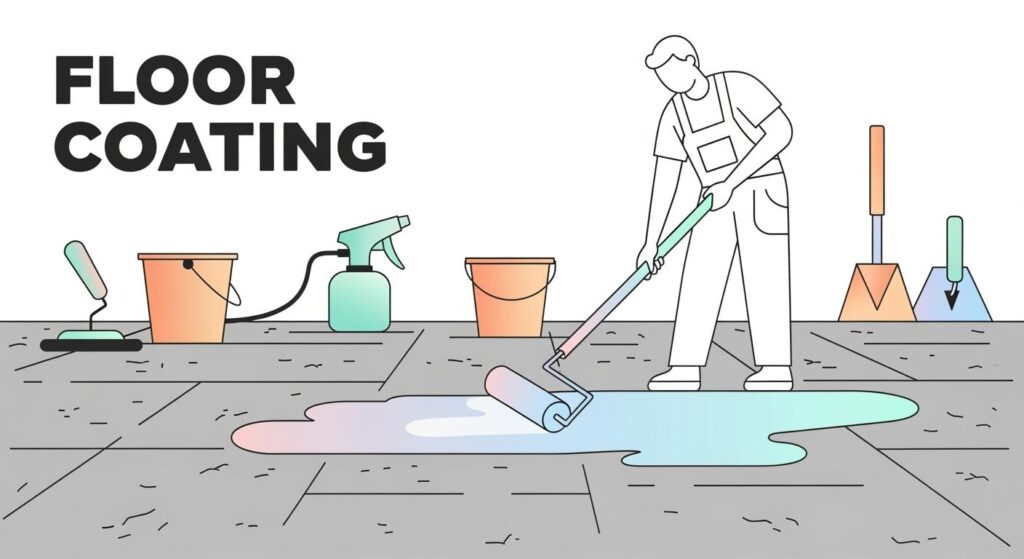
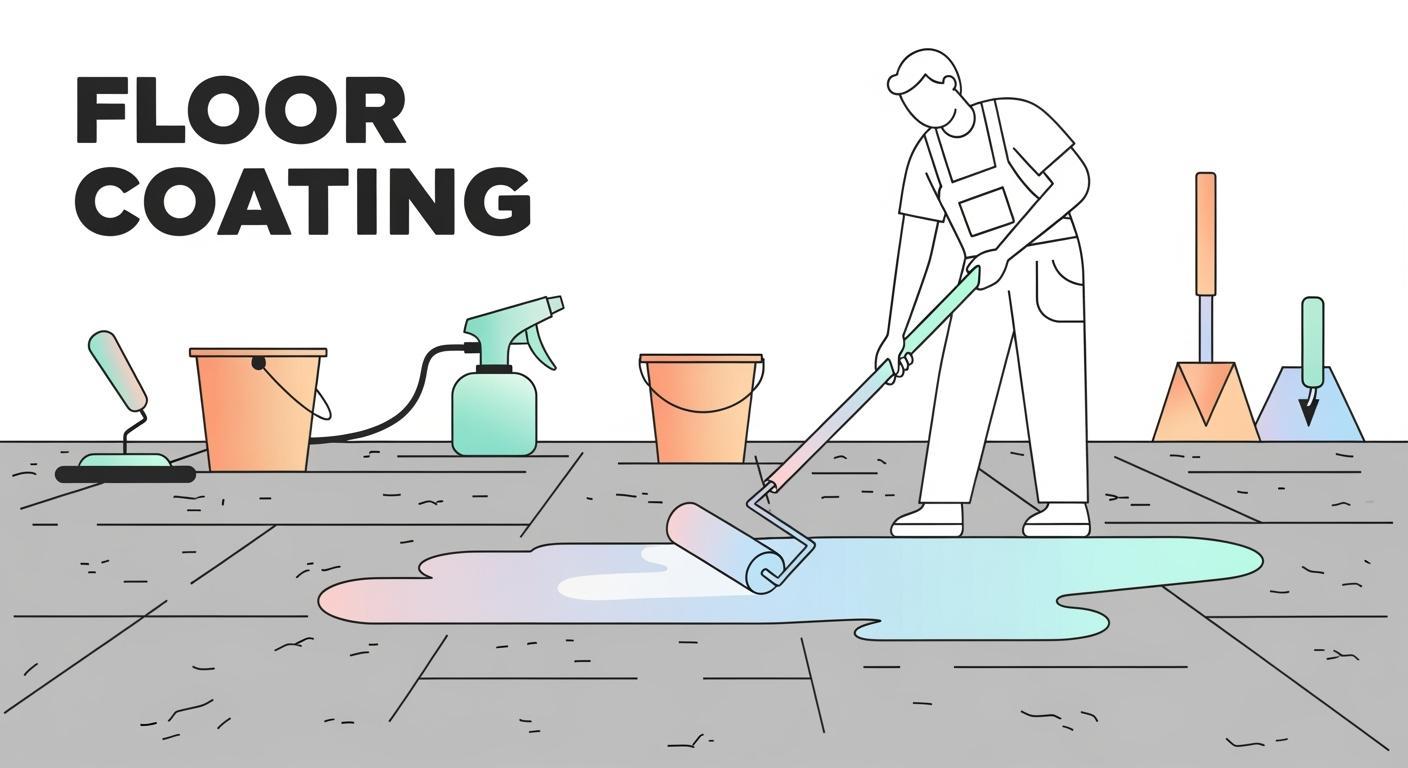
You want your concrete floors to last. A concrete floor hardener significantly boosts their durability and longevity. These specialized products, known as concrete floor hardeners, increase abrasion resistance, reduce dusting, and enhance appearance. Proper application is crucial to unlock these benefits fully. This comprehensive guide helps you achieve optimal, long-lasting results.
Key Takeaways
Concrete floor hardeners make floors stronger and last longer.
These products stop floors from dusting and make them look better.
Applying the hardener correctly is important to get the best results.
Concrete Hardeners: Understanding & Preparation
What is a Concrete Hardener
A concrete floor hardener is a chemical solution you apply to concrete. It increases density and durability. These hardeners react with components within the concrete. Dry shake hardeners use cementitious materials. Their hydration consumes free water from the concrete mix. This reduces the water-to-cement ratio near the surface, creating a hard, abrasion-resistant wearing surface. Liquid concrete hardeners, like those with sodium or lithium silicate, react with calcium. This forms a gel. The gel fills tiny voids, making the concrete surface harder and denser.
Benefits of Hardener Use
Applying a concrete floor hardener offers many advantages. You gain increased abrasion resistance. Your floors withstand heavy traffic better. You also achieve significantly reduced dusting. Dry shake aggregate floor hardeners decrease typical plain concrete dusting. They improve abrasion resistance and reduce surface permeability. Liquid floor hardeners, a clear blend of silicate and siliconate polymers, harden the concrete surface. They seal dust, preventing its generation. This leads to easier maintenance and a cleaner environment. You also get better chemical protection and improved overall strength for your concrete flooring.
Essential Tools & Materials
Before application, gather your tools. You will need a low-pressure sprayer for liquid hardeners or broadcasting equipment for dry-shake products. A soft-bristle broom or squeegee helps spread the material. Always wear safety gear: gloves, eye protection, and a respirator. Have cleaning supplies ready, including a mop and buckets. You need the specific concrete floor hardener product you chose.
Surface Prep for New Concrete
Proper preparation ensures the best results for your application. For new concrete, allow sufficient curing time. The concrete surface must be fully cured, typically 7 to 28 days. This depends on the mix. Ensure the surface is clean, smooth, and free of any curing compounds or debris. You want the hardener to penetrate evenly.
Surface Prep for Existing Concrete
Preparing existing concrete requires more steps. First, thoroughly clean the concrete surface. Remove all dirt, grease, oil, and old sealers. Use a degreaser or a mechanical grinder for stubborn contaminants. Repair any cracks or spalls before application. The concrete surface must be dry and free of moisture. This ensures the hardener properly reacts and densifies the material.
Concrete Hardener Application: Step-by-Step
Choosing the Right Hardener
Selecting the correct concrete floor hardener is your first crucial step. Consider the concrete’s age, whether it is new or existing. Think about the finish you desire. Always check the product specifications. For high-traffic industrial floors, you need a robust solution. Look for a concrete floor hardener with a cement base, often TPI Portland Type 1 Cement compliant with ASTM C-150. It should contain high abrasive resistance aggregate with a specific crystal structure for hardness. Quality additives enhance adhesion and hardness. These products offer increased abrasion resistance compared to conventional concrete. They create a smooth surface that is easy to clean because they contain no metal powders. This also protects against corrosion and rust. You can find these dry shake concrete hardener products in various colors like light gray, red, green, yellow, and blue. A 50 kg bag typically covers 8-10 square meters with a mortar thickness of 1-4 mm, requiring 5-7 kg per square meter. This detailed information helps you make an informed choice for your application methods.
Liquid Hardener Application
Applying a liquid concrete hardener requires precision. You will spray the liquid concrete hardener evenly onto the concrete surface. Do not add water or other admixtures to the product. Even penetration is vital for the hardener to work effectively. For liquid concrete hardeners, a general guideline suggests an application rate of approximately 0.2 to 0.3 liters per square meter. However, always consult specific product instructions, as usage varies based on the hardener and the concrete’s absorption. Keep the concrete surface moist for 20 to 30 minutes after spraying the liquid concrete hardener to ensure full penetration. If the surface begins to dry too quickly, apply a light mist of water to aid absorption. Allow the liquid concrete hardener product to soak into the concrete for a recommended period, typically ranging from 30 minutes to an hour. When applying liquid concrete hardener, monitor temperature and humidity. Maintaining a stable temperature and moderate humidity is recommended. Avoid extreme weather conditions. This ensures the liquid concrete hardener reacts effectively, directly impacting its penetration and drying times. This careful application ensures the best results.
Dry-Shake Hardener Application
The dry shake concrete hardener application differs significantly from liquid hardeners. You apply dry-shake hardeners as a dry compound onto fresh concrete. Do this when the surface water has just evaporated. Broadcast the powder evenly, either by hand or mechanically. For mechanical application, use an automatic spreader with a laser screed. Spread the dry shake concrete hardener evenly onto the concrete immediately after screeding. Apply at 3-5 kg/m² in one application. You must work the material into the concrete after broadcasting. The first application must be worked into the slab. Follow this immediately with the second stage quantity of dry shake concrete hardener. Final finishing closes pores and removes undulations. You can achieve this by hand or with a powered trowel. Spreading can start almost immediately after the concrete has leveled. This allows for the hydration of the dry shake concrete hardener. Compaction with the trowel can begin as soon as the concrete supports the weight of the power trowels. This dry shake concrete hardener application method creates a very durable surface.
Curing & Post-Application Care
Proper curing and post-application care are essential for the longevity of your hardened concrete surface. For fresh concrete, apply the liquid concrete hardener in a continuous film. Use a high-volume, low-pressure spray unit as soon as the surface is firm enough to walk on. Ensure enough quantity to keep the concrete surface damp for at least 30 minutes. After 30-45 minutes, when the material begins to gel and becomes slippery, wet it slightly with a water spray. Rework the material into the concrete surface for 10-20 minutes using a soft bristle broom or floor-scrubbing machine. After about 20 minutes, when the material returns to a gel, rinse the floor. Remove any excess material using a squeegee, wet vacuum, or mop. For hardened concrete, apply the liquid concrete hardener in a continuous film using a high-volume, low-pressure spray unit. To ensure maximum penetration, scrub the material into the concrete surface with a soft bristle broom or floor-scrubbing machine for a minimum of 30 minutes. Continue until the material begins to gel and becomes slippery. Wet the material slightly with a water spray and rework it into the surface for another 10-20 minutes. After this process, rinse the floor and remove any excess material. Regular cleaning is crucial for post-application care. Sweep and mop regularly to remove dirt and debris that can cause abrasion. Some hardened floors benefit from periodic resealing to maintain their polished appearance and strength.
Common Application Issues
You might encounter some common issues during the application. Uneven application of concrete floor hardener is a primary concern. This leads to a poor finish. Poor application practices are the main cause. To avoid this, ensure an even application of the product. Use correct timing and troweling techniques. White spots can appear if the hardener dries too quickly or if excess material is not removed. Insufficient hardening can occur if the concrete surface is not properly prepared or if the hardener does not penetrate deeply enough. Always follow the manufacturer’s instructions carefully. Address these issues promptly to ensure the best outcome for your concrete floor hardener application.
You now understand the critical steps. Thorough preparation, correct application techniques, and proper curing are vital. These ensure your floors gain enhanced durability and reduced maintenance. Follow this guide for optimal, lasting results from your concrete floor hardener application.
FAQ
How long does concrete hardener last?
Concrete hardeners provide long-term durability. They typically last for many years, often the lifetime of the concrete itself. Proper application ensures maximum longevity.
Can you apply hardener to old concrete?
Yes, you can apply hardener to old concrete. First, clean the surface thoroughly. Then, repair any cracks. Ensure the concrete is free of sealers or contaminants.
Does hardener make concrete waterproof?
No, hardener does not make concrete waterproof. It densifies the surface. This increases resistance to water penetration. However, it does not create a waterproof barrier.
See Also
Choosing the Ideal Concrete Floor Hardener: A Comprehensive 2025 Guide
Understanding Concrete Floor Hardeners: Their Purpose and Operational Mechanics
Achieving Dust-Free Floors: Proper Application of Concrete Dust Sealers
The Science Behind Concrete Surface Hardeners: Unveiling Their Functionality
Selecting the Optimal Concrete Densifier for Your Warehouse Flooring Needs
