

Concrete densifiers and hardeners are very important. They help make your concrete surfaces stronger and last longer. When you use these products correctly, you get great benefits. These include harder surfaces and better resistance to damage. For example, concrete densifiers can make the top layer 25% stronger. But many people face problems when applying them. Common problems include timing. New concrete needs to cure before you treat it. Also, the way you apply it matters. You need to soak the surface, not just spray it. Solving these problems helps you get the best results from your concrete densifier and hardener.
Key Takeaways
Concrete densifiers and hardeners make surfaces stronger. They also help concrete last longer.
Use densifiers only after the concrete has cured for seven days. This helps the chemicals work better for more strength.
Always clean the concrete surface before using the densifier. A clean surface helps the densifier soak in and work well.
Pick the right type of densifier for your needs. Different products have special benefits, like scratch resistance or going deeper.
Follow the instructions from the manufacturer closely. Using the right methods prevents problems like whiting and gives the best results.
When to Apply Densifiers and Hardeners

Ideal Weather Conditions
You need to think about the weather when using concrete densifiers and hardeners. Good weather can really help how well you apply these products. Here are some important things to remember:
Temperature: Keep the room and product temperature at least 71°F (22°C) until curing starts. The best curing temperature is around 77°F (25°C). Don’t let the temperature go over 90°F (32°C) or below 59°F (15°C).
Humidity: Keep humidity under 80%. High humidity can cause problems during application.
Wind and Cold: Cold weather, high humidity, or wind can change set time and curing. Good curing methods are important to keep moisture and help strong hydration.
By making sure these conditions are right, you can get better results with your concrete densifier and hardener.
Timing After Curing
Timing is very important when using densifiers and hardeners. For the best results, wait at least seven days after curing before applying these products. This waiting time helps the concrete get strong. If you apply too soon, it can stop important chemical reactions. This can hurt the long-term strength of the concrete.
In commercial places, people often apply the densifier during the first polishing steps, usually around the 200 grit level. This timing makes sure there is enough calcium hydroxide for the best reaction. Calcium hydroxide is very important for the densifier to work well. It forms soon after water mixes with cement.
To sum up, the best time to use densifiers and hardeners is after the concrete has cured well. This way, you can get the best performance from your products. It helps make your concrete surfaces stronger and last longer.
Application Techniques for Concrete Densifier and Hardener
New Concrete Applications
To apply concrete densifier to new concrete, follow these steps for great results:
Evaluate the Concrete: Use a Mohs hardness pick to check how hard the concrete is. This tells you if it is soft, medium, or hard.
Clean the Surface: Make sure the concrete is clean. Remove sealers, curing compounds, and dirt. If needed, use an auto-scrubber for deep cleaning.
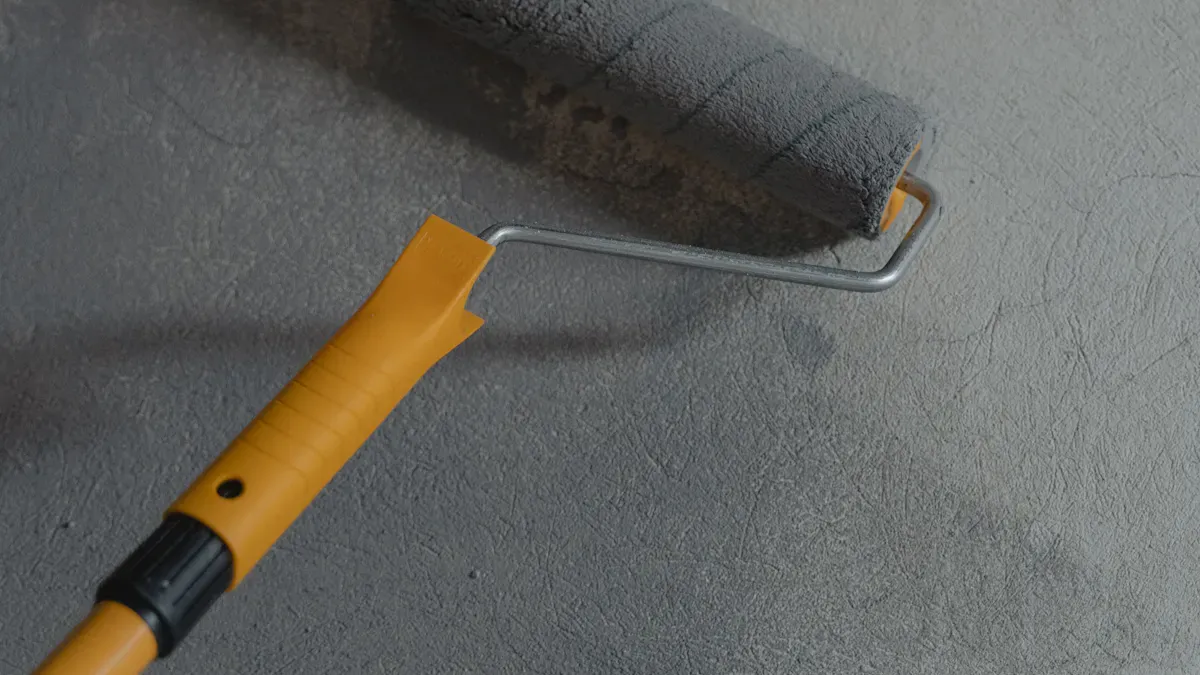
Apply Densifier: Use a low-pressure sprayer to put on the densifier. Make sure the surface is soaked. Keep it wet for about 20 minutes for full absorption.
Avoid Puddling: Don’t let the densifier pool on the surface. Puddles can leave a white film that you will need to clean up.
Consider Timing: Apply the densifier after grinding the surface. For soft concrete, use an 80-grit level. For medium to hard concrete, aim for 200-400 grit. Change this based on if you will use acid stains or dyes.
By following these steps, you can apply concrete densifier and hardener to new surfaces. This will make them stronger and last longer.
Existing Concrete Applications
Applying densifiers to existing concrete surfaces needs careful preparation. Here’s how to do it well:
Prepare the Surface: Make sure the surface is clean and free of dirt, oils, and dust. This is very important for good absorption.
Apply the Densifier: Use a sprayer or roller to spread the densifier evenly on the surface.
Allow Time to Absorb: Let the densifier sit for the recommended time to soak in fully. This may take 24-48 hours for initial curing.
Polish or Seal (Optional): After it absorbs, you can polish or seal the surface for a better look and extra protection.
Application Surface | New or Existing Concrete |
|---|---|
Penetration Method | Chemical reaction with concrete minerals |
Compressive Strength Gain | |
Waterproofing | Reduces water penetration (not fully waterproof) |
Breathability | Creates breathable surface allowing moisture passage |
Drying/Cure Time | 24-48 hours for initial cure, full strength in 28 days |
Maintenance Frequency | Minimal ongoing maintenance, no waxing required |
Surface Types | Driveways, walkways, sidewalks, basements, garages, warehouses |
Compatibility | Works with polished concrete, prepares for epoxy/paint |
Densifier Types | Lithium, potassium, and sodium silicates available |
Using these techniques, you can apply concrete densifier and hardener to existing surfaces. This will help them stay strong and last a long time.
Chemistry Behind Densifiers and Hardeners
How Densifiers React
When you put chemical hardeners on concrete, something interesting happens. Densifiers, which are usually silicate compounds, react with calcium hydroxide in the concrete. This reaction makes calcium silicate, which improves the surface and makes the concrete stronger. As the liquid silicate goes into the concrete, it reacts with calcium hydroxide to create more calcium silicate hydrate. This process fills tiny holes, making the surface less porous and better at resisting wear. Also, densifiers react with free calcium carbonate, forming a crystal structure called calcium silicate. This structure helps make the concrete surface much stronger.
Types of Densifiers
There are different types of densifiers, each with special features. Here’s a closer look:
Sodium Silicate: This type helps surfaces resist scratches and dust. It makes the polish last longer.
Lithium Silicate: Known for going deeper, it helps spread the densification evenly. This type forms strong bonds with calcium hydroxide, creating a tough calcium silicate hydrate structure.
Potassium Silicate: Like lithium silicate, it also penetrates well and densifies the surface. It helps with abrasion resistance too.
Colloidal Silica: This type uses weaker hydrogen bonds, which means it doesn’t penetrate as deeply. Its larger particles limit how well it works over time.
Choosing the right densifier depends on what you need. For example, BANDě Concrete Protective Sealer is a water-based product that offers permanent waterproofing and resists mildew. This makes concrete surfaces stronger and more durable.
By knowing about these chemical reactions and types, you can apply concrete densifier and hardener effectively. This will help improve how well your concrete surfaces perform and last.
Tips and Product Recommendations
Expert Application Tips
To get the best results when using concrete densifiers and hardeners, follow these expert tips:
Clean the Surface: Make sure the concrete is free from oils, dirt, and other stuff. This step is very important for the densifier to work well.
Test Performance: Before applying it everywhere, try the densifier on a small spot. Different concrete can act differently.
Follow Instructions: Always stick to the manufacturer’s directions. This helps prevent problems like whiting, which can happen with silicates.
Allow Adequate Absorption: After putting on the densifier, let it soak into the concrete. This may take 24-48 hours for the best results.
Remember, knowing how densifiers work helps you apply them better. Silicates react with calcium hydroxide in concrete. This makes the concrete denser and less able to absorb water.
Recommended Products
When picking a concrete densifier or hardener, think about how you will use it and where. Here are some top-rated products:
Product Name | Description | Key Features |
|---|---|---|
BANDě Concrete Protective Sealer | A water-based product that makes concrete stronger and waterproof. | Non-toxic, easy to use, and gives permanent protection against moisture and mildew. |
LS | High-quality concrete sealer, hardener & densifier | Improves performance, looks, and light reflection; easy to apply; meets ASTM F150 standards. |
Blended Densifier | Strong mix of silicates for great results | Works well on many concrete surfaces; boosts durability. |
DensiKure | Cures and densifies new concrete in one step | Makes the curing process easier while improving surface density. |
Choosing the right product depends on your project needs, how much traffic there will be, and the finish you want. For busy areas, pick a densifier that resists wear well. Always think about eco-friendly options that help indoor air quality.
By following these tips and choosing the right products, you can keep your concrete surfaces strong and lasting for many years.
Using concrete densifiers and hardeners can make your surfaces much stronger and last longer. Here are the main steps to keep in mind:
Clean the Surface: Make sure the concrete is clear of dirt and oils.
Choose the Right Product: Pick a densifier that fits your needs.
Follow Application Techniques: Spread the densifier evenly and let it soak in well.
By following these tips, you can boost your concrete’s performance and lower maintenance costs over time. Densifiers fill in tiny holes and cause a chemical reaction that makes the surface stronger. This means less dust and better durability.
Remember, using products like BANDě Concrete Protective Sealer can give permanent waterproofing and help your concrete last longer. Act now to protect and strengthen your concrete!
FAQ
How do concrete densifiers improve surface durability?
Concrete densifiers work with calcium hydroxide in the concrete. This creates calcium silicate hydrate. It fills in tiny holes and makes the surface stronger. You end up with harder concrete that lasts longer and resists damage.
Can I apply densifiers to any concrete surface?
Yes, you can use densifiers on most concrete surfaces. This includes driveways, basements, and patios. Just make sure the surface is clean and free of oils and dirt. This helps it soak in better and work well.
How long does it take for densifiers to work?
Densifiers usually need 24-48 hours for the first curing. They reach full strength in 28 days. Give enough time for absorption to get the best results and stronger surfaces.
Are there eco-friendly densifier options?
Yes, BANDě Concrete Protective Sealer is a green choice. It is water-based, safe, and meets all VOC standards. You can use it safely at any job site without harming the environment.
What should I do if I see a white film after application?
If you see a white film, it might be from puddling during application. Clean the surface with a scrubber or buffer to get rid of the film. Make sure to apply it evenly to avoid this in the future.
See Also
Selecting The Ideal Concrete Densifier, Hardener, And Sealer For 2025
The Ultimate 2025 Guide To Polished Concrete Densifiers By BANDe
A Complete Buying Guide For Concrete Densifiers, Hardeners, And Sealers
Understanding The Functionality Of BANDě Concrete Densifier: A Guide
BANDě’s Comprehensive 2025 Guide To Densifiers And Hardeners
