

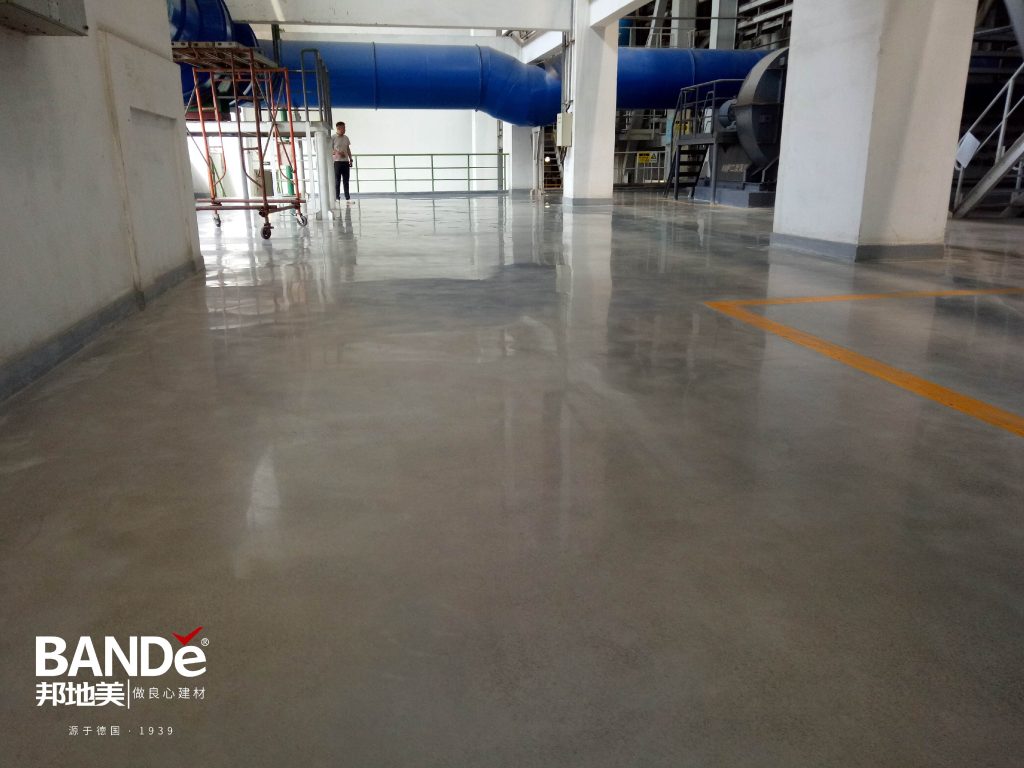
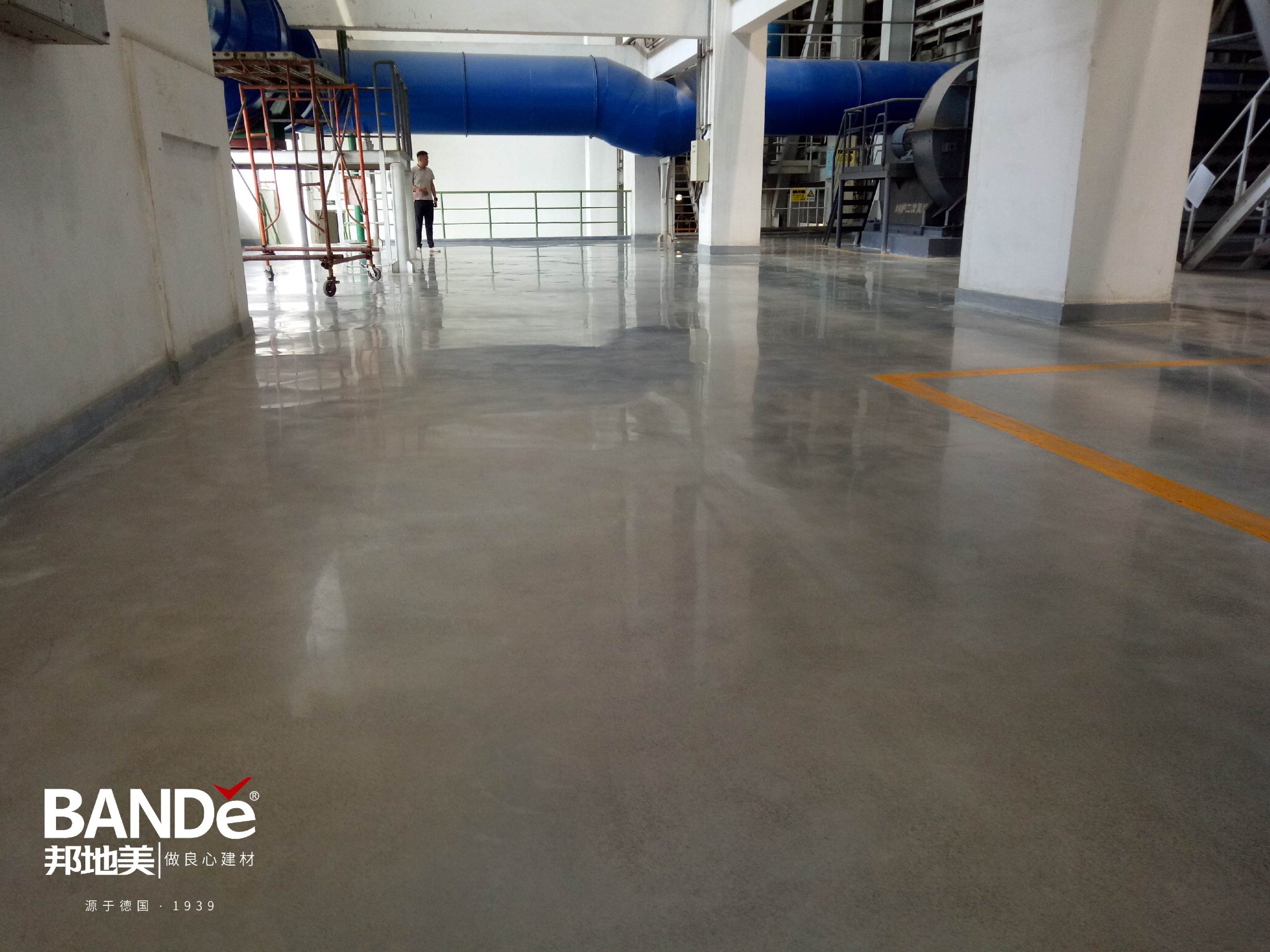
Liquid concrete curing agents play a crucial role in concrete work by addressing the question of what is a liquid concrete curing agent and how does it work. These agents are designed to retain moisture during the curing process, which is essential for achieving strong and durable concrete. By using liquid concrete curing agents, the risk of surface cracks and dust is significantly reduced. The retention of moisture ensures proper curing, resulting in a concrete slab that is stronger and capable of supporting greater weight. Additionally, the improved finish enhances the overall appearance of your project, making it more aesthetically pleasing.
Key Takeaways
Liquid concrete curing agents keep moisture. This moisture is important for strong and long-lasting concrete.
Using curing agents lowers the chance of cracks. It also makes concrete projects look better.
Pick the right curing agent based on the weather and project needs for the best results.
Curing agents are not the same as sealing agents. Curing keeps moisture while sealing protects from outside elements.
BANDě Curing Agent has great moisture resistance. It also has self-healing features, making it a smart choice for concrete projects.
What Is a Liquid Concrete Curing Agent and How Does It Work?
Define liquid concrete curing agents and their function in retaining moisture.
Liquid concrete curing agents are special substances. They help keep moisture in new concrete. These agents are very important for curing. They either hold onto the mixing water or add more water if needed. Keeping moisture is key for hydration. This helps the concrete get strong and last longer. By reducing moisture loss, curing agents stop problems like plastic shrinkage cracking. This keeps the concrete surface strong.
Tip: When picking a curing agent, check how well it holds water. This helps your concrete become strong and last a long time.
Explain the chemical properties and how they enhance concrete strength.
The chemical properties of liquid concrete curing agents help make concrete stronger. These substances create a protective layer on the concrete surface. This layer cuts down on water loss and helps keep hydration going. Common types of compounds in curing agents include wax-based, resin-based, acrylic-based, and chlorinated rubber. Each type has special features for different uses:
Type of Compound | Characteristics | Applications |
|---|---|---|
Wax-Based Compounds | Create a white film, cheap, good for general use | General use |
Resin-Based Compounds | Strong surface layer, good at keeping moisture, easy to clean | Strong applications |
Acrylic-Based Compounds | Clear or colored, allows for extra treatments or layers | Flexible applications |
Chlorinated Rubber and Polyethylene | Strong, UV-resistant, best for tough weather | Tough environmental conditions |
These compounds help the concrete keep 80–95% of its water. This leads to strength similar to water curing in controlled settings. By protecting against too much drying, curing agents improve concrete quality. They are key for getting the right strength and durability.
Note: BANDě Curing Agent is a water-soluble inorganic compound. It meets environmental standards and helps keep moisture while boosting concrete strength.
Why Use Curing Agents?
Benefits of Moisture Retention
Using liquid concrete curing agents has many benefits. They are especially good at keeping moisture. When you put these agents on, they create a protective layer on the concrete. This layer keeps moisture locked in. It helps the concrete stay hydrated. Proper hydration is very important for making strong and durable concrete.
Here are some main reasons why construction workers like liquid concrete curing agents more than old methods:
They keep moisture in the slab, helping concrete get stronger.
They slow down shrinkage until the concrete is strong enough to prevent cracks.
They make concrete stronger, more durable, and better at resisting wear.
Studies show that keeping moisture affects how concrete hydrates. The table below shows key points about how moisture impacts concrete:
Aspect | Description |
|---|---|
Moisture Movement | Studies look at how drying happens and how moisture moves in concrete. |
Relative Humidity | Good surface adhesion works best when humidity is below 70-80%. |
Mold Growth | Keeping humidity above 80% helps slow down mold growth. |
By keeping enough moisture during curing, you let the cement paste build its microstructure fully. This makes a stronger and more durable concrete slab.
Impact on Concrete Durability
Concrete durability is very important for how it performs over time. Liquid concrete curing agents greatly improve this durability. When you use these agents, you can expect many long-term benefits compared to untreated concrete. The table below shows these benefits:
Benefit | Treated Concrete | Untreated Concrete |
|---|---|---|
Compressive Strength | Higher | Lower |
Moisture Vapor Transmission | Higher | |
Water Absorption | 35% less | More absorption |
Permeability | Less permeable | More permeable |
Curling Movement | 2.7% average | Higher movement |
These benefits show that using liquid concrete curing agents not only boosts the initial strength of your concrete but also improves its long-term durability. By choosing a good curing agent like the BANDe Curing Agent, you can make sure your concrete stays strong and can handle wear and environmental challenges.
Tip: Always think about what your project needs when picking a curing agent. The right choice can really help your concrete perform better and last longer.
Curing vs. Sealing
Key Differences
Curing and sealing do different jobs for concrete. Knowing these helps you pick the right one.
Curing keeps water in the concrete. This makes sure the concrete gets strong and lasts long. Do curing right after you pour the concrete.
Sealing protects the concrete from outside stuff. Sealers stop water and chemicals from getting in. This keeps the concrete looking good and lasting longer.
Here’s an example. In a warehouse project, workers used ‘Concrete Finish Protectant‘ right after smoothing. They skipped curing. This made the floor sticky and easy to damage. It turned yellow under lights. This shows curing is about inside strength. Sealing is about outside looks and lasting.
When to Use Each Method
Knowing when to cure or seal helps your concrete projects. Here are some tips:
Scenario | Recommended Approach |
|---|---|
New Driveways and Sidewalks | Use a good sealer after 28 days. Start with curing using a special compound. |
Industrial Warehouse Floors | Put on a strong sealer for wear and chemicals. Cure first. |
Architectural/Stamped Concrete | Use an acrylic sealer. Make sure the curing stuff works for both. |
Basement Slabs (Under Carpet/Tile) | Focus on curing. Sealing might not be needed if there’s a vapor barrier. |
By knowing curing and sealing differences, you can make smart choices. Always think about what your project needs for the best results.
Compatibility with Colored Concrete
Effects on Color Retention
Using liquid concrete curing agents can really help keep the color of your colored concrete surfaces. Products like LITHOCHROME® Colorwax™ reduce moisture loss. This stops surface cracks and color problems from uneven drying. Keeping moisture steady is very important in bad weather. Changes in moisture can cause lasting differences in how your concrete looks.
By picking the right curing agent, you can make sure your colored concrete stays bright over time. This not only makes it look better but also adds value to your project.
Choosing the Right Agent
Choosing the right liquid concrete curing agent for colored concrete means thinking about some important things. The table below shows key factors to remember:
Criteria | Description |
|---|---|
Type of curing compound | White pigmented curing compounds work best for sunlight; fugitive dye compounds help with checking the look. |
Application rate | ACI 301 says a max of 5 m²/L with two coats; AASHTO suggests 3.5 m²/L with certain methods. |
Verification of curing | You must check proper curing steps; look at moisture levels and surface quality. |
Start of curing | Final curing should start after finishing and sheen goes away, with protection from evaporation if needed. |
By following these tips, you can choose a curing agent that protects your concrete and helps keep its color. This makes sure your project looks good and works well over time.
Tip: Always check if the curing agent works well with your colored concrete for the best results.
Types of Liquid Curing Agents
Water-Based vs. Solvent-Based
When you pick a liquid curing agent, you will find two main types: water-based and solvent-based. Each type has its own pros and cons. Knowing these differences can help you choose the best one for your project.
Here’s a comparison of key features:
Feature | Water-Based | Solvent-Based |
|---|---|---|
VOC levels | Usually <50 g/L | Almost zero |
Film thickness | 2-4 mils per coat | 8-12 mils per coat |
Cure time | 24-48 hours | 7-14 days for full cure |
Adhesion strength | Good for general uses | Better chemical resistance |
Environmental impact | Low VOC emissions | No VOCs, more energy used in making |
Water-based curing agents are better for the environment. They have lower VOC emissions, making them safer for you and nature. However, they might take longer to dry than solvent-based options. On the other hand, solvent-based curing compounds dry faster and create stronger bonds but have health risks due to VOC emissions.
Features of BANDě Curing Agent
The BANDě curing agent is special among liquid concrete curing agents. It has unique features that improve its performance. Here’s how it compares to other brands:
Metric | BANDě Concrete Hardener | Other Brands |
|---|---|---|
Moisture Resistance | High | Varies |
Self-Healing Properties | Yes | No |
Adaptability | Excellent | Limited |
Cost-Effectiveness | Competitive | Higher |
Abrasion Resistance | Strong | Moderate |
Impact Resistance | High | Varies |
Compressive Strength | Superior | Standard |
Chemical Resistance | Excellent | Varies |
Dust Proofing | Yes | No |
Slip Resistance | High | Moderate |
BANDě curing agent keeps moisture well and has self-healing properties. This means it can adjust to different conditions while being strong against wear and impact. Its good pricing makes it a smart choice for your concrete projects.
Tip: When choosing a curing agent, think about how BANDě can fit your needs for strength and performance.
Using liquid concrete curing agents has many benefits that help concrete work better. These agents keep moisture in, which is very important for making concrete strong and lasting. They also help stop cracks and make your concrete projects look better.
When picking a curing agent, think about these things:
Environmental Conditions: Look at the temperature and humidity.
Project-Specific Requirements: Make sure it fits your project’s needs.
Compatibility with Project Type: Check if it works with your construction type.
Performance Metrics: Find out about strength and durability.
Cost-Effectiveness: Compare initial costs with long-term benefits.
Eco-Friendly Options: Pick options with lower VOCs for the environment.
Compliance with Standards: Follow ASTM C309 and ASTM C1315 for rules.
By thinking about these factors, you can choose the best curing agent for your project, helping it succeed.
Tip: Always focus on your project’s needs when choosing a curing agent to get the best performance and lasting results.
FAQ
What is the main purpose of liquid concrete curing agents?
Liquid concrete curing agents keep moisture in concrete. This helps the concrete get strong and last long. Using these agents stops cracks and makes your concrete look better.
How do liquid curing agents differ from sealing agents?
Curing agents keep moisture inside the concrete to make it strong. Sealing agents protect the concrete from things like water and chemicals. Use curing agents right after pouring concrete. Apply sealing agents later.
Can liquid curing agents be used with colored concrete?
Yes, liquid curing agents are good for colored concrete. They help keep the color by stopping uneven drying and cracks. Picking the right agent keeps your colored concrete bright and nice over time.
What are the benefits of using BANDě Curing Agent?
BANDě Curing Agent keeps moisture well and can heal itself. It works in different conditions and is strong against wear and hits. Its good price makes it a smart choice for strong concrete.
Are water-based curing agents environmentally friendly?
Water-based curing agents are better for the environment than solvent-based ones. They have less VOC emissions, which is safer for you and nature. But, they might take longer to dry than solvent-based options.
See Also
Essential Insights Into Concrete Bonding Agents You Should Know
BANDě’s Comprehensive 2025 Guide for Selecting Concrete Bonding Agents
Understanding The Functionality Of Concrete Surface Hardeners
Defining Concrete Hardeners: Their Purpose And Mechanism Explained
Concrete Floor Hardeners: Their Role And Operational Principles Explained
