

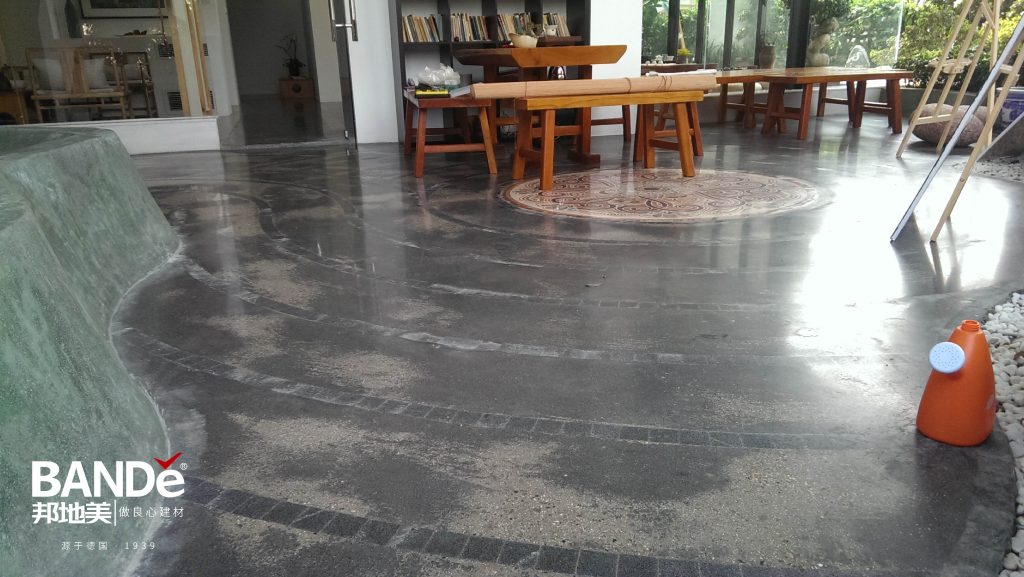
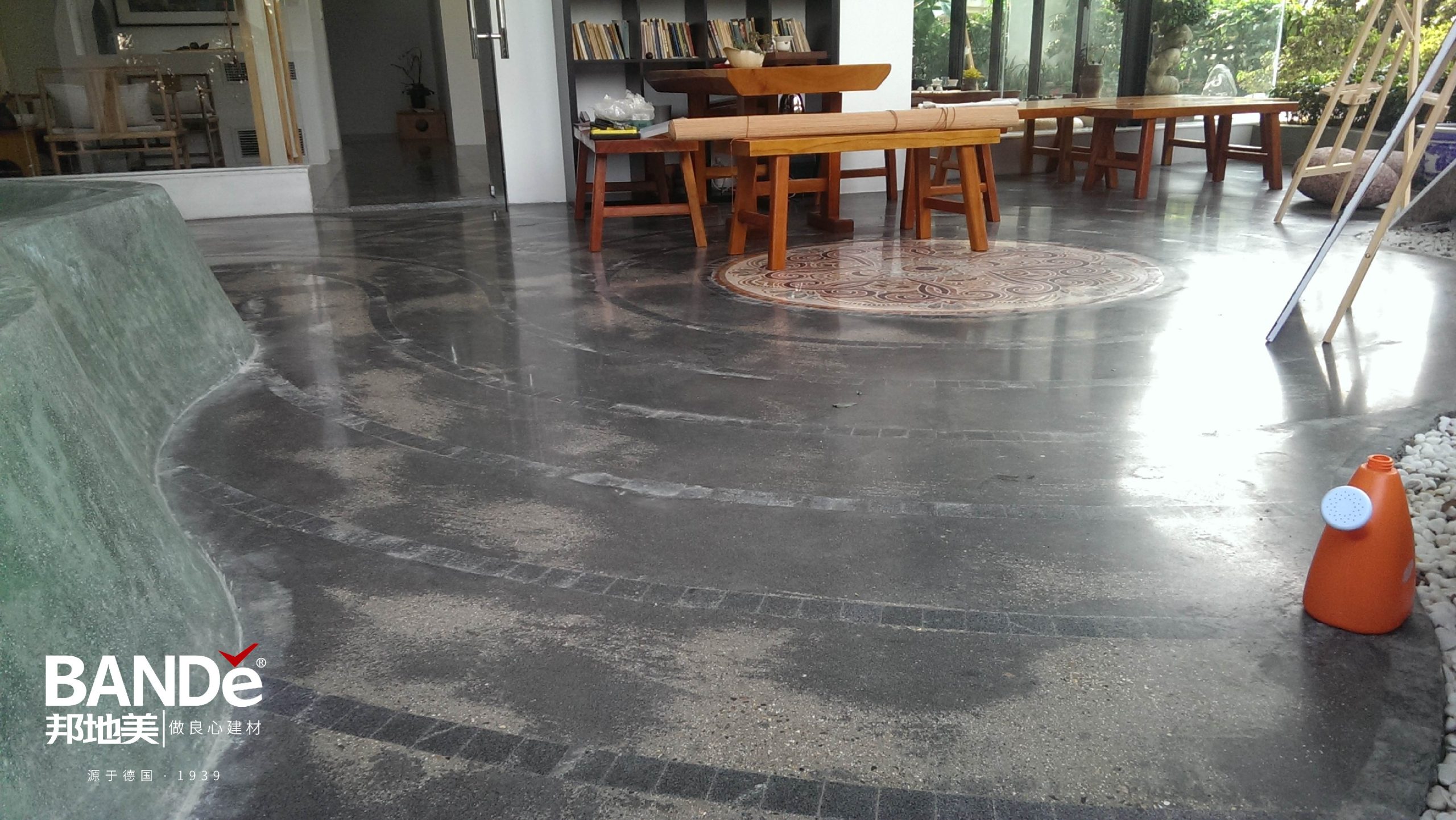
Concrete surface hardeners are very important. They make your concrete surfaces last longer. They help make the concrete harder and resist wear. This means your floors will last more time. To get the best results, you need to use the right application techniques. Here are some main benefits of using hardeners:
Longer life for concrete surfaces
Less need for maintenance
Better looks
Using the right methods can really improve your results. This way, your investment in concrete will last for many years.
Key Takeaways
Concrete surface hardeners make your floors last longer. They also lower maintenance needs and improve looks.
Pick the right hardener for your concrete type. Consider how much traffic it gets and if it will be near chemicals for the best results.
Preparing the surface well is very important. Clean, fix, and apply hardeners as the manufacturer says for the best stick.
Weather conditions like temperature and humidity can change how well the hardener works. Try to apply it when it’s between 60°F and 90°F.
Safety is very important. Always wear protective gear and follow safety rules to avoid health risks while applying.
Concrete Surface Hardener Overview
Definition and Purpose
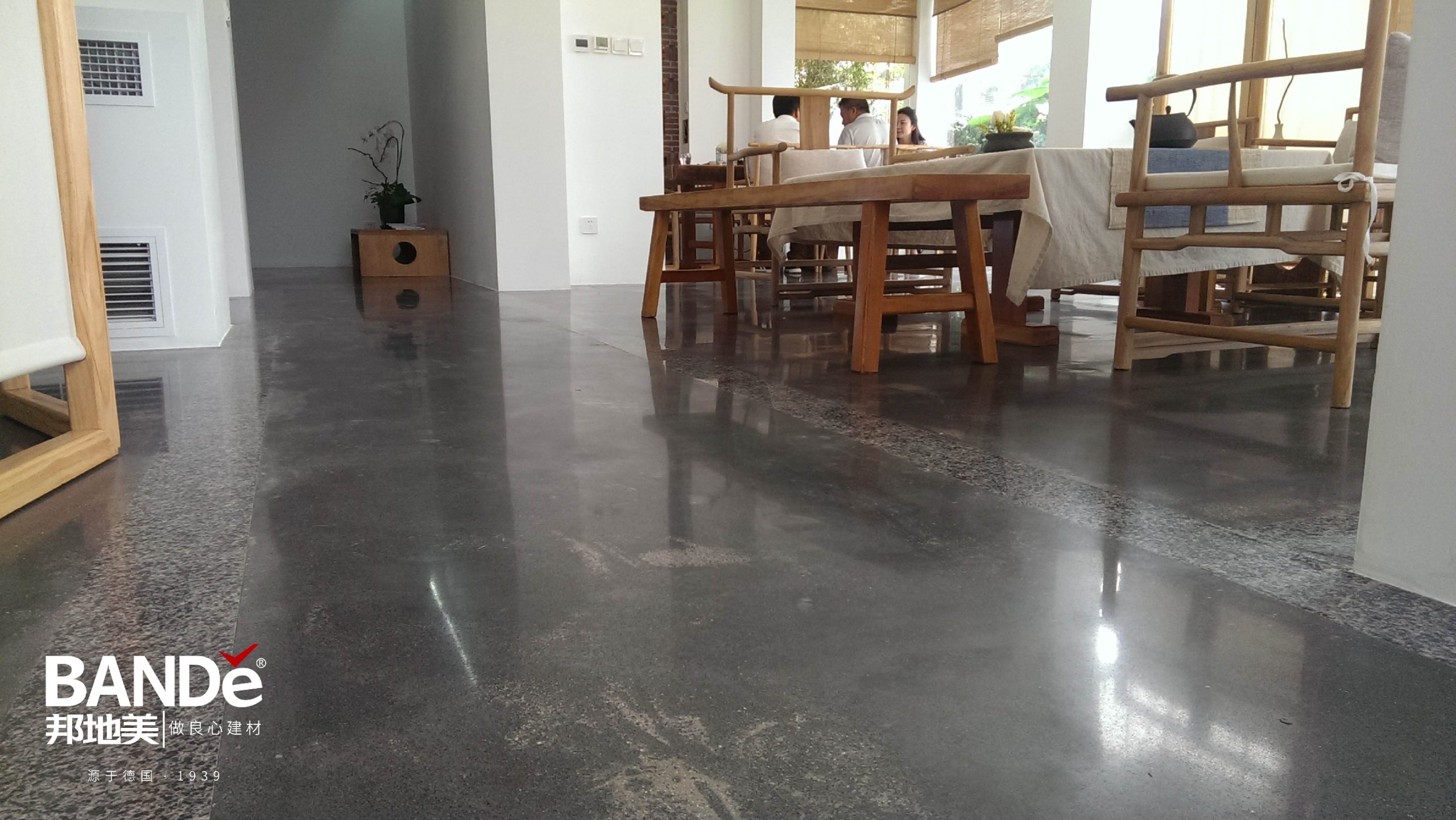
A concrete surface hardener is a treatment for concrete. It makes the concrete stronger and lasts longer. You can think of it as a shield that helps the concrete resist wear, chemicals, and weather. When you put on a concrete surface hardener, it reacts with the surface. This creates a thicker layer. This layer helps your concrete handle heavy use and tough conditions.
According to industry standards, concrete hardeners have several important jobs:
They make concrete surfaces last longer.
They help resist scratches and chemicals.
They improve how the concrete looks.
These hardeners are important for many uses, like industrial floors, commercial buildings, and homes. They help keep the concrete strong over time.
Types of Hardener Products
You can find many types of concrete surface hardeners in stores. Each type has its own mix and benefits. Here are the main kinds:
Sodium Silicates: These are very popular. They are known for their strong binding and dissolve in water. They work well for many uses, like stabilizing concrete.
Dry-Shake Hardeners: These go on top of fresh concrete. They give a strong finish and are often used in factories.
Liquid Hardeners: These are simple to use and soak into the concrete. They react with free lime in the concrete, making it denser and harder.
Epoxy Systems: These are known for being tough against chemicals and scratches. They are good for heavy use but need careful surface prep.
Color Hardeners: These not only make the surface stronger but also look nice. They allow for creative designs, like marbling, but need skilled application.
Each type of hardener has its pros and cons. For example, epoxy coatings are very durable but can be hard to apply. On the other hand, color hardeners look great but may need more skill to install correctly.
Choosing the Right Concrete Surface Hardener
Picking the right concrete surface hardener is very important. It helps you get the best results. You need to think about some key things to find the best product for your job.
Key Selection Factors
When you pick a concrete surface hardener, remember these points:
Factor | Description |
|---|---|
Type of concrete | Some hardeners work better with certain concrete mixes. |
Traffic volume | Areas with a lot of foot or vehicle traffic need stronger hardeners. |
Chemical exposure | If the floor will meet chemicals, choose a hardener that resists them. |
Aesthetics | Some hardeners make the concrete look better. |
You should also think about the traffic and weight on your concrete surface. For light to moderate traffic, regular liquid hardeners may work well. But for heavy traffic areas, dry shake hardeners are better. They give a stronger finish for warehouses and factories. In very heavy load situations, metallic aggregate hardeners provide the most strength.
Matching Hardener to Project Needs
Your project needs will affect your hardener choice. For example, high-traffic areas need surfaces that resist scratches and wear. If your concrete will be in humid or sunny places, you need coatings that can handle these conditions.
Think about the type of finish too. Options like polished concrete and epoxy coatings have different performance levels. Epoxy coatings are very strong and resist chemicals, making them great for industrial use. Polished concrete stays cool, which can help lower air conditioning costs in hot weather.
Always check for certifications and standards when choosing a product. Look for compliance with ASTM C309 and ASTM C1315 to ensure quality. User reviews can also help you decide. They often show differences between what is advertised and what really happens, showing the value of real experiences.
Application Techniques for Concrete Surface Hardener
Surface Preparation Steps
Getting the surface ready is very important for good results when you apply concrete surface hardener. Follow these steps to prepare your concrete surfaces:
Clean the Surface: Start by getting rid of dirt, debris, and old coatings. You can use a pressure washer or scrubber to clean it well.
Repair Damage: Check the concrete for cracks or chips. Fix any damage with the right product and let it cure completely.
Apply the Hardener: Mix the hardener as the manufacturer says. Spread it evenly over the surface.
Drying Time: Let the first layer dry for at least 24 hours before adding more layers.
Finishing: After the last layer, let the floor dry fully. You might want to add a sealer for extra protection.
If you skip these steps, it can cause problems like poor adhesion. For example, dirt and grease can make the hardener peel or bubble. Not making the surface rough can stop the hardener from sticking well. Always make sure the surface is clean and free of anything that could block the hardener from soaking in.
Application Methods and Tools
When applying the floor hardener, you have different methods and tools to choose from. Here are some good options:
Low-Pressure Sprayers: These sprayers help spread the hardener evenly. They work well for surface application and ensure good coverage.
Microfiber Applicators: These are good for smaller areas. They may need more effort for deep penetration but allow for careful application.
Method | Coverage | Penetration |
|---|---|---|
Low-pressure sprayer | Best for uniform distribution | Effective for surface application |
Microfiber applicator | Suitable for smaller areas | May require more effort for deep penetration |
To make sure you apply it evenly, follow these best practices:
Ensure the concrete surface is screeded first to avoid uneven spots.
Apply the dry shake hardener when the surface is damp but not flooded.
Spread the hardener evenly, ideally in one go, and don’t spread more than 10-12 feet at a time.
For liquid hardeners, clean the surface well and check moisture levels before applying.
Keep the temperature and humidity steady during application for the best results.
Keep the surface moist for 20-30 minutes after spraying the liquid hardener to help it soak in properly.
By following these techniques, you can make the most of your concrete surface hardener application. Good preparation and application will give you a strong and long-lasting finish.
Considerations During Application
Environmental Factors
When you apply concrete surface hardeners, the environment matters a lot. Temperature and humidity can change how well the hardener works. Here’s a quick look at how these factors affect your project:
Environmental Factor | Effect on Concrete Hardener |
|---|---|
High Temperature | Needs more water, speeds up slump loss, and shortens setting time. |
Low Humidity | Increases evaporation, causing cracks while it’s still wet. |
High Wind Velocity | Raises evaporation, increasing the chance of cracks. |
You should try to have the best conditions. The best temperature for applying is between 60°F and 90°F. This helps with curing and keeps moisture problems low. If it gets below 50°F, curing slows down, which can hurt adhesion. On the other hand, if it goes above 90°F, curing speeds up too much, which can cause bubbles or an uneven finish.
Safety and Best Practices
Safety is very important when applying concrete surface hardeners. Following the instructions from the manufacturer is key for the best results. Here are some important points to remember:
Make sure the concrete surface is clean, dry, and free of debris so the hardener can soak in well.
Use spraying, brushing, or rolling methods to apply the hardener so it can get into the concrete.
The hardener reacts with calcium hydroxide to create compounds that make the surface denser and less porous.
The hardener goes deeper, improving surface strength, with curing times changing based on the product and conditions.
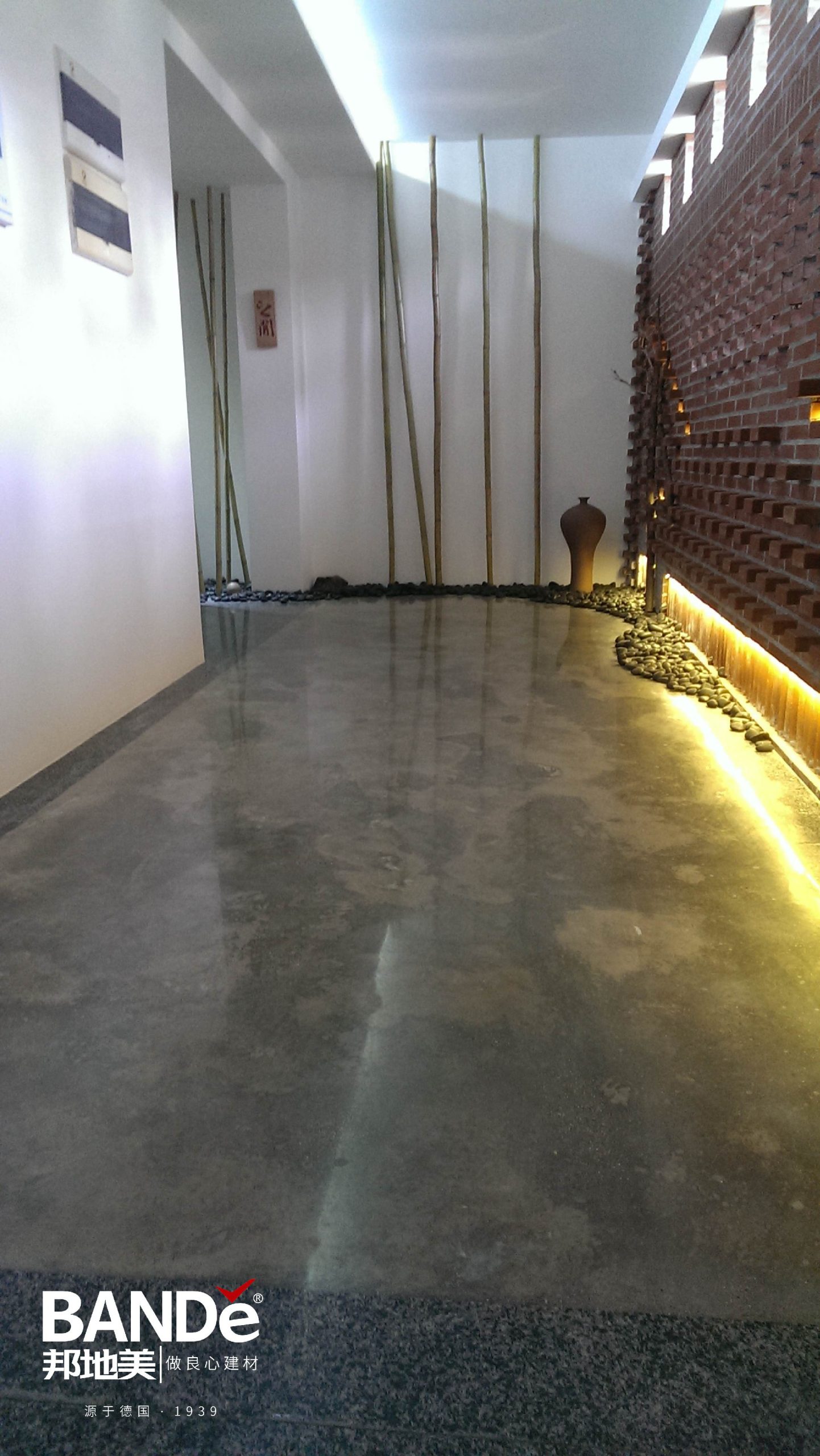
After curing, you can polish or seal the surface for better looks and protection.
Also, be aware of common safety risks when applying concrete surface hardeners. These include breathing issues and skin irritation. Always wear the right personal protective equipment (PPE) during application to keep yourself safe.
For better durability, think about adding a second layer of hardener. This extra layer can give long-lasting protection and boost the overall performance of your concrete surface.
Using concrete surface hardeners has many good points. They make surfaces stronger, need less care, and look better. For instance, treated surfaces can show up to 397% improvement in how well they resist wear after just 28 days. Using the right application methods is very important for getting these results.
Environment Type | Recommended Hardener Type | Application Method Description |
|---|---|---|
Light-duty applications | Water-based acrylic or sodium silicate | Good for patios and walkways. |
Heavy-duty industrial floors | Lithium or potassium silicate | Gives better surface hardness for warehouses. |
High moisture areas | Hydrophobic or penetrating sealant-hardeners | Stops water from getting in, good for basements. |
By doing the right steps, you make sure your investment lasts longer and works better.
FAQ
When is the best time to use concrete surface hardener?
You should use concrete surface hardener when it is between 60°F and 90°F. This helps it cure well and reduces moisture problems.
How long does it take for the hardener to dry?
Drying time can change based on the product. Usually, wait at least 24 hours before adding a second layer. Full curing can take a few days.
Can I use hardener on old concrete?
Yes, you can use hardener on old concrete. Make sure the surface is clean and has no debris. Fix any damage before applying for the best results.
How often should I put on concrete surface hardener again?
How often you reapply depends on how much it is used. For busy areas, think about reapplying every 1-3 years. Regular care helps keep the surface strong and looking good.
Are there any safety tips I should follow?
Yes, always wear personal protective equipment (PPE) like gloves and masks. Follow the manufacturer’s instructions for safe use and application.
See Also
Understanding The Functionality Of Concrete Surface Hardeners
BANDě Concrete Surface Hardener: Benefits And Key Insights
Choosing The Ideal Concrete Floor Hardener For 2025
