

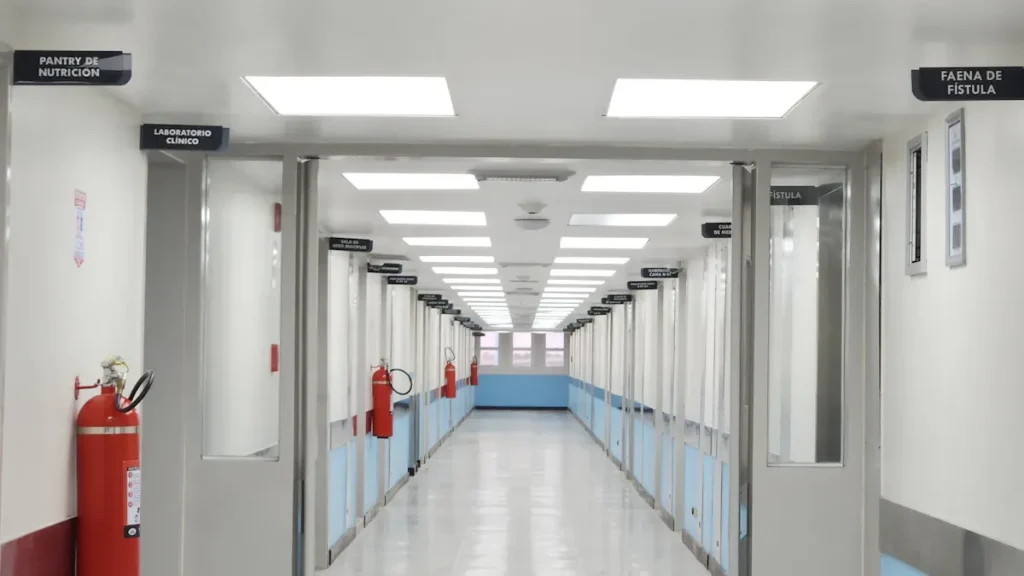
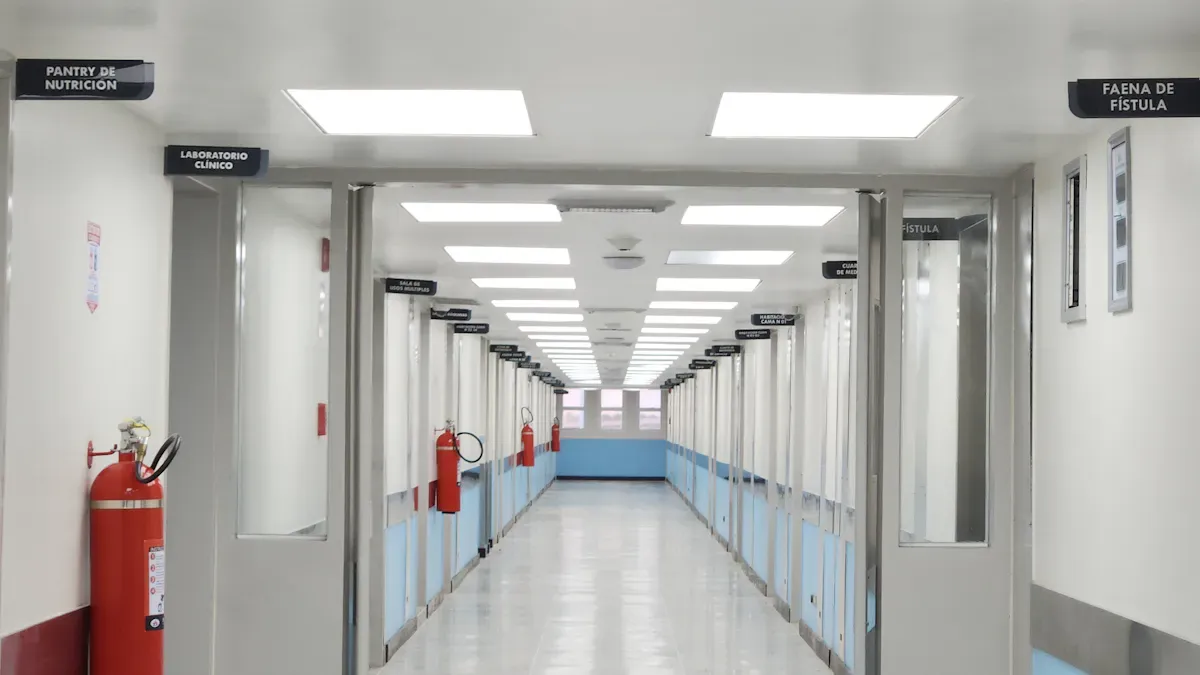
Choosing the optimal anti slip ceramic tile treatment for hospital and clinic floors in Vietnam and Thailand is crucial for ensuring safety. Hospitals and clinics face a significant risk of slips and falls, with a fall rate ranging from 3.3 to 11.5 per 1,000 days of hospitalization. When selecting a treatment, consider its durability and appearance. Effective treatments not only prevent slips and falls but also enhance the aesthetic appeal of your hospital or clinic. Investing in specialized solutions creates a safer environment for both patients and staff.
Key Takeaways
Look at how many people walk in hospital areas. This helps decide how much slip resistance is needed for safety.
Pick the right flooring material. Different surfaces like epoxy or rubber have special slip resistance features.
Regular maintenance is very important. Test slip resistance often and clean with the right products to keep safety lasting.
Put on anti-slip treatments again every 12 to 18 months. This keeps slip resistance high, especially in busy areas.
Talk to flooring experts. They can help you choose the best anti-slip solutions that make things safe and still look good.
Assessing Floor Needs
Traffic and Usage
To assess hospital floors, first look at foot traffic and usage. Hospitals have a lot of people walking around, especially in places like emergency rooms and surgery areas. Knowing how many people use these spots each day helps you figure out how much slip resistance is needed. Busy areas need stronger anti-slip treatments to stop accidents.
In 2013, the National Institute for Health and Care Excellence (NICE) said hospitals should think about many things to keep patients safe from slips and trips. These things include the patient’s age, health, and how unfamiliar places, flooring, lighting, furniture, and fittings can affect them.
Surface Material
The type of flooring you pick greatly affects how well anti-slip treatments work. Common hospital materials are:
Epoxy quartz flooring
Urethane cement flooring
Polished concrete
Rubber flooring
Luxury vinyl tile (LVT)
Sheet vinyl
Each material has special features that change slip resistance. For example, epoxy quartz flooring gives good grip even when wet, making it great for busy areas. Urethane cement flooring has a slip-resistant surface that is easy to clean, which is important for hygiene. Polished concrete can be treated to improve slip resistance without losing its look.
Older buildings often have floors that are damaged, bent, or uneven, with surfaces that are not smooth or have unexpected slopes. If you can’t fix these uneven areas, make them clear with signs or by painting levels in a different color to show the difference.
Environmental Factors
Environmental conditions are also important for how well anti-slip treatments work. Things like humidity and temperature can change how flooring materials perform. For example:
High heat and humidity can change how epoxy floors cure.
Good installation is key to making epoxy floors resist heat and humidity.
The nonporous nature of epoxy makes it good for humid places, helping to stop mold and mildew.
By thinking about these environmental factors, you can make sure the anti-slip treatments you choose will work well over time.
Anti-Slip Treatment Options
When picking the best non-slip product for hospital floors, you have many choices. Each treatment has its own benefits and uses. They help keep people safe and make floors last longer while looking good.
Coatings and Sealers
Coatings and sealers are strong options for hospital floors. They improve slip resistance and protect against spills. Epoxy and resin coatings are popular because they last long and resist chemicals. You can change these coatings by adjusting the size and amount of materials used. This creates a surface with good grip that fits your needs. For example, epoxy quartz flooring is strong and slip-resistant, making it great for busy places like emergency rooms. Urethane cement flooring is also tough and has a slip-resistant finish, which is good for areas that need regular cleaning.
Etching and Texturing
Etching and texturing treatments change the floor’s surface to make it less slippery. This method makes the floor rougher, which helps with grip without changing how it looks much. Textured ceramic tiles are a good example. They have a rough surface for better grip and are still easy to clean. These treatments work well in wet areas, helping to keep things safe even when the floor is wet.
Tapes and Mats
Anti-slip tapes and mats are flexible and affordable ways to make floors safer. Special anti-slip products, like antimicrobial treads and grip tapes, are made for clean places like hospitals. These products help keep areas safe and clean. Studies show that up to 30% of patients fall during their hospital stay. This shows how important it is to have good anti-slip measures. Using PVC anti-slip stair step strips can make busy areas safer, lowering the chance of falls and injuries.
Adding these smart non-slip coatings and treatments to your hospital’s flooring plan can greatly boost safety and lower accident risks. By choosing the right treatment, you create a safer space for both patients and staff while also thinking about how long your floors will last and how easy they are to maintain.
Maintenance and Cleaning
Routine Protocols
Regular care is key for keeping anti-slip floors in good condition. Follow certain steps to make sure they work well for a long time. Here are some suggested actions:
Test often: Check Pendulum Test Values (PTV) to keep things safe.
Clean wisely: Use cleaning products that keep grip, not just any mop.
Review and refresh: Plan deep cleans and re-treatments to stop performance drops.
Involve your team: Teach staff why maintenance is important for steady results.
Track progress: Record test data, cleaning logs, and incidents to improve safety.
Routine cleaning keeps hospital floors slip-resistant. Ignoring care can lower slip resistance, raising accident risks. Modern floors, like quick-curing epoxy, install fast with little disruption. They have smooth surfaces that are easy to clean and need few chemicals, helping them last long.
Long-Term Durability
To keep floors durable, reapply anti-slip treatments every 12 to 18 months, especially in busy areas. If the Coefficient of Friction (COF) falls below 0.5, reapply. This careful approach keeps slip resistance high, lowering fall risks.
Cleaning Compatibility
Picking the right cleaners is important for anti-slip floors. Some good products are:
TRACTION™ Floor Cleaner: Works on many surfaces, like vinyl and sealed wood.
It leaves a thin layer that boosts the coefficient of friction, improving slip resistance.
Using wrong cleaners can harm the anti-slip treatment, causing trip hazards. Always ask your flooring contractor for advice on good cleaning products.
By following these care and cleaning tips, hospital floors can stay safe and effective for many years.
Anti-Slip Ceramic Tile Treatment for Hospital and Clinic Floors
Application in Vietnam and Thailand
In Vietnam and Thailand, hospitals and clinics have special problems with floor safety. Anti-slip ceramic tile treatments are very important for solving these problems. There are many effective treatments that make floors safer without changing how they look. Here are some popular options:
Treatment Name | Description | Best Use |
|---|---|---|
Stone Grip | This treatment works fast. It etches tiles to make them less slippery without changing their look. | Great for indoor and outdoor tiles. |
Deck Grip | This clear coating makes floors less slippery while feeling good underfoot. | Best for patios, balconies, and pool areas. |
Polish Grip | This is made for shiny surfaces. It helps with grip while keeping the shine. | Best for marble, granite, and polished porcelain. |
These treatments help keep hospital floors safe, even in busy areas. You can use them on different surfaces, making them good choices for various hospital settings.
Benefits for Hospitals
Using anti-slip ceramic tile treatments has many benefits for hospitals. First, they greatly lower the chance of slips and falls, which is very important in healthcare. By improving traction, these treatments make a safer place for both patients and staff.
Also, these treatments are strong and last a long time. They can handle heavy foot traffic and stay effective over time. This means you won’t have to reapply treatments often, saving you time and money.
Plus, anti-slip treatments can make your floors look better. They keep the nice look of ceramic tiles while adding safety features. This mix of safety and looks is important for making a friendly space for patients and visitors.
Picking the best anti-slip treatment for hospital floors is very important. It helps keep people safe and the place clean. You should focus on slip resistance in busy spots. Think about the floor type and weather when choosing.
Talking to floor experts can help you find the right solutions. They can help you pick treatments that make things safer and help stop infections.
Buying good anti-slip treatments keeps patients and staff safe. It also makes sure floors last long and are easy to clean. By choosing wisely, you make hospitals safer and nicer places.
FAQ
What factors should you consider when choosing an anti-slip treatment?
You need to think about the type of flooring, foot traffic, and environmental conditions. These things affect how well the treatment works and how long it lasts. BANDe’s products provide strong solutions for different surfaces and situations.
How often should you reapply anti-slip treatments?
You should reapply treatments every 12 to 18 months, especially in busy areas. This keeps slip resistance and safety at their best. Regular care helps the treatment last longer.
Are anti-slip treatments compatible with hospital cleaning agents?
Yes, most treatments work well with regular cleaning agents. But, always check with your flooring contractor for specific advice. BANDe’s products are made to handle regular cleaning without losing their effectiveness.
Do anti-slip treatments affect the appearance of floors?
Most treatments, like those from BANDe, do not change how the floor looks much. They improve safety while keeping your hospital looking nice.
Can anti-slip treatments be used on all types of flooring?
Anti-slip treatments can be used on many surfaces, like ceramic tiles, vinyl, and concrete. Always pick a treatment that fits your specific flooring type for the best results.
See Also
Selecting The Ideal Anti-Slip Tile Treatment For 2025
Simple Guide To Anti-Slip Tile Treatments For Safer Floors
2025 Comparison Of Chemical Non-Slip Treatments And Coatings
