

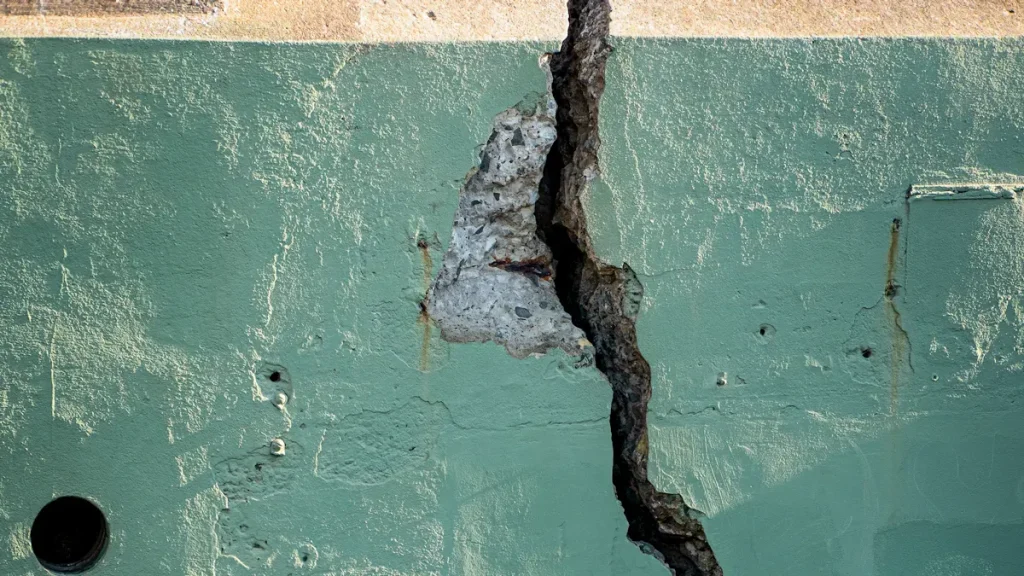
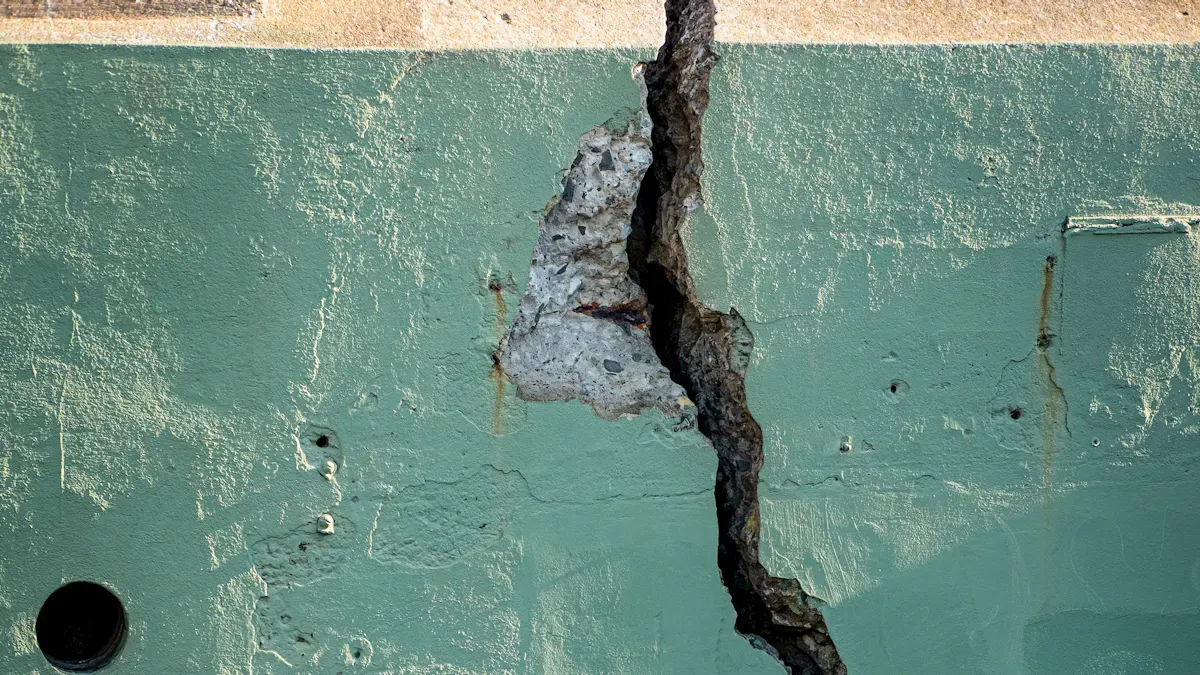
Concrete roof cracks can lead to serious issues if you don’t address them promptly. Water leaks can damage your home’s interior and create an unhealthy environment. Ignoring these cracks might seem easy at first, but the long-term consequences can be costly. By learning how to repair concrete roof cracks to stop water leaking in rainy season, you can protect your home and maintain its value. Taking action now will save you a lot of headaches down the road!
Key Takeaways
Check your concrete roof often. This helps find cracks and leaks early. Look for things like stains or mold.
Use good products like BANDě Cement Crack Sealer. This helps fill cracks and makes a waterproof barrier.
Clean the area well before putting on sealant. This helps it stick better and makes the repair work well.
Fix problems quickly. This stops small issues from turning into big, expensive ones. Acting fast saves you money.
Think about getting professional help for big damage or leaks that won’t stop. Experts can give you the right fixes.
Identifying Cracks
Types of Cracks
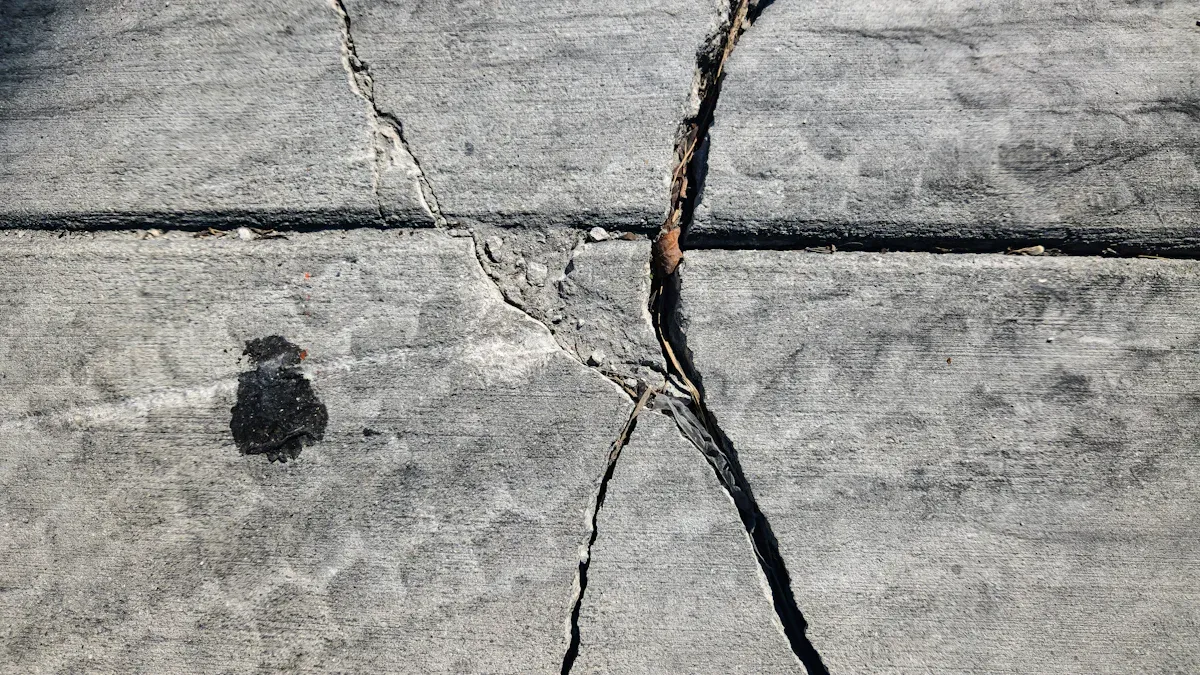
Your concrete roof has different types of cracks. Knowing these types helps you find the best way to fix them. Here are the main types you might see:
Hairline Cracks: These are small cracks that often show up when the concrete dries. They may look harmless, but they can cause bigger problems if ignored.
Structural Cracks: These cracks are wider and show a more serious issue. They can happen from settling, heavy weight, or bad building methods. If you see these, it’s important to fix them fast.
Shrinkage Cracks: Concrete shrinks as it dries. This can cause cracks, especially in big areas. These cracks usually don’t harm your roof but should be fixed to stop water from getting in.
Expansion Cracks: Changes in temperature can make concrete expand and shrink. This movement can create cracks, especially if the concrete isn’t made to handle these changes.
Finding out what type of crack you have is the first step to fixing it well.
Signs of Water Damage
Now that you know about the types of cracks, let’s look at how to find signs of water damage. Water leaks can cause big problems in your home, so being careful is important. Here are some signs to look for:
Stains on Ceilings or Walls: Watch for brown or yellow stains on your ceilings or walls. These often mean that water is coming through your roof.
Mold or Mildew: If you smell something musty or see mold in your home, it could mean water damage. Mold grows in wet places, so fixing leaks quickly is very important.
Peeling Paint or Wallpaper: If your paint or wallpaper starts to peel, it might be because moisture is stuck behind it. This can happen when water leaks through cracks in your roof.
Damp Spots: Look for any damp spots on your roof or in your attic. These can show that water is getting through cracks and causing damage.
By watching for these signs, you can find water damage early. This lets you fix your cracked roof before it causes bigger problems.
Preparing for Repair
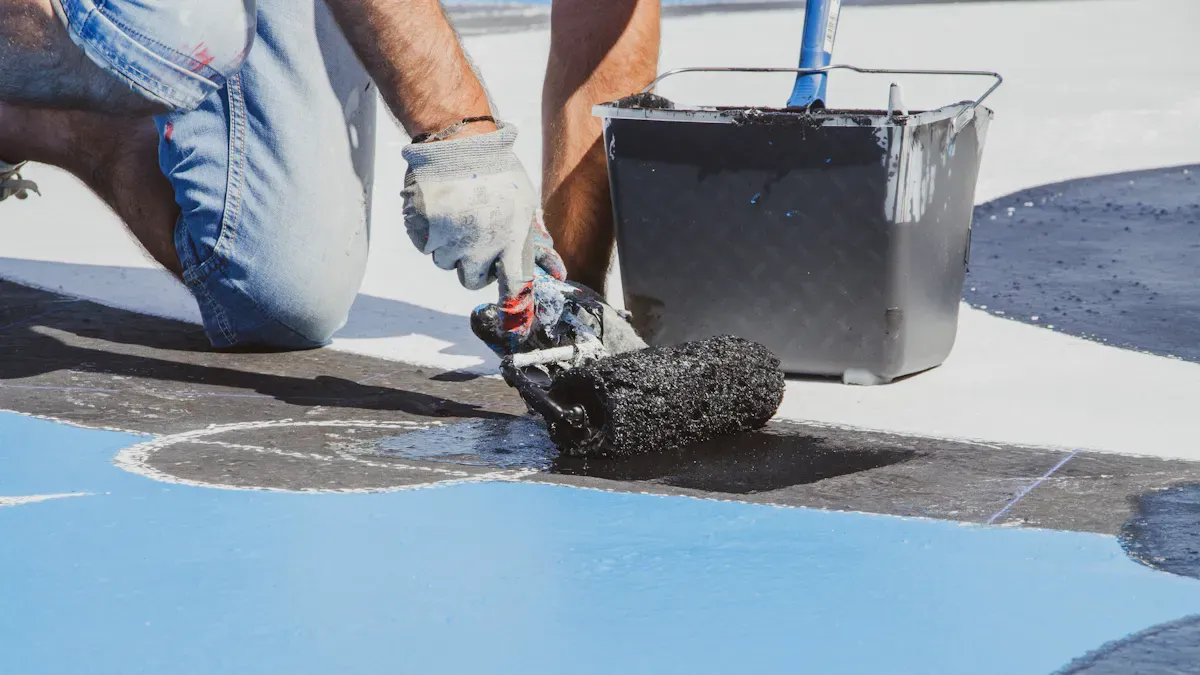
Before you start fixing those concrete roof cracks, you need to gather the right tools and materials. Having everything ready will make it easier and faster. Here’s what you will need:
Tools and Materials
BANDě Cement Crack Sealer: This product fills cracks and makes a waterproof layer. It’s easy to use and helps stop water leaks.
Putty Knife: Use this to spread the sealer smoothly into the cracks.
Wire Brush: Clean out any dirt or loose concrete from the cracks before using the sealer.
Caulking Gun: If your sealant comes in a tube, a caulking gun helps you apply it evenly.
Safety Goggles and Gloves: Protect your eyes and hands while working with concrete and sealants.
Tip: Make sure to widen the crack to about 3–5mm before putting on the sealer. This helps the product stick better and makes the repair work well.
Safety Precautions
Safety should always come first when doing repairs. Here are some safety tips to remember:
Wear Protective Gear: Always use safety goggles and gloves to keep yourself safe from dust and chemicals.
Work in a Well-Ventilated Area: If you’re using sealants, make sure there is good airflow to avoid breathing in fumes.
Avoid Wet Conditions: Don’t try to fix things on rainy days. Moisture can make the sealer less effective.
Follow Product Instructions: Always read and follow the instructions on the BANDě Cement Crack Sealer packaging for the best results.
By getting ready and being safe, you’ll be set for a successful repair job. Now, let’s fix those cracks!
How to Repair Concrete Roof Cracks to Stop Water Leaking
Cleaning the Area
Before you start repairing your cracked roof, you need to clean the area thoroughly. This step is crucial because dirt and debris can prevent the sealer from sticking properly. Here’s how to do it:
Inspect the Cracks: Look closely at the cracks to determine their size and depth. This will help you decide how much cleaning is necessary.
Remove Loose Material: Use a wire brush to scrub away any loose concrete or debris from the cracks. Make sure to get into the corners and edges.
Wash the Area: After brushing, wash the area with water to remove any remaining dust. Allow it to dry completely before moving on to the next step.
Tip: If you notice any mold or mildew, treat it with a mixture of water and vinegar before cleaning. This will help prevent future growth.
Applying Repair Materials
Now that the area is clean, it’s time to apply the repair materials. You can use the BANDě Cement Crack Sealer for this task. Here’s a step-by-step guide on how to do it:
Prepare the Sealer: Open the BANDě Cement Crack Sealer and stir it well. This ensures that the ingredients mix properly for effective waterproofing.
Apply the Sealer: Using a putty knife, apply the sealer into the cracks. Make sure to fill them completely. For larger cracks, you might need to apply multiple layers.
Smooth the Surface: After applying the sealer, smooth the surface with the putty knife. This helps create a waterproof roof that looks neat and professional.
Allow to Cure: Let the sealer cure according to the instructions on the packaging. This usually takes a few hours, but it’s best to wait longer if possible, especially in humid conditions.
Note: Weather factors can influence the repair process. Sudden temperature changes can cause small cracks to form, and rainwater can seep into these cracks, reducing the waterproofing ability. Always check the weather before starting your repairs.
Inspect Your Work: Once the sealer has cured, inspect the area again. Look for any missed spots or areas that need additional sealing. If necessary, apply another layer of the BANDě Cement Crack Sealer.
By following these steps, you can effectively repair concrete roof cracks to stop water leaking in rainy season. Keeping your roof in good shape not only protects your home but also saves you money in the long run.
Preventive Measures
Maintenance Tips
Keeping your concrete roof in good shape is very important. This helps stop leaks and damage. Here are some easy maintenance tips to keep your roof waterproof:
Inspect Regularly: Check your roof at least once a year. If you live where the weather is bad, check it more often. Look for cracks, stains, or signs of wear.
Clean Gutters and Drains: Clogged gutters can cause water to pool on your roof. Clean them often to help water drain properly.
Repair Cracks Promptly: If you see any cracks, fix them quickly. Use the BANDě Cement Crack Sealer to fill gaps and keep the waterproof layer.
Check for Mold: Look for mold or mildew. If you find any, treat it right away to stop more damage.
Reapply Waterproofing Solutions: Over time, the waterproof layer can wear out. Reapply waterproofing solutions when needed to protect your roof.
Regular maintenance and checks are key to keeping the waterproof layer working well. Finding and fixing problems early can stop them from getting worse and causing leaks. Timely waterproofing keeps your home safe from bad weather.
Professional Help
Sometimes, you may need to call in the experts. Here are some signs that show it’s time to get professional help:
Extensive Damage: If you see large cracks or serious water damage, it’s best to talk to a professional. They can check the situation and suggest the right repairs.
Persistent Leaks: If leaks keep happening even after your repairs, a professional can find hidden issues you might have missed.
Safety Concerns: If your roof is hard to reach or unsafe, don’t hesitate to hire a professional. They have the tools and skills to do repairs safely.
By taking these preventive steps, you can make your concrete roof last longer and avoid expensive repairs later.
In summary, keeping your concrete roof in good shape is essential to prevent water leaks. Here are some key takeaways for you:
Regular Inspections: Check your roof often, especially after heavy rain. Look for cracks or signs of leaks.
Choosing Waterproofing Solutions: Use high-quality products like BANDě Cement Crack Sealer to create a strong waterproofing layer.
Repair vs. Replace: Know when to repair small cracks and when to consider a replacement based on the damage.
By taking these steps, you can protect your home and ensure your roof remains durable. Don’t wait for leaks to appear—act now and maintain your roof!
FAQ
How do I know if my concrete roof needs repair?
Look for visible cracks, water stains, or mold. These signs indicate your roof might need attention. Regular inspections help catch issues early.
Can I use BANDě Cement Crack Sealer on all types of cracks?
Yes, BANDě Cement Crack Sealer works on hairline, structural, shrinkage, and expansion cracks. It creates a waterproof barrier to prevent leaks.
How long does the repair process take?
The repair process usually takes a few hours. Allow the sealer to cure fully for best results. Check the weather to avoid rain during repairs.
Is it safe to use BANDě Cement Crack Sealer?
Absolutely! BANDě Cement Crack Sealer is non-flammable and safe. Just avoid contact with eyes and don’t swallow it. Follow safety precautions for a smooth repair.
When should I call a professional?
Call a professional if you notice extensive damage or persistent leaks. They can assess the situation and provide expert solutions.
See Also
Essential Techniques for Effective Concrete Crack Patching
Comprehensive Strategies for Durable Cement Crack Sealing
Easy Steps for Achieving Flawless Concrete Crack Repairs
Complete Overview of Effective Concrete Waterproofing Techniques
