

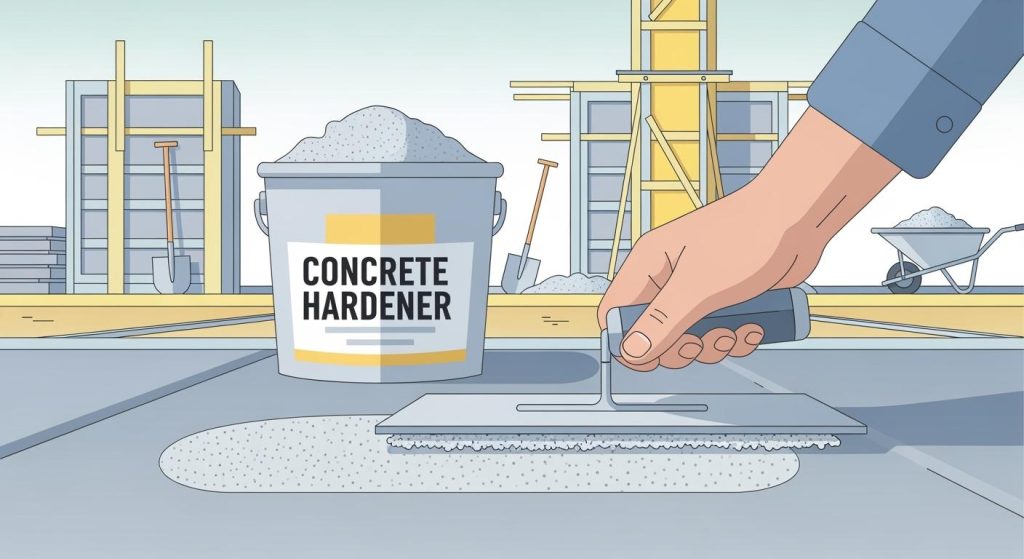
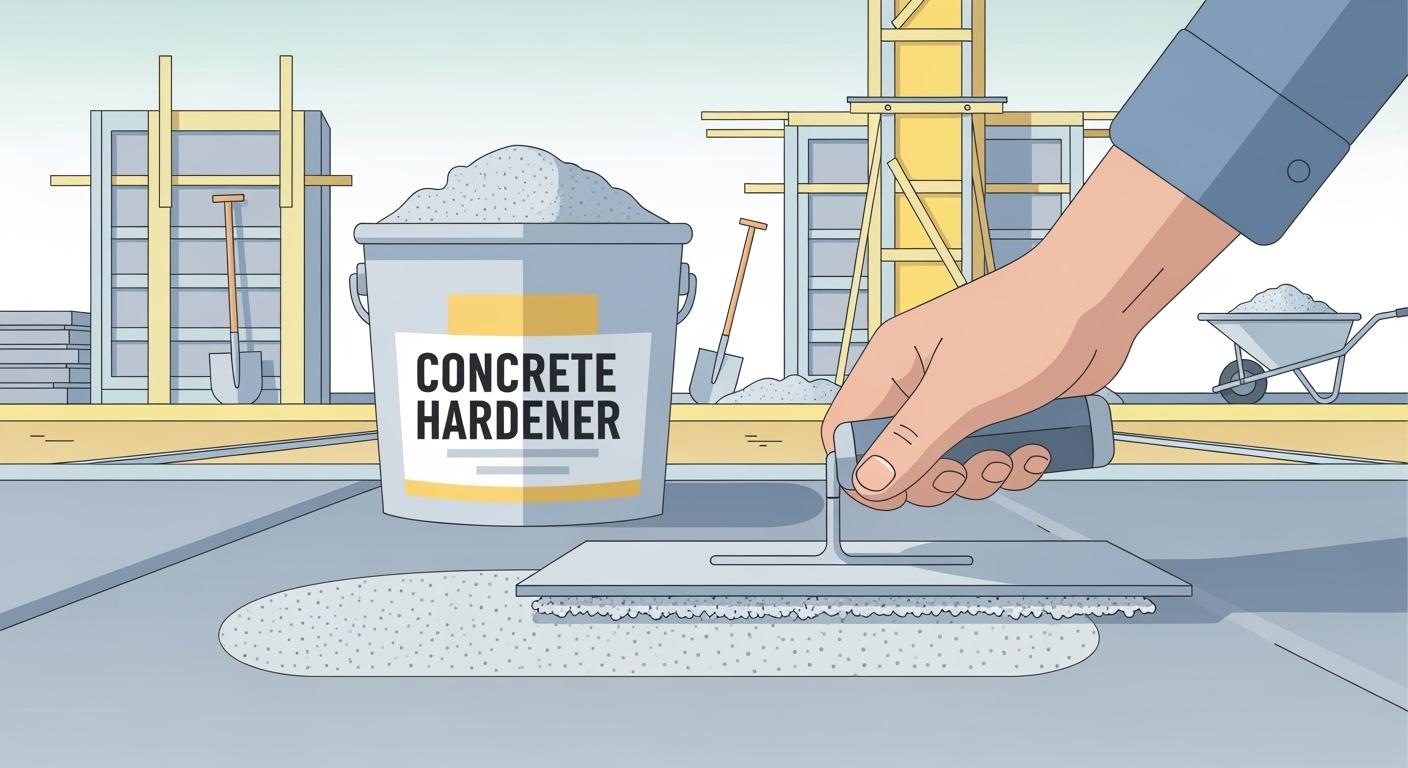
Concrete hardeners play a crucial role in enhancing the durability and strength of surfaces. However, many face challenges during application. For instance, the timing of application can greatly affect penetration effectiveness. If applied too early, free water can hinder the hardener’s performance. Proper techniques are essential for achieving optimal results.
Key Takeaways
Concrete hardeners enhance the strength and durability of surfaces, making them more resilient.
Choose the right type of hardener based on surface porosity and environmental conditions for optimal performance.
Proper surface preparation and application techniques are crucial for achieving the best results with concrete hardeners.
Types of Concrete Hardener
Liquid Hardener
Liquid concrete hardeners are popular for their ease of application and effectiveness. They enhance the strength and density of concrete, making it more resilient against water and dust. Commonly used in various construction projects, such as toll roads and supermarkets, these hardeners penetrate deeply into the concrete surface. Some well-known products include Silicure, which helps cure and seal concrete, and LIQUI-HARD, a clear liquid that makes concrete hard and dust-free.
The primary ingredients in liquid hardeners, like silicates and setting agents, play a crucial role in performance. They facilitate a chemical reaction that strengthens the concrete. This type of hardener is particularly effective on both new and old concrete surfaces, providing long-lasting durability in challenging environments.
Dry-Shake Hardener
Dry-shake concrete hardeners offer superior abrasion and impact resistance. They consist of a blend of pigments, Portland cement, and finely graded silica sand. When applied to fresh concrete, they improve wear resistance and reduce dusting. These hardeners also enhance the surface texture, providing slip resistance and aesthetic appeal.
One of the main advantages of dry-shake hardeners is their long-term durability. They protect floor surfaces from abrasion and impact effects, making them ideal for high-traffic areas. However, they require skilled labor for application and can be more expensive than liquid options.
Type of Hardener | Advantages | Disadvantages |
|---|---|---|
Dry Shake Hardener | Superior abrasion resistance, long-term durability | Requires skilled labor, higher cost |
Liquid Hardener | Easier application, lower material cost | Less impact resistance, superficial hardening |
Both types of concrete hardeners have their unique benefits and applications. Choosing the right one depends on the specific needs of your project.
Choosing the Right Concrete Hardener
Selecting the right concrete hardener is essential for achieving optimal results. Several factors come into play, including the type of surface and the environmental conditions during application. Understanding these elements can help ensure that the hardener performs effectively.
Surface Type
The type of concrete surface significantly influences the choice of hardener. Different surfaces have varying porosity levels, which affects how well a hardener penetrates. For instance:
Porous Surfaces: If the concrete is highly porous, a solvent-based concrete hardener may be more effective. These hardeners penetrate deeper than water-based options, ensuring better adhesion and performance.
Smooth Surfaces: On the other hand, smooth or sealed surfaces might require a different approach. A liquid concrete surface hardener can provide adequate results, but it’s crucial to prepare the surface properly to enhance bonding.
Before applying any hardener, consider the following factors:
Prepare the necessary tools and materials.
Ensure the concrete is in optimal condition.
Repair cracks and holes before application.
Read the instructions on the concrete hardener packaging.
Conduct a small test.
Environmental Conditions
Environmental factors also play a critical role in the effectiveness of concrete hardeners. Temperature and humidity levels can impact the curing process. Here are some key points to keep in mind:
Hot Weather: High temperatures can lead to rapid evaporation of water from the concrete, resulting in weaker surfaces. It’s best to apply hardeners during cooler parts of the day or use methods that minimize evaporation.
Cold Weather: Low temperatures can prolong the curing process. This may cause structural issues, as the concrete could shift or develop cracks. The ideal curing temperature range is between 50 and 60°F. Deviating from this range can lead to significant problems.
When applying concrete hardeners, always monitor the weather conditions. Avoid applying hardeners in extreme weather, whether it’s too hot or too cold. Adjust your application techniques accordingly. For example, use spraying or mopping for liquid hardeners and apply dry shake hardeners to fresh, wet concrete.
By considering both the surface type and environmental conditions, you can select the most suitable concrete hardener for your project. This careful selection will lead to enhanced durability and longevity of your concrete surfaces.
Application Techniques for Concrete Hardener
Applying concrete hardeners effectively requires careful attention to surface preparation and the application methods used. Proper techniques can significantly enhance the performance of the hardener, ensuring that it penetrates well and provides the desired durability.
Surface Preparation
Before applying any concrete hardener, surface preparation is crucial. A well-prepared surface allows for better adhesion and performance. Here are the essential steps to follow:
Clean the Surface: Start by removing dirt, debris, and old coatings. Use a pressure washer or scrubber to ensure the surface is spotless.
Repair Damage: Inspect the concrete for cracks or chips. Fix these issues with appropriate products, allowing them to cure completely before proceeding.
Remove Contaminants: Residual contaminants like oils, grease, or curing agents can hinder adhesion. Consider using alkaline degreasers for oils and chemical strippers for curing compounds. Always perform a pH test to ensure the surface is neutralized, ideally between 9 and 11.
Apply the Hardener: Mix and spread the hardener evenly according to the manufacturer’s instructions.
Drying Time: Allow the first layer to dry for at least 24 hours before applying additional layers.
Finishing Touches: After the final layer, ensure the floor dries fully. Consider applying a sealer for added protection.
Tip: Thorough surface preparation not only improves adhesion but also prolongs the lifespan of the treated surface.
Application Methods
Once the surface is prepared, it’s time to apply the concrete hardener. Different methods can be used depending on the type of hardener chosen. Here are some effective application methods:
For Liquid Concrete Hardener:
Clean the concrete surface thoroughly to remove any impurities.
Use a pump sprayer and microfiber applicator for even coverage. Start spraying from a corner and work outward to ensure complete coverage.
Move material from wet areas to dry areas to maintain a wet appearance for 15-20 minutes, which aids optimal penetration.
Follow the manufacturer’s instructions for usage rates and drying times.
For Dry Shake Concrete Hardener:
Timing is critical. Apply the dry shake hardener to fresh, wet concrete. If applied too early or too late, it can lead to poor bonding.
Spread the hardener evenly across the surface, ensuring it adheres properly.
Use a trowel to work the hardener into the surface, enhancing its performance and durability.
Note: Always monitor environmental conditions during application. High temperatures can increase evaporation rates, while low humidity can lead to rapid drying, affecting the hardener’s effectiveness.
By following these application techniques, you can ensure the effective usage of concrete surface hardener, leading to improved strength and load resistance while reducing dust and chemical damage.
In summary, choosing the right concrete hardener is vital for enhancing durability and performance. Consider factors like surface type and environmental conditions. Proper application techniques, such as thorough surface preparation and correct methods, ensure optimal results. Remember, investing in quality hardeners can lead to long-term savings and improved concrete longevity.
Key Takeaways:
Floor hardeners boost durability and performance.
Dry shake hardeners suit heavy use, while liquid options work for various surfaces.
Proper selection and application lead to significant cost savings and reduced maintenance.
FAQ
What is the best time to apply concrete hardener?
Apply concrete hardener after the surface has cured for at least 24 hours for optimal results.
Can I use liquid hardener on old concrete?
Yes, liquid hardeners work well on both new and old concrete surfaces, enhancing durability and strength.
How long does it take for concrete hardener to dry?
Drying time varies, but most hardeners require 24 to 48 hours before heavy traffic can resume.
See Also
Choosing The Ideal Concrete Floor Hardener For 2025
Understanding BANDě Concrete Floor Hardener: Essential Insights
The Mechanism Behind Concrete Surface Hardeners Explained
Defining Concrete Hardeners: Their Functionality And Purpose
