

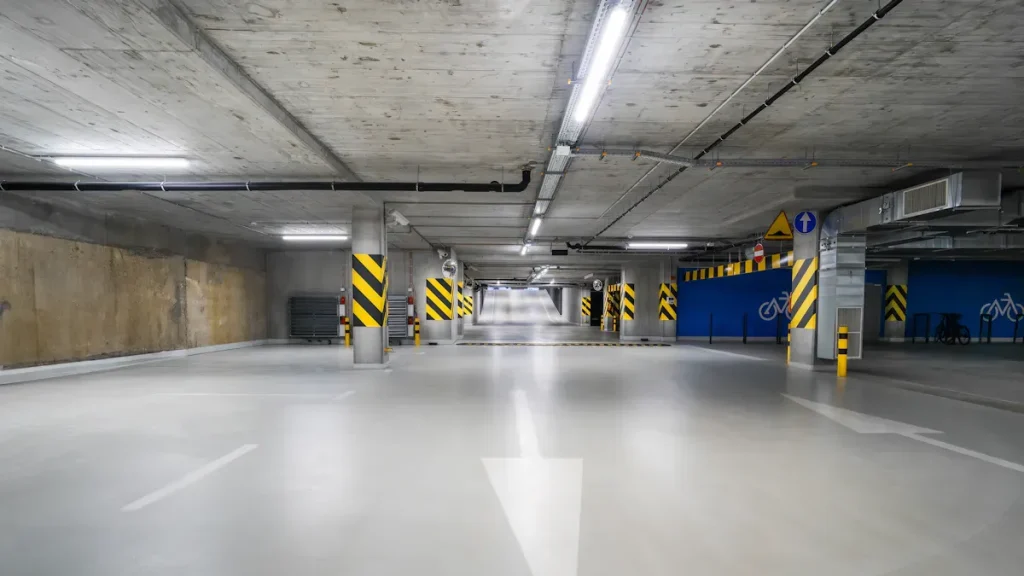
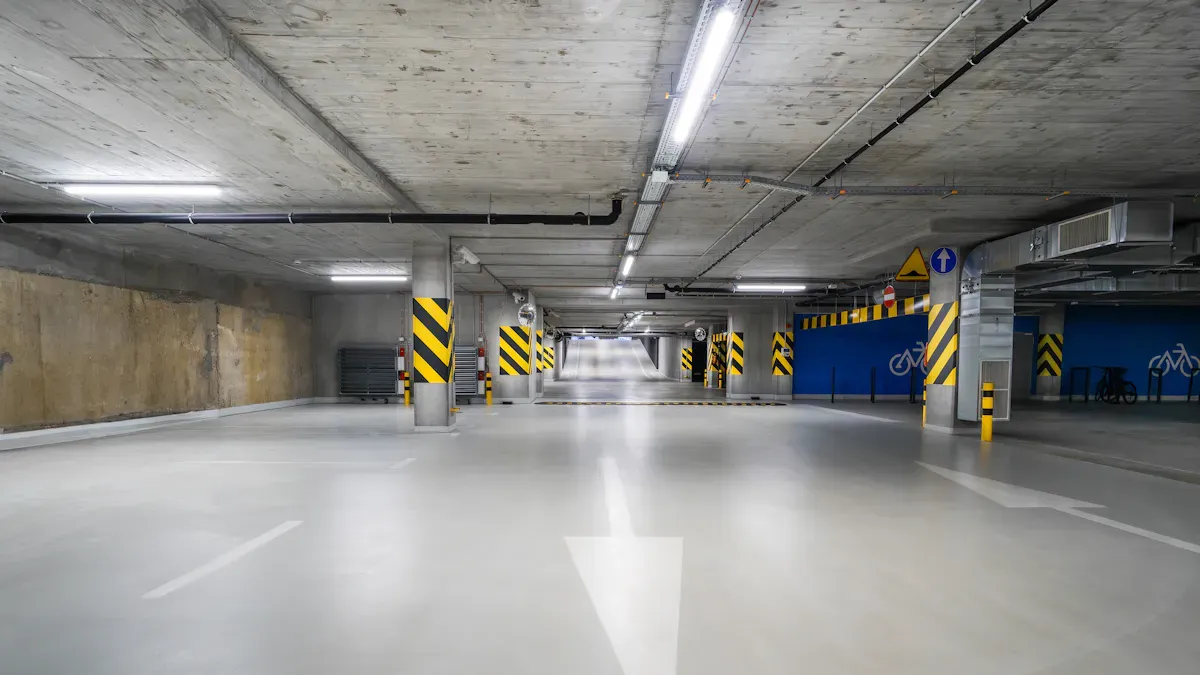
Sealing your warehouse concrete floor is essential for maintaining its durability and safety. Knowing how to seal warehouse concrete floor properly can significantly extend its lifespan and protect it from damage. A good seal prevents wear, moisture infiltration, and dust buildup, making cleaning much easier. The BANDě Polished Concrete Densifier is an excellent choice for this purpose. It provides a long-lasting shiny finish while hardening and strengthening the surface. By following proper sealing techniques and using high-quality products, you can effectively preserve your concrete floor and keep it in excellent condition for many years.
Key Takeaways
First, clean, fix, and dry the concrete well before sealing. This helps it stick better and last longer.
Pick the right sealer, like BANDě Polished Concrete Densifier, for strength and shine. Different sealers work for different needs.
Spread the sealer evenly with sprayers or rollers. Use the right methods to stop peeling or bubbling.
Let the sealer dry completely, usually up to 72 hours, before using it a lot. Proper drying makes the floor last longer.
Take care of the floor by cleaning and resealing every 2 to 5 years. Quick fixes stop bigger issues.
Tools and Materials
Essential Tools
To seal your warehouse concrete floor well, you need the right tools. Here’s a list of tools that will help you get great results:
Industrial-grade Degreaser: This cleans and removes dirt from the floor.
Crack Repair Kit: Fix all cracks and holes for a smooth surface.
Grinding or Shot Blasting Equipment: This makes the surface rough for better bonding.
Moisture Testing Kit: Check for moisture before putting on any coatings.
Primer Applicator: Some sealing systems need a primer for better sticking.
Sealer Application Tools: Use a pump sprayer or roller to apply the sealer evenly.
Application Method | Description |
|---|---|
Pump Sprayer | Great for big areas, allows quick application over large spaces. |
Low Pressure Sprayer | Works like a pump sprayer, good for covering large areas. |
Medium Nap Roller | Better for smaller areas, may take longer to clean up. |
Soft Bristle, Split-Tip Broom | Good for detailed work, but not as fast for big spaces. |
Recommended Materials
Choosing the right materials is very important for sealing your concrete floor well. Here are some materials we recommend:
BANDě Polished Concrete Densifier: This product seals and hardens the concrete, giving it a shiny finish while protecting it from wear and moisture.
Epoxy Concrete Sealers: These are great for industrial floors, helping keep them strong.
Basic Sealers: Products like Ashford Formula or Prosoco LS Guard soak into the concrete, giving stain protection and a shiny look.
High-quality sealers guard against wear, spills, and dust. Using the right tools helps with proper application and sticking. This mix is key for getting the best results when sealing your warehouse concrete floor. Remember, spending on good tools and materials can save you money later by making your floor last longer.
Prepare Surface
Cleaning
Before you seal your warehouse concrete floor, clean it well. This step gets rid of dirt, grease, and dust. If you don’t clean properly, the sealer won’t stick well. Here are some good cleaning methods:
Power Washing: This uses strong water pressure to remove tough dirt.
Solvent Cleaning: Use a good degreaser to break down oil and grease.
Abrasive Blasting: This helps get rid of tough stains and readies the surface for sealing.
Make sure the surface is completely dry after cleaning. If moisture is trapped, the sealer can bubble or peel.
Repairing
Next, check the concrete for cracks or damage. Fix small cracks quickly to avoid bigger problems. Here’s how to repair them:
Use a grinding machine to smooth out small cracks.
Fill larger cracks with a good repair compound.
Doing these steps makes sure the surface is smooth for sealing. A well-prepared surface helps the sealer last longer and prevents early failure.
Drying
After cleaning and repairing, let the concrete dry completely. New concrete needs to cure for at least one month before sealing. Sealing too soon can cause problems:
Sealers might not stick well, leading to peeling or blistering.
Most sealers dry to the touch in a few hours and can handle light foot traffic after 24 hours. However, they fully cure in up to 72 hours after application. Making sure the concrete is dry and cured is very important for getting the best results.
By following these preparation steps, you set up for a successful sealing process. A clean, repaired, and dry surface will help your sealer bond well, giving a long-lasting finish for your warehouse floor.
How to Seal Warehouse Concrete Floor
Choose Sealer
Picking the right sealer is very important for a strong finish on your warehouse concrete floor. The BANDě Polished Concrete Densifier is a great choice because it goes deep into the concrete and makes it hard. It gives a shiny look while protecting against wear and moisture. Other good sealers are epoxy and penetrating sealers. They last a long time and work well in busy areas. Here’s a quick look at different types of sealers:
Type of Sealer | Pros | Cons | Best For |
|---|---|---|---|
Acrylic Concrete Sealers | Dries fast, affordable, makes colors brighter | Not very durable, may need to be reapplied every 1–3 years, can be slippery | Decorative concrete patios, stamped driveways |
Penetrating Concrete Sealers | Lasts long, great at resisting water and UV rays | Doesn’t change color, usually costs more at first | Industrial and commercial settings |
Epoxy Concrete Sealers | Very strong, resists wear and chemicals well | Harder to apply, can be slippery when wet | Warehouses and industrial floors |
Polyurethane Concrete Sealers | Strong, great UV protection, flexible | More expensive, needs good surface prep | Outdoor patios and pool decks |
Apply Sealer
Now that you picked your sealer, it’s time to put it on. Follow these steps to apply the BANDě Polished Concrete Densifier correctly:
Surface Preparation: Make sure the concrete is clean, dry, and free from dirt. Use grinding, shot blasting, or deep cleaning methods.
Application Method: Use a pump sprayer or mop to spread the densifier. Make sure the surface is soaked but not puddled.
Coverage: You can cover 100 to 400 square feet per gallon, depending on how much the concrete absorbs.
Flooding Technique: For the best results, flood the surface and scrub the solution into the concrete. This helps spread it evenly.
Reaction Time: Let the densifier sit for at least 30 minutes or until the concrete won’t take in more.
Rework Excess: Use a soft bristle broom to spread any extra material for a smooth finish.
Final Coat: For polished concrete, add a uniform coat after the 400-grit stage, usually at 200-300 sq ft per gallon.
Tip: Don’t apply the sealer on rainy days or when it’s very humid. These conditions can cause peeling or bubbling of the sealer.
Drying Time
After you apply the sealer, let it dry properly. Most sealers dry to the touch in a few hours. However, they might need up to 72 hours to fully cure. During this time, avoid heavy foot traffic and don’t soak the surface with water. Proper drying helps the sealer stick well to the concrete, giving a long-lasting finish.
By following these steps on how to seal your warehouse concrete floor, you can create a strong and nice-looking surface that can handle the busy work of a warehouse.
Post-Application Care
Cleaning Tips
To keep the floor looking good, clean it often. Here are some easy ways to keep your warehouse concrete floor nice:
Sweep and Control Dust: Use tools that control dust to keep the floor clean.
Scrub Based on Surface Type: Pick the right way to clean unfinished, polished, or stained floors.
Efficient Use of Water and Chemicals: Save time and money by using cleaning products smartly.
Cleaning often helps keep the floor shiny and stops damage. Doing these things makes sure your floor stays in great shape.
Reapplication
How long the BANDě Polished Concrete Densifier lasts depends on how much it is used and the environment. Usually, you should think about putting on the sealer again every 2-5 years. Lots of people and machines can wear it out faster, needing more care. Watch for cracks or stains as signs to reseal. Checking the floor often helps find problems early and keeps the floor strong.
Troubleshooting
Even with good care, problems can happen after sealing. Here’s a list of common issues and how to fix them:
Issue Type | Description | Repair Method |
|---|---|---|
Dulling | Made by tire marks from heavy machines, causing stains on the floor. | Diamond abrasive grinding service |
Floor Flatness | Changed by how fast forklifts move over the floor. | Professional leveling services |
Physical Damage to Concrete | Includes gouges, cracks, and spalling from sliding machines. | Various repair products (fillers, coatings) |
Fixing these problems quickly keeps your warehouse concrete floor strong and useful. Regular care and quick repairs make the sealed floor last longer.
By following these care tips, you can keep your warehouse concrete floor looking good. Knowing how to seal warehouse concrete floor well and doing these things will help you get long-lasting results.
Sealing your warehouse concrete floor has important steps. These steps help make it last longer. Here’s a quick summary of the process:
Step | Description | Importance |
|---|---|---|
Clean and Seal Concrete | Get rid of stains and seal the floor with a densifier. | Makes the surface brighter, dust-free, and easier to clean. |
Grind and Seal Concrete | Grind down damaged spots and seal the floor. | Gives a smooth finish and fixes surface problems for better strength. |
Polished and Sealed Concrete | Shine the concrete using diamond grinding. | Creates a strong, long-lasting surface that is easy to care for and saves money. |
Regular care is very important. It helps your floors last longer by stopping cracks and chips. Here are some benefits of taking care of your floor:
Stops mold by keeping moisture out.
Makes the floor stronger, preventing cracks and peeling.
Can make the floor last 25 to 30 years longer.
Using the BANDě Polished Concrete Densifier will improve your results. By following these steps and caring for your floor, you can have a nice and strong surface for many years.
FAQ
What is the best time to seal my concrete floor?
You should seal your concrete floor when temperatures are between 50°F and 90°F. Avoid rainy or humid days. This ensures proper adhesion and curing of the sealer.
How long does it take for the sealer to dry?
Most sealers dry to the touch within a few hours. However, full curing may take up to 72 hours. Avoid heavy foot traffic during this time.
Can I apply sealer on new concrete?
You must wait at least one month before sealing new concrete. This allows the concrete to cure properly and prevents issues like peeling or bubbling.
How often should I reseal my concrete floor?
You should consider resealing your concrete floor every 2-5 years. Factors like foot traffic and environmental conditions can affect how often you need to reapply.
What should I do if my sealed floor gets damaged?
If your sealed floor shows signs of damage, such as cracks or dullness, repair it promptly. Use appropriate fillers or coatings to restore its appearance and strength.
See Also
Selecting The Ideal Concrete Densifier For Your Warehouse Flooring
Applying Concrete Dust Sealant For A Clean, Dust-Free Surface
The Comprehensive Guide To Concrete Sealers For Industrial Flooring
Top Floor Hardening Solutions For Warehouses In The Philippines
