

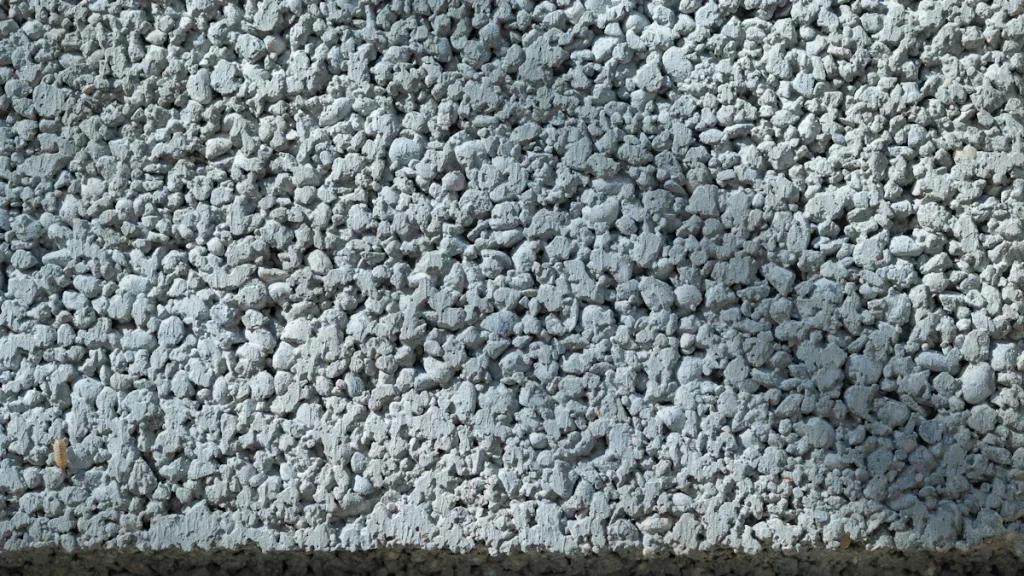
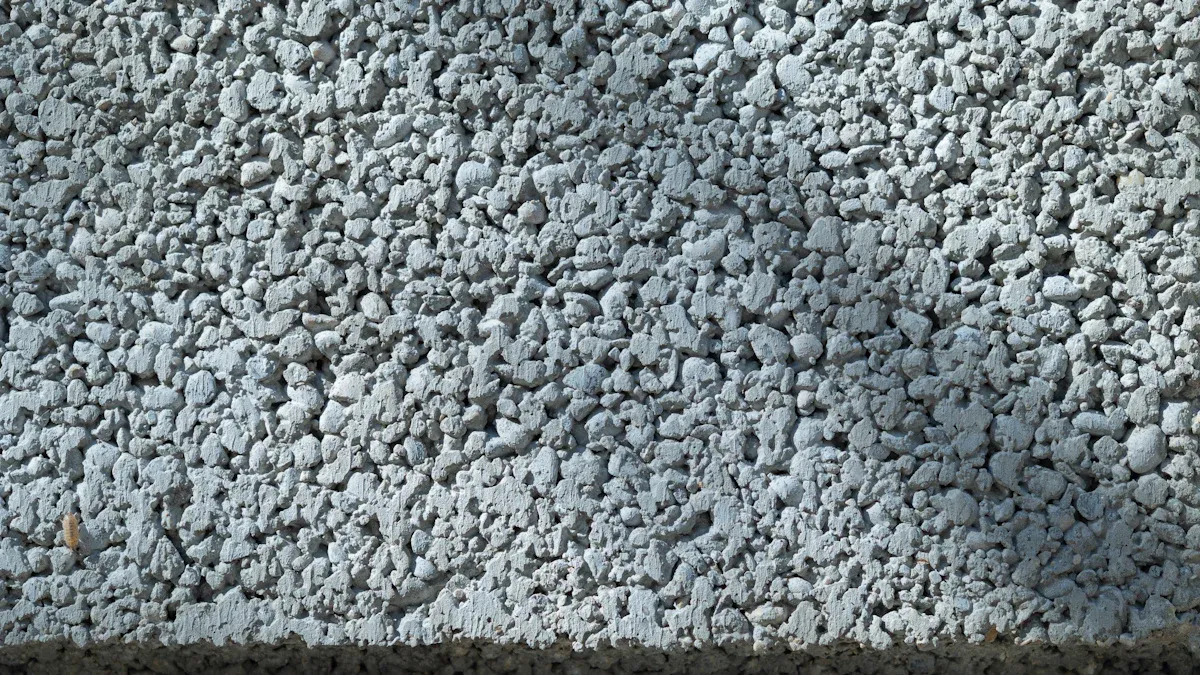
Concrete hardener densifiers are very important for concrete surfaces. A concrete hardener densifier makes new concrete stronger by creating a tougher surface through chemical reactions. On the other hand, a concrete densifier makes cured concrete denser and more durable, helping it resist damage over time. Understanding these differences is crucial for your construction and maintenance projects. The polished concrete market is expected to grow significantly. Learning how to use concrete hardener densifiers will help you create strong and long-lasting surfaces.
Key Takeaways
Concrete hardeners make new concrete stronger. They help it last longer and resist damage.
Concrete densifiers make cured concrete denser and harder. This helps it last longer and cuts down on dust.
Choosing hardeners or densifiers depends on things like traffic, looks, and chemical exposure.
Use hardeners on fresh concrete and densifiers on cured concrete. This makes them work best for long-lasting surfaces.
You can use both products together for the best results. They give a strong and durable finish for many uses.
Concrete Hardener Overview
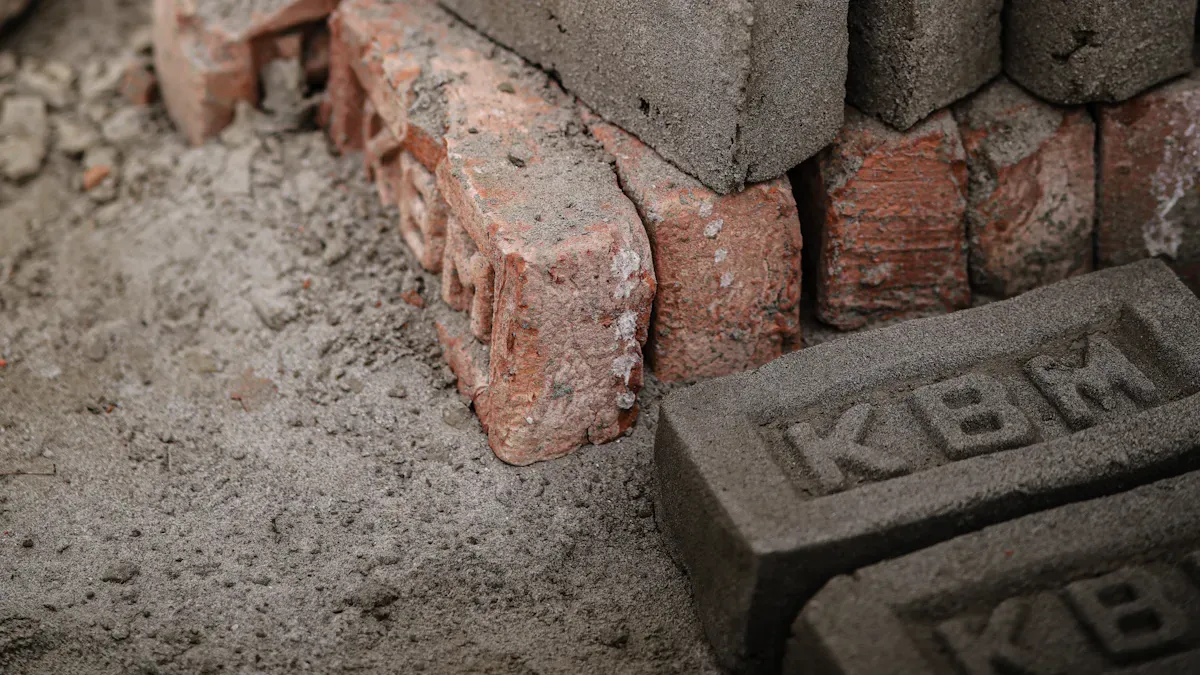
Concrete hardeners are very important for making new concrete stronger and last longer. You usually put these hardeners on when finishing new concrete. They work by reacting with the concrete to make a tougher surface. This reaction makes the surface much harder. It helps the concrete resist damage from use.
Benefits of Concrete Hardener
Using concrete hardeners has many important benefits:
Increased Durability: Concrete hardeners make surfaces last longer. They help resist rust, freeze-thaw damage, and stains.
Abrasion Resistance: These products make concrete better at handling heavy foot traffic and cars without wearing down.
Lower Maintenance Requirements: A hardened surface is easier to clean. This means less need for heavy maintenance.
Moisture Repellence: Concrete hardeners help keep moisture away. This can make your concrete surfaces last longer.
Here’s a quick overview of the benefits:
Benefit | Description |
|---|---|
Durability | Increases resistance to rust, freeze-thaw damage, stains, cracks, and chips. |
Maintenance | Reduces the need for heavy cleaning, keeping floors cleaner and more sanitary. |
Abrasion Resistance | Greatly improves the surface’s ability to handle scratches, scrapes, and impact damage. |
Moisture Repellence | Helps keep moisture away, making the concrete surface last longer. |
Applications of Concrete Hardener
Concrete hardeners are used in many construction projects. You will often see them in:
Food processing plants
Breweries
Sports stadiums
Retail stores
Automotive plants
Hospitals and clinics
Schools and hotels
These hardeners are especially useful in busy areas where strength is very important. They help keep the surface strong and looking good over time.
When using concrete hardeners, timing is very important. You should use dry-shake hardeners on new concrete to make it stronger and more resistant to wear. Apply the densifier or sealer right after finishing or as soon as you can walk on the surface. Always be safe by wearing protective gear, like gloves and goggles, to avoid skin and eye irritation.
The usual chemical makeup of concrete hardeners includes different compounds that react with the concrete. Common types are polyamides, amidoamines, and cycloaliphatic amines. These chemicals work together to create a strong, durable surface that can handle daily use.
Concrete Densifier Overview

Concrete densifiers are very important for improving cured concrete. You use these products to make existing concrete surfaces denser and stronger. Densifiers work by reacting with calcium hydroxide in the concrete. This reaction causes many helpful changes.
Benefits of Concrete Densifier
Using concrete densifiers has many big benefits:
Benefit | Description |
|---|---|
Makes surfaces 20-30% harder, reducing wear in tests. | |
Reduced Dusting | Binds loose particles to stop dust from forming. |
Improved Chemical Resistance | Protects against chemicals like chlorides, lowering maintenance costs. |
Extended Lifespan | Helps concrete last longer in busy areas. |
Enhanced Impact Resistance | Reduces wear and cracking from heavy loads in factories. |
Minimization of Efflorescence | Stops white deposits and damage in wet areas. |
Concrete densifiers fill the tiny holes in concrete. This makes the concrete less porous and less able to absorb water. As a result, the concrete becomes stronger and lasts longer. The densification process also makes the surface harder, so it resists wear better.
Applications of Concrete Densifier
You can use concrete densifiers in many places. Common uses include:
Hospitals
Government buildings
Airports
Factories
These densifiers help keep moisture out and protect against chemicals, oil, and grease. They also reduce wear from foot and vehicle traffic, making them great for busy areas.
To apply concrete densifiers correctly, follow these steps:
Clean the concrete to remove dust, oil, and dirt.
Use a low-pressure sprayer, roller, or broom to apply the densifier. Cover 200-400 square feet per gallon.
Let the densifier sit for 15-60 minutes, keeping it wet to help it soak in.
Scrub the surface with a broom or machine to help it absorb better.
Rinse the area well with water to remove extra residue, following local rules.
When you apply liquid silicates to hardened concrete, they react with calcium hydroxide. This creates more calcium silicate hydrate (C-S-H), which improves the concrete’s strength. Calcium silicate hydrate is important for making concrete strong, while calcium hydroxide is not very useful.
Key Differences Between Hardener and Densifier
Knowing the main differences between concrete hardeners and densifiers helps you pick the right one for your project. Each has its own purpose and works differently.
Functionality Comparison
Concrete hardeners mainly make surfaces harder and more resistant to wear. They create a protective layer on top, which helps stop damage. On the other hand, concrete densifiers go deep into the concrete. They react with calcium hydroxide to form calcium silicate hydrate (CSH). This fills the tiny holes and makes the concrete denser and harder.
Here’s a quick comparison of their features:
Feature | Concrete Hardener | Concrete Densifier |
|---|---|---|
Primary Function | Makes surfaces harder and more resistant to wear. | Increases density, hardness, and reduces how much water can get in. |
Mechanism | Creates a hard layer on the surface. | Goes deep into the concrete and reacts with calcium hydroxide to make calcium silicate hydrate (CSH), filling holes. |
Penetration | Stays on the surface, not much goes in. | Goes deep into the concrete. |
Dust Proofing | Helps cut down on dust by making a surface film. | Greatly reduces dust by hardening the concrete. |
Breathability | Can make a layer that doesn’t breathe. | Stays breathable, letting moisture escape. |
Performance Metrics and Ideal Use Cases
When looking at performance, concrete hardeners can differ in strength but usually have high wear resistance. Densifiers boost strength through chemical reactions, often improving wear resistance by up to 300% compared to regular products.
Think about these best uses:
Polished Concrete Floors: Densifiers are key for getting high-quality polished floors, making them harder and shinier.
Industrial and Warehouse Settings: Hardeners are great for busy areas, giving strength and low upkeep.
Retail Spaces: Both products provide nice, strong floors that help with brand image and customer experience.
Knowing the differences between concrete hardeners and densifiers is important for your projects. Concrete hardeners make surfaces harder and more resistant to wear. This makes them great for busy areas. They also last longer and need less upkeep. On the other hand, densifiers go deeper into the concrete. They improve the inside structure and make it less porous.
When picking between them, think about these things:
Traffic Levels: Densifiers are good for busy areas.
Desired Aesthetics: Choose if you want a natural look or a shiny finish.
Exposure to Chemicals/Stains: Check if there will be oils or acids.
Budget: Compare initial costs with future maintenance.
Longevity Expectations: Densifiers last longer, while hardeners might need reapplication.
Environmental Conditions: Think about using them indoors or outdoors.
By looking at these points, you can choose the best concrete treatment for your needs.
FAQ
What is the main difference between a concrete hardener and a densifier?
Concrete hardeners make new concrete surfaces stronger. Densifiers make cured concrete denser and tougher. Hardeners create a hard surface layer. Densifiers go deep and change the concrete’s inside structure.
When should I apply a concrete hardener?
You should put a concrete hardener on fresh concrete surfaces while finishing. This timing helps make a strong and wear-resistant surface.
Can I use both a hardener and a densifier on the same project?
Yes, you can use both products. First, apply the hardener on new concrete. Then, use the densifier on cured concrete to make it stronger and tougher.
How long does it take for a densifier to work?
Densifiers usually take 15 to 60 minutes to soak into the concrete surface. Keep the product wet during this time for the best results.
Are concrete hardeners and densifiers environmentally friendly?
Many new concrete hardeners and densifiers are made to be eco-friendly. Always check product labels for eco-certifications and safety details before using them.
See Also
Understanding Concrete Densifiers Versus Hardeners: Key Differences
Defining Concrete Hardeners: Their Function and Importance Explained
Your Comprehensive 2025 Handbook on Densifiers and Hardeners
Exploring Concrete Densifiers, Hardeners, Sealers: Their Functions Explained
Selecting the Ideal Concrete Densifier, Hardener, and Sealer in 2025
