

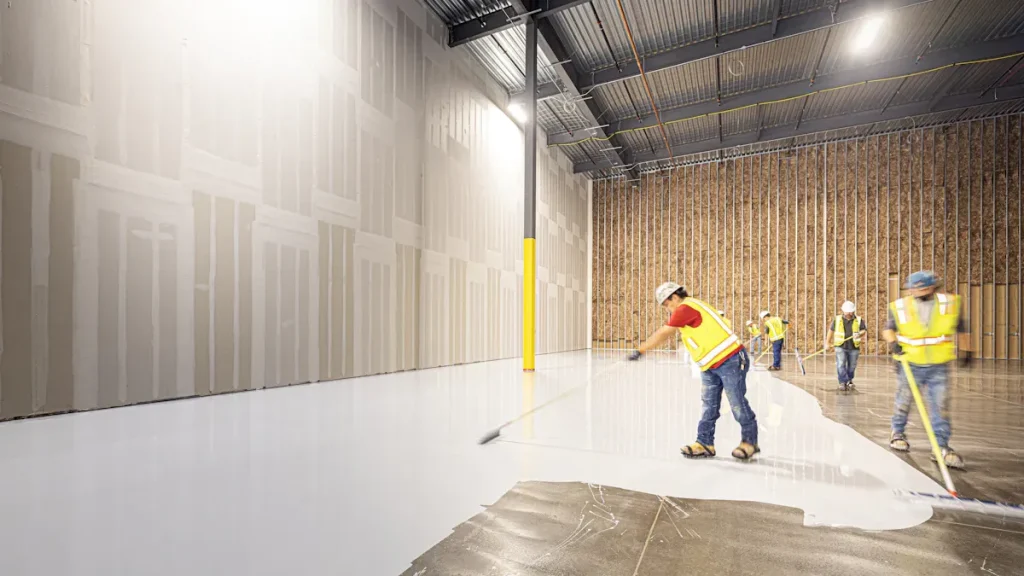
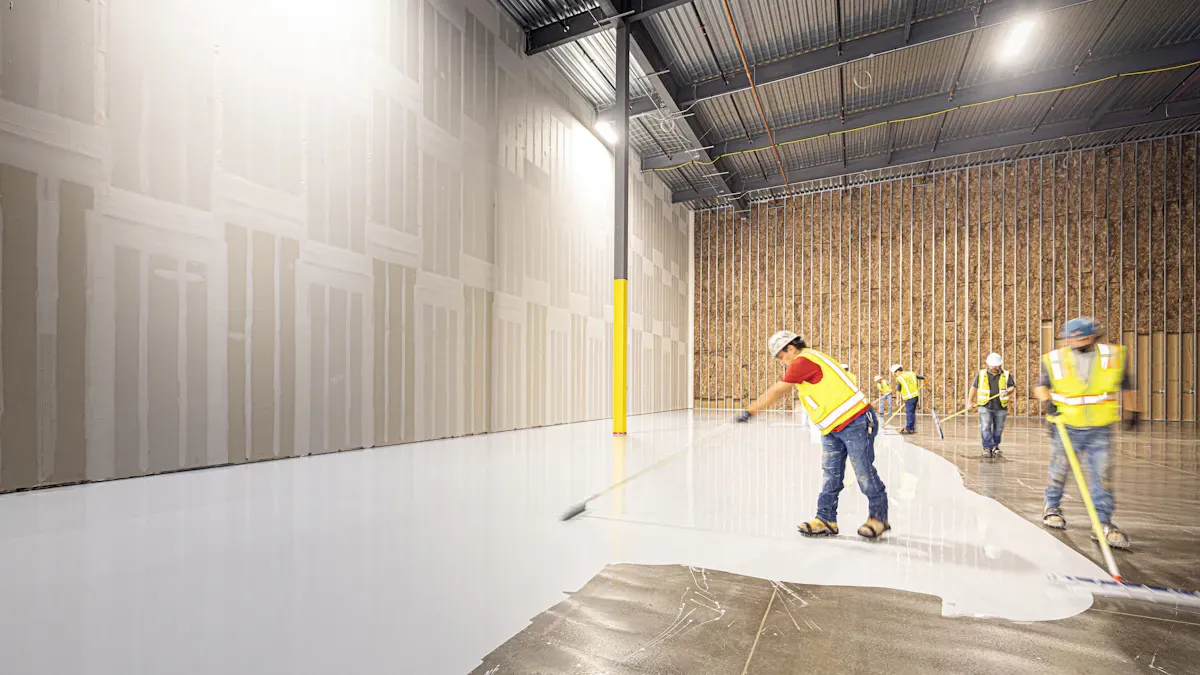
Liquid floor hardeners are very important for making concrete surfaces last longer. When you use a liquid floor hardener, your concrete floors can last much longer. Applying it correctly has many benefits. These include better durability, less maintenance, and a nicer look. For example, studies show that untreated concrete is about 50% weaker against wear than treated concrete after just one week. By using good application methods, you can create a strong base for your floors. This makes them tougher against damage.
Key Takeaways
Clean the concrete surface well before using the hardener. This helps it stick better and stops peeling.
Look for cracks and check moisture levels in the concrete. This helps the hardener stick properly.
Pick the right liquid floor hardener for your needs. Think about things like chemical exposure and how much maintenance you want.
Use the suggested application methods for even coverage. A sprayer or roller works best for good results.
Always focus on safety. Wear protective gear and make sure there is good airflow while applying to avoid health risks.
Surface Preparation
Cleaning the Surface
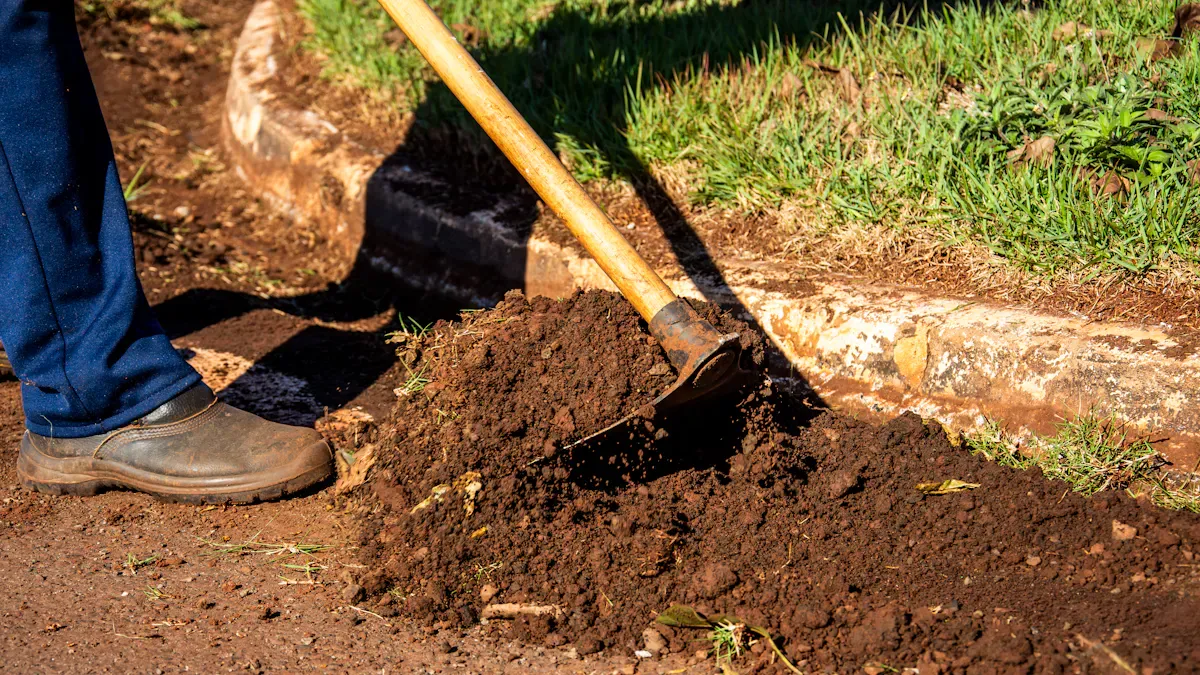
Before you put on the liquid floor hardener, clean the concrete surface very well. This step is very important for getting the best results. Use these methods to get your surface ready:
Take off old coatings to avoid problems later.
Clean off dirt, oils, and grease with the right cleaners.
Get rid of loose pieces to make a strong base for new applications.
Make sure the surface is dry before applying anything to avoid sticking problems.
Cleaning the concrete surface helps the liquid hardener soak in better. If you skip this step, dirt and grease can stop the hardener from sticking well. This can cause peeling and separation, which weakens your floor’s strength and performance.
Assessing Conditions
After cleaning, check the condition of the concrete surface. Look for cracks, holes, or uneven spots that might need fixing. Proper surface preparation is key for the hardener to work well. If you apply the hardener on a poorly prepared surface, it may not stick well. This can hurt the hardening process and the overall strength of the concrete.
Think about these factors while you check:
Moisture Levels: Make sure the surface is dry. Too much moisture can stop the hardener from bonding well.
Temperature: The best temperatures for applying are between 50°F and 90°F. Very hot or cold temperatures can change how it cures.
Surface Texture: A smooth surface might need extra work to help the hardener soak in well.
By taking time to clean and check the surface, you create a strong base for the liquid floor hardener. This preparation will help you get a strong and long-lasting finish for your concrete floors.
Applying Liquid Floor Hardener
Choosing the Right Hardener
Picking the right liquid floor hardener is very important for getting the best results. You need to think about a few things before you decide. Here’s a table that lists key things to remember:
Factor | Description |
|---|---|
Chemical Exposure | Different places have different chemical risks. You need specific hardeners for protection. |
Budget vs. Lifespan | Compare the initial costs with how long it lasts and how much maintenance it needs. |
Maintenance Needs | The kind of hardener you choose affects how easy it is to clean and how often you need to maintain it. |
Environmental Factors | Think about how the hardener affects the environment and its certifications. |
By looking at these factors, you can pick a hardener that fits your needs and makes your concrete surfaces last longer.
Application Techniques
When you apply liquid floor hardeners, following the right steps helps you get the best results. Here’s a simple guide for using the BANDě Curing agent:
Make sure the surface is clean and in good shape. Take off any old curing compounds and coatings.
Check if the concrete absorbs water. If it does, you don’t need to clean it again.
Use a low-pressure sprayer with a fan nozzle to apply it. This helps cover the area evenly.
Know that how much you use can change based on the surface type, usually between 200-400 sq. ft. per gallon.
Clean any white residue right away with water.
The BANDě Curing agent has different application methods that can improve your results:
Technique | Description | Benefits |
|---|---|---|
Spraying | Use a sprayer to apply BANDě evenly on the surface. | This gives even coverage and lowers the chance of pooling. |
Roller Application | Use a roller for large areas to spread the hardener smoothly. | This creates a consistent layer and is easy to control. |
Squeegee Method | For small areas, use a squeegee to push the hardener into the surface. | This helps create a thicker layer where needed and ensures deep penetration. |
When you use the BANDě Curing agent, remember it makes the treated concrete stronger through a chemical reaction. This reaction fills tiny holes, making the surface denser and harder. You can expect a strength increase of 20–45%, which is great for projects that need to be done quickly. This improvement allows for faster curing and readiness for the next steps.
Safety Precautions: Always wear protective gear like gloves and goggles when using the BANDě Curing agent. Avoid touching your skin and eyes. If you feel any discomfort, get medical help right away. Make sure there is good airflow during application to reduce inhalation risks.
By following these application techniques and safety tips, you can use the BANDě Curing agent effectively to improve the durability and performance of your concrete floors.
Safety and Environmental Considerations
Safety Precautions
When you use liquid floor hardeners, safety is very important. Here are some key safety tips to follow:
Always wear safety goggles to keep your eyes safe from splashes.
Use gloves to protect your hands from chemicals.
Think about wearing respirators to avoid breathing in harmful fumes.
Make sure your workspace has good airflow to lower inhalation risks.
Clean up any spills right away to stop accidents.
Throw away any leftover product safely. Make sure it is cured and cooled before you dispose of it.
If you ignore these safety tips, you could face health risks. For example, your skin might get irritated from touching the chemicals too much. You could also have breathing problems from inhaling the fumes. Always see a doctor if you feel sick after being exposed.
Weather Conditions
The weather is very important when applying and curing liquid floor hardeners. Here are some things to think about:
Temperature: The best temperatures for applying are between 50°F and 90°F. Cold weather can slow down chemical reactions. Hot weather may make the hardener dry too fast, causing surface problems.
Humidity: High humidity can make drying take longer and affect curing. Too much moisture can weaken the bond of the hardener, making your floor less durable.
Rain: Do not apply the hardener on rainy days. Moisture can mess up the hardening process and lead to bad results.
By paying attention to these weather factors, you can make sure your application is successful and help your concrete floors last longer.
Environmental Impact
Using liquid floor hardeners can affect the environment. Here are some ways to reduce these effects:
Environmental Impact | Mitigation Strategy |
|---|---|
Chemical runoff | Use proper methods to stop runoff. |
Resource waste | Choose eco-friendly products whenever you can. |
Frequent replacements of flooring options | Pick products that have low emissions and can be recycled. |
By following these tips, you can keep yourself and the environment safe while getting strong and long-lasting concrete floors.
Using liquid floor hardeners has many good effects on your concrete surfaces. With the right application, you can make wear resistance up to 2.5 times better. This process gets rid of weak parts, which helps the hardener work better with the concrete. Because of this, your surface becomes denser and stronger.
To get the most out of these benefits, follow the steps for applying it. Regular care, like cleaning and checking your floors, will help them last longer. Start today to improve your concrete surfaces and enjoy the long-lasting benefits of using liquid floor hardeners! 🌟
FAQ
What is the BANDě Curing agent?
The BANDě Curing agent is a liquid that makes weak concrete stronger. It sticks to the concrete and helps it stay stable. This makes it good for many uses.
How do I apply the BANDě Curing agent?
To use the BANDě Curing agent, first clean the surface. Then, use a sprayer or roller to cover the area evenly. Let it soak in for about two hours before cleaning off any leftover product.
Can I use the BANDě Curing agent outdoors?
Yes, you can use the BANDě Curing agent outside. But do not apply it when it is raining. Moisture can mess up the curing process and change the results.
How long does the BANDě Curing agent last?
The BANDě Curing agent can last for three years if you store it in a sealed container. Make sure to shake it well before using it for the best results.
What safety precautions should I take?
Always wear gloves and goggles when using the BANDě Curing agent. Make sure your workspace has good airflow and clean up spills right away to avoid accidents.
See Also
Understanding BANDě Concrete Floor Hardener Essentials
Floor Hardener: Definition And Functionality Explained
Top 5 Simple Tips For Concrete Hardening In 2025
Comprehensive Guide To Choosing BANDě Floor Hardener In 2025
