

Concrete hardener sealers are very important. They help make your surfaces last longer by providing protection against damage from wear, water, and chemicals. To get the best results with your concrete hardener sealer, follow these steps:
Check and clean the surface well.
Pick the right concrete hardener sealer.
Use the correct method to apply it.
Doing this correctly helps your concrete last longer. It also saves you money on repairs and upkeep later.
Key Takeaways
Clean your concrete surface very well. Get rid of dirt, oils, and old coatings. This helps the sealer stick better.
Pick the right type of concrete sealer for your needs. Different sealers work best in different places and for different jobs.
Use the right methods to apply the sealer. The squeegee and backroll method gives even coverage. This helps prevent mistakes and gives a smooth finish.
Watch the curing conditions after you apply the sealer. Good temperatures and humidity help the sealer work better and last longer.
Take care of your sealed concrete. Reseal it every 2-5 years. Fix any damage quickly. Regular care makes your surfaces last longer.
Surface Preparation
Assess Concrete Surface
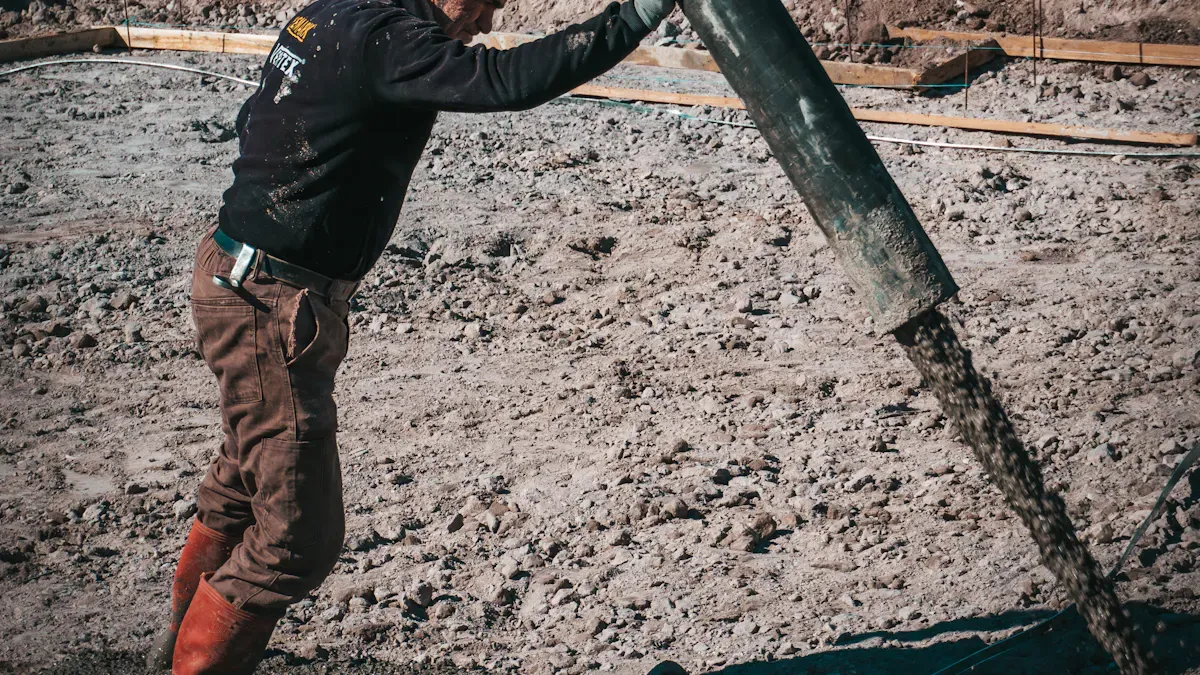
Before you put on any concrete sealer or hardener, check the concrete surface first. Look for cracks, chips, or any damage. These problems can stop the sealer from sticking well. You should also look for things that might get in the way of applying it. Common things to check for are:
Oils
Grease
Dirt
Loose paint
Tar
Glaze
Laitance
Efflorescence
Curing compounds
Getting the surface ready is very important. Contaminants can stop the sealers or hardeners from working right.
Clean the Surface
Cleaning the concrete surface is the next important step. A clean surface helps the sealer stick better. Follow these steps to clean your concrete well:
Sweep or vacuum up loose debris.
Use a strong cleaner or degreaser to clean the surface.
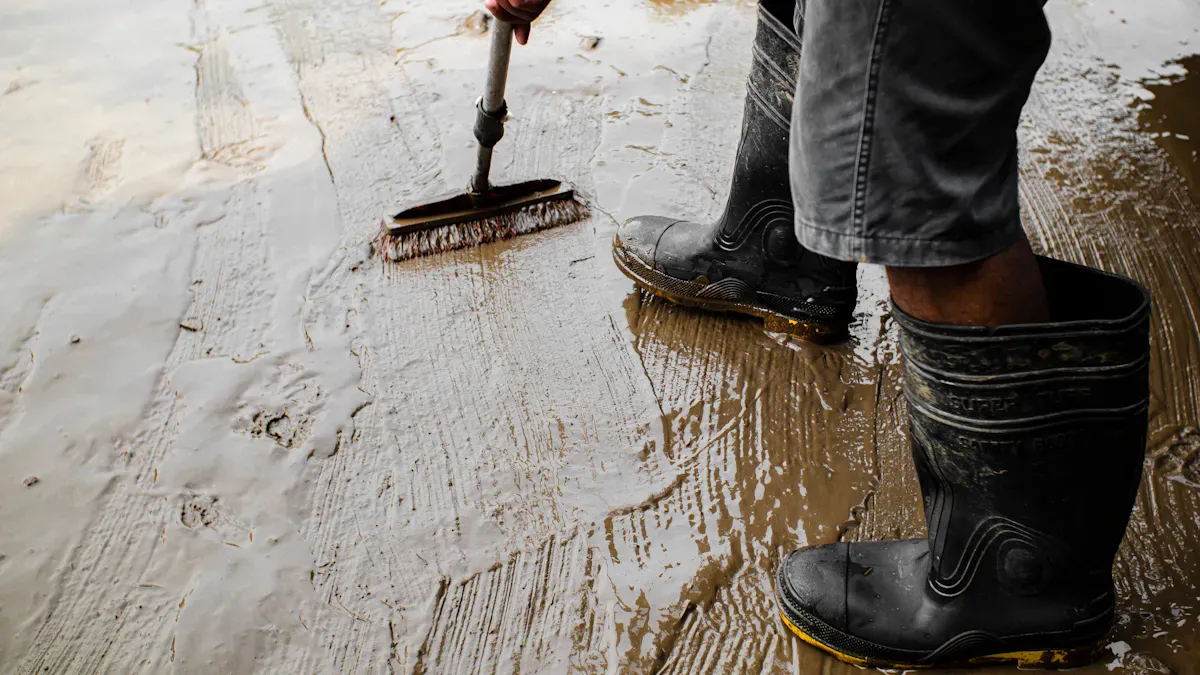
For tough stains, use a pressure washer or stiff broom.
Let the surface dry completely before putting on the sealer.
You might need to take off any old coatings before adding a new sealer. Here are some good ways to do this:
Use Aqua Mix’s Sealer and Coating Remover.
Acid etch the concrete, then neutralize it.
Scarify the concrete to get rid of the old sealer.
Pressure wash if the old sealer is worn out.
For tougher coatings, think about using methods like grinding or blasting. Chemical methods, like using a safe stripper, can work too. Always make sure the surface is clean and porous for good sticking.
Tip: Acid etching gives a tiny ‘tooth’ for the sealer and removes weak material. A common etching mix is 1 part muriatic acid to 10 parts water, used on wet concrete.
By checking and cleaning the surface well, you prepare for a good application of concrete sealers and hardeners.
Apply Concrete Sealer Techniques
Choosing the Right Sealer
Picking the right sealer is very important for good results. Different sealers work for different needs and places. Here’s a quick look at the best types of sealers:
Type of Sealer | Characteristics | Best Use Cases |
|---|---|---|
Film-forming | Makes a visible layer, adds shine, stops water from getting in | Decorative surfaces, places needing a nice look |
Penetrating | Soaks into concrete, cuts down on absorption without changing how it looks | Busy outdoor areas, cold places, and spots that get wet easily |
Acrylic | Common film-forming type, comes in water- and solvent-based forms | Decorative uses, shiny finishes, and places with limited airflow |
Polyurethane | Thick layer, more durable than acrylic, comes in different types | Busy areas, concrete counters, and spots needing chemical protection |
Epoxy | Shiny, strong coating, great for industrial spaces | Warehouses, labs, and places needing chemical control |
Silane/Siloxane | Best for cold areas, can handle scraping and snow plowing | Outdoor surfaces in cold areas, driveways, and patios |
Water-based Acrylics | Lower VOCs, dries faster, but may need to be reapplied more often | Areas with limited airflow, decorative uses |
Solvent-based Acrylics | Better color and hardness, but harder to apply | Decorative surfaces needing color and strength |
When you pick your sealer, think about the weather. For cold places, choose silane or silane/siloxane blends. These sealers resist scraping and snow. In warm areas, acrylics are good for decorative uses.
One great choice is the Concrete Surface Hardener. This product makes your concrete stronger. It goes deep into the surface, creating a strong bond and improving resistance to wear and chemicals. The application is easy. First, prepare your surface as mentioned before. Then, spread the hardener evenly with a squeegee or roller. This gives a smooth finish and helps the hardener work better.
Application Methods
Using the right methods for applying sealers is key for even coverage. Here are two good techniques:
Squeegee and Backroll Technique:
Squeegee: Use this tool to spread the sealer evenly over big areas. It helps control thickness and coverage.
Roller: After using the squeegee, roll over the surface. This step removes streaks and makes it even.
Specialty Sprayers: For bigger jobs, think about using specialty sprayers. These tools help you apply evenly and cover large areas fast. They help you avoid mistakes like putting on too much sealer, which can cause peeling.
Tip: Always follow the instructions from the manufacturer for the sealer you choose. This helps you use the right amount and get the best results.
By knowing the types of sealers and the right ways to apply them, you can make your concrete surfaces last longer and look better.
Hardeners Application
Selecting a Concrete Hardener Sealer
Choosing the right concrete hardener sealer is very important for getting the best results. You need to think about a few things to pick the best product for you. Here are some key points to help you decide:
Environmental and Safety Ratings: Look for safe and eco-friendly options. This keeps you and the environment safe.
Overall Value Proposition: Check products based on your specific needs and how long they last.
Assessing Your Industrial Needs: Figure out what kind of traffic your concrete will get and how the surface looks now.
Budgeting for Project Costs: Think about the starting costs and possible savings later. A higher initial cost might mean lower upkeep costs later.
Consulting with Experts: Get advice from professionals about choosing products and how to apply them. Experts can give you helpful tips for your project.
Future Maintenance Considerations: Think about how much care the hardener will need over time. Some products might need to be reapplied more often than others.
One great option is the Concrete Surface Hardener. This product goes deep into the concrete, making it stronger and tougher. It helps resist wear and chemicals, which is great for busy areas.
Application Techniques
Using the right hardener application techniques is key for the best results. Here are some important steps to follow:
Curing Times: Pay attention to curing times. The best temperature range for applying and curing floor hardeners is between 60°F (15°C) and 90°F (32°C). Applying hardeners while the concrete is still wet helps them stick well.
Optimal Ratio: Use the right amount of hardener for the concrete surface for the best effect. Here’s a simple guide to help you figure out how much you need:
Step
Description
1
Calculate the area (m²) = length × width.
2
Use this formula: area (m²) × product dosage/coverage (liters or kg per m²).
3
Example: For a 50 m² area with a dosage of 0.2 liters/m², you need 50 × 0.2 = 10 liters.
4
Add a 5-10% extra for porous or rough concrete, totaling about 10.5-11 liters.
Applying Multiple Layers: Putting on several layers of concrete hardener can really boost surface hardness and how long it lasts. Here are some benefits of this method:
Floor hardeners make surfaces last longer and work better.
Different types of hardeners, like dry shake and liquid, meet specific needs, ensuring strong surfaces.
Choosing the right type based on use and environment is key for keeping concrete lasting long.
Signs of Improper Application: Watch for signs that show the hardener was not applied correctly. Look for chalking, dusting, or color changes, which may mean moisture loss was not controlled. Weak or brittle spots can happen if curing compounds are applied at the wrong time.
By following these tips, you can make sure your hardener application is successful. This will improve the strength and performance of your concrete surfaces.
Post-Application Care
Curing Time and Conditions
After you put on concrete sealers and hardeners, you need to let them cure for the best results. The best curing conditions are when the temperature is between 70-75°F (21-24°C) and humidity is below 40%. Here are some important things to remember:
High temperatures over 80°F (27°C) can make curing faster. Cooler temperatures below 65°F (18°C) slow it down.
Too much humidity, especially over 60%, can make curing take much longer, sometimes ten times longer.
High humidity can also cause blushing, which is a surface problem. You may need heat or forced air to fix it.
By keeping an eye on these conditions, you can help your concrete cure well. This leads to a stronger and tougher surface.
Maintenance Tips
To make your sealed and hardened concrete surfaces last longer, follow these maintenance tips:
Regular Sealing: Put on sealers again every 2-5 years to protect against moisture and chemicals.
Prompt Repairs: Fix cracks and spalling right away to stop more damage.
Proper Drainage: Make sure water does not collect on the surface. This can cause damage.
Regular Cleaning: Sweep or mop the surface to get rid of dirt and debris that can wear it down.
Avoid Heavy Loads: Keep heavy weight off your concrete to stop structural damage.
Professional Inspections: Hire experts for regular checks to find problems early.
By following these maintenance steps, you can keep your concrete surfaces looking good and working well for many years. Remember, a little care can help protect your investment!
To sum up, putting on concrete hardeners and sealers has three main steps:
Prepare the Concrete Surface: Make sure to clean and dry the surface well.
Apply the Sealer: Use a special sprayer for even coverage.
Let the Sealer Dry: Give it enough time to cure for the best results.
Doing these steps is very important. Proper application helps your concrete last longer. Remember, good preparation can make your coating last up to ten years.
Now that you know what to do, take action! Protect your concrete investment today. 🏗️
FAQ
When is the best time to put on concrete sealers?
You should put on concrete sealers when it is between 50°F (10°C) and 90°F (32°C). Don’t do it on rainy days. This helps the sealer stick well and dry properly.
How long does it take for sealers to dry?
Drying times depend on the product. Usually, wait 24 to 48 hours for the sealer to dry before letting heavy traffic on it. Always check the instructions from the manufacturer for details.
Can I put a hardener on top of an old sealer?
No, putting a hardener on an old sealer can cause it not to stick well. You should remove the old sealer first for the best results.
How often should I put on sealers again?
You should put on sealers every 2 to 5 years, based on how much wear they get and the environment. Regular care keeps your concrete strong and dust-free.
What are the benefits of using concrete hardeners?
Concrete hardeners make surfaces stronger. They help resist wear and chemicals. They also make the surface harder and dust-proof, which helps it last longer.
See Also
The Complete Buying Guide for Concrete Densifiers and Sealers
Selecting the Ideal Concrete Densifier and Hardener for 2025
A Key Guide to Finding the Best Concrete Sealer
The Definitive Guide to Concrete Sealers for Industrial Floors
