



Applying powder hardeners the right way is very important. It helps make materials last longer. Using good techniques can make your projects stronger. For instance, tests show that the right powder hardener can make things stronger and soak up less water. This leads to better performance. There are different types of powder hardeners. Some examples are dry shake and epoxy hardeners. Each type has its own benefits. Knowing these things will help you get the best results in your work.
Key Takeaways
Preparing the surface well is very important. Clean and check the area to make sure the powder hardener sticks well.
Apply the powder hardener at the right time. Do this when the concrete is soft but starting to harden for the best bond.
Don’t use too much hardener. Using too much can cause bubbles and weak spots on the surface.
Watch the weather conditions. Keep humidity below 60% and make sure the temperature is good for curing.
Use good materials and follow the suggested coverage rates. This will improve how strong and nice your surfaces look.
Preparation
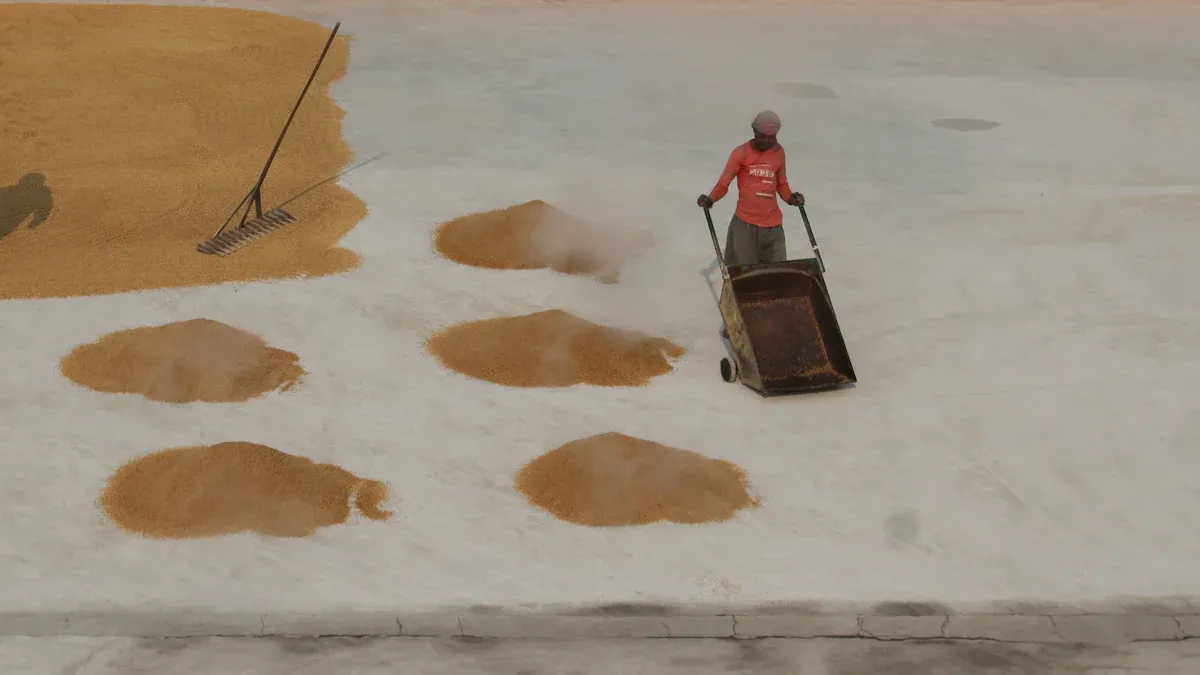
Tools and Materials
Before you apply powder hardeners, get the right tools and materials. Here’s a list to help you get ready:
BANDě Curing Agent: This product makes your powder hardener work better. It helps create a strong bond and makes it last longer.
Concrete Mixer: Use this to mix the powder hardener with water or other things.
Trowel: A trowel is important for spreading the hardener evenly on the surface.
Broom or Vacuum: These tools help clean the surface before you apply anything.
Pressure Washer: This can help remove tough stains and keep the surface clean.
Surface Preparation
Getting the surface ready is very important for applying powder hardeners. Follow these steps to make sure your surface is prepared:
Initial Cleaning: Sweep the area to get rid of loose dirt and debris. Use a vacuum cleaner or a brush for stubborn stuff. A pressure washer can help with tough stains.
Surface Inspection: Check the surface for cracks, spalling, or other damage. Fix these problems before applying the hardener.
Final Cleaning: Make sure the surface is completely dry. Moisture can stop the bonding process.
Identify Imperfections: Look for cracks, holes, or chips that need fixing.
Widen Cracks: Use a grinder to make cracks wider for better repair material penetration.
Clean the Area: Remove dust and debris from the cracks to help the repair material stick.
Fill Cracks: Use a concrete patching compound to fill the cracks and make a smooth surface.
Making sure surfaces are clean and dry is key for strong adhesion. Things like oils, dirt, or dust can hurt how well your powder hardeners work. By following these preparation steps, you set up for a successful application.
Application Methods
Broadcasting the Powder
Doing the broadcasting of the powder hardener right is very important. It helps create a strong and lasting surface. Follow these steps to broadcast effectively:
Prepare the Surface: After pouring and leveling the concrete, make sure it is smooth and compacted. This helps the hardener stick well.
Apply the Hardener: When the concrete starts to set, spread the color hardener evenly on top. Timing matters; do this while the concrete is still soft. This helps it bond well and stops uneven colors.
Work the Hardener In: After broadcasting, use a trowel to press the hardener into the surface. This step is key for a strong bond.
Tip: If you broadcast too early or too late, it can cause blotches or streaks. This will hurt the surface quality. Try to keep measurements consistent and patterns uniform for a nice look.
Working the Hardener In
To get the best bond, you need to work the powder hardener into the concrete well. Here’s how to do it:
Surface Preparation: Make sure the concrete is not too wet or too dry. Wait for any water to dry up before applying the hardener. This keeps the concrete strong.
Application Technique: Use a wooden float to mix the hardener better. Be careful not to trap any water. A magnesium float is less likely to skip over the surface.
Broadcasting Method: Spread dry shake color hardeners by hand from knee level. This helps avoid clumps. Fluff the powder first to keep it even.
Coverage Rate: Aim for 50-60 pounds for every 100-125 square feet. Change this amount based on how strong you want it to be.
Two Applications: For full coverage, apply the hardener in two layers. Keep the first layer moist before adding the second.
Environmental Considerations: In hot or windy weather, use a finishing aid to keep moisture. Cover the area with plastic if needed to keep moisture in before floating.
Also, think about using the BANDě Curing agent during application. After working the hardener in, soak the area with the curing agent. This helps the bonding and keeps moisture, making the final product stronger. Follow the instructions for soaking and any other treatments.
By following these methods, you can successfully apply powder hardeners. This will lead to a strong and good-looking surface.
Common Mistakes
Over-application Issues
Using too much powder hardener can cause problems. You might see bubbles or blisters on the surface. This happens if you apply too much hardener or if the surface is wet. When too much hardener is absorbed, it creates weak spots in the concrete. If you change the water-to-cement ratio by adding too much hardener, it can lead to dusting and cracking. Here are some signs of over-application:
Bubbles or blisters on the surface.
Weak spots from too much absorption.
Dusting and cracking from changing water/cement ratios.
To avoid these problems, make sure to use the right amount of hardener. Follow the suggested coverage rates and techniques for even spreading.
Inadequate Mixing
Not mixing powder hardeners well can hurt your surface’s strength. Poor mixing can lower durability by up to 30% over time. You may also have incomplete curing if you don’t follow mixing instructions. This can cause bubbles or blisters, which affect how it looks and its strength.
Here’s a table showing the problems from incorrect mixing:
Type of Incorrect Mixing | Consequences |
|---|---|
Undercatalyzed (Less Hardener) | – Coating stays soft or sticky. |
Overcatalyzed (Excess Hardener) | – Hardener may rise to the surface, causing amine blush. |
General Failures | – Bubbles, voids, or pinholes trapped under the surface. |
To ensure even spreading during application, try these tips:
Angle the spreader down a bit for better coverage.
Don’t spread more than 10-12 feet (3-4 meters) at once.
Use a side arm motion to reduce dust and waste.
By avoiding over-application and mixing properly, you can create a strong and durable surface with your powder hardener.
Tips for Best Results
Environmental Considerations
When you apply powder hardeners, think about the environment. Two important things are humidity and temperature. High humidity can mess up the curing process. Try to keep humidity below 60%. This stops moisture from forming on the surface. If moisture collects, it can make a cloudy or sticky finish.
Temperature is also very important. Each type of powder hardener needs a certain temperature to cure well. If it’s too cold, the chemical reactions might not happen. This can make the surface soft and weak. On the other hand, if it’s too hot, it can cause over-curing. This makes the surface brittle and can change its color.
Curing Tips
To get the best results, follow these curing tips:
Use Quality Materials: Make sure to use good powder hardeners and color hardeners. This will make your surface last longer and look better.
Monitor Conditions: Watch the weather. Don’t apply hardeners when it’s too hot or humid.
Apply Evenly: When using color hardeners, spread the material from knee level or lower. This helps keep it even and prevents clumps.
Wait for Bleed Water: Let bleed water dry up before applying the hardener. This is important for keeping the concrete strong.
Consider Post-Curing Treatments: Things like polishing the surface can improve how your coatings turn out.
By following these tips, you can make the curing process better. This will help you create a strong and durable surface with your powder hardener.
In conclusion, using powder hardeners the right way is very important. This helps you get strong and nice-looking surfaces. You need to pay attention to preparation, how to apply it, and avoid common mistakes. Many users have seen big improvements in strength and looks after using products like ReNew-It and GreenGuard Hardener. These hardeners help resist wear and make your surfaces last longer.
Application Timing | Comparison to Untreated Control (%) | |
|---|---|---|
Day One | 57% | 57% |
Day 28 | 397% | 397% |
Day 28 (400 revolutions) | 477% | 477% |
Day One (400 revolutions) | 163% | 163% |
By following the tips and methods in this blog, you can get the best results for your projects. Happy applying! 🎉
FAQ
What is a powder hardener?
A powder hardener is a dry substance added to concrete. It makes the concrete stronger and more durable. This helps create a tough surface that can resist wear and moisture.
How do I know when to apply the hardener?
You should apply the hardener when the concrete is soft but starting to set. This timing helps it bond well and stops uneven colors.
Can I use powder hardeners in cold weather?
Yes, you can, but be careful. Cold weather can slow down curing. Make sure the concrete is warmer than the recommended temperature for your hardener.
How long does it take for the hardener to cure?
Curing times depend on the product and the environment. Usually, expect initial curing in 24 hours. Full strength may take up to 28 days.
What should I do if I see bubbles on the surface?
Bubbles usually mean you used too much hardener or there are moisture problems. If you see them, check how you applied it and change the amount of hardener you used.
See Also
Understanding Floor Hardeners: Functionality and Benefits Explained
Essential Insights on BANDě Concrete Floor Hardener
The Mechanism Behind Concrete Surface Hardeners Unveiled
