

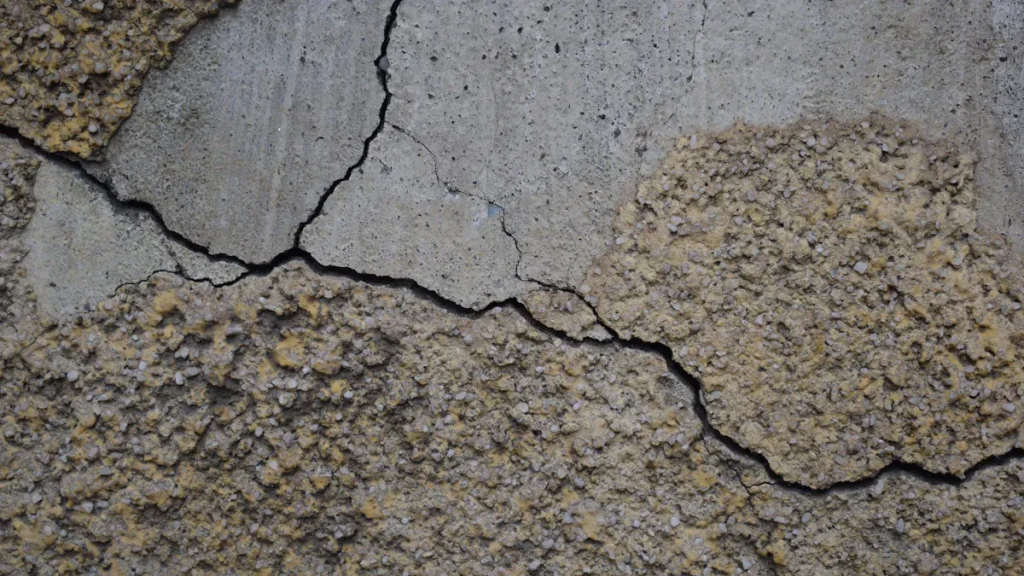
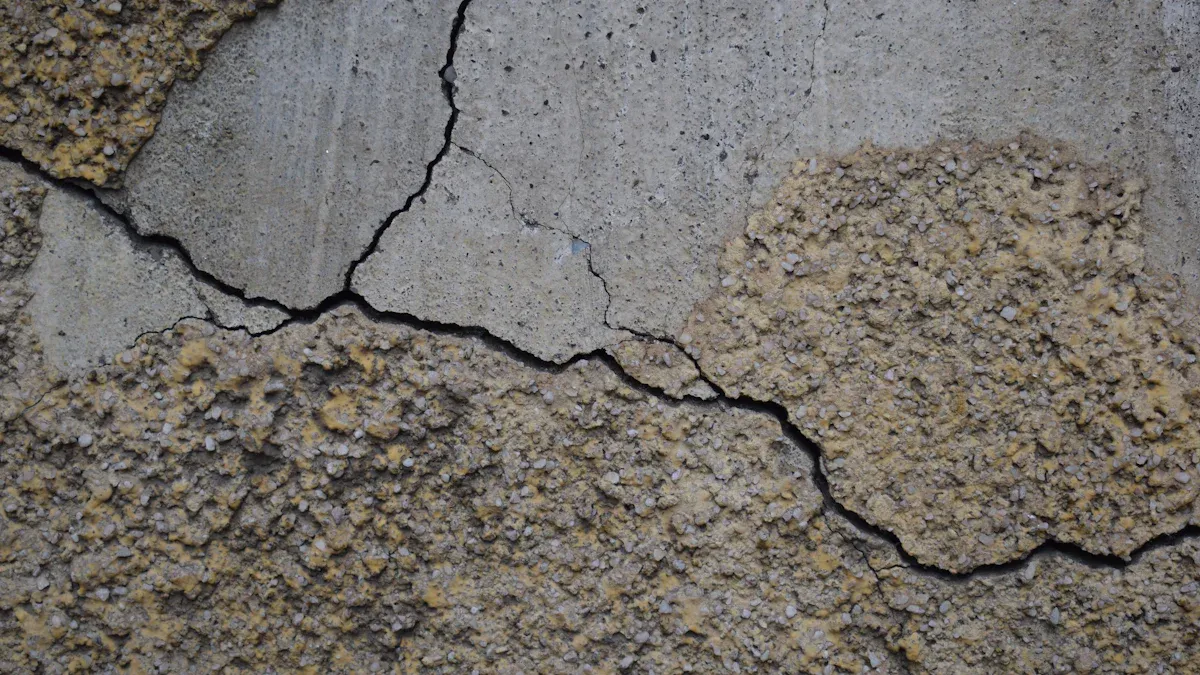
Imagine this: you go into your basement and see cracks on the walls. You might feel worried about the damage. Many people have this problem, with tiny cracks, up-and-down cracks, and water marks. Ignoring these crumbling walls can cause bigger issues later. The good news? You can fix these problems with simple solutions. Let’s learn how to reinforce crumbling basement concrete walls and keep your basement safe.
Key Takeaways
Find moisture, building problems, and soil pressure that cause crumbling walls.
Use tools like trowels and wire brushes to fix them well.
Fill and seal cracks with epoxy or polyurethane to stop water damage.
Use Concrete Surface Hardener to make walls stronger and stop future crumbling.
Check regularly and control moisture to avoid basement wall damage.
Causes of Crumbling Basement Walls
Knowing why your basement walls crumble is the first step to fixing them. Let’s look at the main reasons for this problem.
Moisture Issues
Moisture is a sneaky enemy for your basement walls. When it rains, the soil around your foundation soaks up water. This water pushes against the walls. Over time, it seeps through tiny cracks and gaps. Even after the rain stops, the pressure stays. This slowly weakens the concrete. Moisture can also move through the pores in the concrete. It creates damp spots at the bottom of your walls. This dampness can cause hidden damage and mold growth in places with little airflow. So, keeping moisture away is important for strong basement walls.
Construction Flaws
Sometimes, the problem starts with how the walls were built. Poor construction can lead to weak walls that crumble over time. If the builders used bad materials or didn’t follow proper methods, your basement walls might not last long. Older homes are especially at risk, as materials break down with age. Mortar can fail, making walls lose sand and strength. It’s important to fix these construction flaws early to stop more damage.
Soil Pressure
The soil around your foundation doesn’t stay the same. It expands and shrinks with moisture changes. This movement can stress your basement walls a lot. In areas with clay soil, the problem is worse. Clay swells when wet and shrinks when dry, putting stress on the concrete. Hydrostatic pressure from groundwater can build up too. This forces water through small openings, causing walls to bow or crack. Good grading and drainage systems are key to directing water away from your foundation and easing this pressure.
By knowing these causes, you can take steps to protect your basement walls from crumbling. Regular maintenance and fixing small issues quickly can save you from bigger problems later.
Tools and Materials for Repair
Fixing crumbling concrete walls is easier with the right tools and materials. Let’s look at what you need for this project.
Essential Tools
Before you start fixing, gather these important tools:
Trowel: This helps you apply repair materials smoothly.
Chisel and Hammer: Use these to take off loose concrete or mortar.
Wire Brush: This cleans the surface before you apply anything.
Caulking Gun: This is great for putting on sealants and fillers.
Safety Gear: Don’t forget gloves, goggles, and a dust mask to keep safe while working.
Tip: Always check for hazards before starting. Watch for falling debris or sharp objects!
Repair Materials
Now, let’s see the materials you’ll need. Here are some good options for strengthening your basement walls:
Carbon Fiber Strips: These are light and very strong. They stick well to cracks or bowing walls with epoxy resin, giving a lasting fix.
Steel Plates: These add extra support to weak spots.
Rebar Reinforcement: This makes your concrete repairs stronger.
Polymer Wraps: These wraps are flexible and fit different shapes, making them great for various foundations.
One product to think about is Concrete Surface Hardener. This solution goes into the concrete, making it stronger. It’s especially helpful for weak floors and can help stabilize your walls well.
By using the right tools and materials, your repairs will be effective and last a long time. Remember, preparing properly will save you trouble later!
Repair Methods for Crumbling Walls
Fixing crumbling basement walls is easier if you follow steps. Here’s how to make your basement walls stronger.
Cleaning and Preparing
Before fixing anything, clean and prepare the area first. This helps repairs stick better and last longer. Follow these simple steps:
Inspect the Walls: Check for cracks, moisture, or weak spots. Knowing the problem helps you fix it right.
Remove Loose Material: Use a chisel and hammer to take off crumbling concrete. This gives you a solid surface to work on.
Clean the Area: Scrub the walls with a wire brush. Then, use a shop vac to clear dust and debris. A clean wall makes repairs stronger.
Tip: Wear gloves and goggles to stay safe from dust and sharp pieces.
Filling and Sealing
After cleaning, fill and seal cracks to stop water and damage. Here’s how to do it:
Choose the Right Filler: Pick a filler based on the crack type. Use epoxy for dry cracks needing strong fixes. For leaks, polyurethane works well since it expands and stays flexible.
Type of Filler/Sealant | Best For | Characteristics |
|---|---|---|
Epoxy | Structural repairs in dry cracks | Rigid bonding of concrete |
Polyurethane | Active leaks | Expands to fill voids and remains flexible |
Apply the Filler: Use a caulking gun to fill cracks completely. This stops water from getting in.
Smooth the Surface: After filling, smooth it with a trowel. This makes the wall look neat.
Applying Surface Hardener
To make walls stronger, use a surface hardener. It helps stop future crumbling. Here’s how to apply it:
Prepare the Surface: Make sure the wall is clean and free of dust. Shake the Concrete Surface Hardener before using it.
Application: Pour the hardener on the wall. Spread it evenly with a roller or brush. Cover all repaired areas well.
Let It Cure: Let the hardener soak into the concrete for a few hours. Once it’s dry, clean the surface and add any extra treatments if needed.
By following these steps, you can fix your basement walls and protect them. Fixing problems early saves you from expensive repairs later.
Preventive Measures for Basement Walls
Taking steps to stop basement walls from crumbling is very important. Here are some good ways to do this.
Regular Inspections
Make it a habit to check your basement often. Look for cracks, wet spots, or any signs of damage. Finding problems early can save you money later. Check for:
Cracks in the walls or floor
Signs of moisture or mold
Any shifting or bowing in the walls
By watching for these issues, you can fix crumbling basement walls before they get worse.
Moisture Control
Controlling moisture is key to keeping basement walls strong. Here are some good methods:
Remove things that add moisture, like humidifiers, and make sure there’s good airflow.
Use air conditioning or dehumidifiers to control condensation in summer.
Seal concrete to limit moisture and vapor movement.
Improve drainage around the foundation to stop water from coming in.
By managing moisture well, you can greatly lower the chance of crumbling walls.
Drainage Solutions
Good drainage is important to stop water from building up around your foundation. Think about these solutions:
Change the slope of the soil to move water away from the walls.
Install gutters and downspouts to direct rainwater away from the foundation.
Consider a French drain or sump pump if your basement floods easily.
Good drainage solutions not only protect your basement but also make your home more stable.
Using these preventive measures will help keep your basement walls strong. A little work now can save you from big problems later!
Taking care of your basement walls is very important for your home’s safety and value. Checking them often can help you find problems early. This can save you money on repairs later. Here are some important points:
Check your basement once a year for cracks and wet spots.
Keep humidity low to make your basement dry.
Fix any cracks right away to stop more damage.
By being proactive, you can keep your basement strong and safe. Don’t let small issues become big ones. Act now to protect your home!
FAQ
How do I know if my basement walls need repair?
Check for cracks, wet spots, or falling concrete. These signs mean your walls need help. Regular checks can find problems early.
Can I fix crumbling walls myself?
Yes, you can! With the right tools and materials, like a trowel and Concrete Surface Hardener, you can do repairs well.
How often should I inspect my basement walls?
Look at your basement walls at least once a year. Regular checks help find issues before they get worse.
What is the best way to control moisture in my basement?
Use dehumidifiers and make sure air flows well. Seal concrete surfaces to limit moisture and improve drainage around your foundation.
Is Concrete Surface Hardener safe to use?
Yes! It’s non-flammable and good for the environment. Just shake it well before using and avoid getting it in your eyes or on your skin.
See Also
DIY Guide To Basement Waterproofing Techniques
Easy Guide To Repairing Concrete Cracks Perfectly
Comprehensive Guide To Mastering Concrete Crack Patching
