

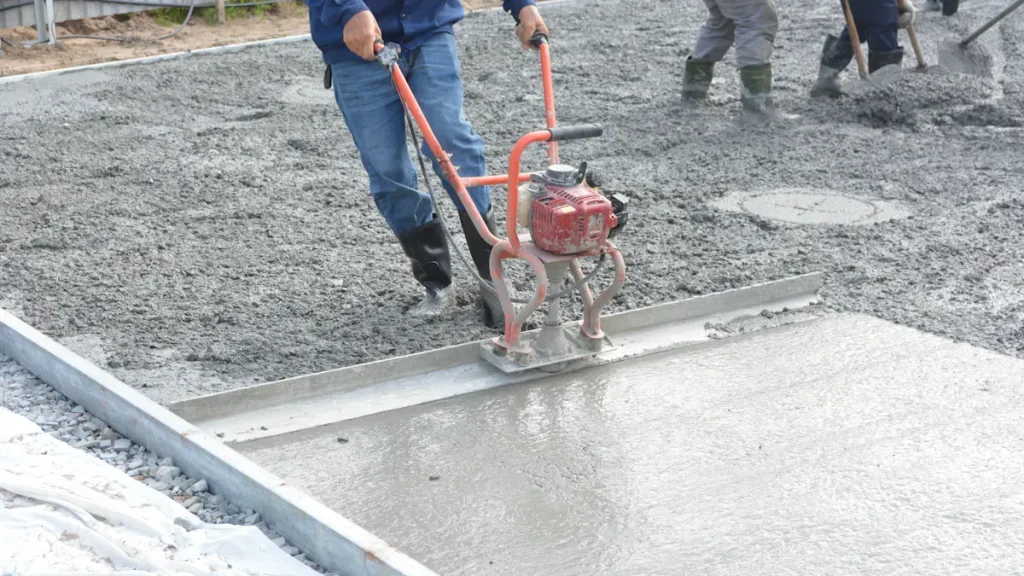
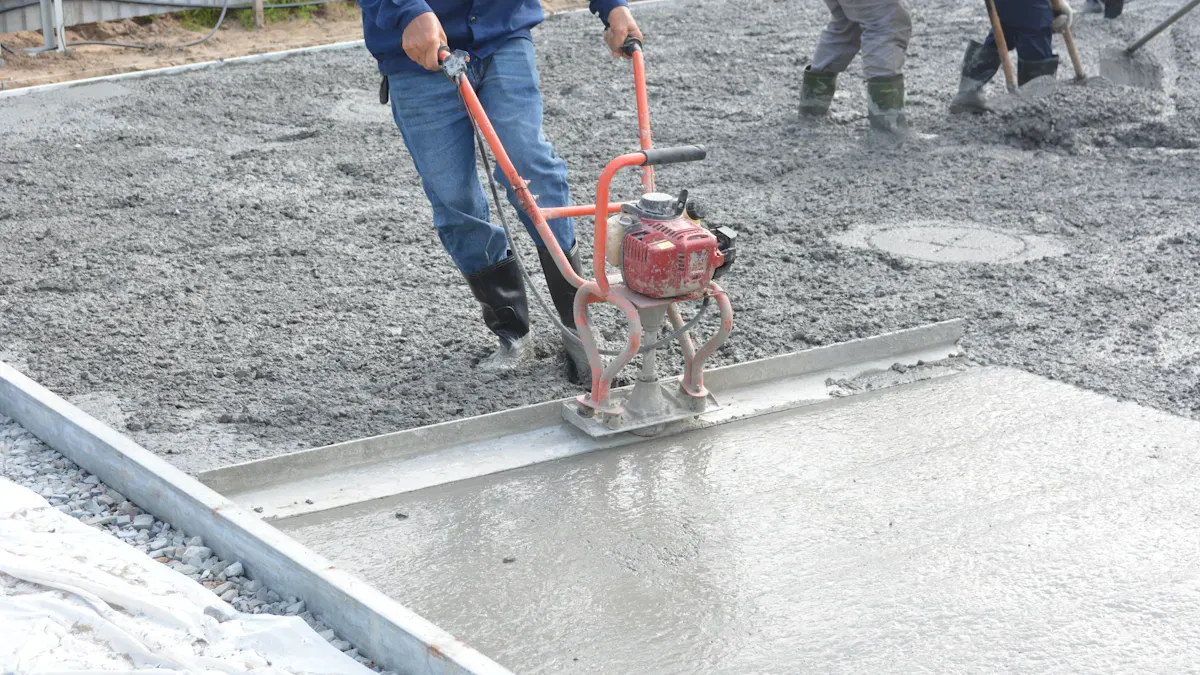
Selecting the right hole filling & waterproofing all-in-one options is very important for your home. Water damage can cause big problems. These problems can be both structural and costly. In 2021, water damage claims made up almost 24% of all homeowners insurance claims. This shows how important it is to fix leaks and problems quickly. Using good solutions will protect your property. It will also help it last longer. Think about getting reliable hole filling & waterproofing all-in-one solutions to keep your home safe from these risks.
Key Takeaways
Water damage can cause expensive repairs. Fix leaks fast to keep your home safe.
Pick the right hole filling solution for the hole size. Use concrete patching for big repairs and expanding foam for large gaps.
Liquid waterproofing options make strong barriers against water. They are simple to use and last 10 to 15 years if cared for well.
Think about the cost and how well solutions work. Good waterproofing can raise your home’s value by up to 25%.
Follow the best steps for applying. Preparing the surface well helps with strong sticking and lasting repairs.
Hole Filling Solutions
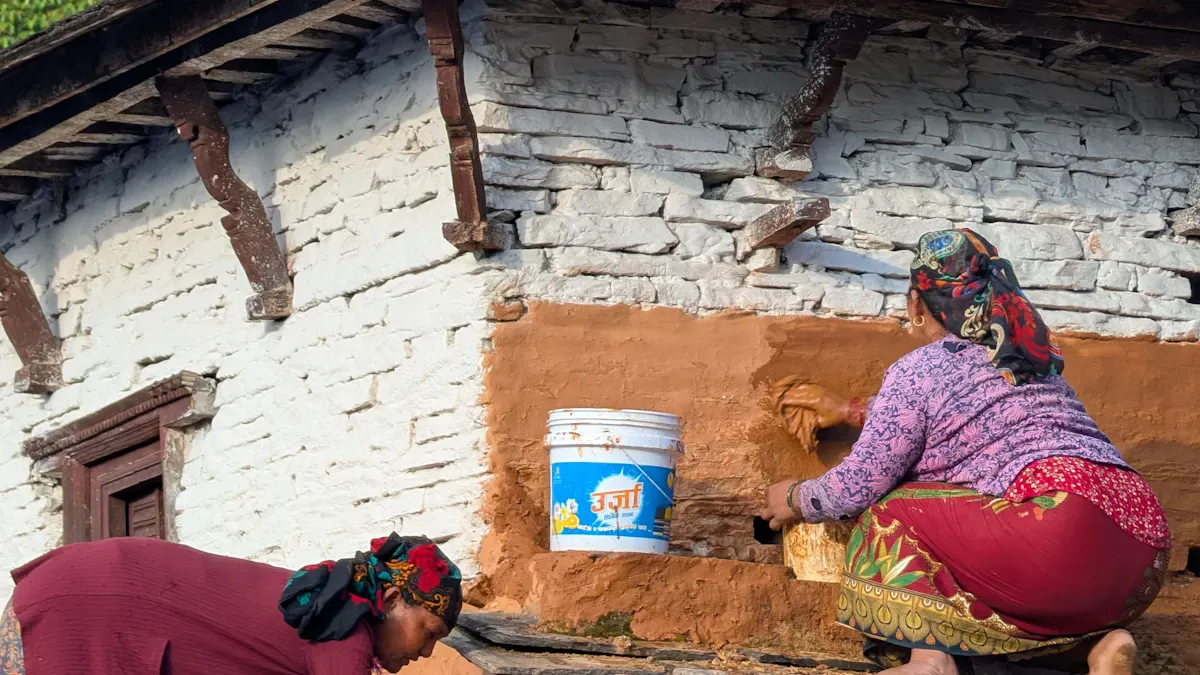
When you need to fix holes, you have many good choices. Two common options are concrete patching compounds and expanding foam. Each one has special benefits and uses.
Concrete Patching Compound
Concrete patching compounds work well for fixing holes in concrete. They help with sticking, flexibility, and strength. This makes them a good choice for many repairs. Here’s a quick look at the good and bad sides of using concrete patching compounds:
Advantages | Disadvantages |
|---|---|
Helps with sticking, flexibility, and strength | Some downsides not mentioned |
You can use concrete patching compounds for different problems, like rough spots, peeling, and potholes. They are simple to use and dry fast, so you can get back to normal activities soon after using them.
Expanding Foam vs. Acrylic Sealant
When you compare expanding foam and acrylic sealant, think about what your project needs. Expanding foam is great for filling big gaps and spaces. It grows to fill the area, making a strong seal. This is good for places that might get water. On the other hand, acrylic sealant is better for small cracks and gives a smooth look.
Here are some things to think about when checking how well these hole filling solutions work:
Criteria | Description |
|---|---|
Careful check of the hole’s size and nearby conditions to help with repair choices. | |
Material Selection | Picking strong materials that match or are better than the original concrete for strength. |
Proper Application | Following exact mixing, placing, and drying steps to make sure the repair works well. |
Both expanding foam and acrylic sealant are useful for home repairs. Pick one based on the hole size and the finish you want.
Waterproofing Methods
Waterproofing methods are very important for keeping your home safe from water damage. You have many choices, and each one has its own benefits and uses.
Liquid Waterproofing Options
Liquid waterproofing solutions are popular because they are easy to use. These products make a strong barrier against water. Here are some common types:
Product Type | Applications |
|---|---|
Liquid Applied Waterproofing | Between slabs, plazas, foundation walls, and more. |
You can also think about bituminous membranes. These membranes are made of bitumen mixed with materials like rubber or polymers. They work well for flat roofs and sealing basements.
Liquid waterproofing membranes usually last about 10 to 15 years. How long they last can depend on how well they are applied and maintained.
Basement Waterproofing Systems
Basement waterproofing systems are key for stopping leaks and moisture. You can pick from different systems based on what you need and how much you want to spend. Here’s a quick overview:
Waterproofing System | Cost Range |
|---|---|
Interior waterproof coatings | Among the least expensive |
Exterior drainage systems | Generally higher due to excavation |
Sump pump systems | Moderate to higher costs |
Exterior landscape waterproof membrane | $250–$500 for 500 sq ft ($0.50–$1/sq ft) |
Epoxy concrete sealer | $500–$600 for 125 sq ft ($4–$5/sq ft) |
Interior waterproofing systems are often cheaper and less invasive. They help with both surface and groundwater problems. However, they do not stop water from reaching the foundation. On the other hand, exterior waterproofing systems lower the amount of water that reaches basement walls but can be costly and messy.
When choosing a waterproofing method, think about your local weather. In cold places, products need to handle freezing temperatures. In hot, humid areas, solutions should fight mold and mildew.
By learning about these waterproofing methods, you can make smart choices to keep your home safe from leaks and moisture damage.
Comparing Solutions
When you think about hole filling and waterproofing solutions, knowing their cost and how well they work is very important. Each option has different uses. Knowing when to use each one can help you save time and money.
Cost and Effectiveness
The cost of hole filling and waterproofing solutions can be very different. Here’s a quick look:
Solution Type | Average Cost Range | Effectiveness |
|---|---|---|
Hole Filling Solutions | $10 – $50 per repair | Good for small fixes, like filling cracks and holes in concrete. |
$250 – $500 for 500 sq ft | Protects against water pressure and moisture, great for wet areas. |
Spending money on good waterproofing can raise your home’s value by up to 25%. This makes it a smart choice compared to simple hole filling, which may only fix surface problems without stopping future damage.
Spray Foam Insulation as a Gap Filler
Spray foam insulation is a better gap filler than regular materials. Here’s why:
Continuous Thermal Barrier: Spray foam insulation creates a smooth barrier that helps save energy.
High R-Value: Closed-cell spray foam has an R-value of R-5.6 to R-8 per inch, showing great heat resistance.
Moisture Resistance: It seals air better and resists moisture, making it a smart long-term choice.
On the other hand, regular gap fillers mainly seal small spaces and do not cut down heat loss in bigger areas. They do not insulate well, which can raise energy costs over time.
When choosing between spray foam insulation and other gap fillers, think about the size of the area you need to cover. Spray foam insulation works best for larger spaces, while regular gap fillers are better for small openings.
Tip: Always think about how your materials affect the environment. While spray foam insulation has many benefits, it can harm the environment due to how it is made and possible VOC emissions. In contrast, blown cellulose insulation is made from recycled materials, making it a greener choice.
By knowing the differences between hole filling and waterproofing solutions, you can make smart choices that keep your home safe.
Best Practices for Application
Using hole filling and waterproofing solutions the right way is very important. It helps your repairs last longer. You can follow some steps to make sure your work is strong and effective.
Application Techniques
When you use concrete patching compounds, follow these steps for the best results:
Cleaning: First, get rid of all loose dirt and junk. Use a wire brush and vacuum to clean the surface well.
Sounding and Chipping: Tap around the hole to find and remove any weak material. This makes a strong base for your repair.
Surface Profiling: Make the inside walls of the hole rough. This helps the patching compound stick better to the concrete.
Pre-Wetting: Wet the prepared concrete until it is damp but not soaking. This helps the patching compound stick better.
After you apply the compound, use these curing methods to make it last:
Moist Curing: Cover the repair with wet burlap or plastic. Keep it wet for 3 to 7 days after it sets.
Curing Compounds: Use a liquid curing compound to keep moisture in. This helps the bond stay strong.
Surface Preparation Tips
Getting the surface ready is very important for both hole filling and waterproofing. Here are key steps to take:
Clean and Dry Surfaces: Make sure the area is free from dust, dirt, grease, and oil. A clean surface helps things stick better.
Wood Preparation: Check that the wood is less than 19% moist. Get rid of any sawdust or dirt. If needed, sand smooth areas to help bonding.
Concrete & Masonry: Make sure concrete is fully dry and cured. Remove any dust or weak layers. Use a degreaser to clean grease.
Metal Preparation: Get rid of rust, oil, and moisture from metal surfaces. Lightly scratch smooth metals to help them stick.
Painted Surfaces: Make sure paint sticks well. Remove any peeling or chalky paint before using foam or sealant.
Skipping these preparation steps can cause big problems. Over 70% of coating failures happen because of bad surface prep. If adhesion fails, it can lead to peeling, which costs money to fix. Always follow the manufacturer’s instructions for good waterproofing.
Tip: Don’t apply waterproofing membranes when it’s wet or about to rain. Moisture can lower adhesion and cause blisters. Make sure the surface is dry for the best results.
By following these best practices, you can make your hole filling and waterproofing solutions work better. This keeps your home safe from water damage.
In conclusion, picking the right hole filling and waterproofing solutions is very important for keeping your home safe. You need to think about what your project needs. Here are some helpful tips to help you decide:
Approach | Characteristic | Best Use Case |
|---|---|---|
Epoxy Injection | Cure Behavior | Fixing structures when leaks are slow or not active |
Polyurethane Injection | Water-Activated Seal | Stopping active leaks that need quick fixing |
Swell Plug / Cap | Installation Speed | Quick fixes for small holes before bigger repairs |
External Membrane & Drainage | Long-Term Durability | For repeated leaks or outside water pressure issues |
By knowing these choices, you can make smart decisions that help keep your home safe and last longer.
FAQ
What are the signs of water getting into my basement?
You might see wet spots, mold, or paint peeling. These signs mean water could be coming into your basement. Fixing these problems quickly can help keep your foundation safe.
How do waterproof membranes work?
Waterproof membranes make a barrier that stops water from getting through surfaces. They give long-lasting protection against moisture, especially in places like basements and foundations.
When should I think about using a concrete patching compound?
Use a concrete patching compound when you find cracks, holes, or rough areas in your concrete. This compound helps fix strength and looks well.
How can I stop future water damage in my basement?
Check your basement often for cracks and leaks. Make sure water drains well around your foundation. You might also want to install sump pumps or waterproof membranes for extra safety.
What is the best way to fill holes in concrete?
The best way depends on how big the hole is. For small cracks, use an acrylic sealant. For bigger holes, a concrete patching compound is best to make a strong repair.
See Also
Achieving Perfect Waterproof Coating On Various Surfaces
Understanding Cementitious Waterproofing Slurry’s Functionality in 2025
Essential Concrete Patching Compounds To Consider In 2025
BANDě’s Tips For Selecting The Ideal Flexible Waterproof Sealant
Choosing The Right Flexible Waterproof Sealer For Every Project
