

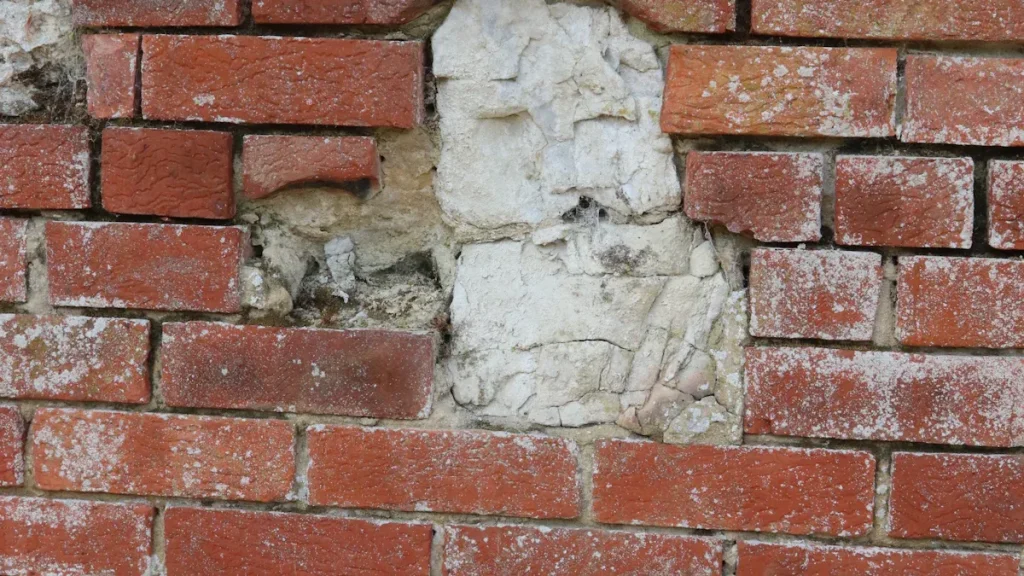
Removing mortar from stone surfaces is very important. It helps keep them strong and looking good. If you ignore this job, the stone can get worse over time. Research shows that not removing mortar correctly can cause problems. The difference in color between mortar and stone can look bad. It can also trap water and speed up damage. Plus, taking off mortar too many times can hurt the joint materials. This makes it easier for water to get in and weakens the stone. Using good tools and methods, like a mortar smear remover for stone, helps you get a clean look. It also helps your surfaces last longer.
Key Takeaways
Use the correct tools and safety gear to remove mortar safely.
Make cleaning solutions, either homemade or bought, for good mortar removal.
Use soaking and scrubbing methods to remove mortar without hurting stone surfaces.
Check the stone surface after cleaning to make sure no mortar is left.
Follow steps to prevent mortar smears in future projects.
Gather Tools for Mortar Removal
To remove mortar from stone surfaces, you need the right tools and safety gear. Here’s a list to help you start.
Essential Tools
Plastic Scraper: This is for hard stones like granite and slate. It helps you not scratch the surface.
Stiff Nylon Brush: This tool is good for brushing off loose mortar. It’s safe for most stone types.
Razor Blade: For tough spots, use a razor blade carefully to scrape off the mortar.
BANDě Stone Surface Cleaning Agent: This product works well to dissolve mortar. It breaks down mortar without hurting the stone.
Water: Keep a bucket of water nearby for rinsing and softening mortar.
Safety Equipment
Safety is very important when using tools. Here’s what you need to stay safe:
Impact-Resistant Safety Glasses: These protect your eyes from flying bits.
N95 Dust Masks: These masks filter out harmful dust, keeping your lungs safe.
Hearing Protection: Use earplugs or earmuffs to protect your ears from loud sounds.
Heavy-Duty Work Gloves: Protect your hands from cuts and scrapes.
Steel-Toe Boots: These help prevent injuries while you work.
By gathering these tools and safety gear, you prepare yourself for success in removing mortar from stone surfaces. Always remember to focus on safety and use the right tools for the job.
Prepare Cleaning Solutions
Cleaning solutions are very important for removing mortar from stone surfaces. You can use homemade solutions or store-bought products. It depends on what you like and need.
Homemade Solutions
Making your own cleaning solution is easy and saves money. Here are some options you can try:
Mild Soap and Water: Mix a few drops of mild dish soap with warm water. This mix is safe for most stone surfaces. It helps loosen mortar without causing harm.
Baking Soda Paste: Mix baking soda with water to make a paste. Put it on the mortar stains and wait a few minutes before scrubbing. Baking soda is gentle but works well.
Vinegar and Water: Vinegar is acidic, so use it carefully. Mix equal parts vinegar and water for light cleaning. Don’t use it on sensitive stones like marble, as it can damage the surface.
Tip: Always test your homemade solution on a small area first. This way, you can check if it harms the stone.
Commercial Products
If you want a ready-made solution, try commercial products made for mortar removal. One good choice is the BANDě Stone Surface Cleaning Agent. This product dissolves mortar without hurting the stone. It has glycolic acid, which is not very corrosive and can break down cement. This makes it safe for cleaning stone surfaces.
Here’s a comparison of different cleaning agents:
Acid Type | Reactivity | Corrosivity | Effectiveness in Cleaning | Safety Profile |
|---|---|---|---|---|
Muriatic Acid | High | High | Effective for heavy-duty cleaning | Dangerous due to corrosive nature |
Phosphoric Acid | Moderate | Moderate | Good for masonry cleaning with less danger | Safer than muriatic acid |
Glycolic Acid | Moderate | Low | Effective for removing cement without damaging surfaces | Safe on most substrates |
Using the right cleaning agent is very important. Strong acids can seriously hurt people and damage materials. For example, hydrochloric acid can cause serious injuries if it touches skin or eyes. So, always think about safety when picking a cleaning solution.
Note: Don’t use high-pressure washing unless the manufacturer says it’s okay. This method can harm the stone surface.
By preparing the right cleaning solutions, you help yourself succeed in removing mortar from stone surfaces. Whether you pick a homemade option or a store product, make sure it is safe and works well for your stone type.
Mortar Removal Techniques
Removing mortar from stone surfaces needs good techniques. Here are two main methods you can try: soaking and scrubbing, and using a mortar smear remover for stone.
Soaking and Scrubbing
Soaking the mortar makes it easier to take off. Follow these steps for this method:
Prepare the Area: Clear the space around the stone surface. Get rid of any loose dirt or debris.
Soak the Mortar: Use a sponge or cloth with warm water. Apply it directly to the mortar stains. Let it sit for about 10-15 minutes. This soaking helps soften the mortar.
Scrub the Surface: After soaking, take a stiff nylon brush. Gently scrub the mortar. Use circular motions to lift the mortar off the stone. Be careful not to scratch the surface.
Rinse: Rinse the area with clean water. This step removes any leftover mortar and debris.
Tip: If the mortar is really stubborn, repeat the soaking process. Sometimes, a second soak can help a lot.
Using a Mortar Smear Remover for Stone
Using a mortar smear remover for stone can make things easier. Here’s how to use it well:
Gather Your Supplies: You will need water, dish detergent, two stiff brushes (not wire), and rags.
Wait for Fresh Mortar to Dry: If the mortar is fresh, let it dry completely. This usually takes a full day and night.
Mix the Cleaning Solution: Combine warm water with dish detergent. Make sure there are no bubbles in the mixture. Set it aside.
Initial Scrubbing: Take one of your stiff brushes. Wipe it across the mortar you want to remove. Angle the brush to touch the mortar and stone well. Try to remove as much mortar as you can.
Dust Removal: Use a rag to wipe away any dust on the stone surface.
Final Scrubbing: Dip your second brush into the water and dish detergent mix. Use the same technique to scrub the remaining mortar. Clean other exposed parts of the stone while you’re at it.
Final Rinse: Rinse the stone with regular water. Check for any leftover mortar. If you see any, repeat the dust removal step.
Using a mortar smear remover for stone can make cleaning easier. It helps dissolve the mortar without hurting the stone surface.
By following these techniques, you can effectively remove mortar from stone surfaces. Always remember to be gentle and patient during the process.
Final Checks for Residual Mortar
Inspecting the Surface
After cleaning, look at the stone surface closely. Check for any leftover mortar pieces. Use a bright light to see better. If you find any mortar, use a plastic scraper or stiff nylon brush to remove it. Rinse the area with clean water after. This step makes sure the surface is clean and looks nice.
Tip: Always check corners and edges. Mortar can hide in these spots.
Preventative Maintenance
To stop mortar smears in future projects, follow these steps:
Allow Mortar to Cure Properly: Let the mortar set for 24-48 hours. This stops bricks from moving and reduces smears.
Avoid Overworking the Mortar: Make small changes to bricks after placing them. This keeps the mortar strong.
Consider Weather Conditions: Work when it’s mild and dry. Protect mortar from extreme weather for proper setting.
Clean Excess Mortar Immediately: Use a trowel or brush to remove wet mortar. This stops it from looking messy later.
By doing these steps, you can reduce mortar smears in future stonework. Remember, these precautions save time and keep stone surfaces looking great.
Description | |
|---|---|
Company Haul-Away | For small to medium projects, debris is moved using company vans. |
Bin Service | For big demolitions, large bins are used for waste. |
Following these tips will help keep your stone surfaces beautiful and make cleaning easier later.
Taking off mortar from stone needs care and the right ways. First, get the tools and safety gear you need. Make good cleaning solutions, either homemade or store-bought, like BANDě Stone Surface Cleaning Agent. Use soaking and scrubbing or a mortar smear remover for stone to clean tough spots.
Keep these important tips in mind:
Take out old mortar to the right depth and fill with lime-based mortar.
Don’t use new cement on old joints to avoid harm.
Check the surface well after cleaning to make sure no bits are left.
By doing these steps, you can keep your stone surfaces looking nice and strong.
FAQ
What is the best way to remove fresh mortar from stone?
To take off fresh mortar, soak it with warm water for 10-15 minutes. After that, use a stiff nylon brush to scrub gently. Rinse the area with clean water when you’re done.
Can I use vinegar to clean mortar off stone?
You can mix vinegar with water for light cleaning. But don’t use it on sensitive stones like marble, as it might cause damage.
How do I prevent mortar smears in future projects?
To stop mortar smears, let the mortar cure properly. Clean up extra mortar right away and work in mild, dry weather for the best results.
Is BANDě Stone Surface Cleaning Agent safe for all stone types?
Yes, BANDě Stone Surface Cleaning Agent is safe for most natural and artificial stones. Always test it on a small area first to make sure it works well.
How often should I clean my stone surfaces?
You should clean your stone surfaces regularly, especially after construction or renovation. Regular cleaning helps stop mortar buildup and keeps your surfaces looking nice.
See Also
Top 10 Sustainable Stone Cleaners for a Shining Home in 2025
Transforming Dull Concrete Floors Into Stunning Polished Surfaces
A Comprehensive 2025 Guide for Selecting Ideal Repair Mortar
