

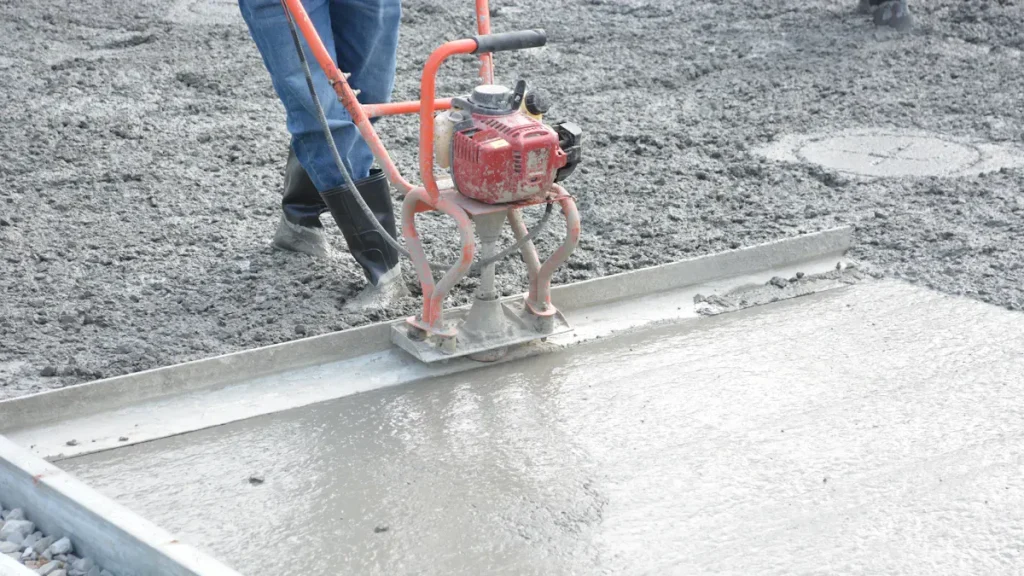
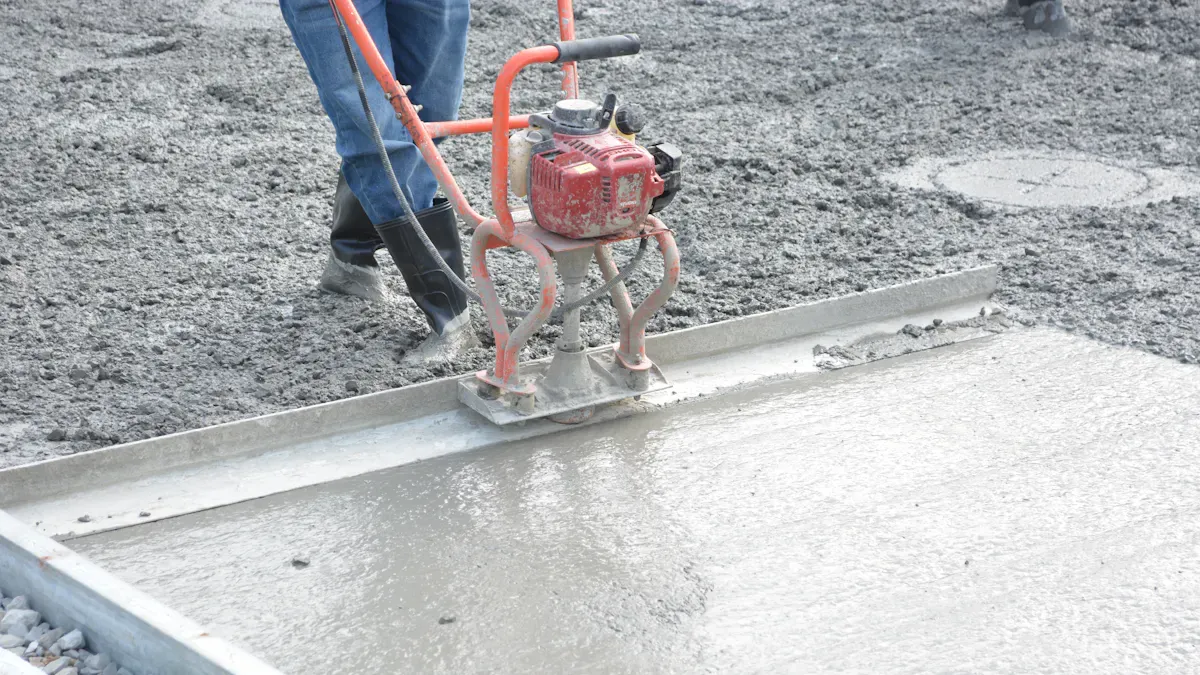
Concrete surface hardeners are essential for extending the lifespan of your floors. These hardeners significantly enhance the surface’s strength against wear, improving resistance to abrasion by 300-500%. Additionally, they can reduce dust by over 95%, contributing to a cleaner environment. When applied correctly, concrete surface hardeners not only fortify floors but also enhance their performance. For instance, you can increase abrasion resistance by up to 32% and improve impact resistance by 13%. With these benefits, your floors can endure 20-30 years or more, even under heavy usage. This makes concrete surface hardeners an indispensable component for any concrete project.
Key Takeaways
Concrete surface hardeners make floors stronger and cut down dust. This helps keep your area cleaner.
Pick the right hardener for your project. Think about how much traffic and chemicals it will face.
Getting the surface ready is very important. Clean and dry surfaces stick better and last longer.
Always wear safety gear like gloves and goggles. This keeps you safe when using hardeners.
Pay attention to curing times. Most hardeners need at least 24 hours to work their best.
Concrete Surface Hardeners
Types and Features
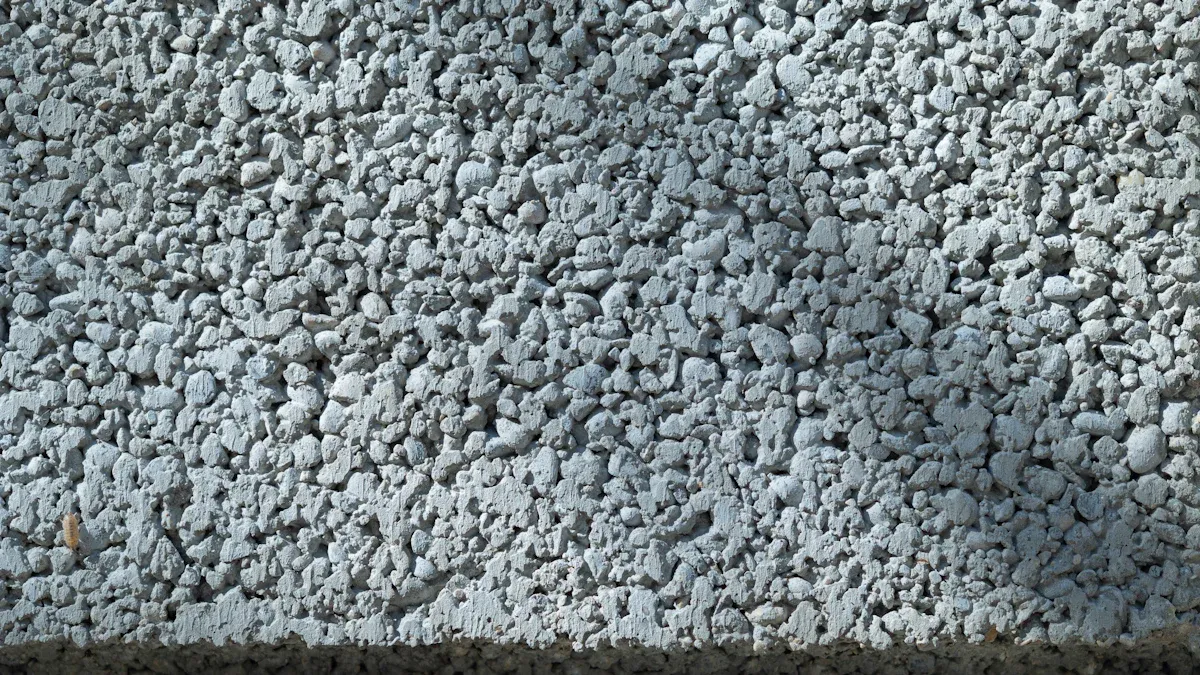
Concrete surface hardeners come in different types. Each type has special features for different needs. Knowing these types helps you pick the right hardener for your project. Here are the main types of concrete surface hardeners:
Type of Hardener | Main Ingredients | Function |
|---|---|---|
Inorganic Hardeners | Sodium silicate, potassium silicate, magnesium fluorosilicate, nano silica, aluminum oxide | React with calcium hydroxide to make concrete stronger and denser. |
Organic Hardeners | Epoxy resin, polyurethane, acrylic with curing agents and hard mineral fillers | Create a protective layer, making the surface more elastic and resistant to rust. |
Hybrid Hardeners | A mix of inorganic silicates and organic resins | Combine strength and flexibility, stopping peeling and improving load support. |
Each type has a special job. Inorganic hardeners are great for making concrete stronger. Organic hardeners add a layer that makes the surface last longer. Hybrid hardeners give a mix of strength and flexibility, so they work well in many situations.
Selection Criteria
When picking a concrete surface hardener, think about several things to make the best choice for your project. Here are important factors to remember:
Factor | Description |
|---|---|
Environmental and Safety Ratings | Safety and environmental ratings are very important. |
Overall Value Proposition | The value depends on your specific needs. |
Assessing Your Industrial Needs | Think about how much traffic your floor will get. |
Budgeting for Project Costs | Consider the costs of materials, labor, and possible downtime. |
Consulting with Experts | Always ask experts to help you choose the best product. |
Future Maintenance Considerations | Some hardeners lower maintenance needs, which helps long-term performance. |
Also, think about these factors:
Type of concrete: Some hardeners work better with certain mixes.
Traffic volume: Areas with heavy foot or vehicle traffic need stronger hardeners.
Chemical exposure: Pick a hardener that can resist chemicals if needed.
Aesthetics: Some hardeners make the concrete look better.
By looking at these factors, you can choose a concrete surface hardener that fits your needs and ensures great performance.
Effective Application Techniques
Surface Preparation
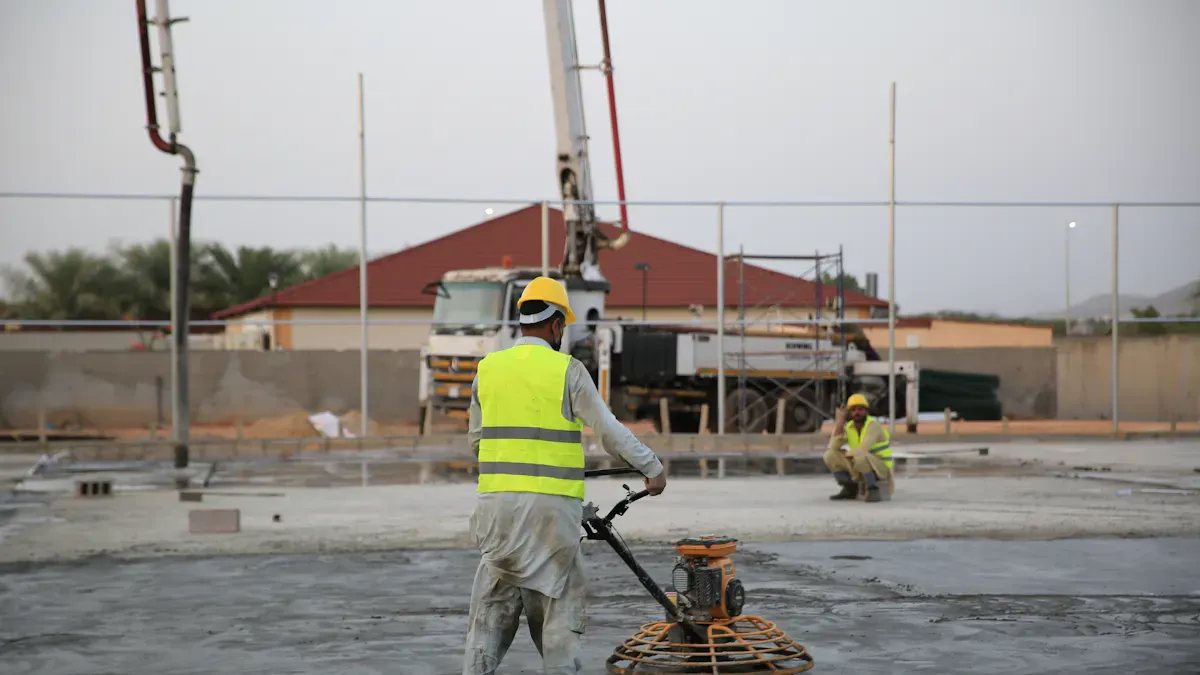
Getting the surface ready is very important for the best results with your concrete surface hardener. Follow these steps to prepare your surface:
Remove Old Coatings: Make sure to take off all old coatings. This helps with sticking later.
Remove Surface Contaminants: Clean off any oils, grease, or dirt. These can stop the hardener from sticking well.
Remove Loose Parts of the Surface: Get rid of any flaking or crumbling parts. A strong base is needed for the hardener to stick.
Ensure the Surface is Dry: Check that the surface is completely dry. Wetness can cause sticking problems.
Profile the Surface Accurately: Make sure the surface is properly prepared for the best results with the hardener.
Tip: Not preparing the surface well can cause problems like peeling and weak sticking. Always take time to prepare your surface carefully.
Application Methods
After preparing the surface, you can apply the concrete surface hardener using good methods. Here are some techniques to try:
Method | Coverage | Penetration |
|---|---|---|
Low-pressure sprayer | Best for even spreading | Good for surface application |
Microfiber applicator | Good for smaller areas | May need more effort for deep use |
Screed the Concrete Surface: Start by leveling the concrete to avoid bumps. This step is key for a smooth finish.
Apply the Hardener: For dry shake hardeners, put them on when the surface is damp but not wet. Spread it evenly, ideally in one go, and don’t cover more than 10-12 feet at once.
Liquid Hardeners: Clean the surface well and check for moisture before applying. Keep the temperature and humidity steady for the best results.
Moisture Maintenance: After spraying the liquid hardener, keep the surface wet for 20-30 minutes. This helps the hardener soak in well.
Note: Studies show that liquid hardeners work best when applied at least 28 days after the concrete is poured. This timing helps the hardeners strengthen the surface, making it more resistant to wear.
Curing Times
After applying the hardener, give it enough time to cure. Here are some general tips:
Most hardeners need at least 24 hours before adding more layers or using the surface.
Full curing can take a few days, so be patient for the best results.
By following these preparation and application steps, you can make the most of your concrete surface hardener, ensuring a strong and lasting finish.
Safety Measures
Personal Protective Equipment
When using concrete surface hardeners, safety is very important. Wearing the right personal protective equipment (PPE) can help keep you safe from injuries and health problems. Here are some key items you should wear:
Respiratory Protection: Use respirators with organic vapor cartridges. This helps you avoid breathing in harmful fumes and VOCs.
Gloves: Wear gloves that resist chemicals. This stops harmful substances from touching your skin.
Eye Protection: Use safety goggles or face shields. They protect your eyes from splashes.
Protective Clothing: Long-sleeved clothes and coveralls help reduce skin exposure.
Boots: Wear strong boots to keep your feet safe from spills and heavy items.
Tip: Always check your PPE before using it. Replace any damaged gear to stay safe.
Environmental Considerations
Using concrete surface hardeners can affect the environment. You should think about several things to reduce harm:
VOCs Regulations: In places with strict rules on Volatile Organic Compounds (VOCs), choose eco-friendly options. Water-based, high-gloss decorative acrylic concrete sealers look good and follow VOC rules. This choice is safer for both workers and the environment.
Ecosystem Impact: Getting raw materials for concrete can harm habitats and destroy plants. This can hurt local ecosystems.
Runoff Issues: Concrete surfaces create hard areas that increase runoff. This runoff can cause soil erosion and pollute water systems, leading to five times more runoff than natural woodlands.
Water Resources: Concrete production uses 1.7% of global water. This can make water harder to find in places that already have water problems.
By following these safety steps and thinking about environmental effects, you can apply concrete surface hardeners in a safer and more responsible way.
Common Challenges and Solutions
Application Issues
When you use concrete surface hardeners, you might face some common problems. Fixing these issues early can save time and help you succeed. Here are some usual challenges:
Skipping Proper Surface Preparation: Not preparing the surface can cause poor sticking and peeling.
Unsuitable Weather Conditions: Using hardeners in high humidity or extreme temperatures can lead to uneven drying.
Rushing the Curing Process: Hurrying this step can harm the surface and lower its effectiveness.
Also, dirt and grease can stop the hardener from sticking well. Not roughening the surface enough can make the hardener less effective.
Troubleshooting Tips
To solve these problems, think about these troubleshooting tips:
Effect on Concrete Hardener | |
|---|---|
High Temperature | Needs more water, speeds up slump loss, and shortens setting time. |
Low Humidity | Increases evaporation, causing cracks while the surface is still wet. |
High Wind Velocity | Raises evaporation, increasing the chance of cracks. |
Ensure Clean Surfaces: Always clean the surface well to get rid of dirt and grease. This stops peeling or bubbling.
Roughen the Surface: Make the surface rough to help the hardener stick better. This step is very important for the best results.
Follow Temperature Guidelines: Keep the temperature between 59°F (15°C) and 90°F (32°C) for the best results. High humidity can cause cloudy finishes, while low humidity raises evaporation risks.
For early wear or failure, apply densifiers and hardeners to strong concrete. Think about using multiple applications for weak surfaces, letting each layer dry fully. Regular maintenance can help spot wear problems before they get worse.
By fixing these common challenges and using the troubleshooting tips, you can get great results with your concrete surface hardener application.
In conclusion, knowing about concrete surface hardeners is very important for getting great results in your projects. Here are the main points to remember:
Types of Hardeners: There are different hardeners, like epoxy and polyurethane. Each one has special benefits for different uses.
Effective Application Techniques: Good surface preparation and application methods help with strong sticking and lasting strength.
Safety Measures: Following safety rules keeps you and the environment safe.
By using these ideas, you can make your concrete surfaces stronger and look better. Always remember, a well-prepared surface means longer-lasting results and less need for maintenance. 🌟
FAQ
What is a concrete surface hardener?
A concrete surface hardener is a product that makes concrete stronger and protects it. It helps the concrete last longer, cuts down on dust, and makes it better at resisting damage.
How do I apply a concrete surface hardener?
First, clean the surface very well. Then, use a sprayer or microfiber applicator to put on the hardener evenly. Follow the instructions from the manufacturer for the best results.
How long does it take for the hardener to cure?
Most concrete surface hardeners need at least 24 hours to cure before you can use the surface. Full curing can take several days, depending on the weather.
Can I use a hardener on old concrete?
Yes, you can put a concrete surface hardener on old concrete. Just make sure the surface is clean and free of dirt for the best sticking and effectiveness.
Are there any safety precautions I should take?
Yes, always wear personal protective equipment (PPE) like gloves, goggles, and a mask. Make sure there is good airflow while applying to avoid breathing in fumes.
See Also
Understanding The Functionality Of Concrete Surface Hardeners
Choosing The Ideal Concrete Floor Hardener For 2025
BANDě Concrete Surface Hardener: Benefits And Key Insights
Essential Information About BANDě Concrete Floor Hardener
Defining Concrete Hardeners And Their Operational Mechanisms
